
Electric avenue: U.S. lawmakers want to ban cheap EVs from China. Prohibitions spotlight high costs of cars for American buyers.
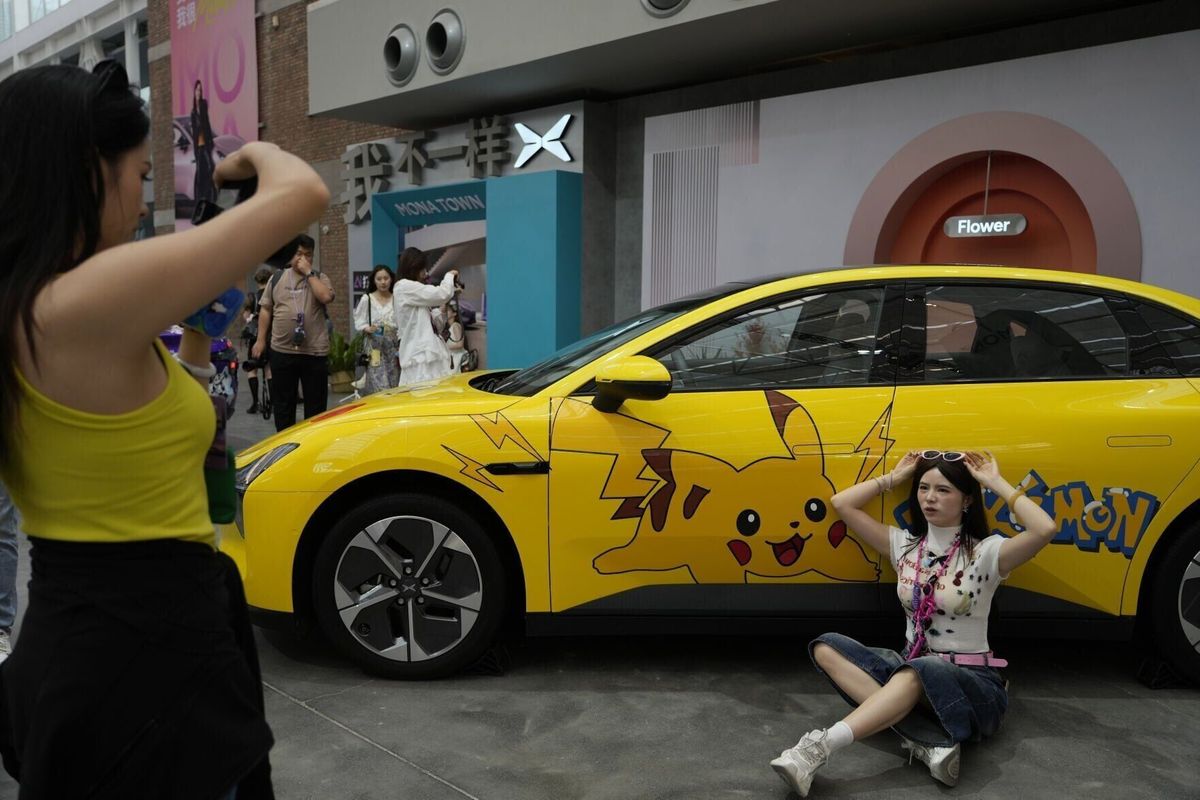
A bipartisan proposal seeks to ban low-cost Chinese electric vehicles (EVs) from the U.S. market, citing national security and data privacy concerns.
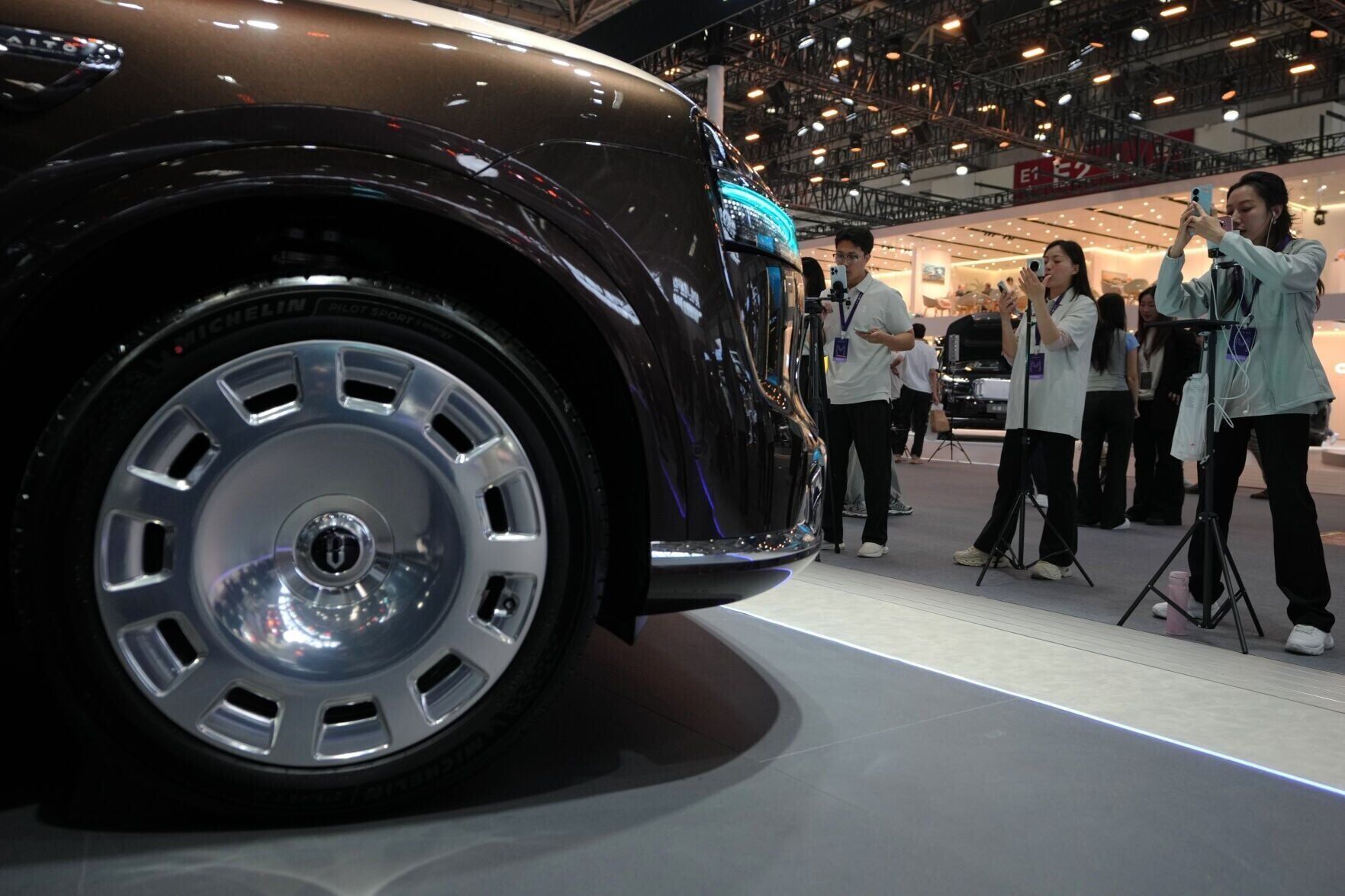
Chinese EVs can be one-third the price of American-made and other vehicles available for sale in the U.S.
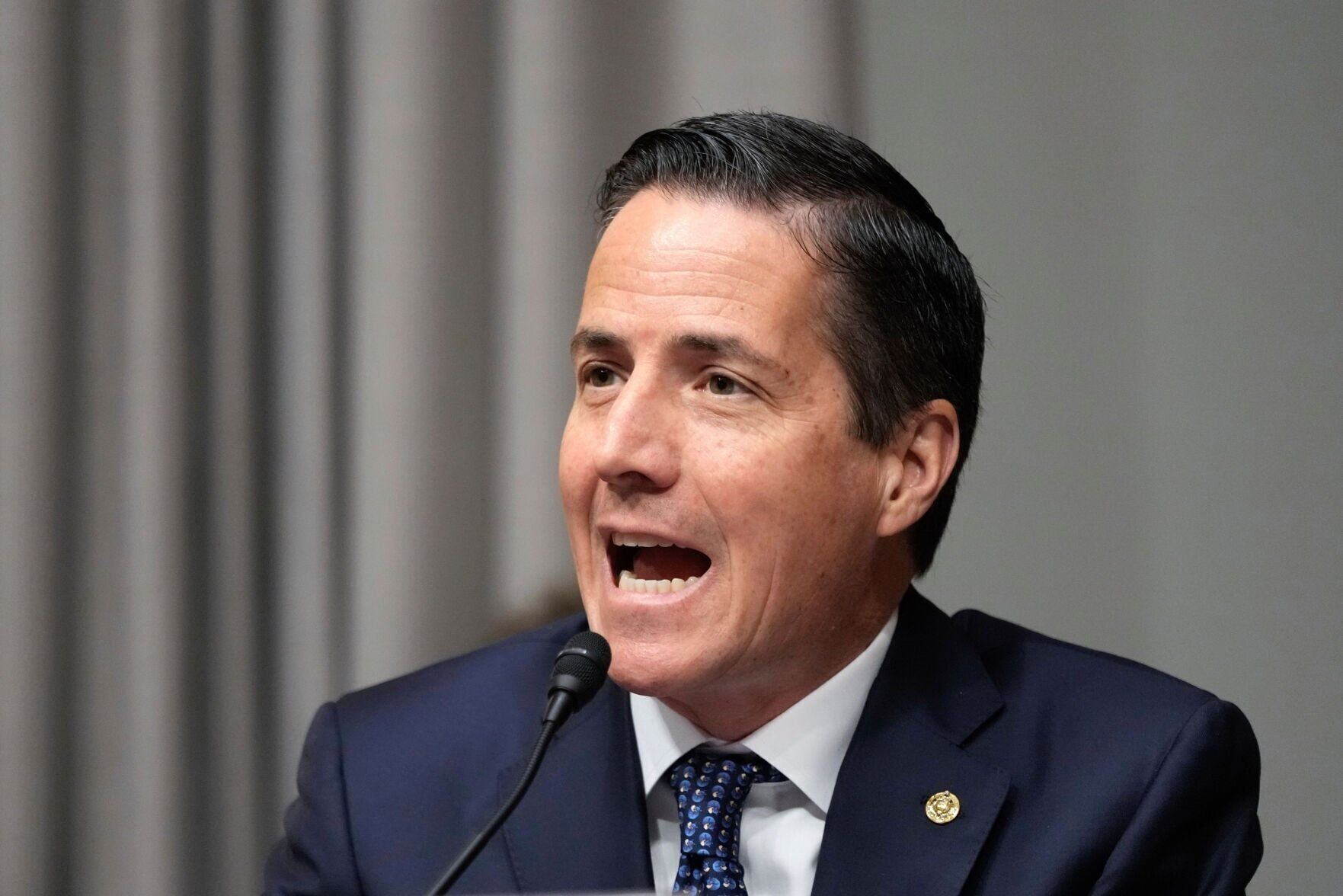
The prohibitions are being championed by U.S. Sens. Bernie Moreno, R-Ohio, and Elissa Slotkin, D-Michigan.
They represent two large U.S. automaking states and their restrictions have the backing of American automakers and the United Auto Workers (UAW) union.
“Chinese cars are a serious threat to America’s national security and Michigan’s economic security,” said Slotkin, a former CIA analyst. “Chinese cars are surveillance packages on wheels, with the ability to collect (data) on American citizens and sensitive sites.”
The bill would also ban Chinese automotive computer hardware and software from the U.S. market.
STICKER SHOCK
The data security contentions mirror arguments made against TikTok, when the social media platform was Chinese-owned and faced federal and state bans.
However, the EV prohibition push also highlights high prices for vehicles currently sold in the U.S. and the dearth of lower-priced vehicles available to American car buyers.
A number of Chinese EV models are priced at $10,000 or less. That compares to an average U.S. new car price of $48,845, according to Jessica Caldwell, head of insights at Edmunds, an automotive research group.
Used cars sell for $25,839 on average in the U.S, according to Edmunds’ data.
The average price of a new EV sold in the U.S. was more than $54,500 in March, with used EV prices averaging more than $34,650, according to Cox Automotive Group.
Moreno, a wealthy businessman who previously owned several luxury car dealerships, said the Chinese government subsidizes its auto industry, allowing for cheaper prices.
Moreno noted the penetration of low-price Chinese EVs in other markets and does not want that to happen in the U.S.
“As Europe, Mexico and others allow their markets to be overrun by Chinese predators, the U.S. must act before it’s too late. The answer is simple: Chinese vehicles can never be allowed into the U.S. market — the fate of the American auto industry and countless auto workers depends on it," Moreno said.
The three big U.S. automakers (General Motors, Ford Motor Co. and Dodge and Chrysler-maker Stellantis) along with the UAW, American Honda Motor Co. (which has plants in Ohio and other U.S. states), and American auto industry lobbyists back the Chinese EV bans.
“China has a strategy to dominate global automotive and battery manufacturing that presents a challenge to American economic and national security,” said John Bozzella, president and CEO of the Alliance for Automotive Innovation, a trade group whose members include U.S., European, South Korean and Japanese automakers, as well as their suppliers. “We need to make sure we’re all playing by the same rules, but Chinese automakers are flooding markets around the world with cut-rate vehicles.”
FOOTHOLDS
Chinese automakers continue to find footholds in other markets with less expensive and smaller models.
Chinese automakers have some cost advantages, in addition to their focus on lower-cost models for moderate-income buyers.
The Chinese government subsidizes some of its manufacturing sectors. The Chinese also have had cheaper labor than American and other automakers. China also controls much of the mining and processing of key raw materials.
Low-priced EVs also have smaller, cheaper batteries than its more expensive, larger competitors.
Irina Tsukerman, an attorney, global security analyst and president of New York-based consulting firm Scarab Rising Inc, said there are legitimate data security and surveillance concerns related to Chinese vehicles, especially as artificial intelligence continues its development.
“It becomes a channel for data collection,” Tsukerman said.
“It could be used for broader dynamics, to acquire broad data. It could also be used to target individual drivers,” he added, referring to social media messaging and propaganda.
Moreno has voiced concerns about smart cars being used to surveil U.S. military bases and other critical infrastructure.
But as with the TikTok contentions, skeptics note that American and other companies also collect all kinds of data and information on consumers, and that data is sometimes sold internationally.
Tsukerman said the difference is the Chinese government’s more direct ties to its automakers.
‘WHAT THE MARKET NEEDS’
Chinese cars are already effectively blocked from the U.S. market via tariffs and security regulations.
The Slotkin-Moreno bill in Congress would add to those restrictions.
In a statement, a spokesperson for the Chinese Embassy to the U.S. pushed back against the data privacy concerns and the efforts to restrict automobiles.
“The Chinese government attaches great importance to and protects in accordance with the law data privacy and security. We have never asked and will never ask any company or individual to collect or provide data, information or intelligence located abroad against local laws for the Chinese government,” the spokesperson said, contending that China abides by World Trade Organization rules.
“The popularity of Chinese vehicles in the global market is the result of persistent tech innovation, well-established industrial and supply chains and full market competition, rather than reliance on government subsidies. This is what happens when our comparative advantages provide exactly what the market needs: (a) non-discriminatory environment for Chinese companies.”
The EV prohibition push in Congress comes as President Donald Trump travels to China to meet with Chinese President Xi Jinping. A cadre of top U.S. CEOs, including Tesla and SpaceX boss Elon Musk, Nvidia's Jensen Huang and Apple’s Tim Cook, along with the heads of Boeing, Caterpillar, Goldman Sachs, Blackrock and Blackstone, are accompanying Trump to the summit.
Trump’s visit to China also comes in the midst of the U.S./Israel war with Iran and high oil and gasoline prices due to the war restricting tankers moving through the Strait of Hormuz.
As of Wednesday, May 13, the average price of gas nationally was $4.51 per gallon, according to AAA.
That is up from $2.98 per gallon before the start of the war at the end of February.
Trump and Israeli Prime Minister Benjamin Netanyahu contend the war is needed to stop Iran from developing nuclear weapons.
High gas prices and the increase in car prices and other costs since the COVID pandemic renew questions of why low-cost car models are not available to American car buyers.
Car prices are up 21.2%, and overall U.S. prices are up 30% since 2020, according to the Official Data Foundation/Alioth LLC and the U.S. Bureau of Labor Statistics.
On Tuesday, BLS reported year-over-year inflation was 3.8% in April, spurred by higher fuel and utility prices.
SQUEEZED OUT
Caldwell said U.S. and foreign automakers in the American market have discontinued many subcompact and economy models in recent years.
“Many of them were shuttered,” Caldwell said.
Instead, automakers in the U.S. market have focused on more expensive, larger models with more technology and amenities, as well as bigger profit margins.
Higher-priced models have also led American car buyers to extend auto loans with six- and seven-year terms, Caldwell said.
Auto loan debt totaled $1.69 trillion in the first quarter of 2026, according to the New York Federal Reserve Bank. That’s a record high and is part of record-high American household debt of $18.8 trillion.
Currently, the cheapest cars available to U.S. buyers are South Korean-made compacts such as the Kia K4, Nissan Sentra and Hyundai Elantra. Prices start at more than $23,800, according to Cars.com.
There are no American models on that list.
Caldwell does not expect more cheaper car options on the horizon for American consumers.
“I don’t think it is going to change anytime soon. It just isn’t likely,” she said. “Those cars don’t make very much money.”



Comments ()