
'Feeling frustrated': Concerns, support shared over proposed logging project near Yellowstone
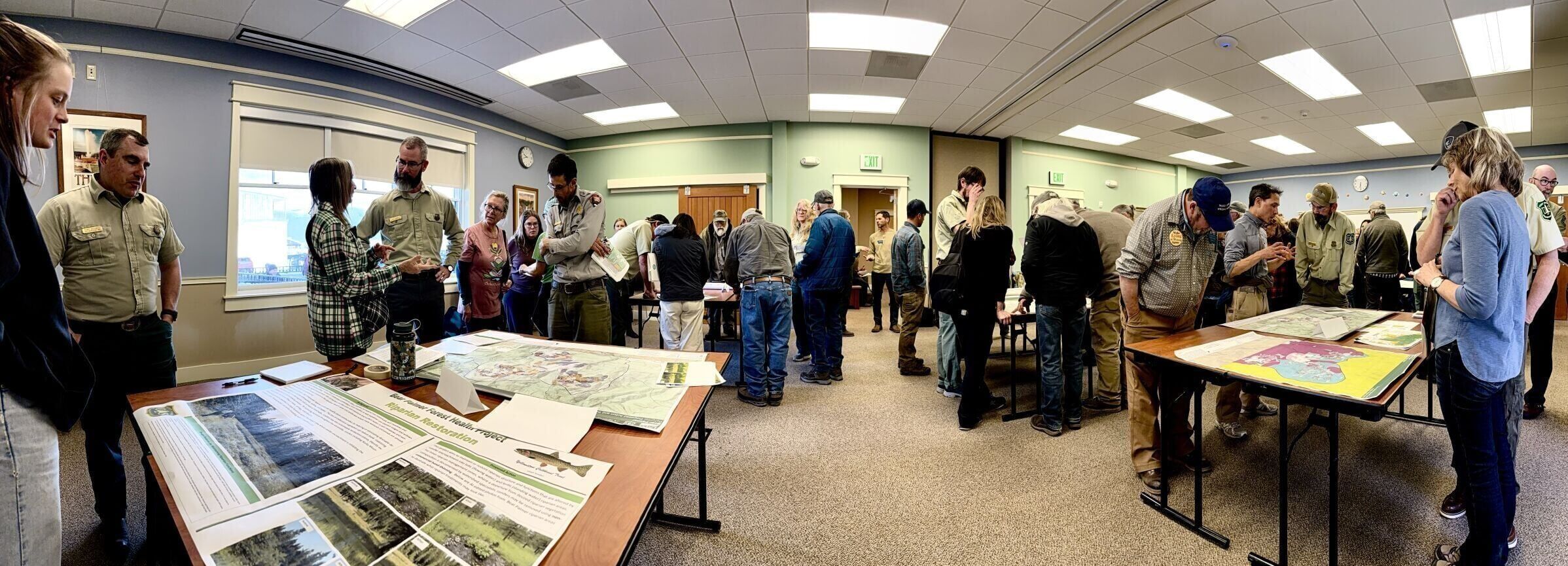
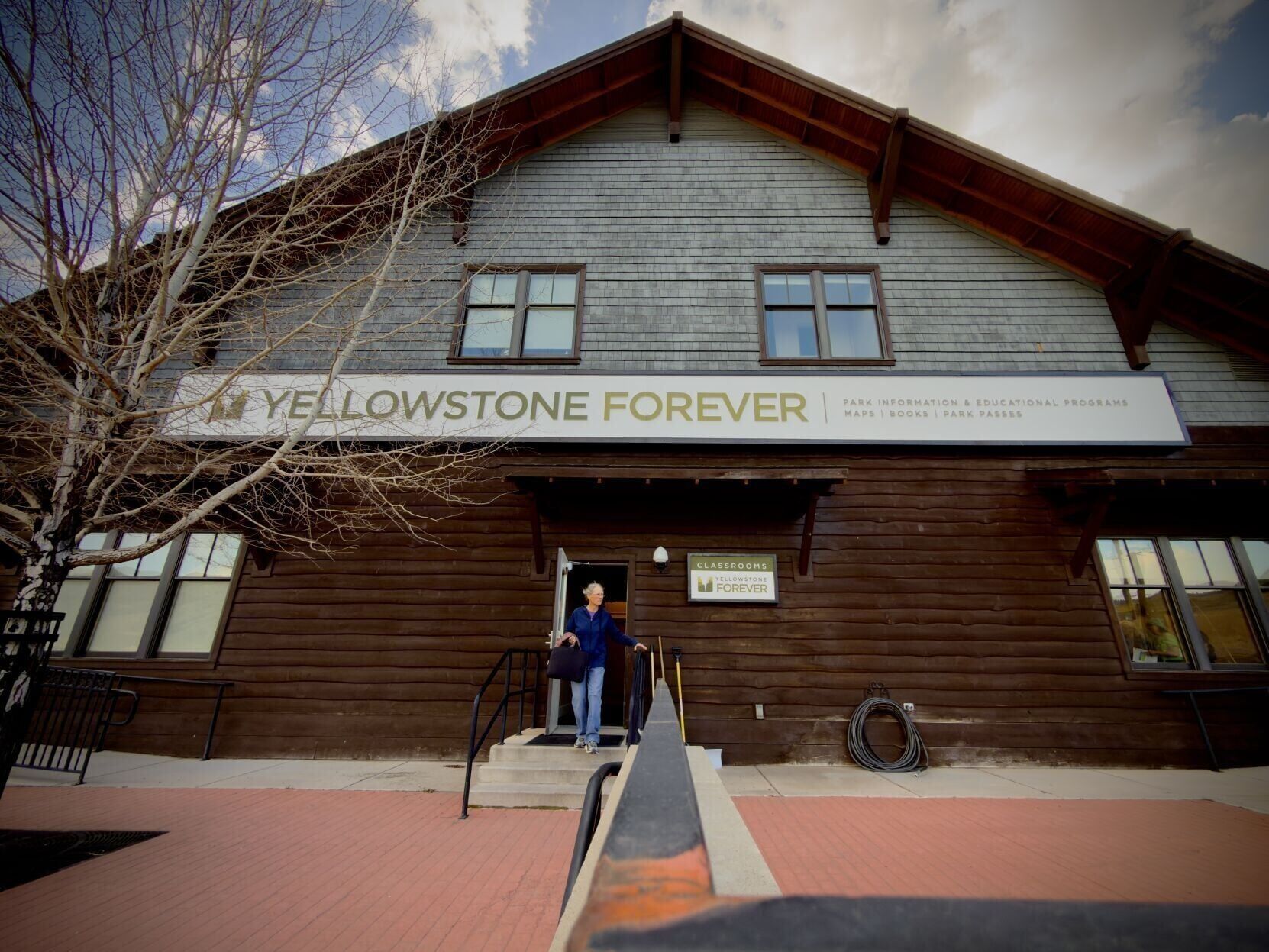
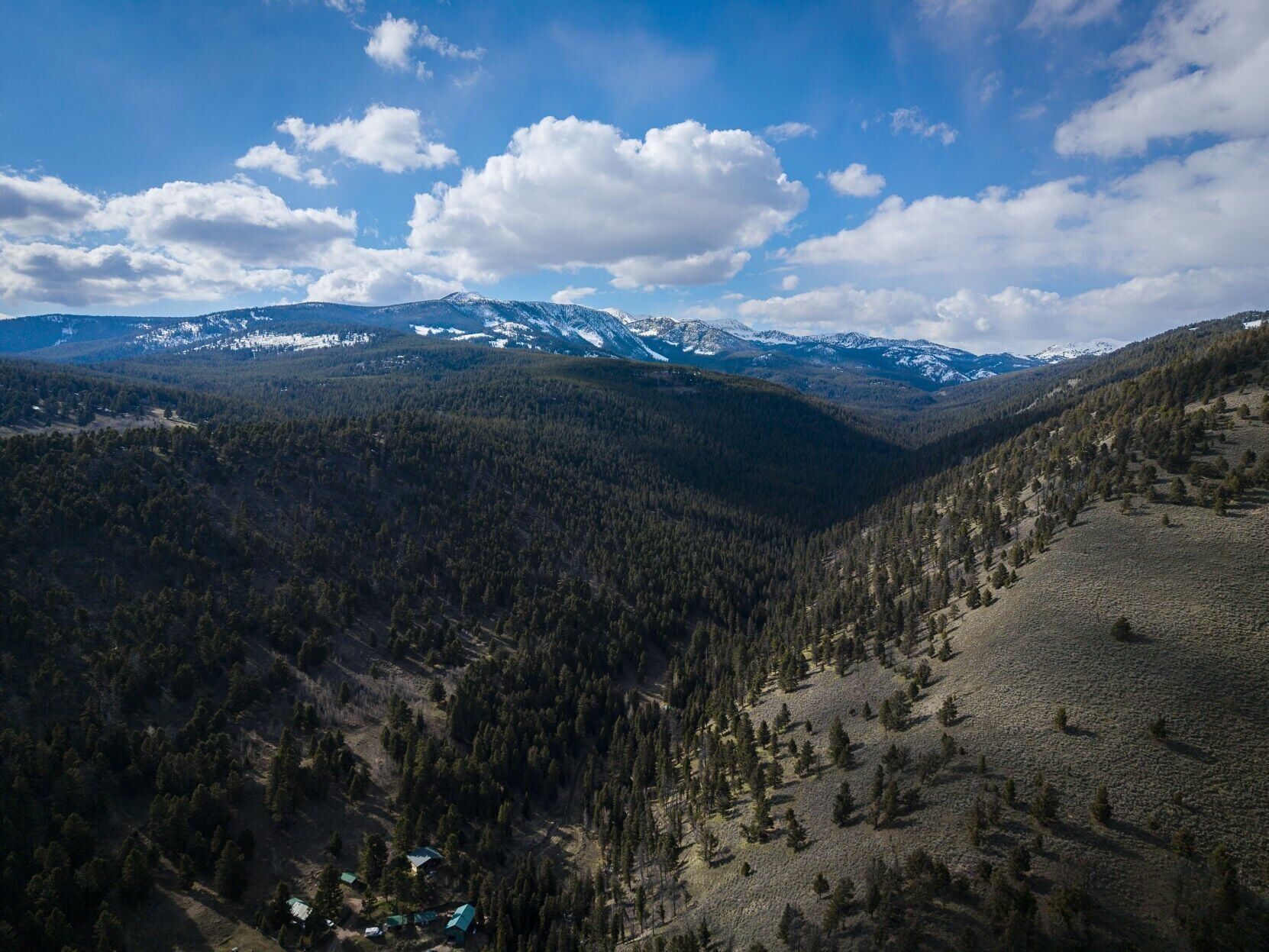
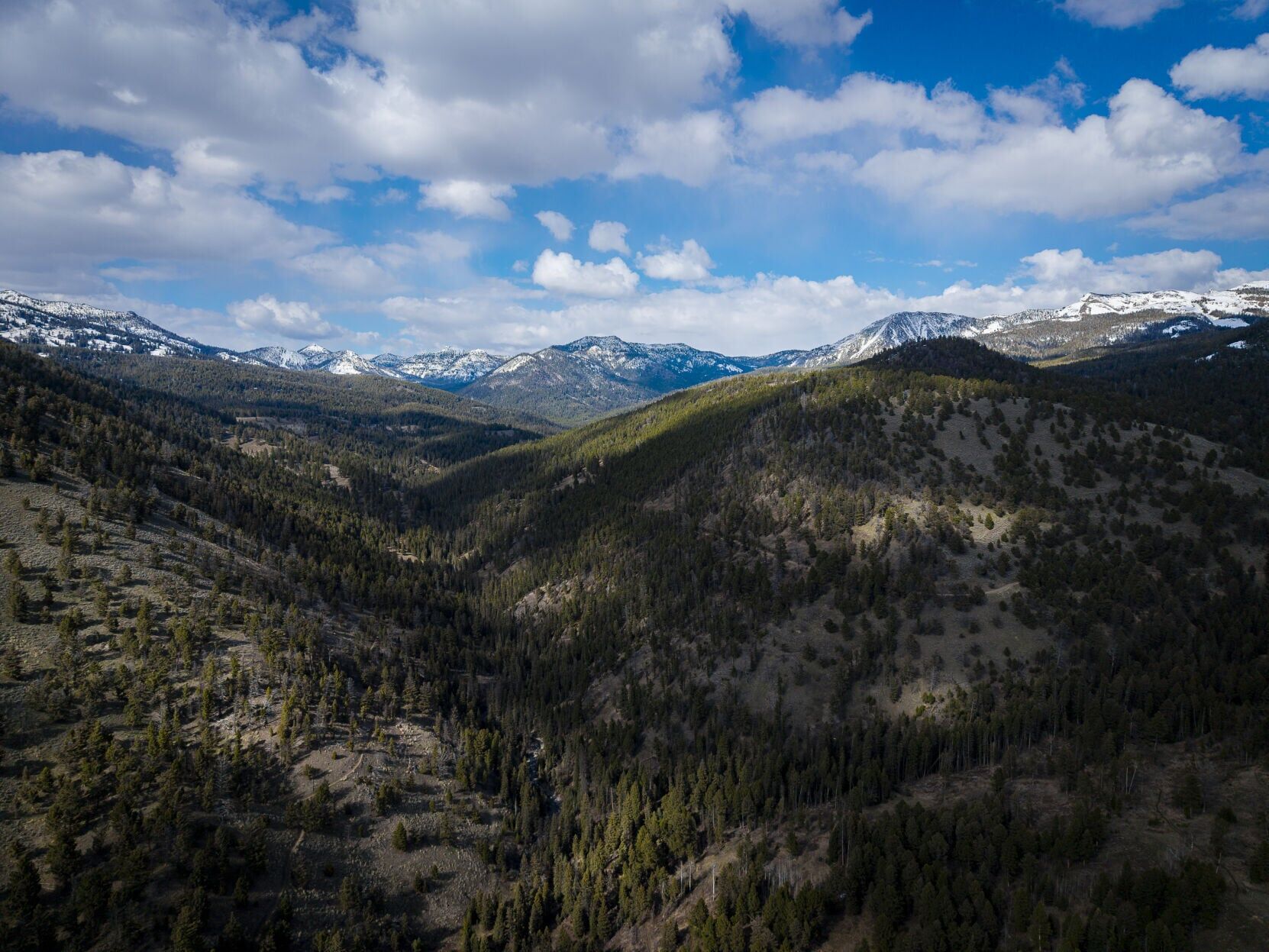
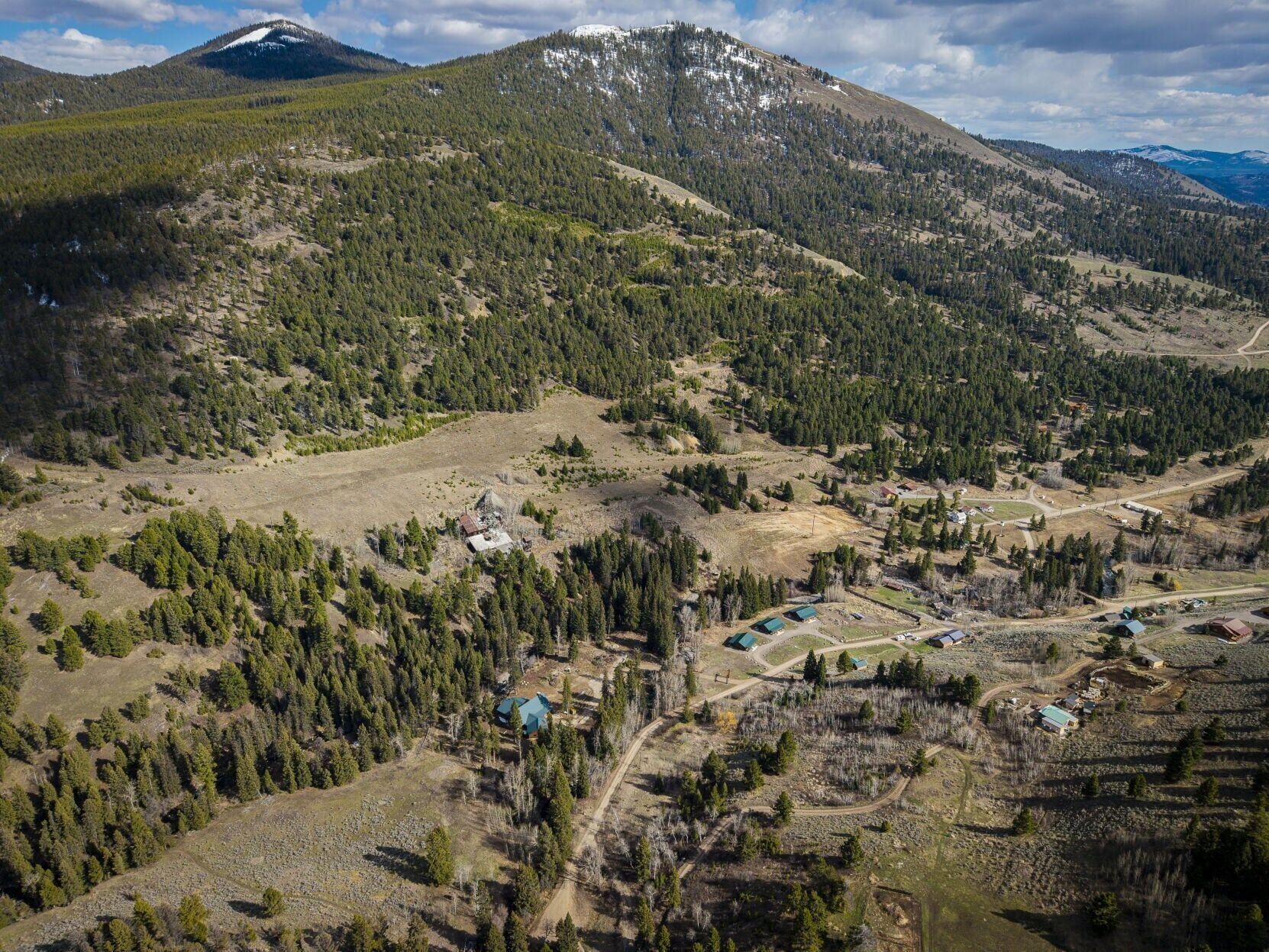
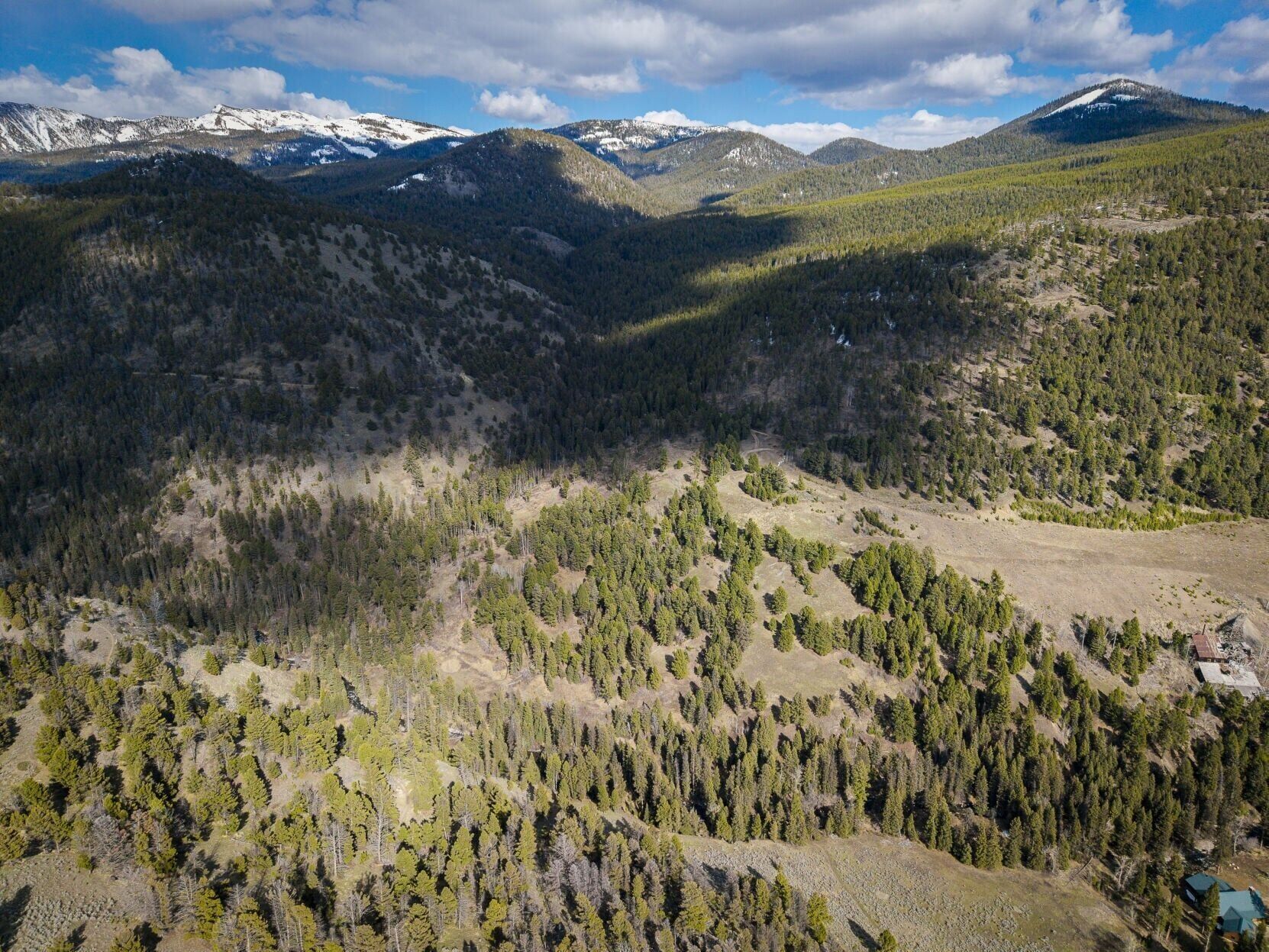
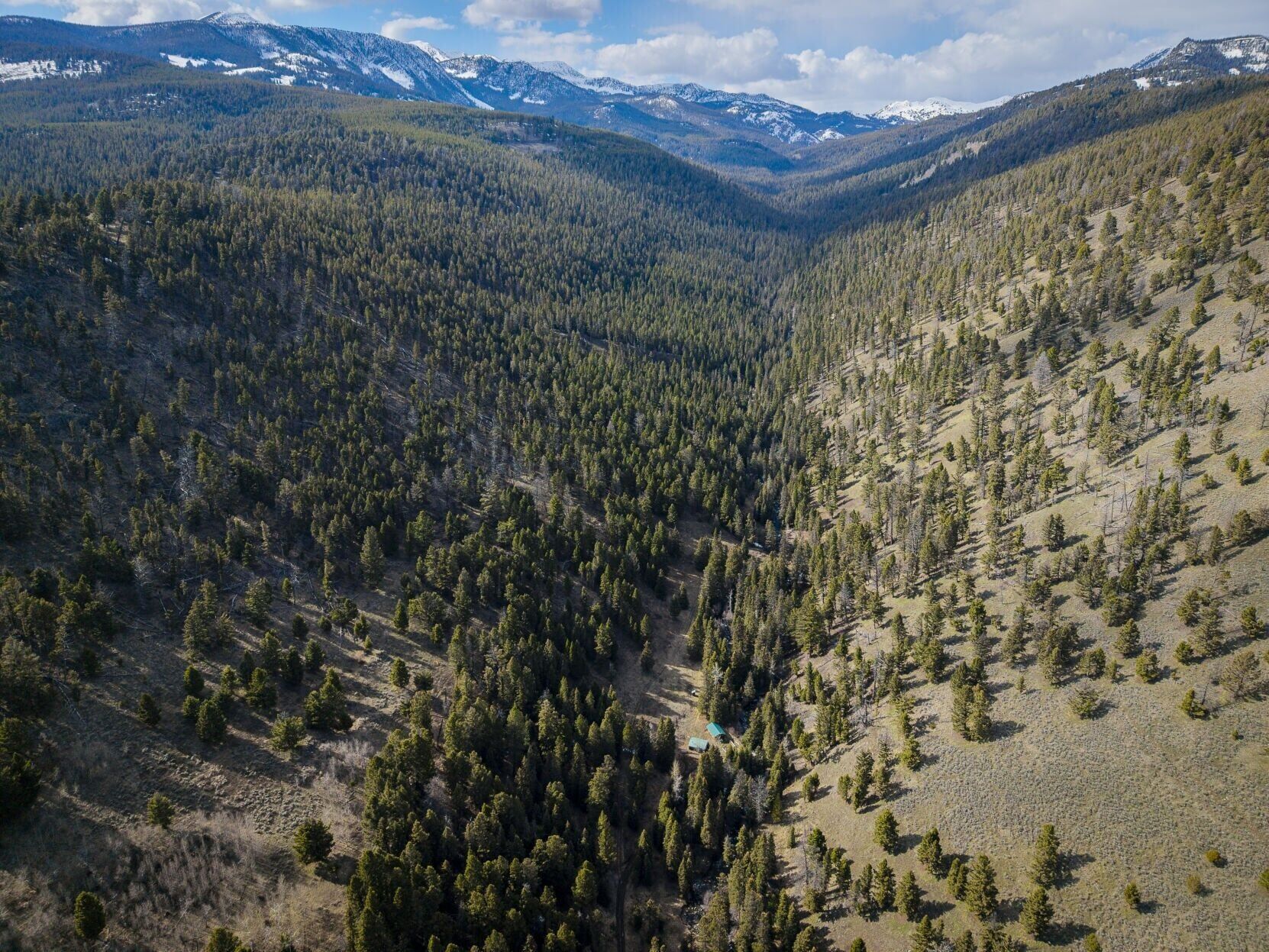
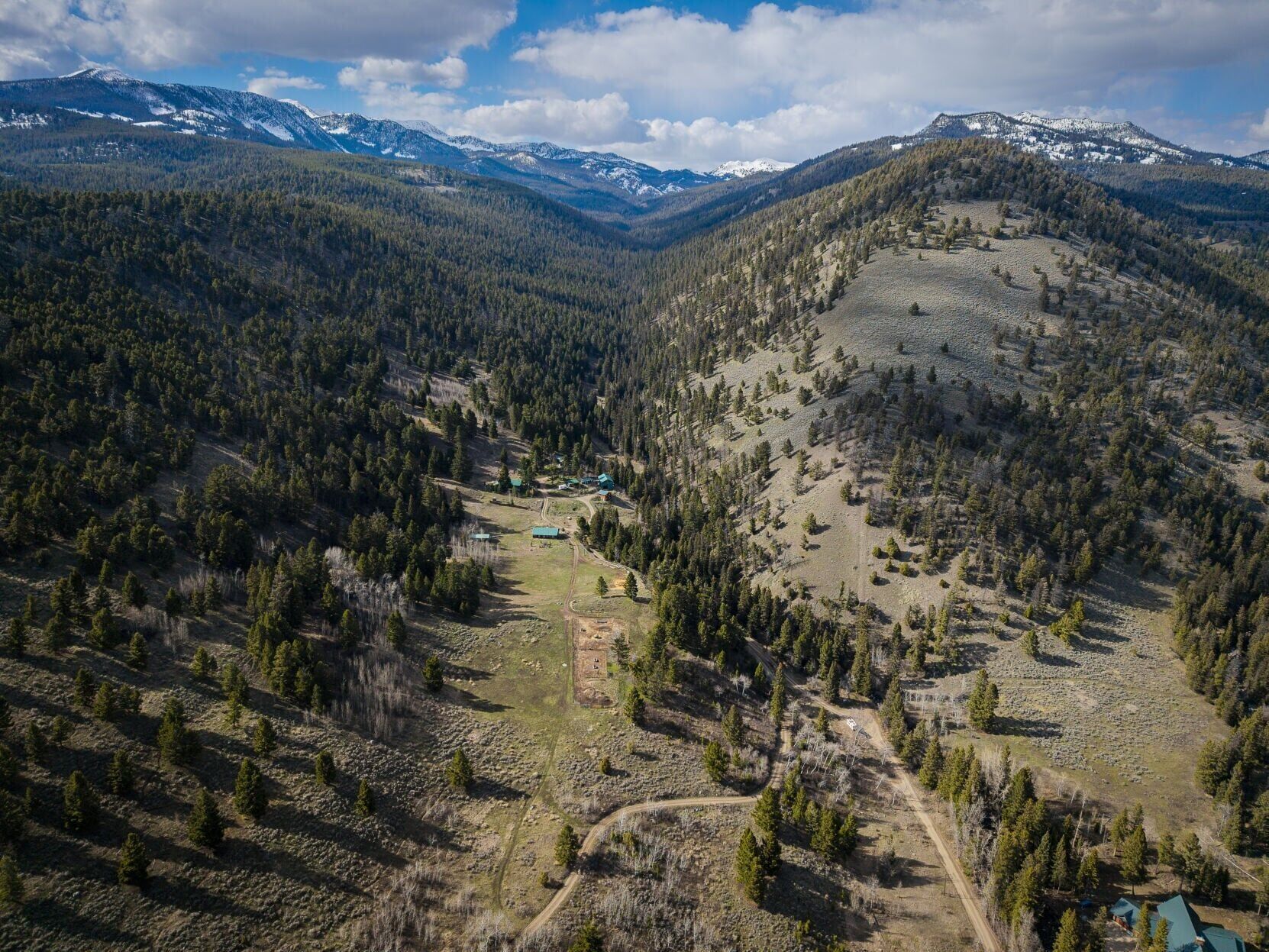
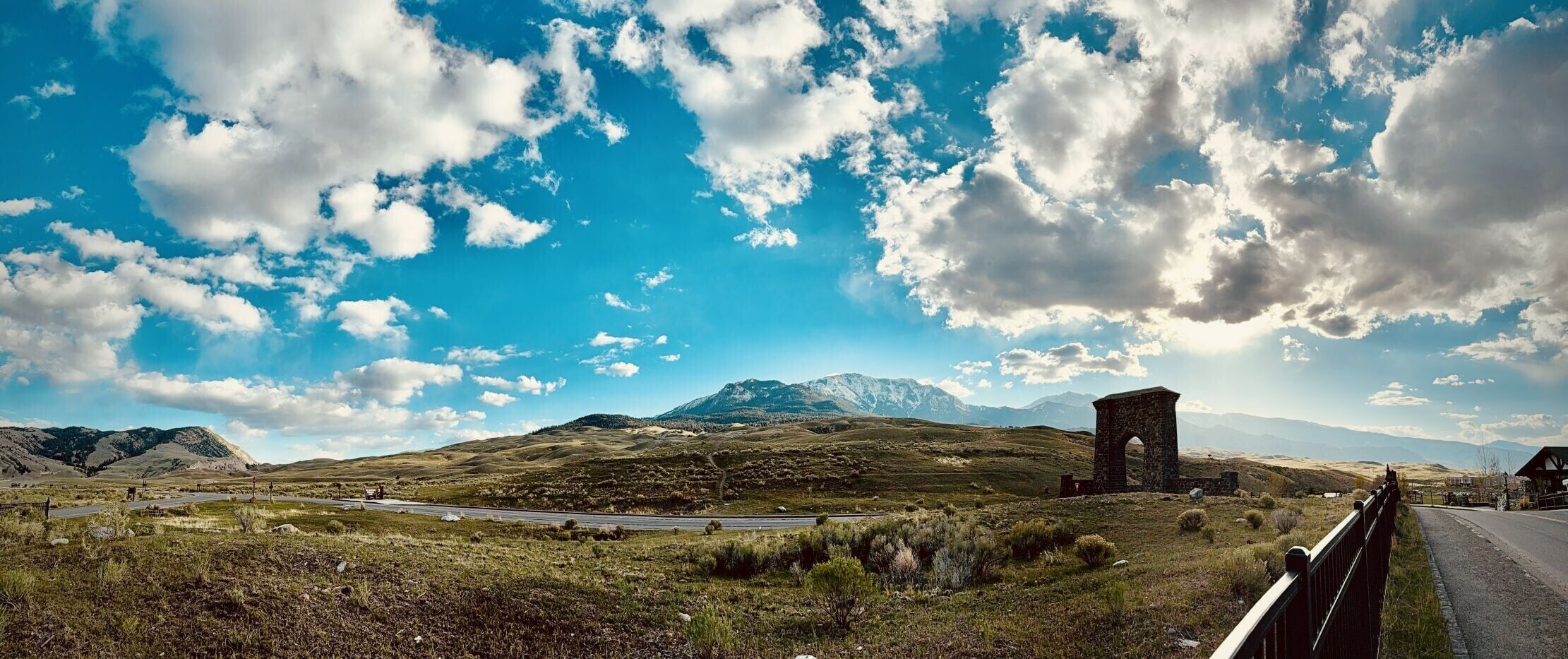
GARDINER — Ambient conversation filled the Yellowstone Forever building as community members and U.S. Forest Service employees gathered Friday to discuss a proposed “forest health” project on a 4,401-acre parcel abutting Yellowstone National Park and the Absaroka-Beartooth Wilderness.
About 50 residents from Gardiner, Mammoth Hot Springs, and Jardine attended the Gardiner Ranger District-hosted meeting, designed to share public information on the preliminary effects document for the project.
“I could sit here and tell you how much everyone in this community cares, but you all know that,” Gardiner District Ranger Clint Kolarich said. “We all have different opinions, and they’re totally valid. If we all agreed on the same thing, that’d be bad. Diversity is very important, but above anything else, we’re going to fill this room with respect tonight.”
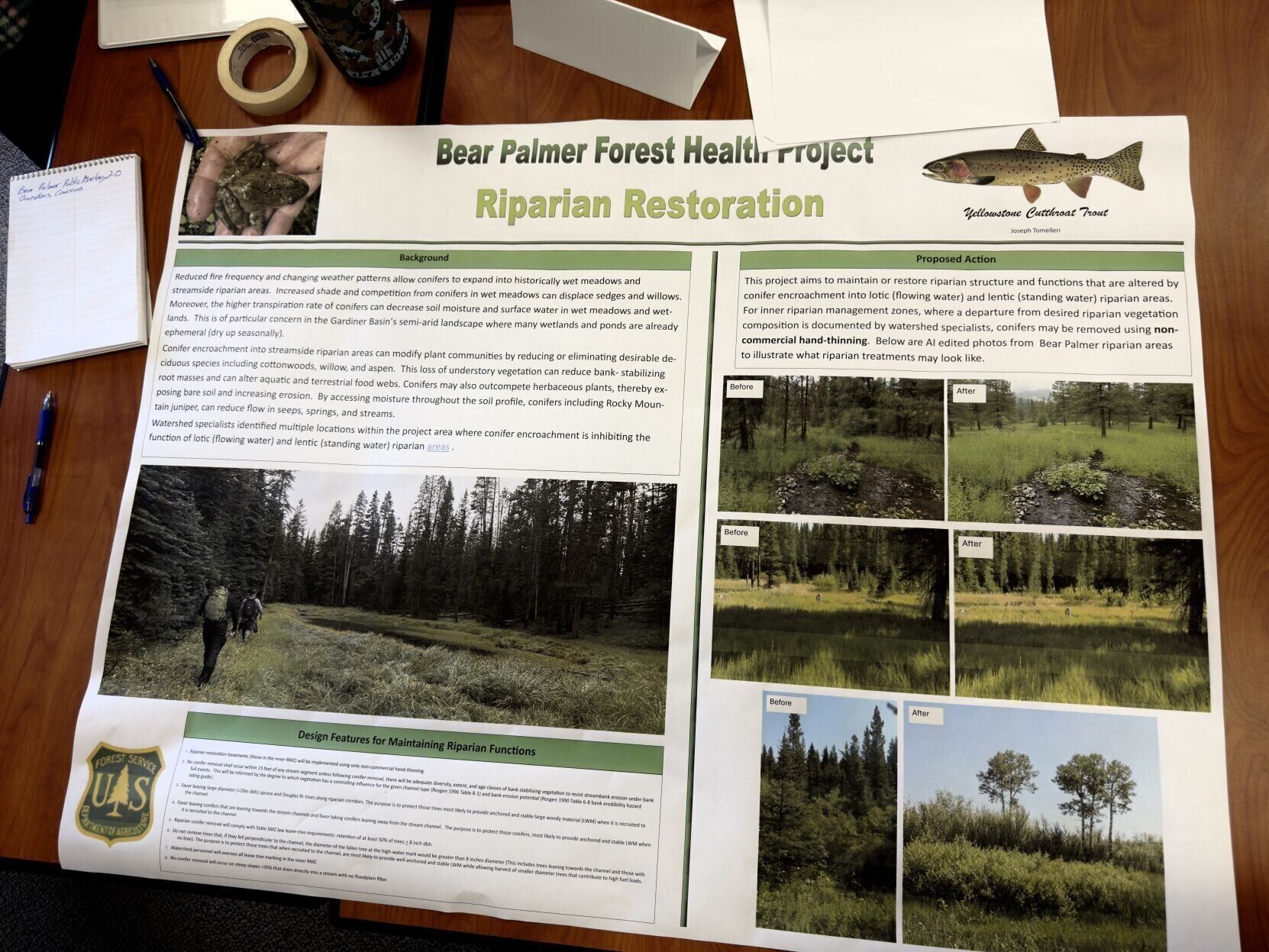
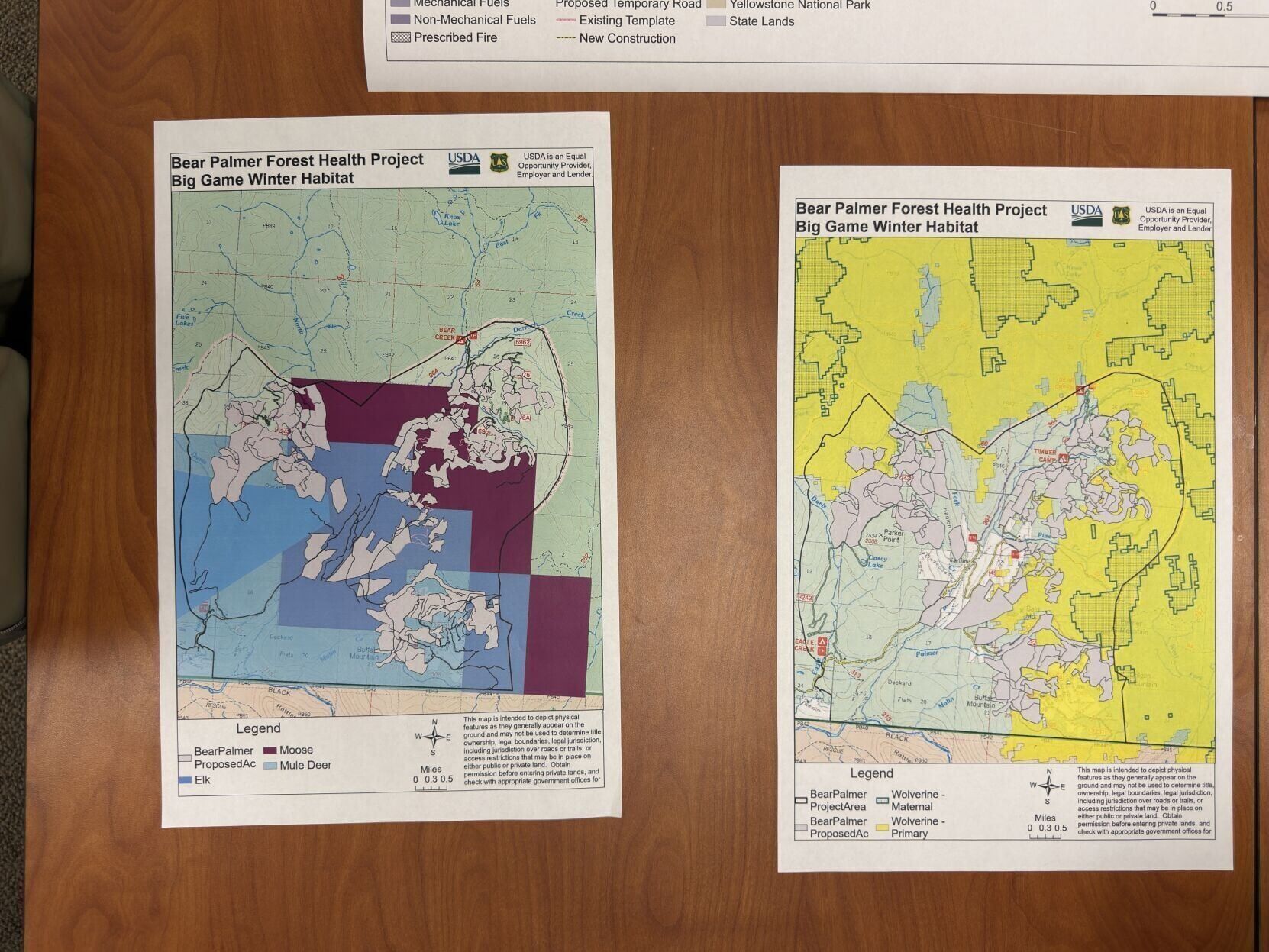
Rather than adopting a town hall format, the April meeting consisted of six tables, each accompanied by Forest Service subject-area experts to answer community questions regarding the project.
Tables were broken down into Hydrology/Fish, Scenery/Recreation, NEPA, Wildlife, Fire/Fuels, and Roads/Timber. Following a brief introduction from each of the Forest Service representatives, attendees milled around the room, asking questions and expressing concerns.
“We’ve had some time to analyze the preliminary effects of the actions that we’re proposing, and we have the preliminary effects document out for comment,” Kolarich said. “Sometimes these documents leave you with more questions than you had before you read them, so I wanted to get all the specialists in there to help clarify, and we want to hear your comments.”
The 17-page preliminary effects document was released April 10 and breaks down the treatment types, locations and goals for the more than 4,000-acre treatment area.
According to the document, the treatments would produce tree stands more resilient to outbreaks of insects, disease, and high-severity wildfires. The document attributes the homogenization and increased density of forest stands to “over 100 years of wildfire suppression.”
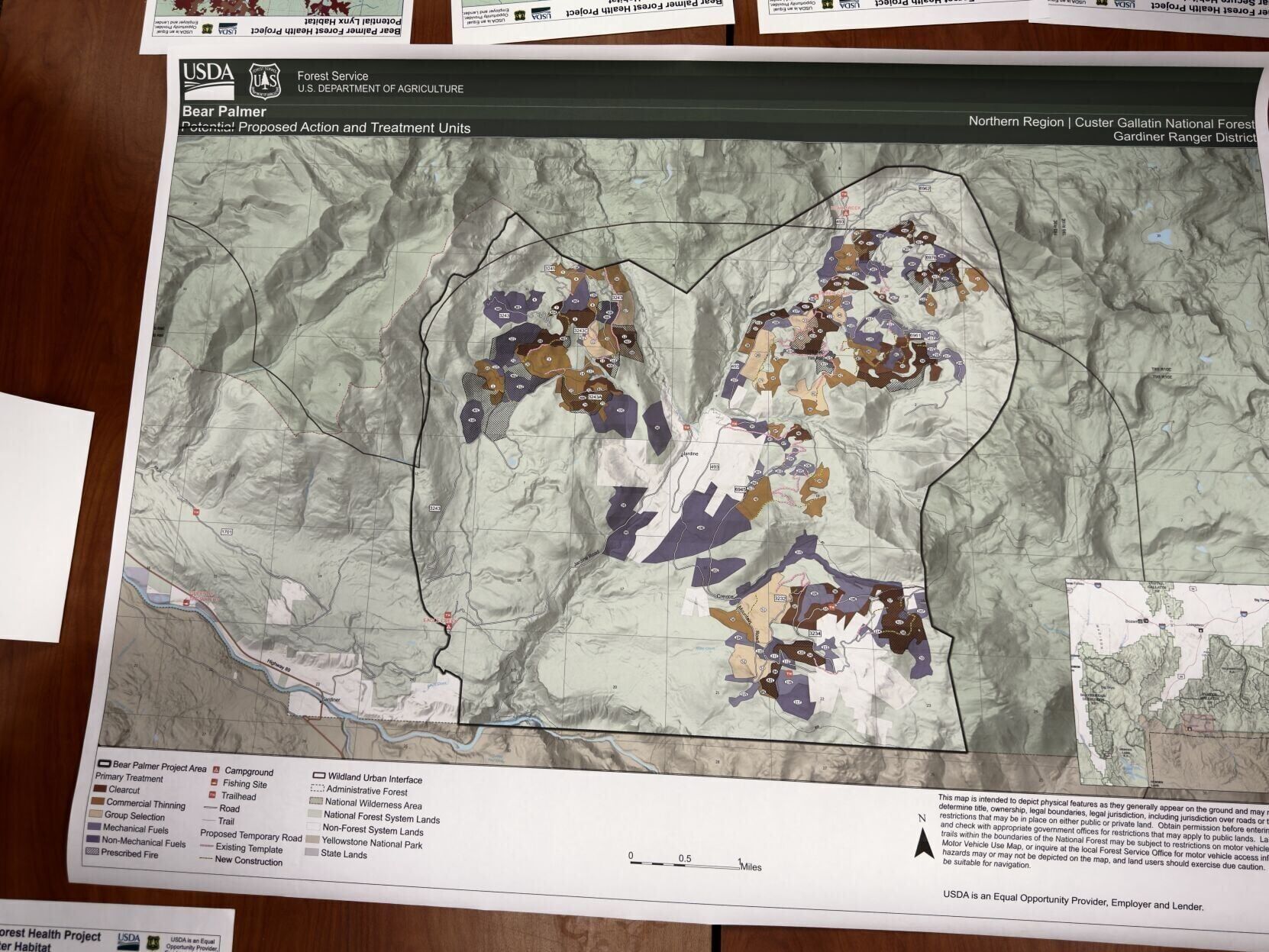
To address this, the Bear Palmer Forest Health Project would implement a mix of commercial and non-commercial treatments.
The proposal includes commercial clear-cutting on 824 acres. Categorized as a regeneration harvest method, the treatment is designed to “improve conditions for successfully establishing a new cohort of trees.”
Additionally, 802 acres would be commercially thinned. According to the document, the objective of this treatment type is to reduce stand density, reduce natural fuels, improve growth, and enhance forest health.
Group selection — the removal of small clusters of trees to create canopy openings and facilitate forest regeneration — is the final commercial treatment included. About 500 acres would undergo group selection.
For non-commercial treatments, the preliminary effects document proposes mechanical fuels reduction on 565 acres, non-mechanical fuels reduction on 1,477 acres, and prescribed fire as a primary treatment on 263 acres and a secondary treatment on 992 acres. These treatments are designed to “address non-merchantable and downed trees to remove potential fuels” from the units.
In addition to commercial and non-commercial treatments, the proposal calls for 16.9 miles of temporary roads to facilitate operations.
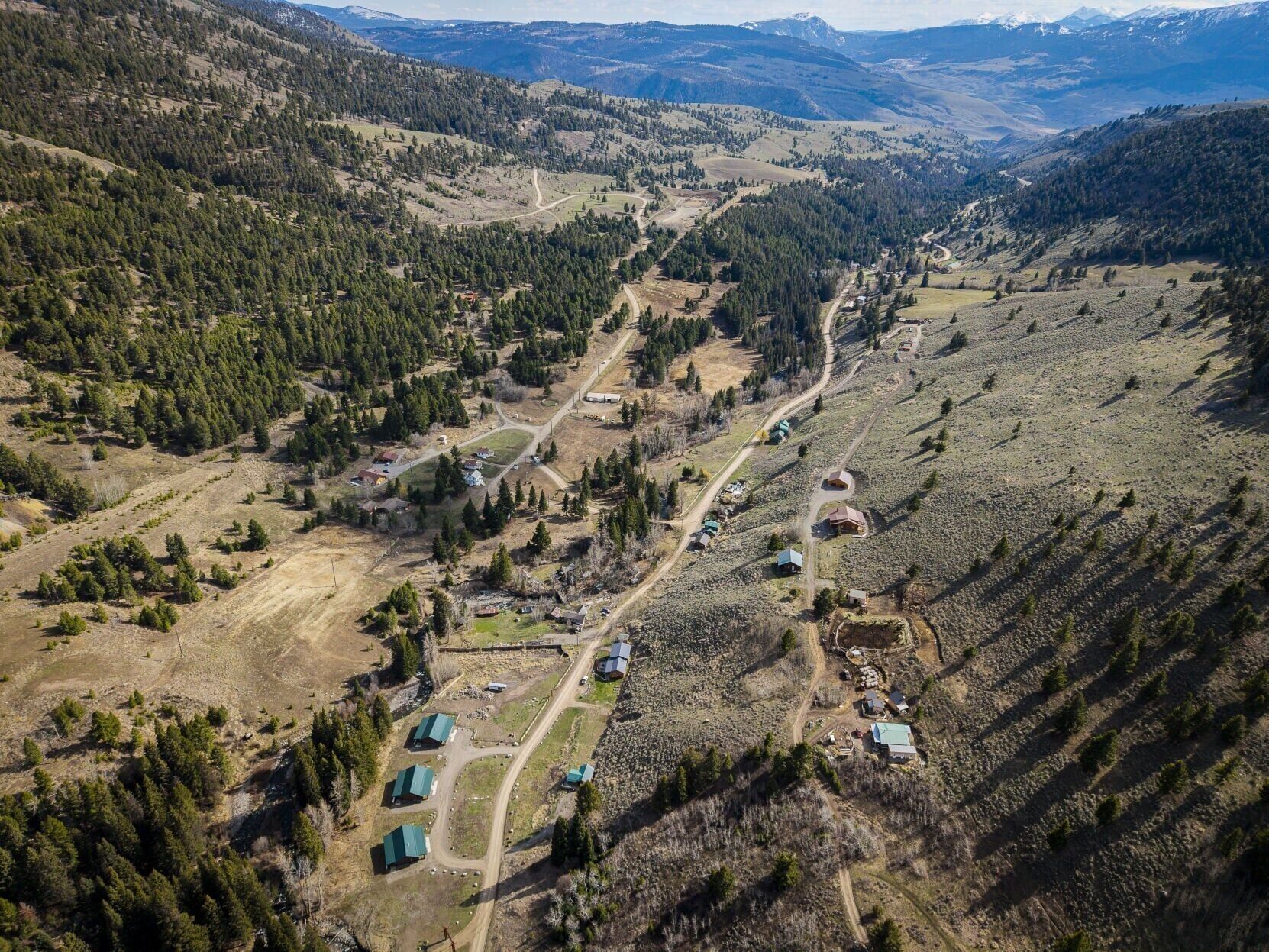
Community members at the meeting expressed concern about the impact increased heavy traffic would have on Jardine Road, a county-managed gravel road that serves as the only access route into Jardine. Forest Service representatives said they would work with the county to maintain the road.
“I left the meeting feeling frustrated,” long-time Jardine resident George Bumann said. “I honor the Forest Service employees and deeply respect and appreciate that they even do this because I’m sure they’re getting flak from up above.”
Bumann has lived in Jardine for 25 years. With a bachelor’s and master’s degrees in wildlife ecology, as well as experience working as a wildlife researcher and backcountry guide, he describes himself as a “lifelong observer of nature.”
During the meeting, Bumann raised questions about the motivations behind the project, the Forest Service’s ability to properly manage the treatments, and the research behind determining treatment types.
“To me, this is not serving the best and highest interests of the forest in this landscape,” he said.
Despite opposing the project as a whole, Bumann did commend the Forest Service’s efforts to support quaking aspen populations and the time representatives were taking to conduct conversations with the community.
Other meeting attendees came out in support of the project.
“I’m more in favor of the project than I am against it, because I don’t want a wildfire roaring down through here and burning my house down,” said Joel Byrd, a Jardine resident of 23 years.
Byrd said he came to the meeting to learn more about the project and understand the various treatment methods the Forest Service was proposing.
According to the preliminary effects document, more than 99% of the Bear Palmer project proposed treatments are within the wildland urban interface, rendering Jardine an “at-risk community” “because it consists of a group of homes or other structures ... adjacent to federal land, that has conditions and values at high risk for wildfire and significant threats to life and property.”
Quintin Woirhaye, resource manager for Sun Mountain Lumber in Livingston, attended the meeting as a party interested in the lumber sale that would result from the commercial treatments. He is confident the project will move forward.
“It’s the closest project to the mill in a long time, and hauling lumber is one of the biggest costs for us,” Woirhaye said.
In the early 2000s, the Darroch Eagle Sale saw the removal of 2.9 million board feet from 195 acres in the Jardine area. No other timber sale has happened in Jardine since.
The 30-day public comment period on the Bear Palmer project will close at midnight May 11.
The Forest Service anticipates producing a final Environmental Assessment and decision in October. Public comments made through the Forest Service’s electronic portal will be taking into consideration for the final Environmental Assessment, under the National Environmental Policy Act.
After leaving the meeting Bumann said he was not optimistic public comments would have the standing to stall the project.
“When you hear silence in nature, it tells you something’s wrong,” Bumann said. “It might be a bobcat walking through a drainage, and the silence follows. But when you hear a whole landscape go silent, for no other reason than it’s changed so dramatically, that’s bad. No birds singing, no crickets, no grasshoppers.
“If they burn some of those patches, that’s exactly how things are going to be.”



Comments ()