
Food scholarship cut to promote equitable programs
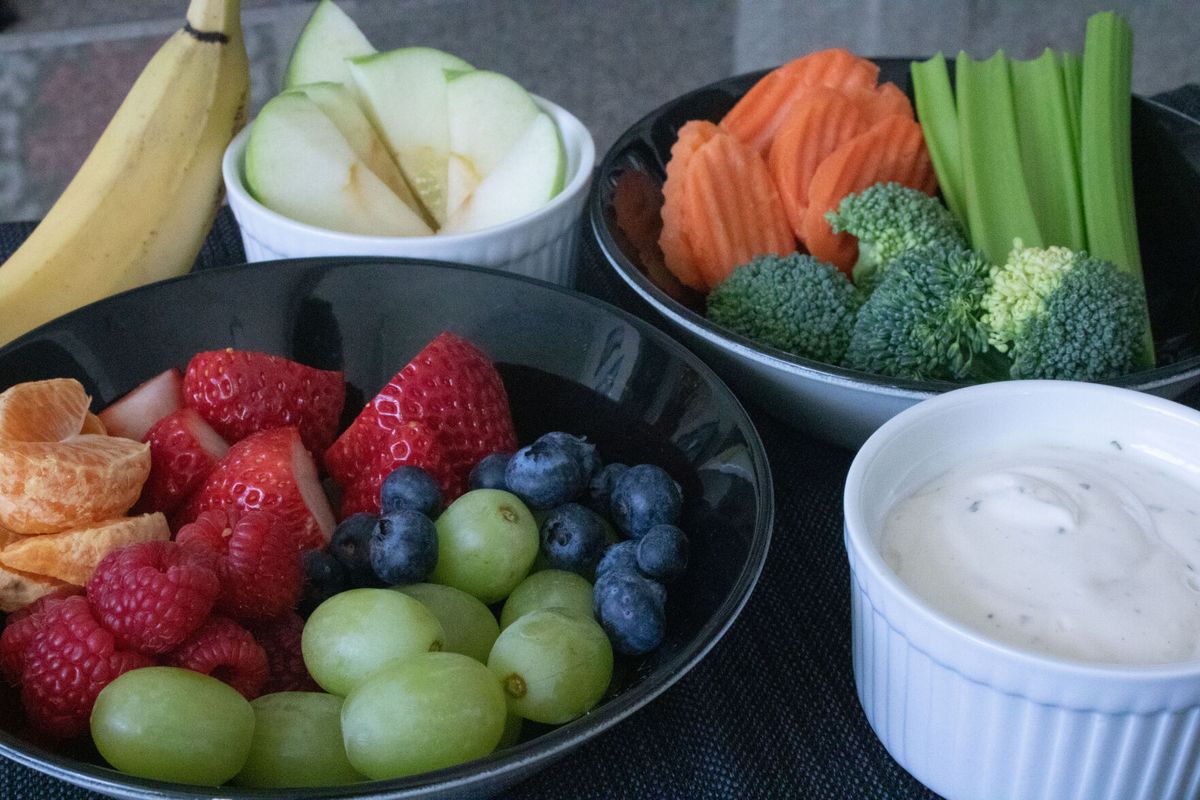
This semester, MSU discontinued its Food Security Scholarship (FSS) — a program designed to assist students with meal access on campus by providing 25 free meal swipes to recipients — to focus on more equitable programs.
The FSS previously provided eligible students with a limited commuter meal plan. "It used to be a scholarship that was funded by the colleges," said Marguerite Kibodeaux, the basic needs coordinator for the Basic Needs Program (BNP). The BNP is part of MSU’s office of Health Promotion and provides supplemental and emergency food assistance, according to its website.
Though the FSS was previously part of MSU’s BNP, it was organized by the specific college that eligible students were enrolled in. "Those colleges would give a financial aid scholarship to those students for a 25-meal commuter meal plan to the dining halls," Kibodeaux said.
"One of the really big problems on a student-facing side of the FSS is that they weren’t equitable," Kibodeaux said. According to her, students in smaller colleges who were eligible to receive the FSS did not because of unbalanced fund allocation.
“There were students who were severely food insecure that were falling through the cracks because they were in a smaller college that had less funding to give,” she said.
University spokesperson Michael Becker explained that, after taking a look at the program in order to find the best way to help students, the University decided to put funding towards purchasing food for the Bounty of the Bridgers (BOB) food pantry, a program that provides free food to MSU students and is located in the Student Wellness Center (SWC).
“The goal is to, rather than buy a few meals for a few students, get students involved in the wider array of support services available through [the BOB] and to have programming and support that help address the root causes of the food insecurity a student is facing,” he said.
Kibodeaux shared that, by discontinuing the scholarship, MSU has chosen to reallocate efforts toward other food security initiatives. "There are other great programs that are more equitable, and by choosing to suspend this one, we’re able to shift our focus over to more of that kind of work," Kibodeaux said.
"All of this has been expansions from our previous hours, and we have employed double the student staff," Kibodeaux said. "It is evidence of our decision to pause this inequitable system, which also did not provide any sort of food literacy support, and shift over towards thinking, how do we invest in food security options that are working really well."
Despite the scholarship’s end, students who previously received the aid were not affected mid-semester. "The students that received the scholarship last semester didn’t get it yanked away," Kibodeaux said.
According to her, the scholarship was not offered to any new applicants this semester, so there was no one to notify about its termination. “I know that this is a weird thing, especially since we elected not to shout it from the rooftops that we were canceling it,” she said.
“There are no plans to bring back the food security scholarships in the future,” said Becker when asked whether the FSS would return in future semesters.“I hope that the options that we do provide within food security right now are great resources for students,” said Kibodeaux when asked the same question.
For students who had planned to apply for the FSS, Kibodeaux stated that alternative resources are available on campus, one of which is the BOB’s Saturday Pop-Up Pantry (SPUP).
“Our student employees go around and rescue food from three different grocery stores on Saturday mornings, and they bring it to family and graduate housing where they distribute it to students,” Kibodeaux said.
MSU BOB employee Jackie Cox explained that the pantry is in high demand and because it’s first come first serve, students should try to get there a little early. “If the pantry is not open, we will post it on Instagram,@msu.food.pantry,” Cox said.
According to Kibodeaux, another resource for those experiencing food insecurity is the Supplemental Nutrition Assistance Program (SNAP).
To learn more about the SNAP program check out https://www.fns.usda.gov/snap/supplemental-nutrition-assistance-program.
The BOB is open Monday through Friday from 12-6 p.m in the SWC. The Saturday Pop-Up Pantry is held in the Julia Martin Apartments Unit 101 from 1 to 3 p.m.

Comments ()