
Freshman Orientation Lacks Substance
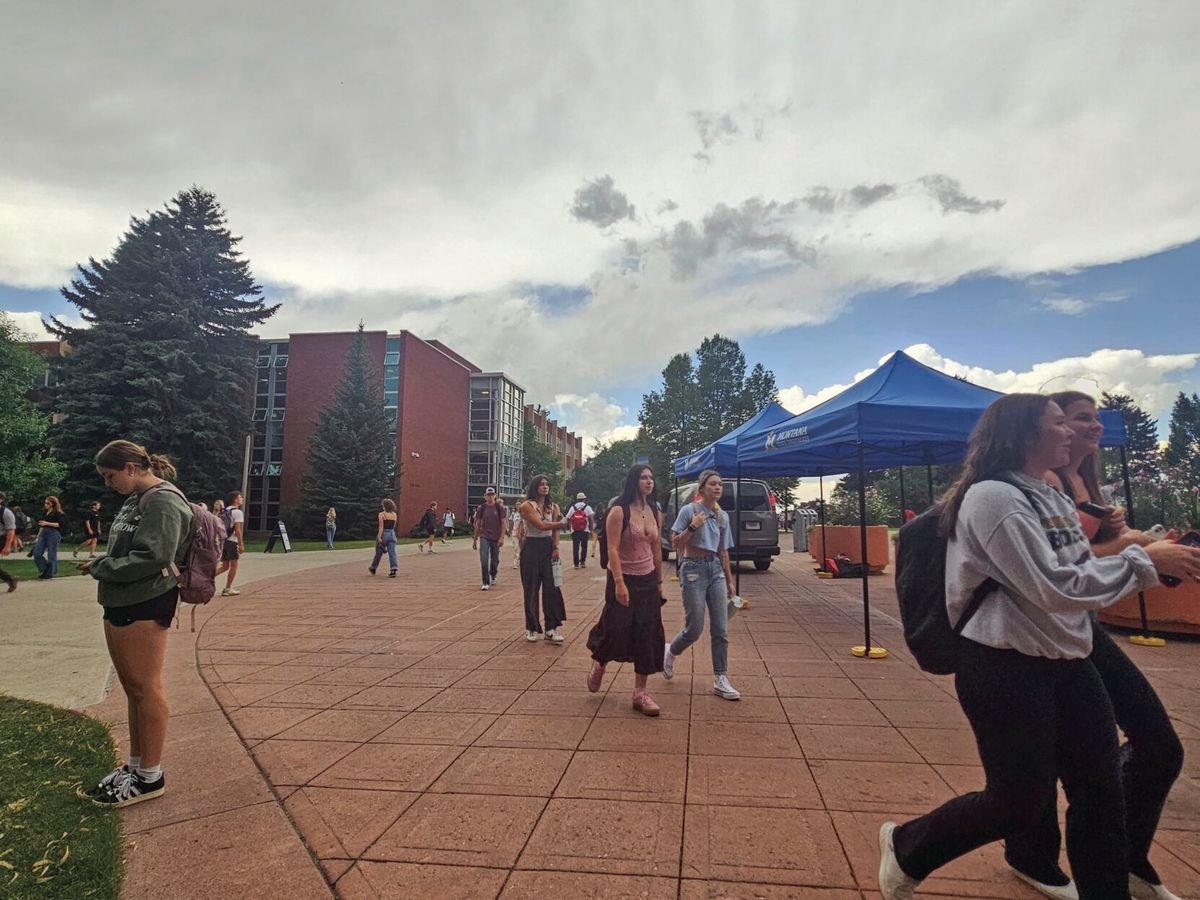
Freshman enrollment at MSU last fall sat at 4,650 students, one of the highest numbers in the past ten years, according to the MSU website. Enrollment for the class of 2028 is expected to maintain this trajectory. The freshmen who wander through the dining halls, sit in lectures and roam the campus reflect the excessive time and effort MSU invests in recruitment — including the summer orientation sessions for incoming students.
According to the MSU website, “Orientation/Class Registration is required for all incoming students” and includes opportunities for students to “learn how to successfully transition to life at MSU,” “connect with other incoming Bobcats” and “register for semester courses.” While the high enrollment numbers this semester may seem like a testament to the success of the summer orientation sessions, many incoming freshmen decided to come to MSU in spite of their orientation experience, not because of it.
Even though my orientation was over a year ago, it is still very fresh in my mind as one of the worst experiences I’ve had so far during my time at MSU. Each day was more tiring and excruciatingly boring than the last. I spoke to current freshmen to see if things had changed much in the past year, as new students seem to be just as jaded as I was. Indeed, there was a common thread of overwhelming disappointment with orientation.
Summer Palmer, a freshman majoring in psychology, went to the fourth orientation session in late August. She described her experience as a “boring, useless waste of time.” This sentiment reflects a broader concern that informational presentations during orientation miss the mark. While it was clear to me that during my orientation, leaders and speakers put a good deal of effort into making presentations more fun by including opportunities for student participation, the information they chose to share was not largely pertinent to the group.
Many students reported feeling disconnected from the content presented during orientation. It seems the sessions often lack relevance to the diverse backgrounds and needs of the incoming class. For example, students who are already familiar with Bozeman or who have previous experience navigating university systems find themselves sitting through presentations that offer little new or useful information. Rather than tailoring the sessions to address the varying levels of prior knowledge and specific concerns of different groups, the orientation adopts a one-size-fits-all approach that leaves many students feeling alienated and disengaged. This broad-brush strategy might be efficient for the university, but it fails to make the experience meaningful or valuable for a significant portion of freshmen.
Tucker Hall, a freshman majoring in applied math, attended the first orientation session in June. When asked about his experience, he said there were “things that I wish I could’ve skipped, like the Best of Bozeman presentation, which was telling me about a town that I already live in.” As someone also from Bozeman, I agree.
“The main thing I remember they taught us was how to confirm our bill. That’s my one takeaway from that, [because] I guess they really need the money,” Hall said.
Info sessions like "The Best of Bozeman" or lengthy explanations of billing procedures might be informative in theory, but in practice they fail to address the immediate needs of students adjusting to college life.
What students really want are sessions that help them navigate the realities of academic pressure, social integration and campus resources — information that would make their transition to university smoother and more meaningful. Instead, the current orientation program leaves many feeling that their time could have been better spent elsewhere.
“Pretty much everyone that I talk to would skip parts of it or they would talk about how it was useless,” Palmer said.
I too was guilty of this, sneaking away from the group to go back and sleep, feeling the exhaustion of three days with no downtime. The lack of engaging content combined with the overwhelming schedule left us feeling drained and unmotivated to participate. Instead of building excitement for the year ahead, orientation felt more like an endurance test, pushing many of us to opt out rather than engage fully.
Orientation fails to fulfill the expectations of incoming students, time and again. If MSU wants to maintain its strong enrollment numbers, it may be time to rethink how it welcomes new students — starting with an orientation experience that truly lives up to their expectations.
Comments ()