
FWP commission OKs plan to suppress non-native, hybridized trout in lower Clark Fork
The Montana Fish and Wildlife Commission approved a proposal on Friday to suppress non-native and hybrid trout in the East Fork Bull River.
The commission is a seven-member board of governor appointees who voted unanimously in favor of the proposal. The commission works with Montana Fish, Wildlife and Parks to create policies and regulations, and provide oversight, often with guidance from biologists and other experts at the Department of Fish, Wildlife and Parks.
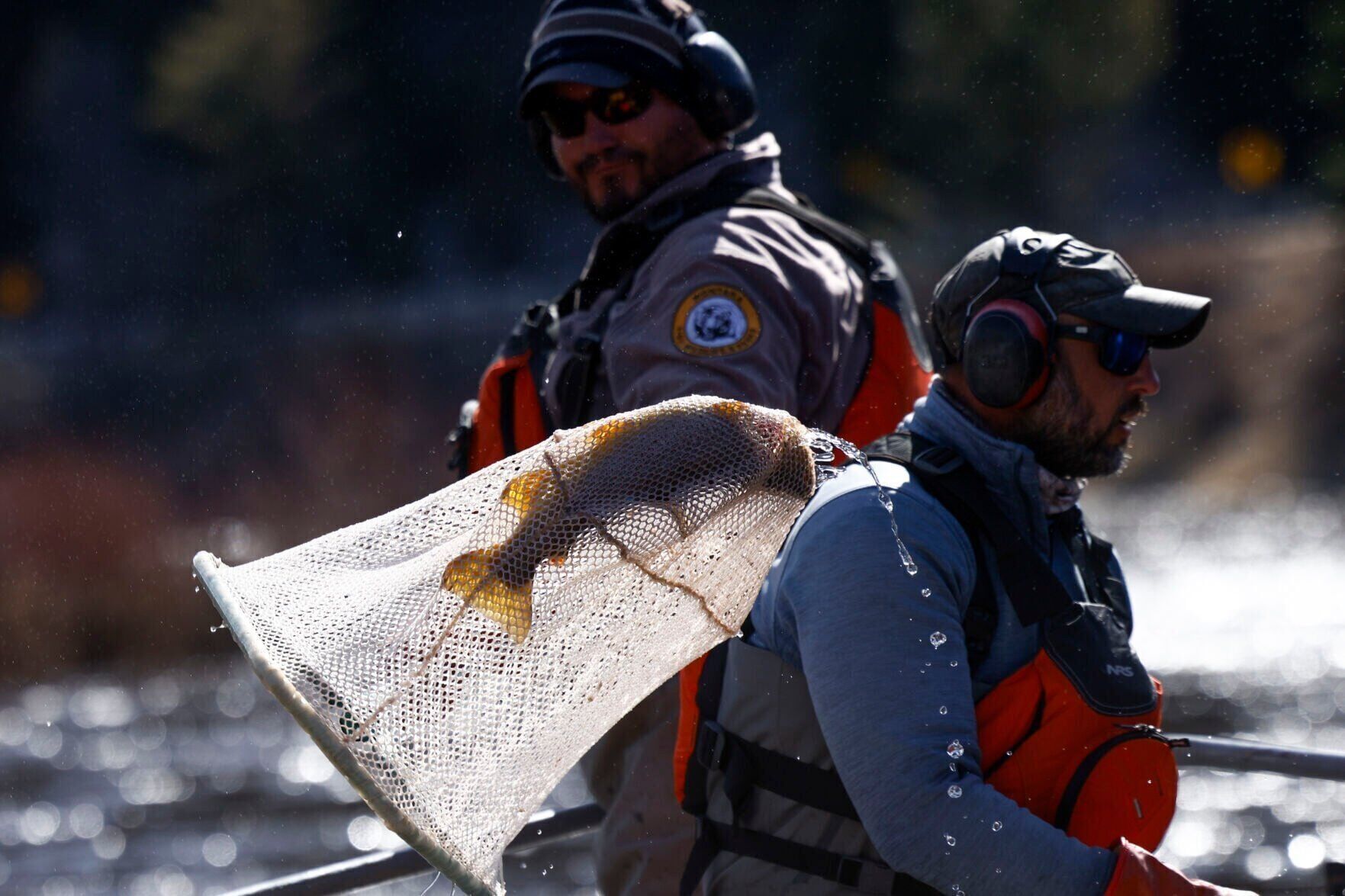
The plan, approved during a commission meeting on Friday, will address increasing hybridization and competition affecting native bull trout and westslope cutthroat trout, according to the proposal. The project will target non-native species including brown, brook, rainbow, and hybrid cutthroat-rainbow trout for removal through electrofishing.
Electrofishing is accomplished by creating an electric field used to stun and capture fish, according to previous Missoulian reporting. When trout encounter the electric field, their muscles contract which draws them toward it and allows fish to be easily captured. It is typically unharmful to the trout.
The Bull River drainage is currently the only remaining open system where non-hybridized cutthroat is widespread, according to the proposal. The Bull River also supports the only remaining migratory population of cutthroat in the lower Clark Fork River.
The East Fork Bull River holds the only remaining bull trout population in the Bull River drainage and is one of three Montana lower Clark Fork River tributaries that still contain meaningful numbers of adfluvial bull trout, meaning fish that migrate from small rivers to lakes, according to the proposal.
Electrofishing will take place July through November and may take up to five years, according to Fish Management Bureau Chief Andrew Gilham. In 2007 through 2009, non-native fish suppression in the lower East Fork Bull River resulted in around a 70% reduction of non-native trout.
The project will piggyback on the electrofishing and weir trapping that is used to move bull trout below Thompson Falls. Non-native fish that are trapped during the process will be relocated to Triangle Pond for anglers, according to Gilham. He is currently unaware of any regulation changes for fishing within the drainage, he said.
The project is paid for by the energy company Avista, under a management agreement that covers impacts on federally threatened bull trout, according to a management agreement with Montana FWP. Avista has been managing hydroelectric facilities along the Clark Fork for over 70 years, including the Noxon and Cabinet Gorge dams, according to the Avista website.
Jeffrey Lukas, lobbyist for Trout Unlimited and Montana Trout Unlimited, who supported the proposal during the commission meeting, said bull trout and cutthroat populations exist in less than 60% of their original range in Montana.
“We understand the difficult nature of fully removing competing and hybridizing non-native trout in any drainage,” Lukas said. “But we believe it is a worthwhile effort to support existing bull and cutthroat trout in the East Fork of Bull River.”



Comments ()