
Gianforte: Leveraging the support from Trump, other Republicans for Montana mining is key
Critical minerals supply a true 'crisis' in the U.S. or overstated?
Gov. Greg Gianforte preached to the choir Wednesday morning and the choir preached back.
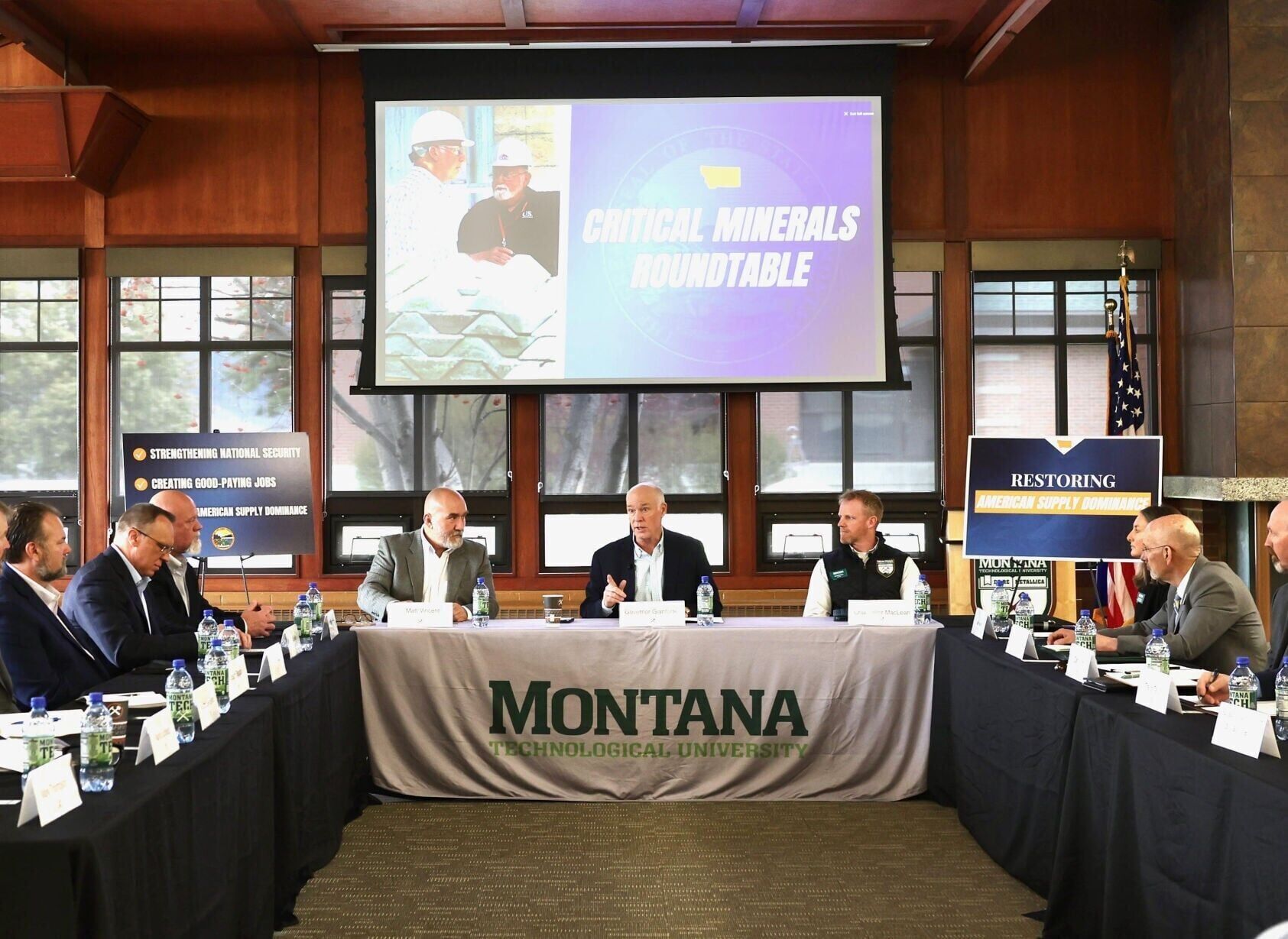
Gianforte hosted a roundtable discussion at Montana Tech about critical minerals.
Johnny MacLean, the university’s chancellor, emphasized a point frequently made in recent years — that establishing a reliable domestic source of critical minerals and the means to process them is a matter of national security.
“We are at a watershed moment in our country’s history,” he said.
MacLean said two factors limiting the nation’s advance in the world economy are an insecure supply chain for critical minerals and challenges with energy generation and transmission.
The 15 people who joined the Gianforte-led discussion also included Matt Vincent, executive director of the Montana Mining Association, along with representatives from mining or exploration projects, academics staff from Montana Tech and representatives from state agencies.
Vincent, Gianforte and others mentioned the support of the Trump administration and current congressional delegation for the domestic mining and processing of critical minerals.
“How can we align ourselves with what is going on there?” Vincent said.
Gianforte added, “How do we leverage this opportunity for our economy, national security [and mine responsibly]?”
Vincent described Montana Tech as a key resource — not only for research and development but for workforce preparation.
Goosing permitting
The governor received feedback from representatives of mining and exploration projects who hit notes from the same hymnal — insisting the state permitting and regulatory process needs streamlining.
A few roundtable participants cited workforce challenges.
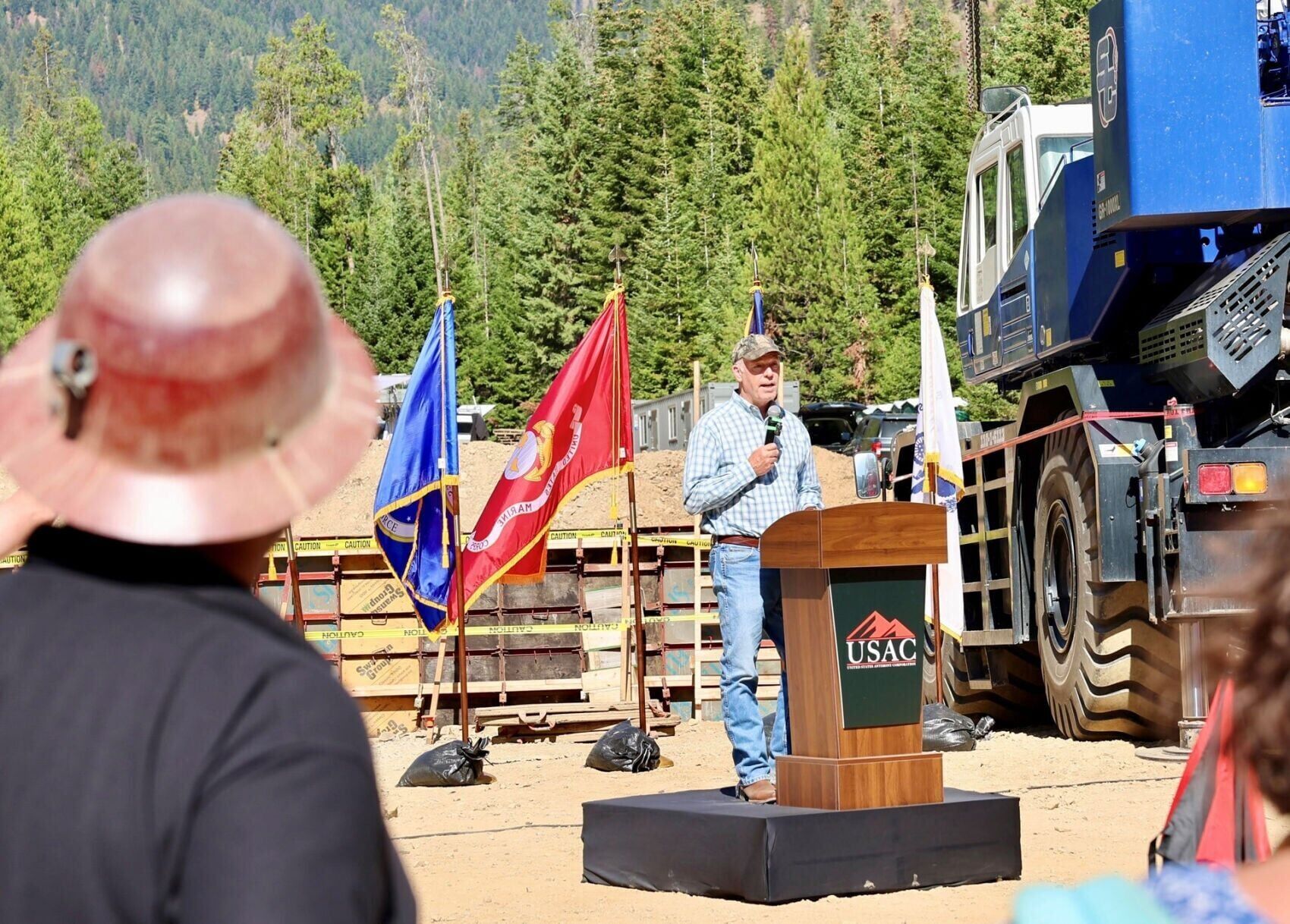
One was Aaron Tenesch of U.S. Antimony Corp., which operates a smelter near Thompson Falls.
He described a need for field geologists.
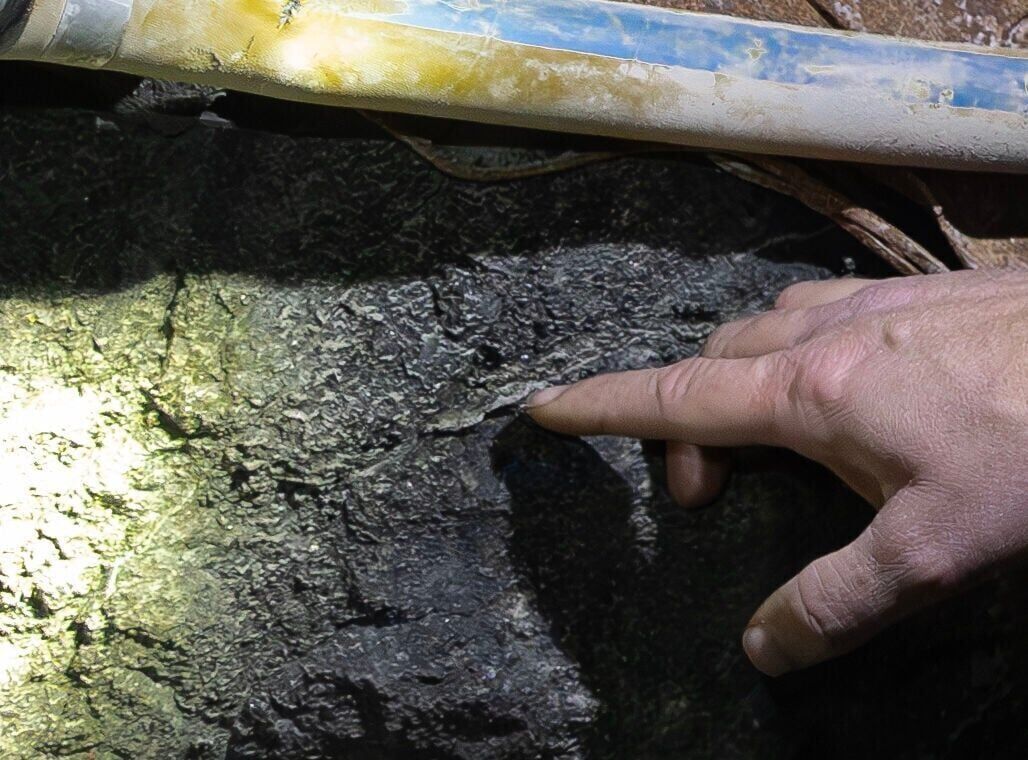
“We need more people wandering around looking at rocks,” Tenesch said. “Maybe we’re missing a mentoring step.”
Tenesch said the mining industry also seems to need people who “understand how to fluidly communicate and work with permitting to make sure we don’t have mistakes, we don’t have misses.”
His comments stirred discussion of possibly creating a digital geology class for high school students, with Montana Tech faculty as a resource.
Doug Stiles, a representative of the proposed Blue Copper exploration project about 30 miles west of Helena in the Helena-Lewis and Clark National Forest, told fellow panelists that the federal FAST-41 process could play a role in accelerating environmental reviews and permitting.
FAST-41, a reference to Title 41 of the Fixing America's Surface Transportation Act, is a federal program designed to improve the timeliness, predictability and transparency of environmental reviews for major projects.
Stiles wondered whether the state could adopt a similar approach to permitting. He said the Blue Copper project has significant responsibilities.
“We have an obligation to demonstrate that it can be done correctly,” he said. “We have an obligation to be very transparent on the facts and ensure we’re doing everything we can to support the agencies.”
Blue Copper’s target minerals include copper, tungsten, zinc, gallium and germanium.
DEQ staffing
Krista Lee Evans represented Sentinel Metals, which hopes to drill on private land east of Lincoln to explore for gold and silver.
“The litigation challenges are real and they’re overwhelming, and I think it impacts the ability and likelihood of outside investment to come into Montana,” Evans said.
She also encouraged Gianforte to ensure the Montana Department of Environmental Quality staff receives adequate support as the agency processes permit applications and completes environmental reviews.
“They're busting it as hard and as fast as they can,” Evans said. “You know, my ask to the governor's office and others is to just make sure that DEQ has the support that they need, whether that be increased staff, whether that means the ability to provide project managers like we spoke about earlier, or potentially contracts. Just so that those people who are so good at their jobs are not burned out, and we're training brand new people.”
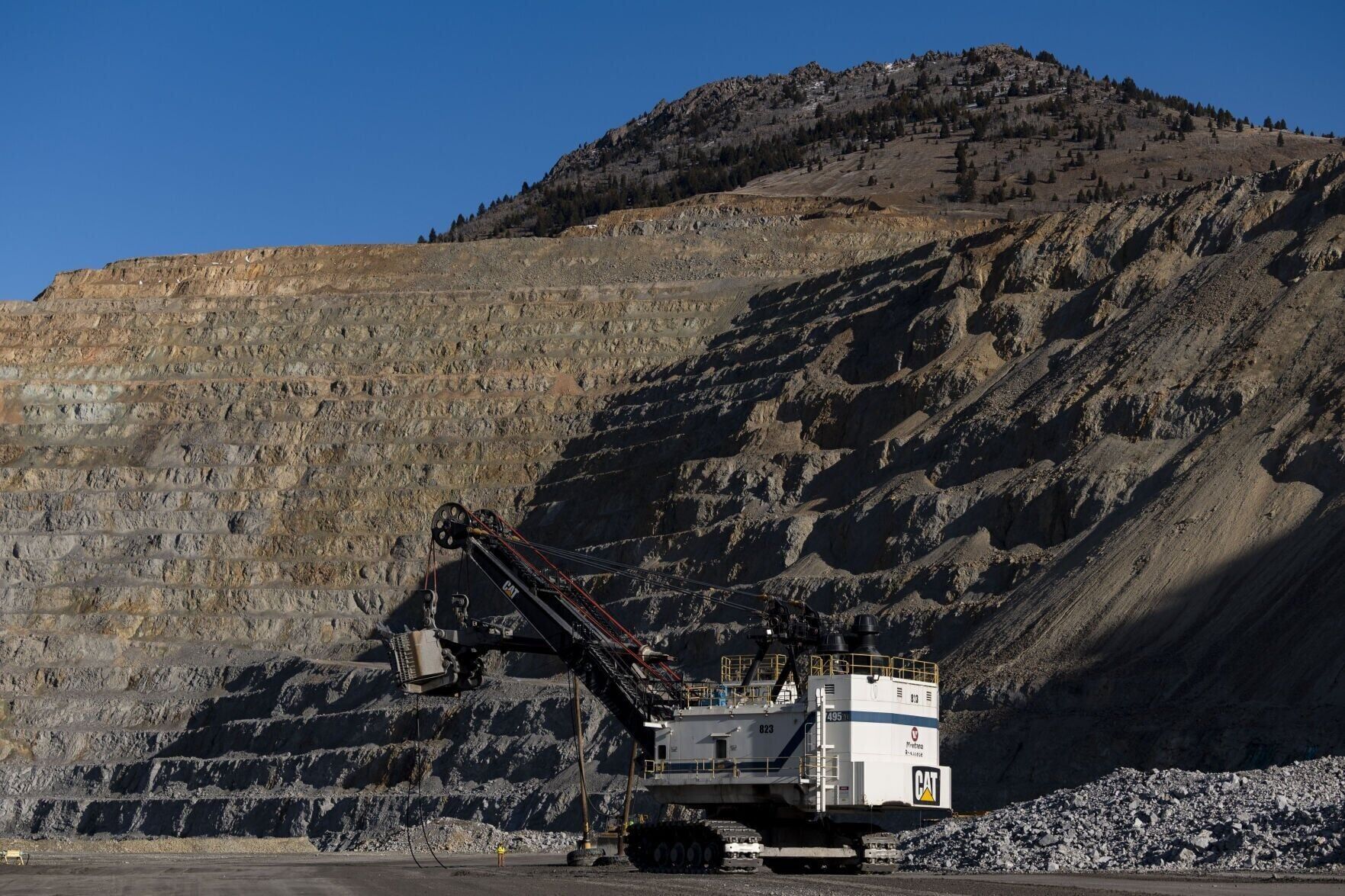
Mark Thompson of Montana Resources and others said modern mining should not be judged by the mistakes of the previous century.
Gianforte agreed.
“We can develop our natural resources and protect the environment,” he said. These things are not mutually exclusive, and we need to do both.”
Trumped up?
Not everyone shares that confidence as the Trump administration, Gianforte, academics and others describe the big push for mining and processing critical minerals as an issue of national security.
Derf Johnson, deputy director of the Montana Environmental Information Center, offered an alternative view in a Wednesday email.
“It's no surprise that the mining industry has dramatically overstated the potential demand for critical minerals,” Johnson said. “Yes, we need minerals, and there are many ways to supply them, such as recycling and non-traditional feedstocks. These sourcing practices are far less destructive and costly than mining, and we support them as the best option.”
Non-traditional feedstocks for critical minerals can include, but are not limited to, waste rock, tailings, produced water from oil and gas, coal refuse, coal ash, coal-mine drainage, acid-mine drainage and electronics waste.
“The mining industry has used a largely contrived ‘crisis’ over the need for minerals as an excuse to open new mines in sensitive areas and eliminate reasonable environmental safeguards,” Johnson said. “This is reckless. As the world warms and Montana experiences more droughts, heatwaves and fewer water resources, clean water and wild lands also become incredibly critical.
“If we source critical minerals in a way that damages our environment to facilitate the clean energy transition, we do a disservice to future generations and environmental and community health,” he said.
Critical minerals
The U.S. Geological Survey describes critical minerals as “minerals vital to the U.S. economy and national security that face potential risks from disrupted supply chains.” The 60 minerals listed by USGS range from aluminum and antimony to zinc and zirconium.
Separately, according to USGS, “rare earth elements [are] a subset of critical minerals whose supply disruption would impose the highest cost on the U.S. economy, which are essential to technologies like smartphones, hard drives, and advanced defense systems. In 2024, the U.S. imported 80% of the rare earth elements it used.”
Processed critical minerals underpin critical military and economic applications, according to the U.S. Secretary of Commerce.
Gianforte and the panel heard also from Nancy Schlepp of the Sandfire Black Butte Copper Project north of White Sulphur Springs; Heather McDowell of the Sibayne-Stillwater palladium mine; Jason Quigley of Golden Sunlight Mine; and Guillaume Wiesenbach de Lamaziere of the Almonty Industries Gentung Tungsten Project in Beaverhead County.
Almonty recently announced it is relocating its corporate headquarters from Toronto to Dillon.
Other participants included Dan Walsh of DEQ and Trevor Taylor of the Department of Natural Resources and Conservation.
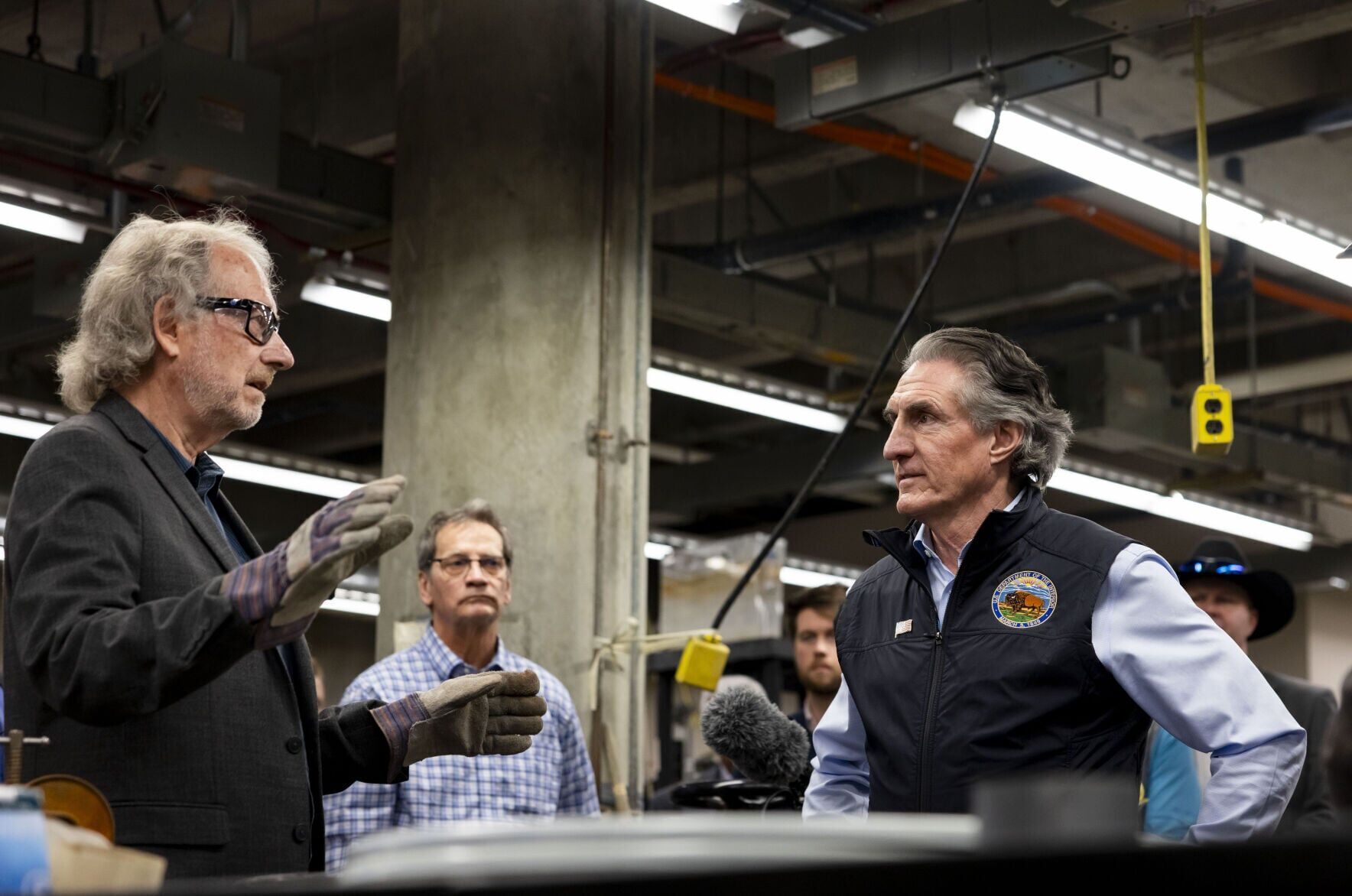
Doug Burgum, Secretary of the Interior, convened a similar roundtable at Montana Tech in late February. He was joined by U.S. Rep. Ryan Zinke, R-Montana.
“We can’t have peace abroad and stability in the world, and we can’t have prosperity and affordability here at home, if we don’t have control of our supply chains around critical and rare minerals,” Burgum said then.
A news release in early April from Zinke’s office reported he had requested $15 million in federal funding to support research at Montana Tech to develop ways to extract critical minerals from ores and mining wastes.



Comments ()