
Good Medicine: New clinic and community space to offer culturally grounded care
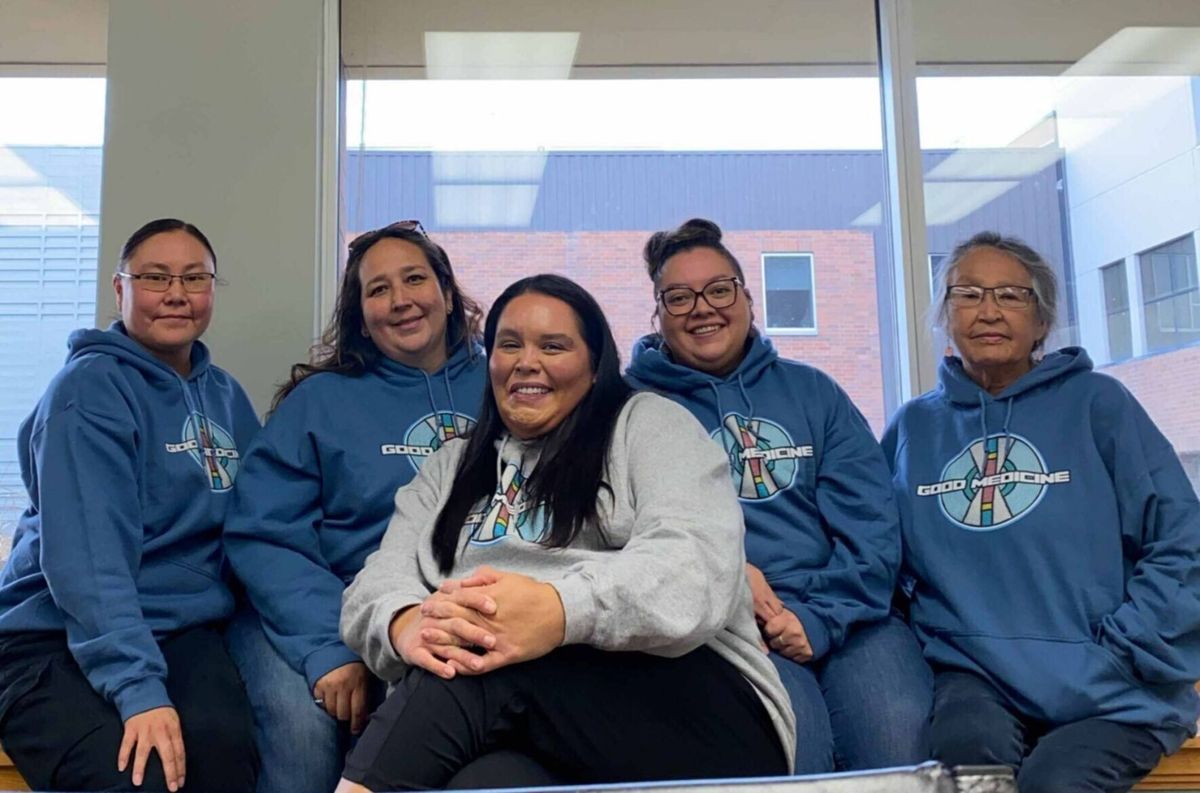
Peri Bauerle O’Haire is the latest in a family line dedicated to breaking ground for Bozeman’s American Indian population. Her grandfather launched the Native American Studies program at Montana State University, and her mother kicked off the first college powwow.
This winter, as founding executive director of Good Medicine Wellness Center, Bauerle O’Haire will open the city’s first health clinic built for American Indians living off-reservation.
“Culturally appropriate care in this valley is something that’s not there,” Bauerle O’Haire said. “When people in this community go to a mental health provider, they spend the first four visits explaining about themselves to their mental health practitioner. They’re paying to teach someone about their culture instead of being able to go in and get the help that they need.”
For Native people, culturally appropriate care means seeing a practitioner who understands how history shapes health, and who treats a patient’s cultural identity as foundational to their care rather than irrelevant to it. Nearly half of Montana’s tribal citizens live off-reservation and far from Indian Health Service (IHS) clinics, and all but one major city have an Urban Indian Health Clinic to try to fill the gap.
“Bozeman falls outside of the jurisdiction for any Indian Health Service clinic,” Bauerle O’Haire said. “We’re the only major city in the state that does not have an Urban Indian Health Clinic.”
To address this gap, the Billings-based Native American Development Corporation (NADC) commissioned a feasibility study in 2023 to determine whether an urban Indian health clinic could be viable in Bozeman.
The findings were stark. While IHS clinics have long struggled with underfunding and a fraught history, Bozeman’s Native residents reported that being located 170 miles away from the nearest facility created a lofty barrier to getting care.
“Consultants heard from more than one individual that they would rather drive several hours to receive culturally competent, if clinically subpar, care from a white doctor at an Indian Health clinic than to pursue care from one of the white clinics in Bozeman,” the study states.
Having grown up in Bozeman, Bauerle O’Haire said the findings of the feasibility study were not news to her.
Gauging the size of Bozeman’s Native population is complicated, the study notes. The Census puts American Indians at roughly 0.9% of the city’s population, though MSU separately logs around 800 students who identify as Native. Either way, Bauerle O’Haire said, those numbers translate to an emotional burden when seeking care in a city where Native residents are so rarely reflected in the healthcare spaces around them.
“When you walk into an office and see someone that looks like you, you automatically know that you can talk to them differently than you would somebody else,” Bauerle O’Haire said. “The feeling of comfort there is better.”
Bauerle O’Haire was among the advisory team guiding the study, and the relationships she built there would become the foundation for Good Medicine’s board of directors. All of the board members are women, representing different tribal nations across Montana.
“Most of us are mothers,” Bauerle O’Haire said. “So very strong, ‘get it done’ attitude.”
That shared maternal perspective also underscores why a dedicated, safe space is so critical. Native women in the United States have been subjected to a long history of forced sterilization, with the IHS itself estimated to have sterilized up to 50% of Native women during the 1970s.
Ni’Cole Triplett, a Blackfeet citizen and board member, said that history still shadows the experiences of Native women seeking reproductive or maternal care today. She felt it herself delivering her children at Bozeman Health.
“There was a little bit of, like, apprehension,” Triplett said. “I had an incredible doctor. They were wonderful, but there is that level of hesitation because you know what can happen. It’s in the back of your mind constantly.”
Triplett is a certified Indigenous doula, and the center plans to eventually incorporate her expertise to offer culturally grounded maternal care. But the study’s most urgent finding pointed to mental health, with 60% of Gallatin Valley Native respondents reporting feelings of depression or hopelessness.
“We’re working on getting all those first touch programs down,” Triplett said. “So we’re going to be starting with tele-mental health.”
From there, the clinic aims to expand into in-person sessions and primary care services within its first year. In the meantime, Good Medicine will also work to fill a different kind of gap, functioning as a gathering space for a community that does not have one in Bozeman by hosting Indigenous-specific events such as parenting classes and beading nights alongside its clinical work.
That void in intentionally Indigenous spaces was glaring to Triplett when she moved to Bozeman from Billings in 2020, a city with an established urban Native community and the organizations and gathering spaces to match.
“When I moved here, I was kind of hanging out in outer space by myself,” Triplett said.
Also having grown up on the Blackfeet Reservation, Triplett understands first-hand the culture shock and isolation people can experience when moving from the tight-knit tribal community to a city.
“Back home, we’ve got a support system in place culturally,” Triplett said. “Then, if you’re in the urban setting, you don’t have that, and it makes it really hard.”
She and Bauerle O’Haire hope to emulate that missing sense of community while helping local residents navigate existing resources in the valley, from behavioral health to housing and food assistance.
“Natives maybe don’t feel comfortable going to those places, just the fear of being treated differently,” Bauerle O’Haire said. “Racism is rampant everywhere.”
Good Medicine, they hope, can be that bridge between Bozeman’s Native residents and the care they need. Already, the broader community is willing to meet them there.
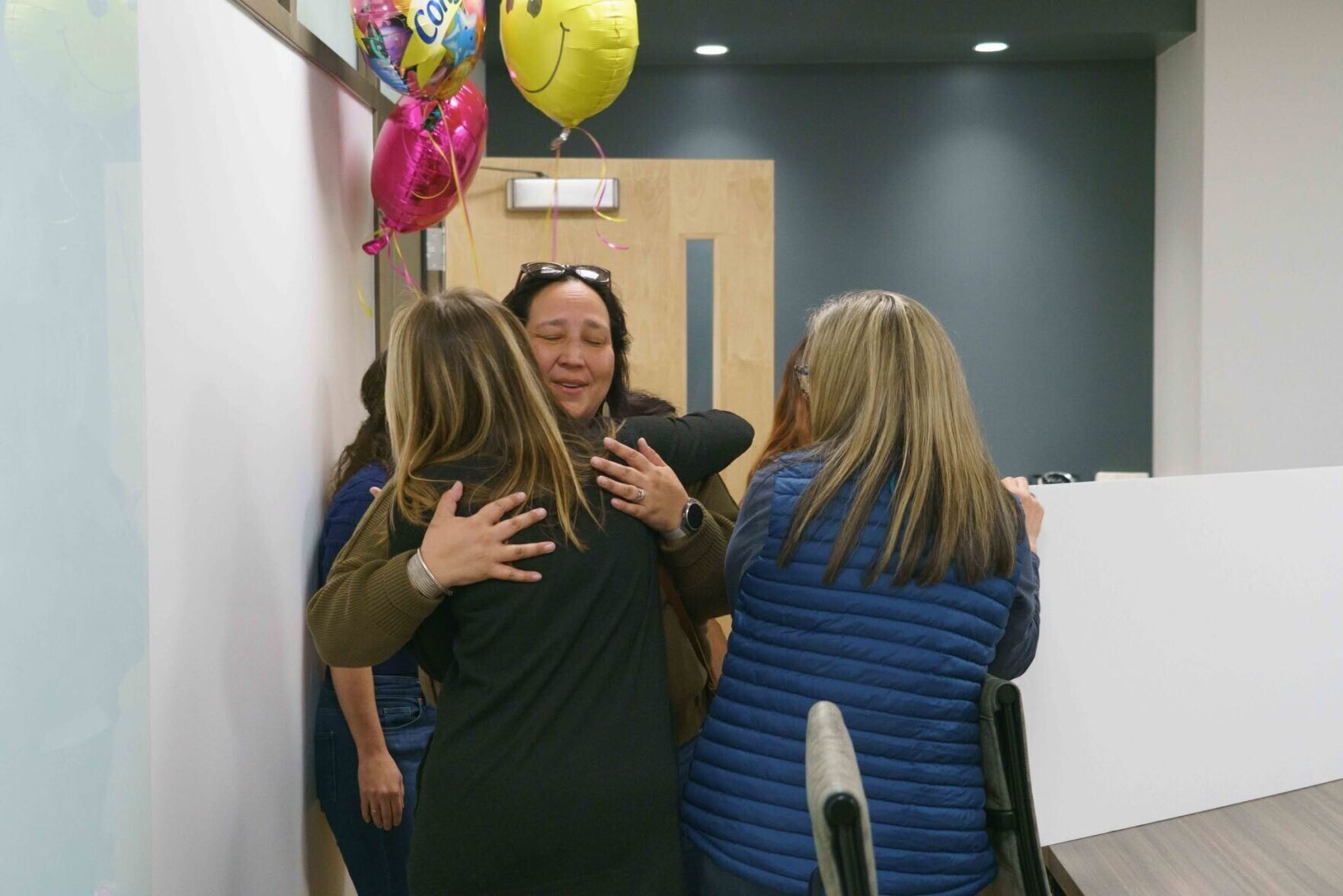
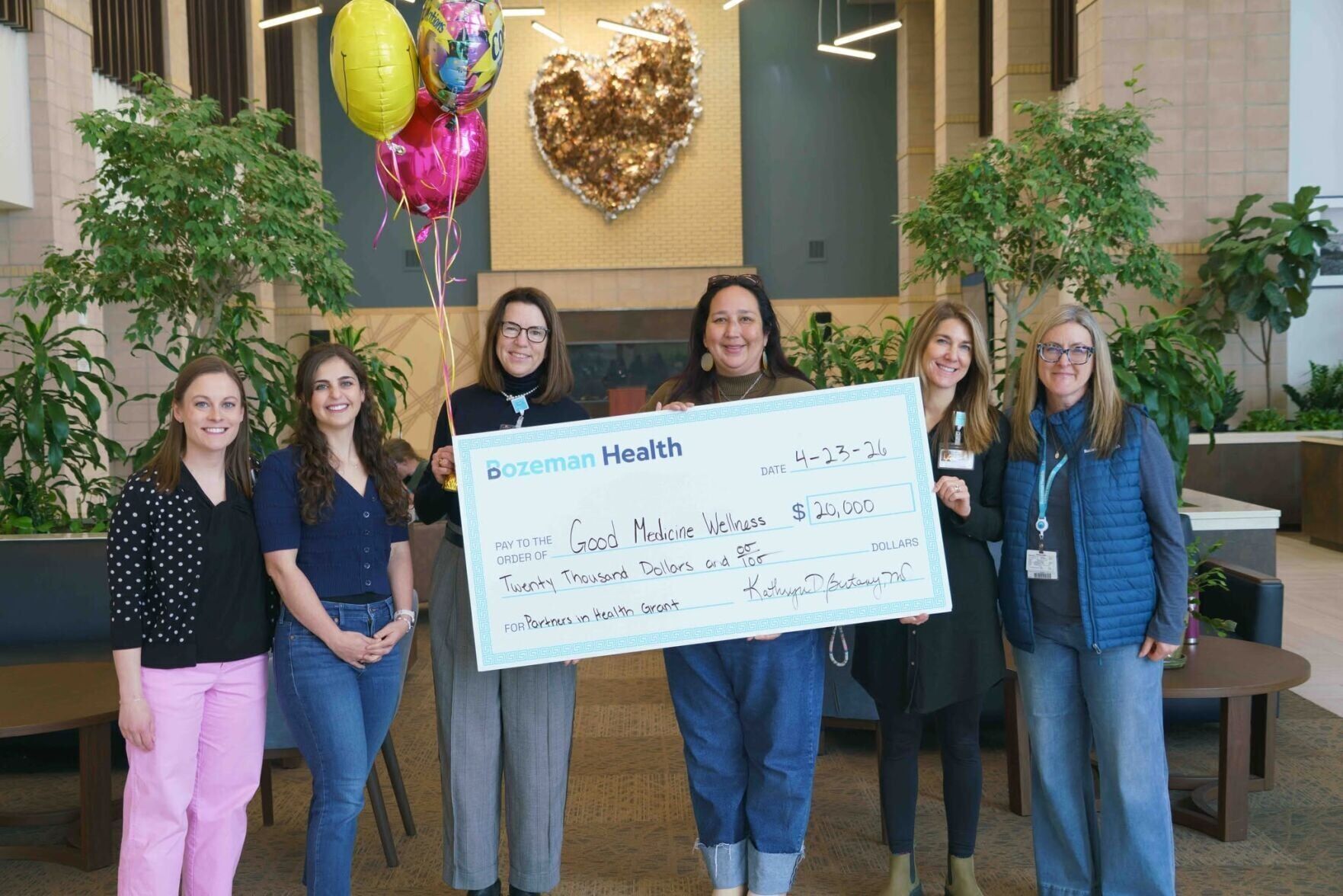
Bozeman Health awarded the center a 2026 Partners in Health grant, and partnerships with One Health Community Health Partners, Haven, and the HRDC have followed. Bauerle O’Haire said those organizations have been welcoming, recognizing that Bozeman’s Indigenous community has long needed a dedicated space of its own.
“Everyone is so supportive,” Bauerle O’Haire said. “All the these local groups that are already ingrained in Bozeman community are willing to help us.”


Comments ()