
Government seeks to toss Yellowstone lead poisoning case
The U.S. Department of Justice is seeking to dismiss a civil lawsuit brought by a Yellowstone National Park employee alleging that his young children were poisoned by lead in park employee housing.
The motion comes almost a year after Anthony Aiuppa, an engineer equipment operator in the park, and his wife Emily Aiuppa filed a lawsuit against the U.S. Department of the Interior in May 2025. They claimed that the park knowingly placed their family in housing contaminated with high levels of lead dust beginning in 2018.
The Aiuppas allege that the National Park Service violated several government and agency policies in doing so, including failing to complete a hazard assessment prior to their move-in and failing to provide a disclosure that there was lead-based paint in the home or remediate the lead.
The Aiuppas also claim that they should never have been placed in the housing at all due to an agency policy against placing pregnant women or children under six in housing with lead-based paint “issues.”
The Justice Department, in a motion to dismiss filed earlier this month, argued that the government is not obligated to do any of those things.
“None of the alleged directives are in fact mandatory and specific in the manner Plaintiffs allege,” the government wrote in its filing.
The Justice Department argues that the Aiuppas were placed in housing at the discretion of government employees, shielding the government from liability.
The discretionary argument is standard for suits involving the government, said Jon Moyers, a Billings, Montana, lawyer representing the Aiuppas.
“I don’t think their defense is predicated on the facts of this case,” Moyers said. “I think it’s a reflexive argument in the hopes to get out of it.”
The Justice Department did not respond to a request for comment by press time.
Historic housing
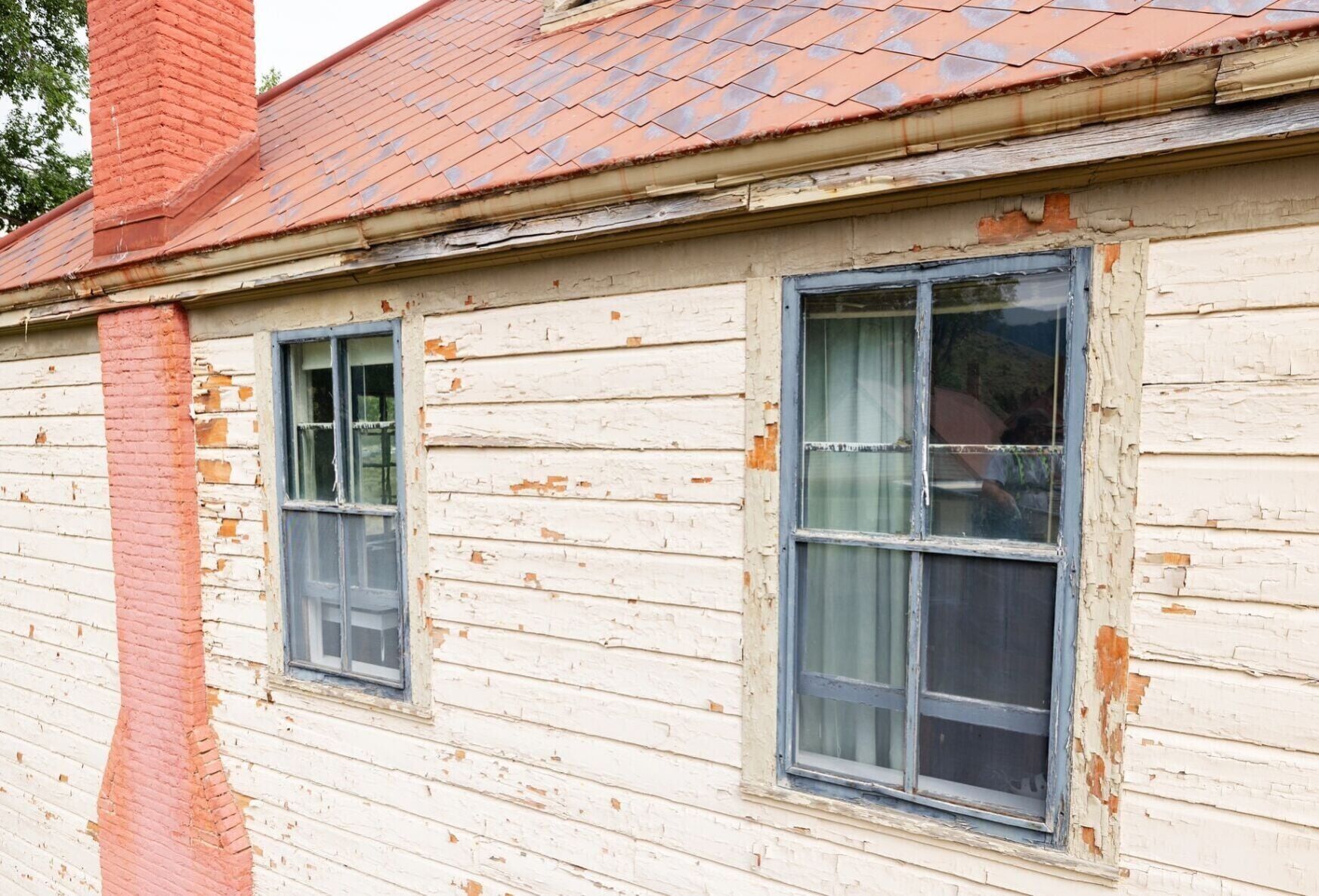
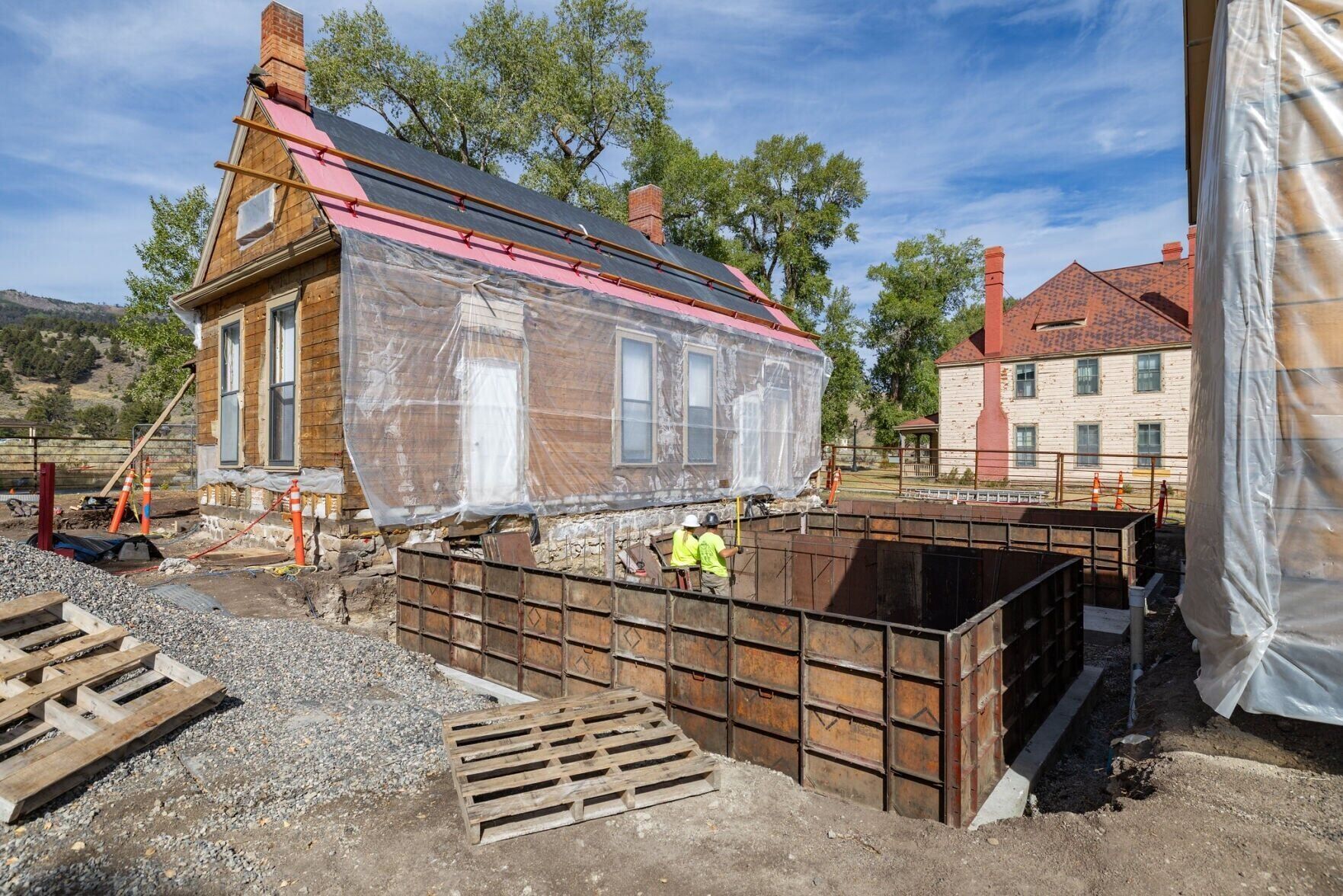
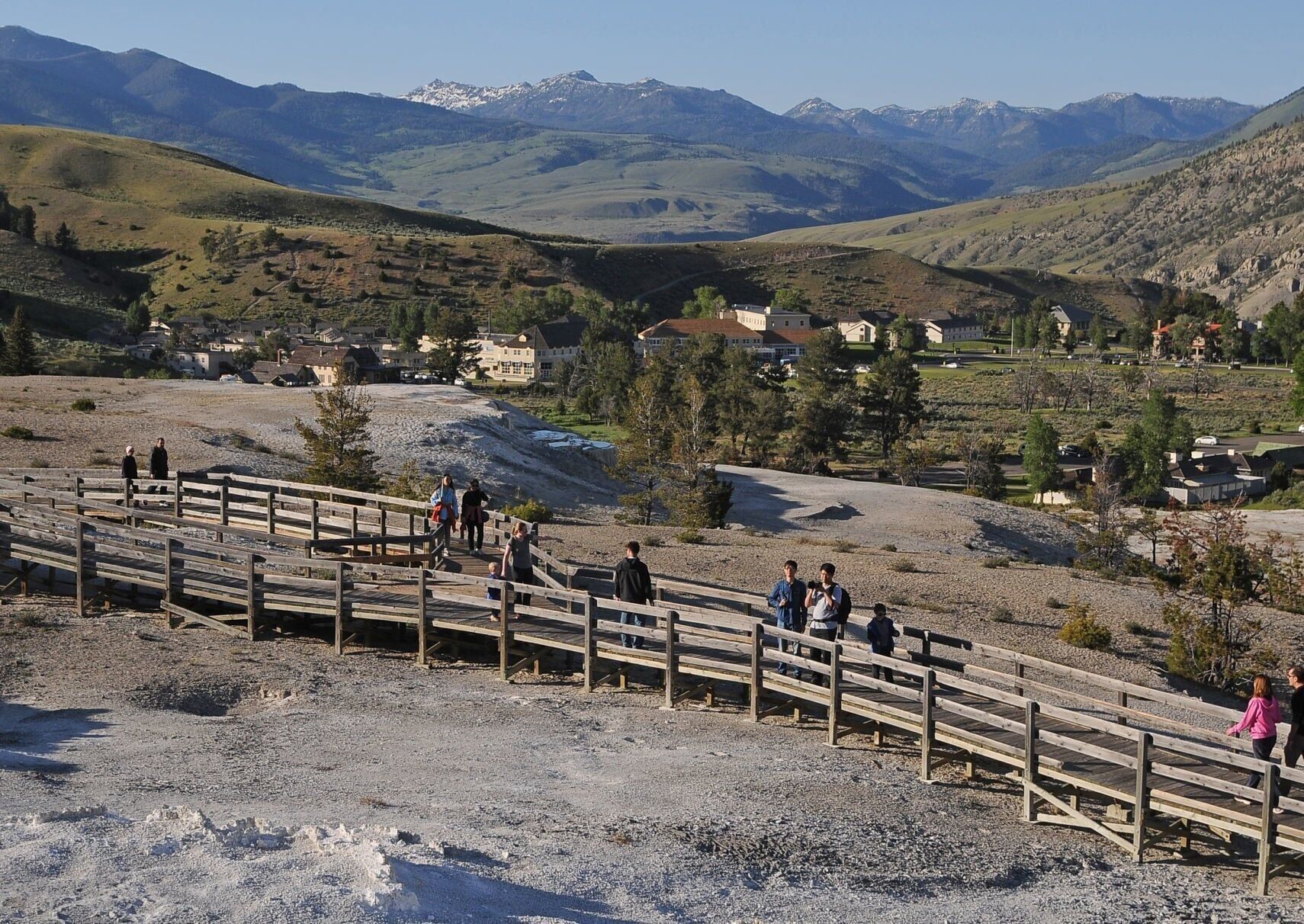
In 2018, the park placed the Aiuppas in housing in Historic Fort Yellowstone, located in Mammoth Hot Springs, according to the couple’s initial court filings. They later found out from other park employees that houses in the area were known to have toxic levels of lead.
The Aiuppas then had their children tested for lead poisoning. Both tested positive, filings say. Subsequent testing of the home showed high levels of lead dust. The family was then moved to another house in Historic Fort Yellowstone, which also had lead in it. The Aiuppas allege that their children were exposed to lead for about three years total.
Historic Fort Yellowstone was built between 1890 and around 1910, long before lead-based paint was banned in 1978. The park had previously tested other buildings in the historic area that had demonstrated toxic amounts of lead, according to the Aiuppas’ complaint. Yellowstone has 290 housing units that were constructed prior to the ban on lead-based paint, according to the park.
Attorneys representing the Aiuppas have filed a motion opposing the government’s motion to dismiss, arguing that a National Park Service housing management manual prohibits all of the actions alleged by the family.
The manual, included in court filings, said that notice of disclosure of lead-based paint in housing built before 1978 is “required” under federal law. The document must be signed by the tenants and kept on file, according to the manual.
“If that’s a discretionary act, everything is a discretionary act,” Moyers said. “It is the equivalent of a stop sign. All the government had to do was enforce it.”
In a January deposition, Alicia Overby, a housing management program manager for the Park Service, confirmed that the requirements in question were, in fact, requirements, according to a transcript included in the court record.
The manual also states that “units known to have lead paint issues will not be occupied by children under the age of six or by pregnant women.”
Contested policies
“Lead paint issues” is different from a unit simply having lead-based paint, according to the government’s motion to dismiss.
“If there is no known issue with the lead-based paint, then a minor or pregnant woman may reside in the home,” the Justice Department wrote.
The defendants also contest the plaintiffs’ reading of the Interior Department’s housing handbook, which includes a provision that all occupied housing is “safe, decent, sanitary and energy efficient” and that facilities and maintenance personnel inspect each unit annually, or with a change of tenant, to ensure that is the case.
The handbook does not specifically reference lead, lead-based paint or lead dust, according to the Justice Department.
“Federal laws, regulations and policies applicable to the United States as landlords do not contain an affirmative requirement to test housing for lead-based paint or dust, either via a risk assessment or hazard assessment, annually or each time tenants move in,” the defendants wrote.
Whistleblower
Sometime before March 2025, a Yellowstone employee separately filed a complaint with the Interior Department’s Office of Inspector General, alleging that the park failed to complete pre-renovation testing, take safety precautions and disclose the presence of lead paint in housing.
Public Employees for Environmental Responsibility, a nonprofit that provides assistance to public servants seeking changes within their agencies, on Monday published internal documents about the complaint and subsequent agency actions.
Following the complaint, the National Park Service conducted a review of the park’s lead-based paint program.
The results, written up in March 2025 by an occupational health program manager for the National Park Service, found that the park was 50% compliant about disclosing lead hazards and had a “communication deficiency easily understating the potential risk to target housing tenants.”
The park also received a 0% rating for exposure risk evaluation, in part for the lack of a policy around assigning at-risk tenants to housing with known lead-based paint, according to the occupational health write-up.


Comments ()