
Great Burn Conservation Alliance offers summertime stewardships and seasonal work
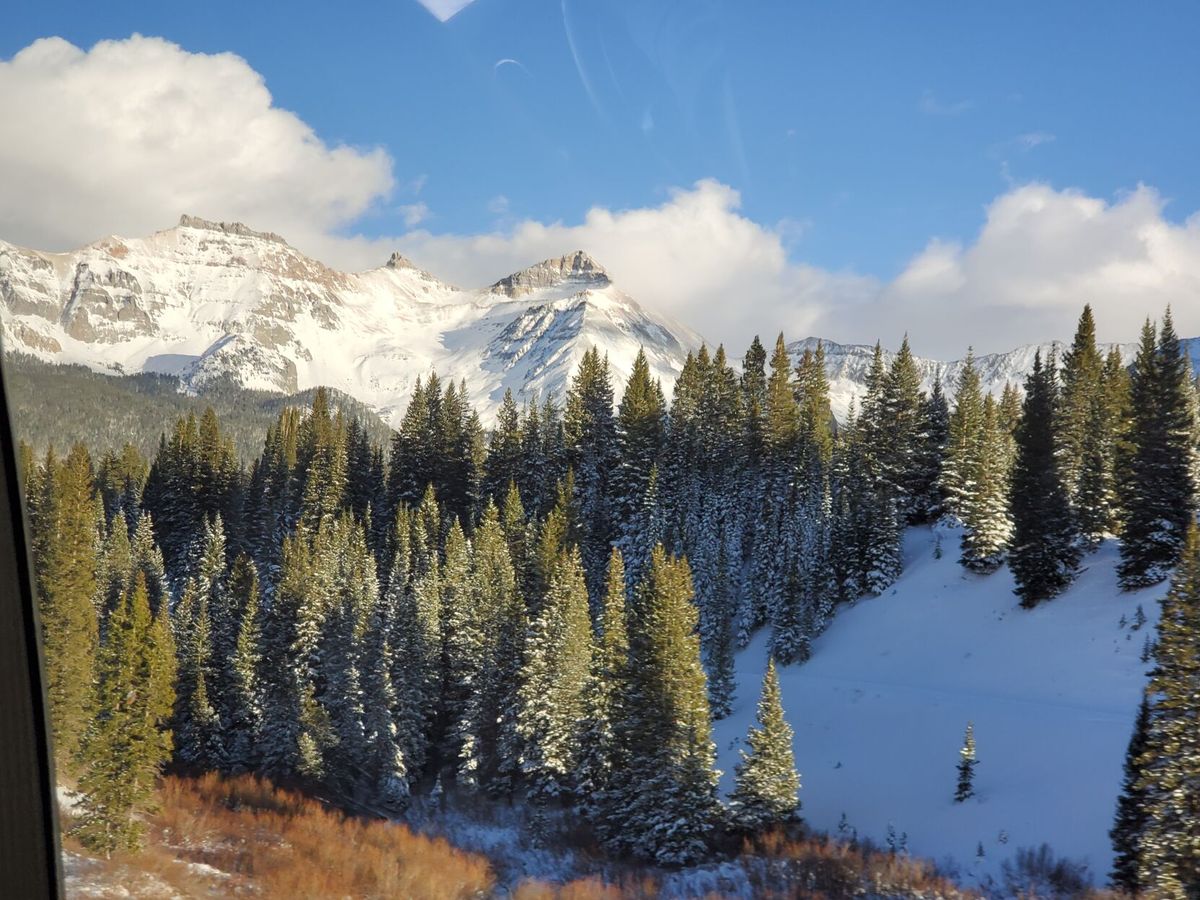
In the summer of 1910, dry timber, fierce wind and sparks from railroad tracks set off a series of historic fires in Northern Idaho and Western Montana known as the Great Burn.
In three days, over 80 lives and almost three million acres of land were lost.
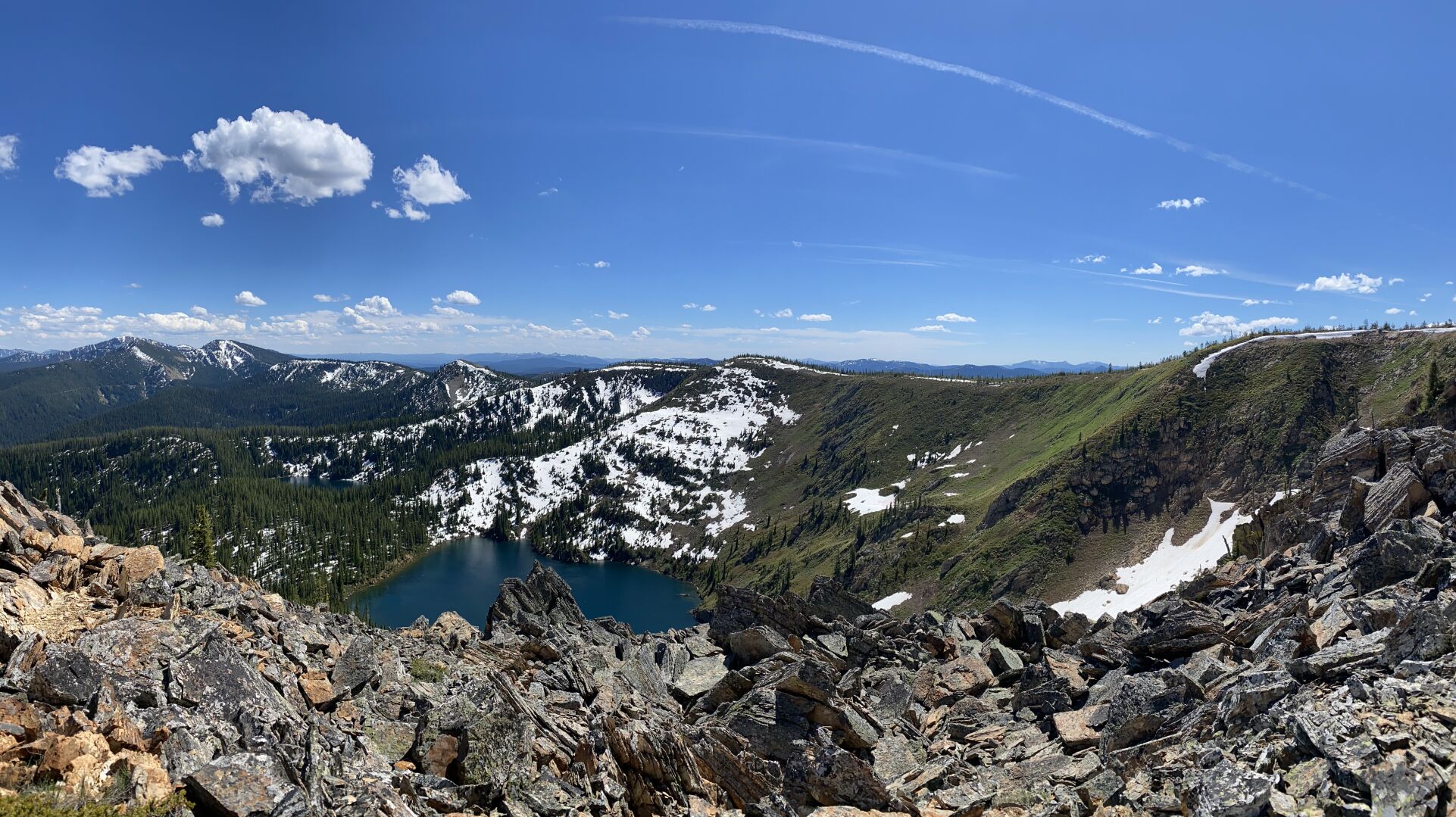
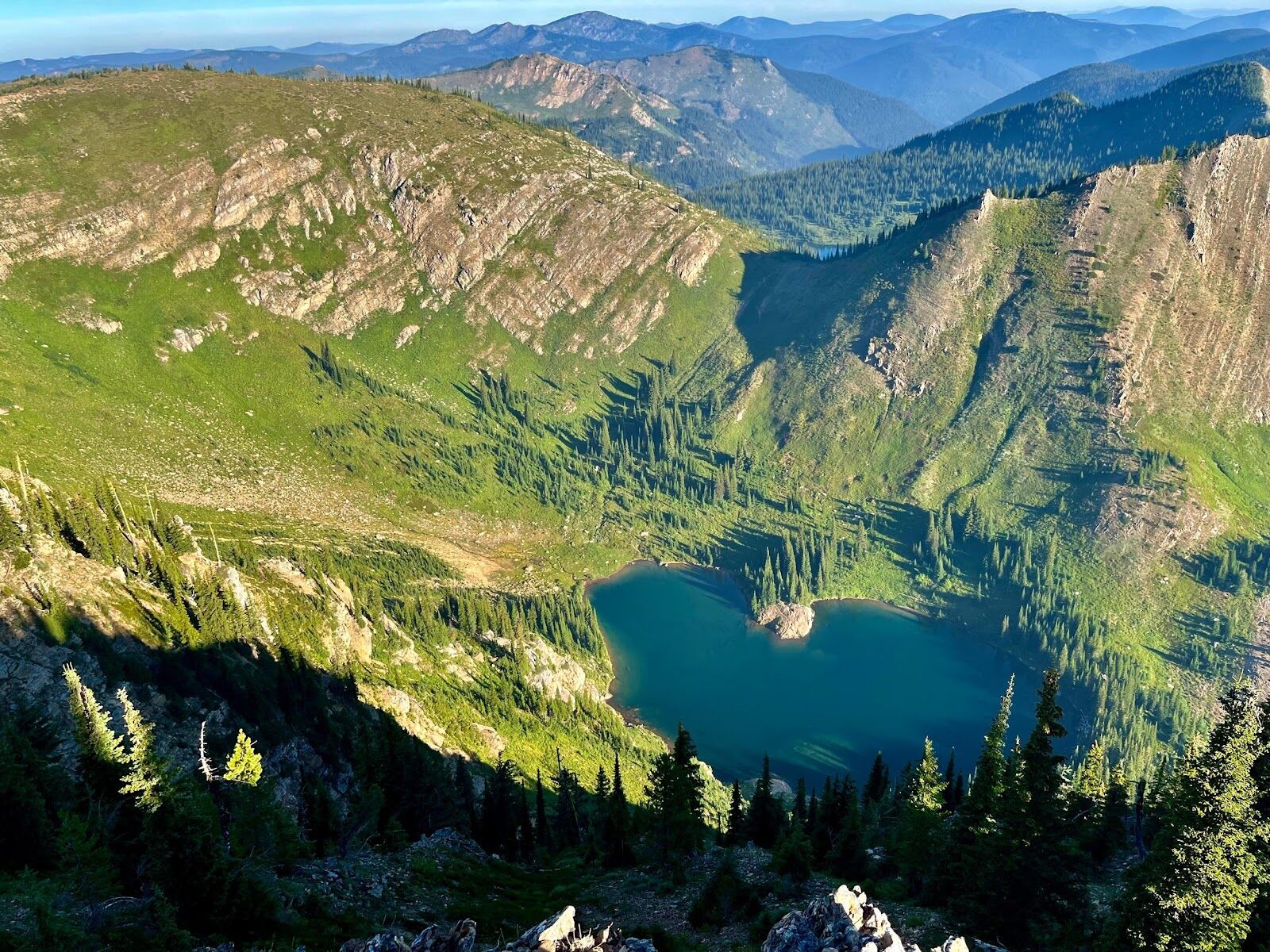
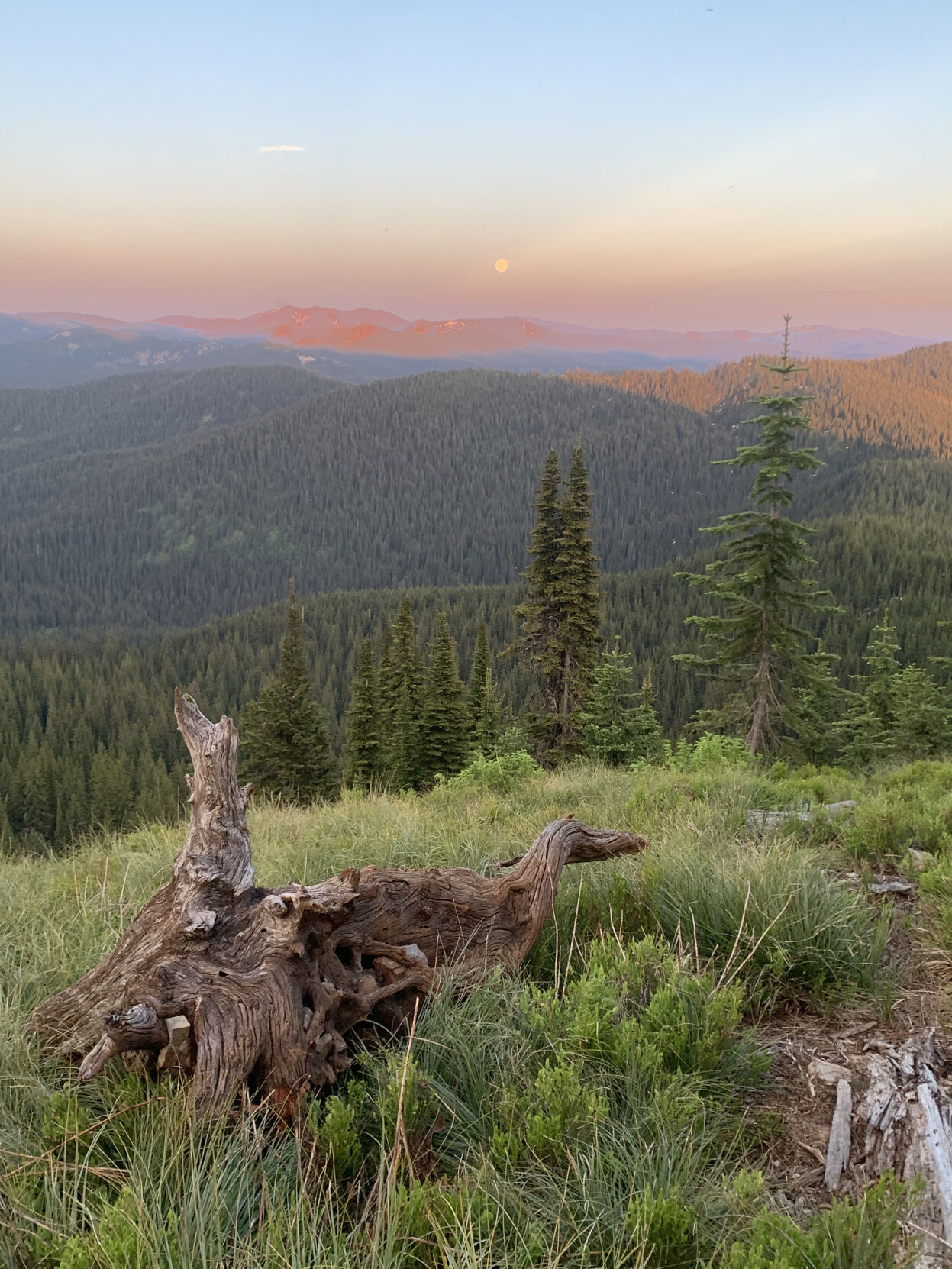
As a result, the Great Burn Recommended Wilderness Area — located in the Northern Bitterroot Mountains along the Idaho-Montana border — was able to recover free from human interference for a century, according to the Great Burn website.
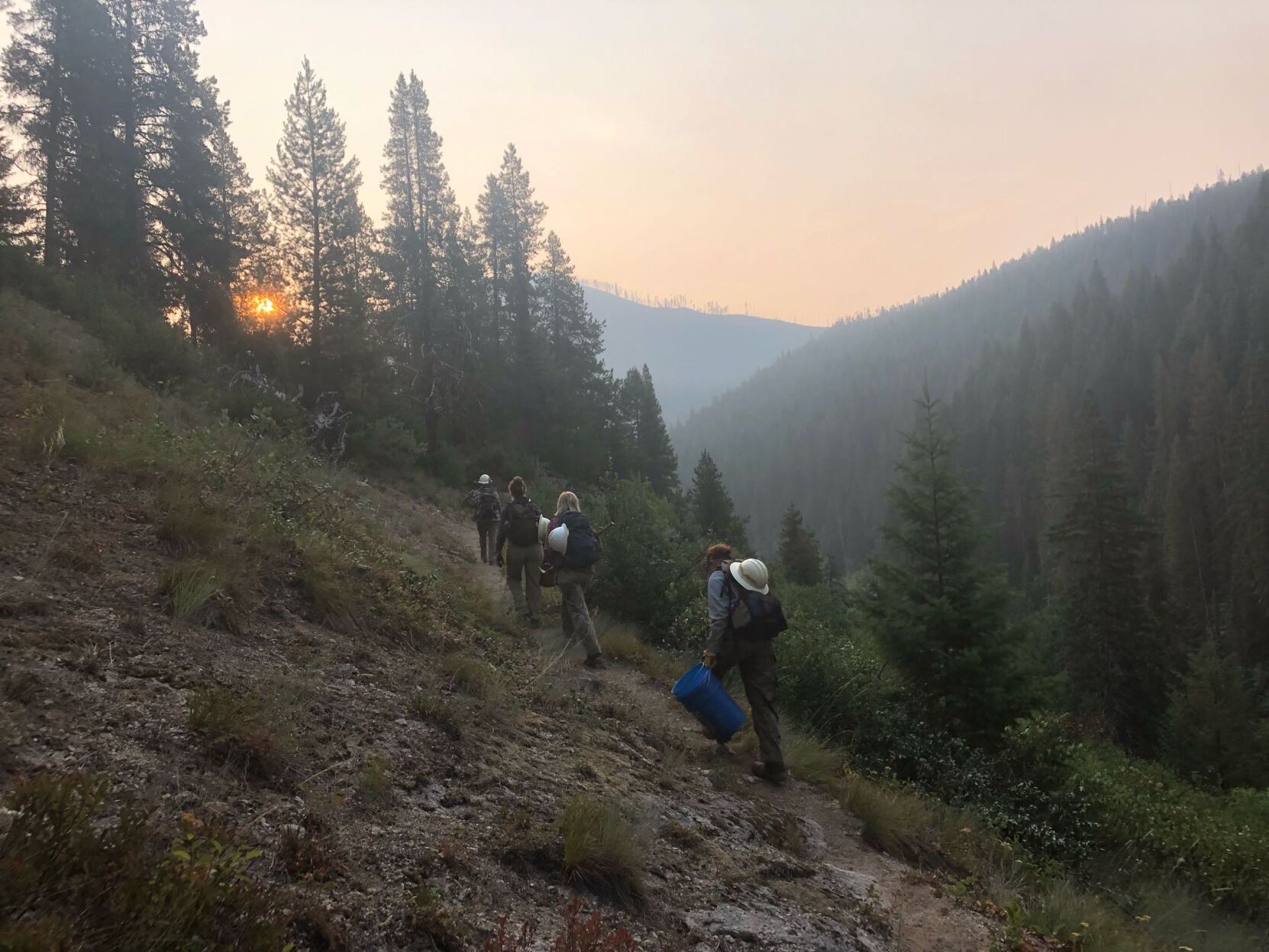
Nowadays, the Great Burn Conservation Alliance (GBCA) works to maintain this historic terrain, and MSU students have the chance to help. Every summer, the organization employs seasonal workers and offers a variety of volunteer stewardship trips.
TheGBCA is a nonprofit stewardship and advocacy organization focused on maintaining the roughly 1.9 million acres of wilderness in the Great Burn area.
University of Montana students founded the organization in 1971 as a study group to advocate for protecting the Great Burn area, according to GBCA Stewardship Coordinator Joelle Gallaugher.
Thanks to partnerships with organizations such as the U.S. Forest Service (USFS), Idaho Fish and Game and Montana Fish, Wildlife and Parks, the GBCA grew into the advocacy group it is today. “We’re the only organization dedicated solely to this region, so we like to pride ourselves on being the experts on the ground,” Gallaugher said.
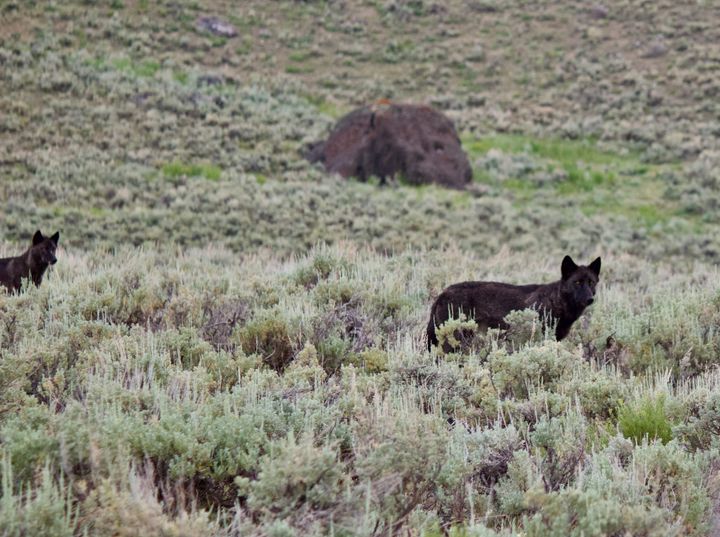
The Great Burn area includes at least 27 inventoried roadless areas — designated undisturbed locations where timber harvesting and road construction are limited. It is also home to threatened species such as wolverines, white bark pine and mountain goats, according to the GBCA website.
Gallaugher explained that because the GBCA is funded mainly through USFS agreements and the National Fish and Wildlife Foundation grant, recent federal cuts have made volunteer support all the more essential.
“Nonprofit organizations are very important in general, especially in recent times, as there’s been so many federal staffing and funding cuts,” Gallaugher said. “We definitely can’t fill all of the gaps, but at least there’s people still out there on the ground doing valuable work.”
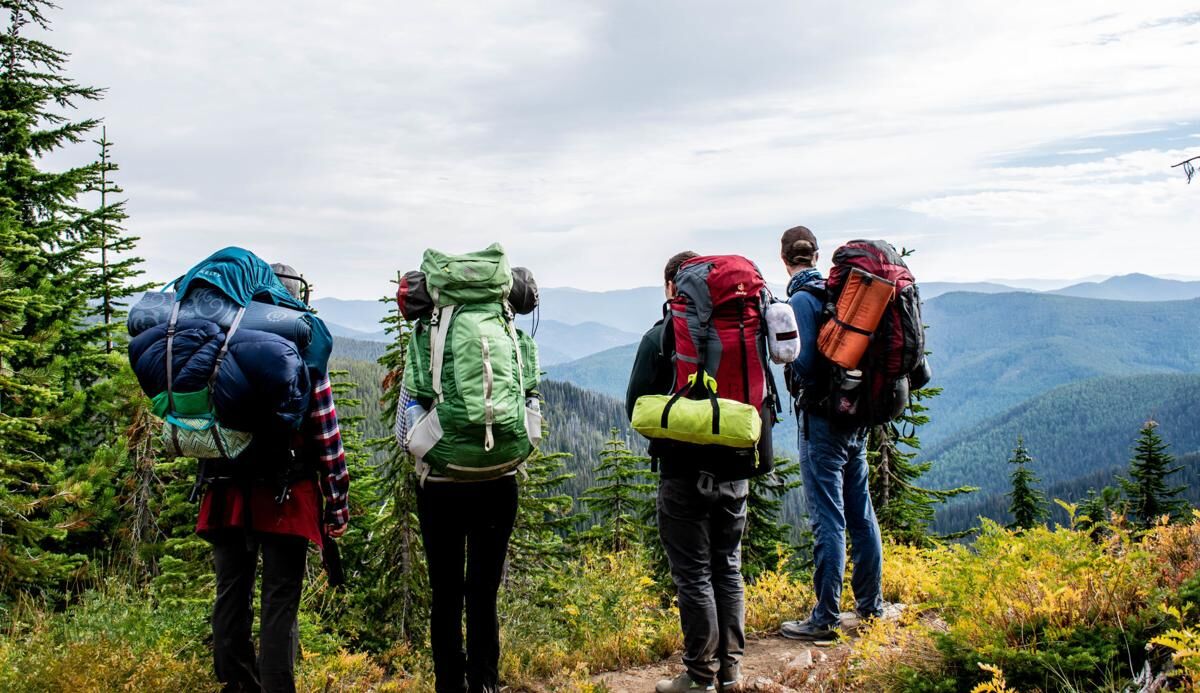
For those looking to get involved, the GBCA offers multi-day summer stewardship trips for site restoration and maintenance. “Our stewardship program has been put in place to get people out who maybe can’t dedicate their lives or their entire summer to stewardship and conservation, but want to help give back,” according to Gallaugher.
Trips typically last one to four days and include about eight hours of work daily, plus allotted breaks and downtime. Volunteer trips with the GBCA are free and meals are provided. Additionally, the organization provides a small gear cache for volunteers with limited outdoor gear, Gallaugher said.
Aside from maintaining the wilderness area, the stewardship program allows students to complete field work and gain valuable experience for their resumes, according to Gallaugher. “There’s plenty of opportunities to get involved. The only way to learn is by getting started,” she said.
Those seeking a larger commitment can consider applying for seasonal work with the GBCA. The trail and restoration crews work May through August, with the opportunity to extend into the fall, according to Gallaugher. However, applications are only open December through January and are closed for this summer.
Students needing volunteer hours, science majors looking for field work or outdoor enthusiasts in general can find many options with GBCA. “There’s a ton of opportunity to give back to our public lands, especially in this region,” Gallaugher said. “I hope that students don’t take opportunities like this for granted.”
For more information on GBCA, visit https://www.greatburn.org/.

Comments ()