
'Happy tears': Rescued bald eagle returns to the wild in Belgrade
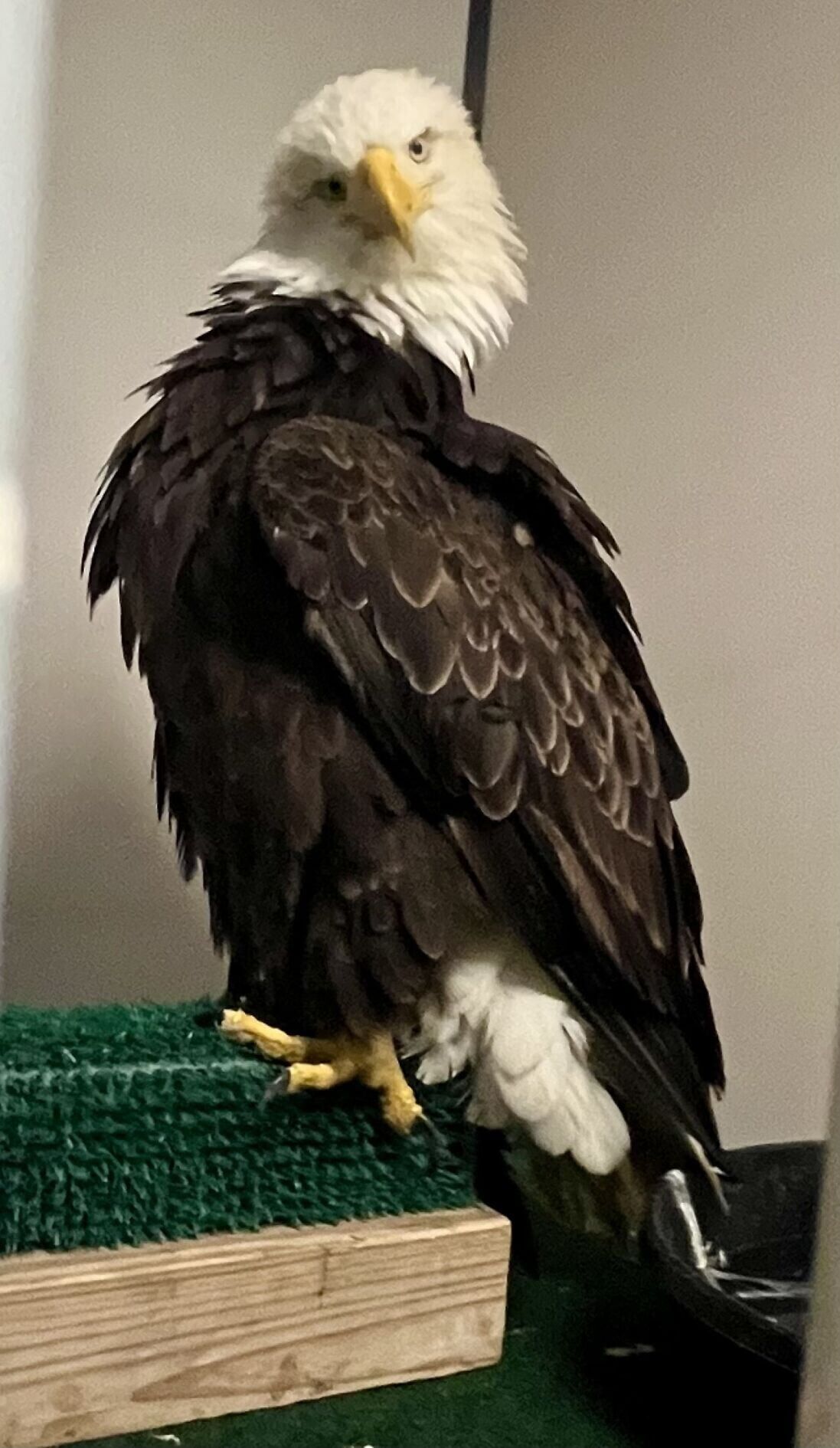
After 10 weeks of intensive care, Montana Raptor Conservation Center director of rehabilitation Becky Kean watched a female bald eagle return to the sky March 20 — released to the wild on the same Belgrade property where the bird was found clinging to life in January.
“After 70 days of watching her struggle and regaining her strength, it’s pretty amazing,” Kean said. “It’s one of those feelings that never gets old.”
When a Belgrade landowner found the adult female bald eagle emaciated and limping on Jan. 10, the bird was too weak to resist intervention. Kean noted that the eagle’s willingness to be handled, loaded into a car, and driven to the center was an alarming indicator of her condition, signaling a level of illness so severe that natural survival instincts failed.
“She was a pretty sad case when she came in for sure,” Kean said.
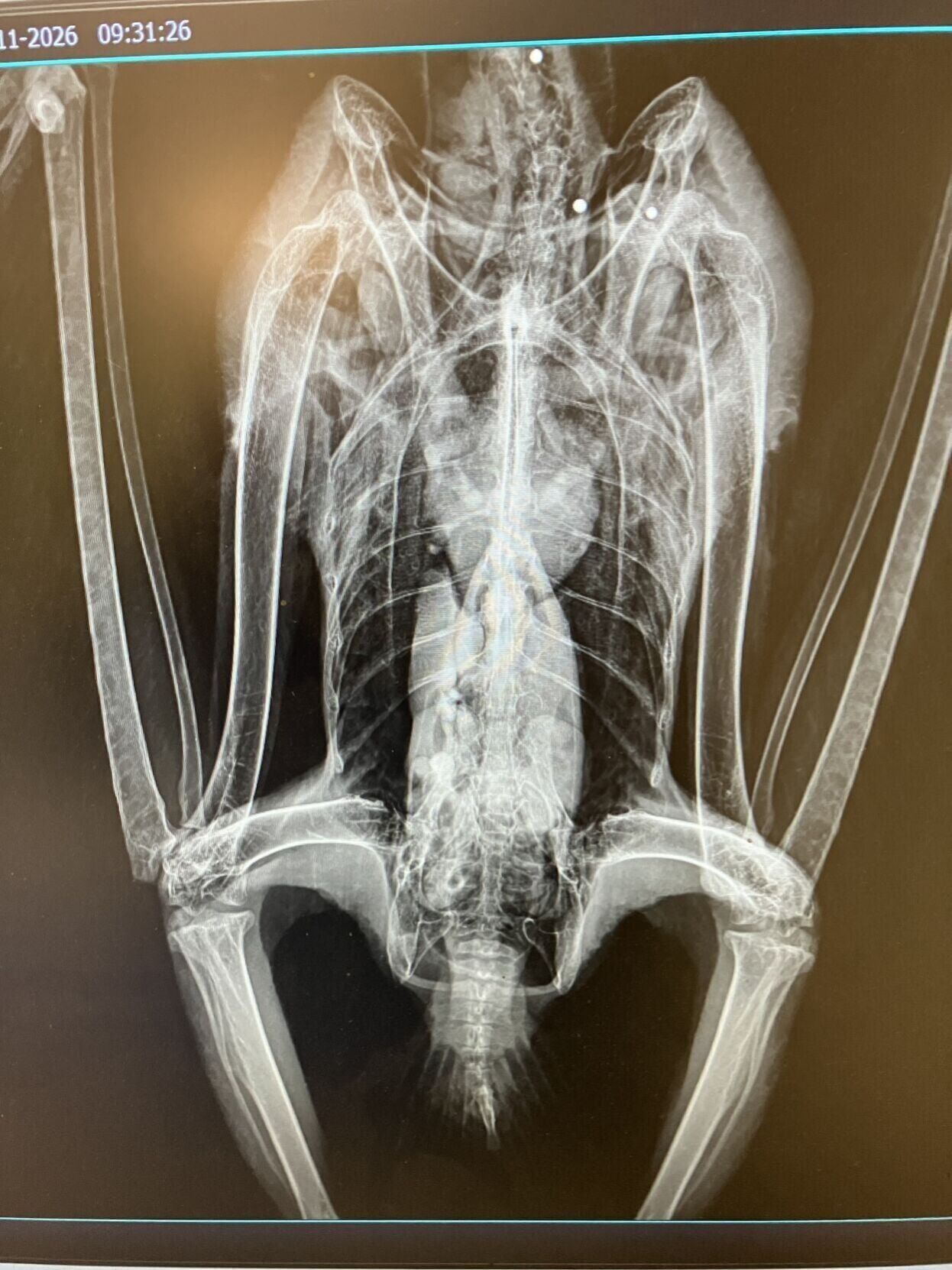
When the raptor was X-rayed, the team at the conservation center discovered evidence of a gunshot wound. The fact that it was not immediately apparent, Kean said, indicates that the bird had been suffering for some time.
“From the shot that’s in the bird, it looked pretty intentional to me,” Kean said. “Not an accident.”
Killing or hunting bald eagles is prohibited under multiple federal laws, including the Bald and Golden Eagle Protection Act and the Migratory Bird Treaty Act. Although the species was removed from the Endangered Species Act list in 2007 after populations rebounded, it remains illegal to kill, harass or possess bald eagles, or their feathers, nests, or eggs, without a federal permit.
While the gunshot wound appeared intentional, Kean noted that because the bird had been on its own for so long before being found, the exact circumstances remain a mystery to the conservation team.
“I wish I knew why people would shoot an adult bald eagle,” Kean said. “I can’t wrap my head around it.”
Compounding the gunshot wound, the Belgrade eagle was also suffering from elevated lead levels, which slowed her recovery. Lead poisoning is a common issue among eagles treated at the center, Kean said, as many become sick after ingesting lead fragments from ammunition in carcasses and gut piles left by hunters.
Gunshot wounds, however, are far less common. Kean said the center typically sees only about five such cases each year, and most do not have happy endings.
“We don’t have a lot of luck with the gunshot victims. A lot of them have to be humanely euthanized, unfortunately.” Kean said. “It’s pretty detrimental.”
Still, humane euthanasia is often a kinder alternative to what many injured eagles would otherwise face — a slow death in the wild. The Belgrade eagle’s full recovery, Kean said, was a rare outcome, and the landowners who initially rescued the raptor were also there to witness the moment she reclaimed her place in the wild.
“It’s definitely happy tears,” Kean said. “We all got to watch her fly free. It’s the best outcome we can hope for.”



Comments ()