
HRDC offers food security, transportation resources and more
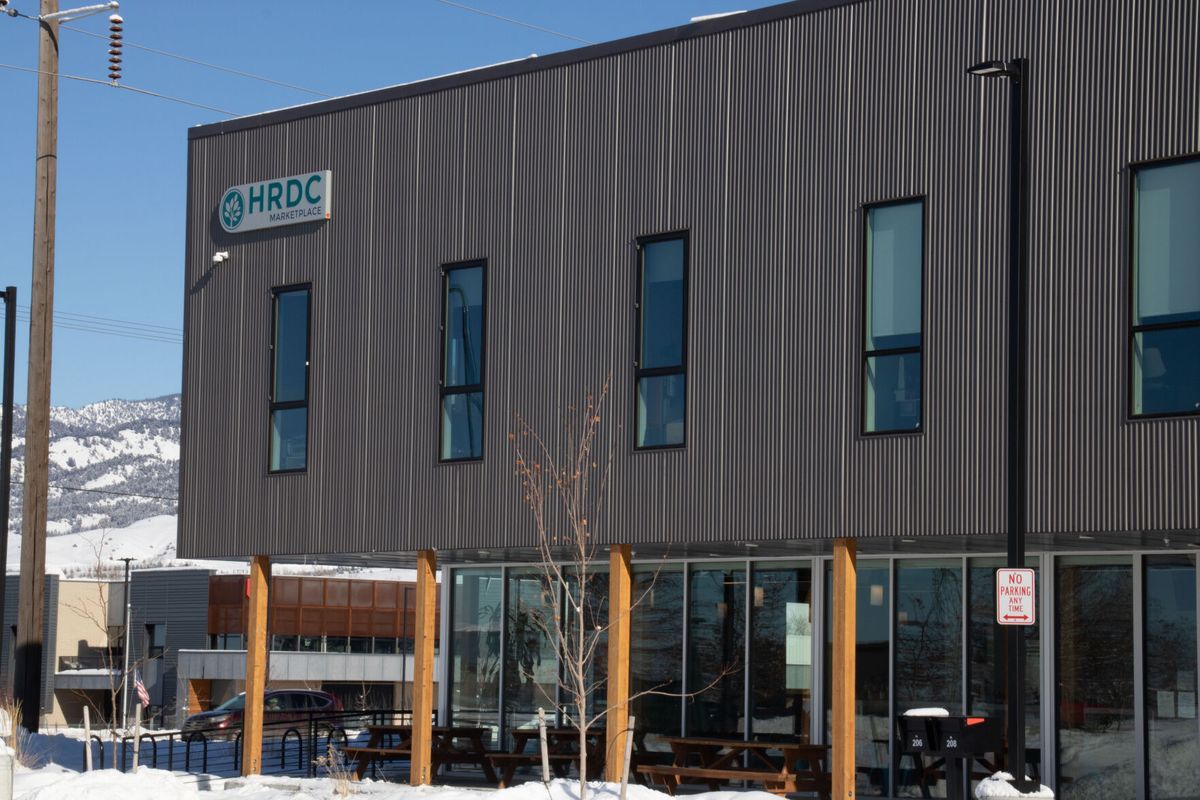
Located beneath the Bridgers in northeast Bozeman is an organization that provides a variety of resources to the Gallatin Valley. “Anyone who is in crisis, regardless of what that crisis is, is always welcome to walk through our doors,” said the Human Resource Development Council (HRDC) Resource Development Director Kristin Hamburg
The HRDC is a private, non-profit community action agency dedicated to addressing the needs of communities in southwest Montana. The organization was established as one of nine HRDCs across Montana and serves Gallatin, Park and Madison Counties. “[The] HRDC is an investment in the future and the strength of our community,” said the HRDC Communications Director Vanessa Palmer.
“Our task from the federal government is to identify the community’s most pressing needs and then develop ways to meet those needs,” Palmer said. “We work to combat poverty and offset the high cost of living for our neighbors in southwest Montana.”
Palmer explained that the HRDC collaborates with local governments, coalitions and nonprofits to maximize its impact. According to her, the partnerships help establish its credibility as a non-profit leader. “The city partners [with] us and gives us some funding to operate the Warming Center. It's a small amount when you look at the entire budget. However, they trust us to do that,” Palmer said.
Hamburg explained that the HRDC’s programming alleviates hunger through nutrition work, provides preschool education to the community, offers energy assistance, transportation programs and emergency shelters as well as numerous housing initiatives. “[The] HRDC is an investment in the future and the strength of our community. We offer over 50 different programs and opportunities,” she said.
The HRDC has programs that address topics from food assistance to emergency shelter. Its food assistance initiatives include the Gallatin County Food Bank, the Big Sky Food Bank and the Three Forks Food Bank.
“We have a lot of food and nutrition support — we have a pay-what-you-can restaurant, as well as so many other services,” Palmer said.
Additionally, the HRDC’s housing programs provide emergency seasonal shelter at warming centers in Bozeman and Livingston, providing public facilities with heating and plumbing to anyone in need, according to the agency’s website.
The centers operate at night when it’s coldest and intermittently during the day during the coldest times of year, according to Palmer. “We would like to be able to have a 24/7 shelter, but unfortunately we just don’t have the funding to support the staff requirements to be open all day, every day,” she said.
Palmer explained that the HRDC also addresses transportation needs through its operation of the Streamline bus service, launched in 2006 in partnership with the City of Bozeman and Gallatin County.
Housing is another area in which the HRDC offers support. “Community development looks like creating neighborhoods and housing developments that are affordable for those who live and work in our community,” Palmer said. The Big Sky Community Housing Trust (BSCHT) is one organization working to accomplish this, according to Palmer. The BSCHT aims to make affordable housing more readily available, according to its website.
“We know that housing is in need in our community, so we have a team of incredible individuals who work diligently to provide opportunities to preserve affordable housing in our area and create affordable housing,” Hamburg said.
Funding for the HRDC’s initiatives comes from a combination of federal and state grants, as well as local donations. “There are so many needs that we want to meet, and we don’t always have the resources to meet all of them,” Palmer said. “By giving the HRDC general donations, we can allocate those funds to whatever resources need the most support at that time.”
“One of our biggest challenges is funding. The number of people needing to access our services continues to increase,” Hamburg said. “Every time we see an increase in need we also need to see an increase in financial support to help assist our programs.”
“Our overnight shelter really depends on a volunteer force,” Palmer said. “Volunteers pass out food, provide morning coffee and ensure that guests are taken care of while they’re in the Warming Center.”
Palmer wants people to know that the HRDC is there to support the community. “By looking at our website, you can get an idea of the va rious services we offer,” Palmer said. She explained that, even if the HRDC does not have the specific services community members needed, case managers can connect them to outside-of-agency resources.
“When a customer comes in in [a] crisis and they meet our staff, our staff meets them halfway and we form a relationship. Really amazing things can happen,” Hamburg said.
For a comprehensive list of resources the HRDC offers, visit its website at thehrdc.org.

Comments ()