
'I hope I live long enough to see a resolution': Gallatin Valley homeowner caught in Montana water rights legal limbo amid DNRC lawsuit
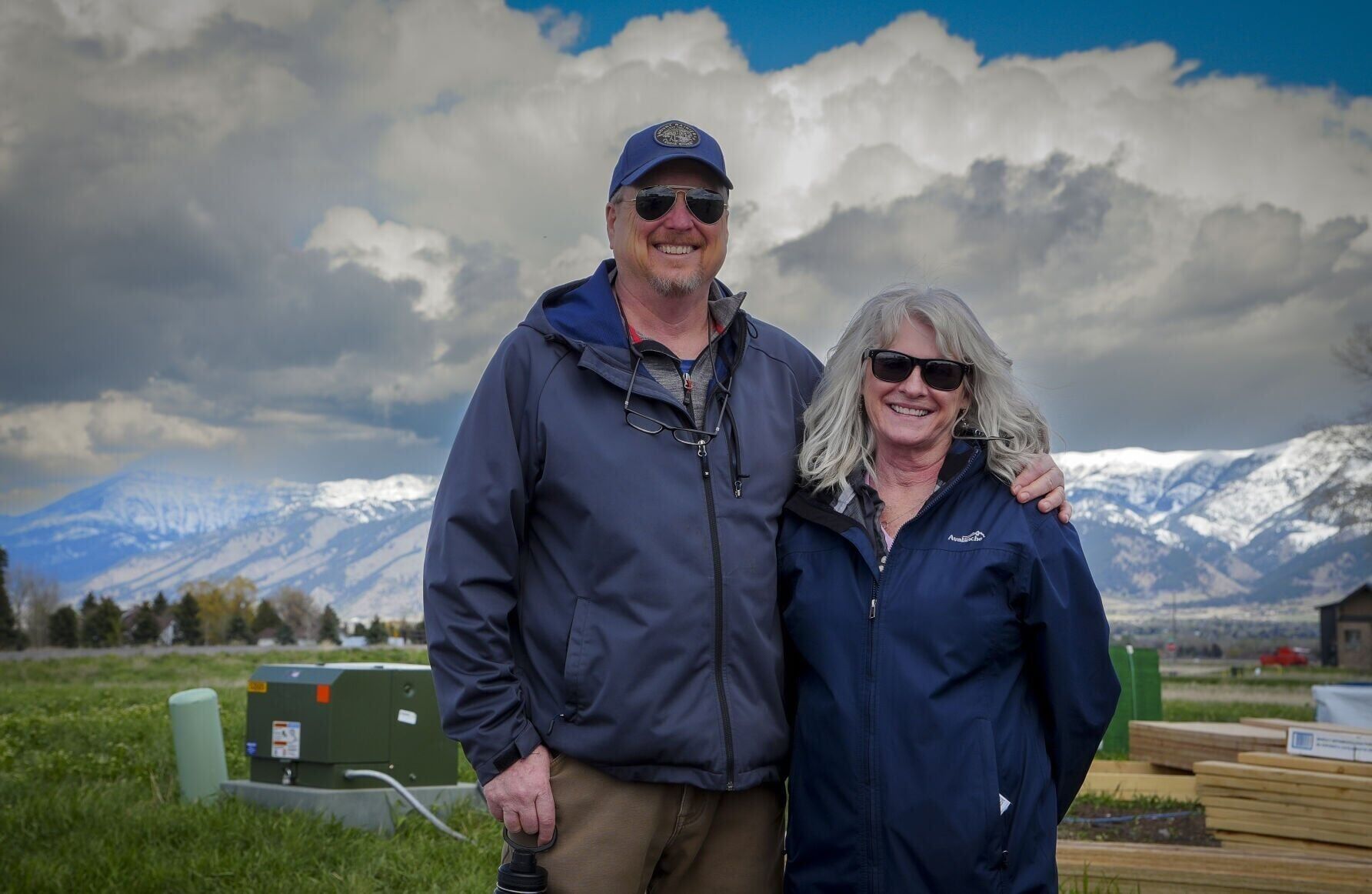
Three years after Ron Rogers and his wife, Stefanie Snow, purchased their home in Gallatin Valley’s Riverwood East subdivision in 2022, he was diagnosed with a rare and incurable form of cancer.
To preserve his quality of life they decided to sell the house and relocate closer to an advanced-treatment center.
Rogers quickly had two prospective buyers — until his real estate broker told him the property's water rights had been nullified by a new precedent set in a 2024 district court ruling.
Both buyers pulled out.
“I’m feeling very hopeless at this point in terms of what’s happening," Rogers told the Chronicle. "I mean, the issue can’t get resolved fast enough as far as I’m concerned because of my health conditions.”
It was the first time Rogers became aware of the implications of the February 2024 landmark water-rights case Upper Missouri Waterkeeper et al. v. DNRC. In that case, Broadwater County District Court Judge Michael McMahon ruled against a phased development model that allowed the Montana DNRC to allocate multiple exempt well-water rights to different phases of the same subdivision development.
The case, and Rogers' conundrum, are parts of an ongoing debate over the parameters of Montana Code Annotated § 85-2-306, which provides exemptions to groundwater permit requirements for projects using de minimis quantities of water.
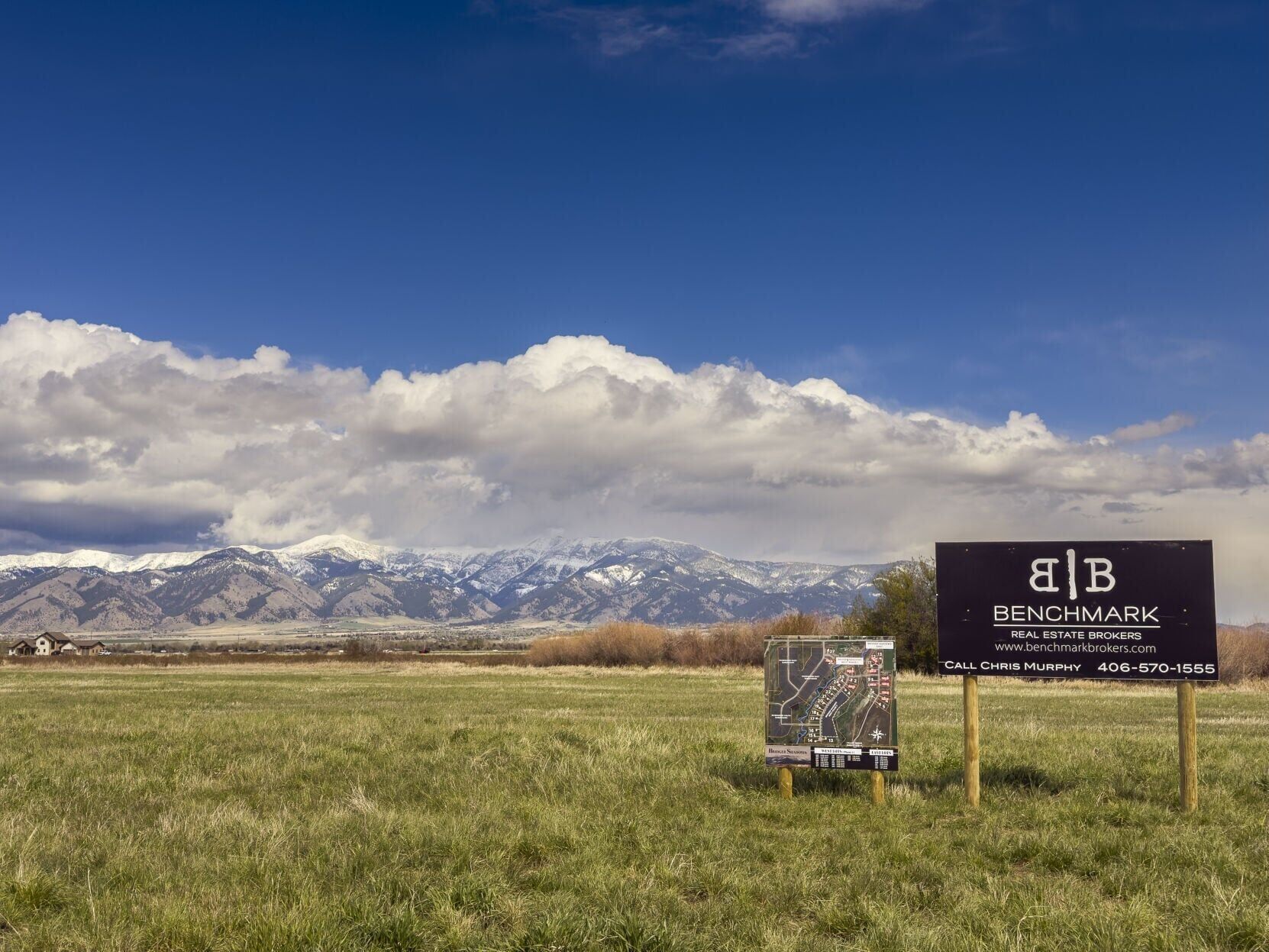
Riverwood East subdivision, off Cameron Bridge Road just east of the Alaska Frontage Road southeast of Belgrade, was built under the phased development model that facilitated the drilling of unpermitted wells across the subdivision.
When the Broadwater ruling came out, the exempt water-rights status of phased subdivisions across the state were thrown into question, ultimately leaving homeowners like Rogers without water rights they believed were guarenteed with the purchase of their homes.
“We didn’t anticipate any issues or problems,” Rogers said. “The developer and builder certainly thought that they had dotted their 'I’s and crossed their 'T’s. There was no advance notice, no notification. There was nothing that would have alerted us to any problems or issues.”
On April 20, Bozeman-based attorney Peter Scott filed a lawsuit against the Montana DNRC on behalf of two affected couples and a nonprofit corporation called the MT602 Association, of which Rogers is a member.
Scott said the suit does not seek to undermine the ruling in the Broadwater case. Rather, it aims to grandfather in water rights for homeowners who purchased property before the ruling was issued.
“There are several hundred property owners who have vested rights to use water the DNRC determined is legally available and has now refused to grant them a certificate for,” Scott said. “If there’s a preliminary plat issued before the Broadwater ruling, and the developer meets the conditions to receive an MT602, then I would say they’re entitled to use groundwater consistent with DNRC’s determination letter.”
The association is named after Montana DNRC Form 602, the document used to finalize exempt groundwater uses. Rather than acting as a permit application, the Form 602 is a post-development filing, submitted by a homeowner after a well is drilled and beneficial use of the water is demonstrated.
Carol Rash, director of the MT602 Association and a plaintiff in the suit, resides in the Hillbrook Subdivision in Park City. After moving into her home in August 2024, she said she submitted the Form 602 that October.
Over a year elapsed before she received a letter from DNRC declining to issue a Groundwater Certificate for the well she had been drawing from since moving in.
“The Department cannot issue you a Groundwater Certificate for the aforementioned Form 602 filing at this time because the water use described on your filing does not qualify for the exception to the permitting process,” read the letter. “No water right will be issued for this filing, and your water use will not be in compliance with Montana law until a water use permit is obtained.”
In November 2025, DNRC hosted a series of informational sessions for impacted homeowners. Rash attended the Hillbrook Estates presentation, leaving with more questions than answers.
“Basically, they told us that we would have to go through the permitting process, get a cistern, or try to get water rights shared by our neighbors,” she said. “We filed our 602s under the procedures at the time, and when we asked if there was anything (DNRC) was doing to allow this group of people being affected to be grandfathered in, their answer was always, ‘No, legislation would have to do that'.”
Montana DNRC declined to comment, stating it cannot discuss active litigation.
Both Rash and Rogers have been attending monthly meetings held by the Montana Water Policy Interim Committee, a bipartisan legislative committee responsible for overseeing the DNRC.
During a May 11 meeting, WPIC took comments on Provisional Draft 002, an initial bill draft designed to address the issue legislatively.
Jeff Bader, another resident of the Riverwood East subdivision, said he’s confident WPIC will reach a legislative conclusion.
“There are a lot of people across the state who are affected. They did everything that was legally required at the time, and then the rules changed on us,” Bader said. “We understand the water rights problems all over Montana, and the over-allocated basins, but everything has been done legally.”
The lawsuit will be heard by Michael McMahon, the same Broadwater County judge who issued the ruling in Upper Missouri Waterkeeper et al. v. DNRC.
At the center of the dispute is § 85-2-306 of the 1973 Montana Water Use Act, commonly known as the “exempt well provision.” Under the law, certain “de minimis” groundwater uses are exempt from the DNRC permitting process, which normally requires a review of water availability, impacts on existing water rights holders, and environmental considerations.
Under the exempt-well provision, an individual may withdraw groundwater, typically through a domestic well, without obtaining a permit, if the use does not exceed 35 gallons per minute and 10 acre-feet per year.
Over the last decade, however, controversy surrounding the provision has sparked extensive litigation over how exempt wells should be regulated, particularly in large residential subdivisions.
In 2016, the Montana Supreme Court significantly limited DNRC’s use of § 85-2-306 for subdivision development in Clark Fork Coalition v. Tubbs. The court rejected the department’s narrow interpretation of “combined appropriation,” which had previously required wells to be physically connected before they could be treated as a single water use.
Under that earlier interpretation, each lot in a subdivision could operate an individual well drawing less than 10 acre-feet annually and pumping fewer than 35 gallons per minute, even if all wells drew from the same aquifer. Because the wells were not physically connected, they were not considered a “combined appropriation” and were therefore exempt from permitting requirements despite their cumulative impacts on groundwater supplies.
The Clark Fork Coalition v. Tubbs ruling established that physically unconnected wells could still constitute a “combined appropriation,” effectively reducing the number of Form 602 groundwater certificates that could be issued for subdivisions under the exempt well provision.
In the DNRC letter Rash received in October, the department asserted, “In the review of your application, it was determined that your described water use is part of a combined appropriation.” Continuing, “Other Groundwater Certificates in your subdivision that are part of the same combined appropriation have already reached the maximum allowed volume.”
In 2019, DNRC adopted a phased approach to subdivision development, allowing developers to seek separate groundwater approvals for multiple phases of the same subdivision. Critics argued that the approach effectively multiplied the amount of groundwater that could be allocated from a single aquifer.
In 2024, McMahon ruled against that phased development approach in Upper Missouri Waterkeeper et al. v. DNRC. The court held that DNRC could not allow developers to appropriate up to 10 acre-feet of water under the exempt-well provision for each phase of a multi-phase subdivision.
After the ruling, DNRC revised its interpretation of phased subdivision groundwater allocations, triggering renewed scrutiny of existing subdivisions and previously filed Form 602 groundwater certificates.
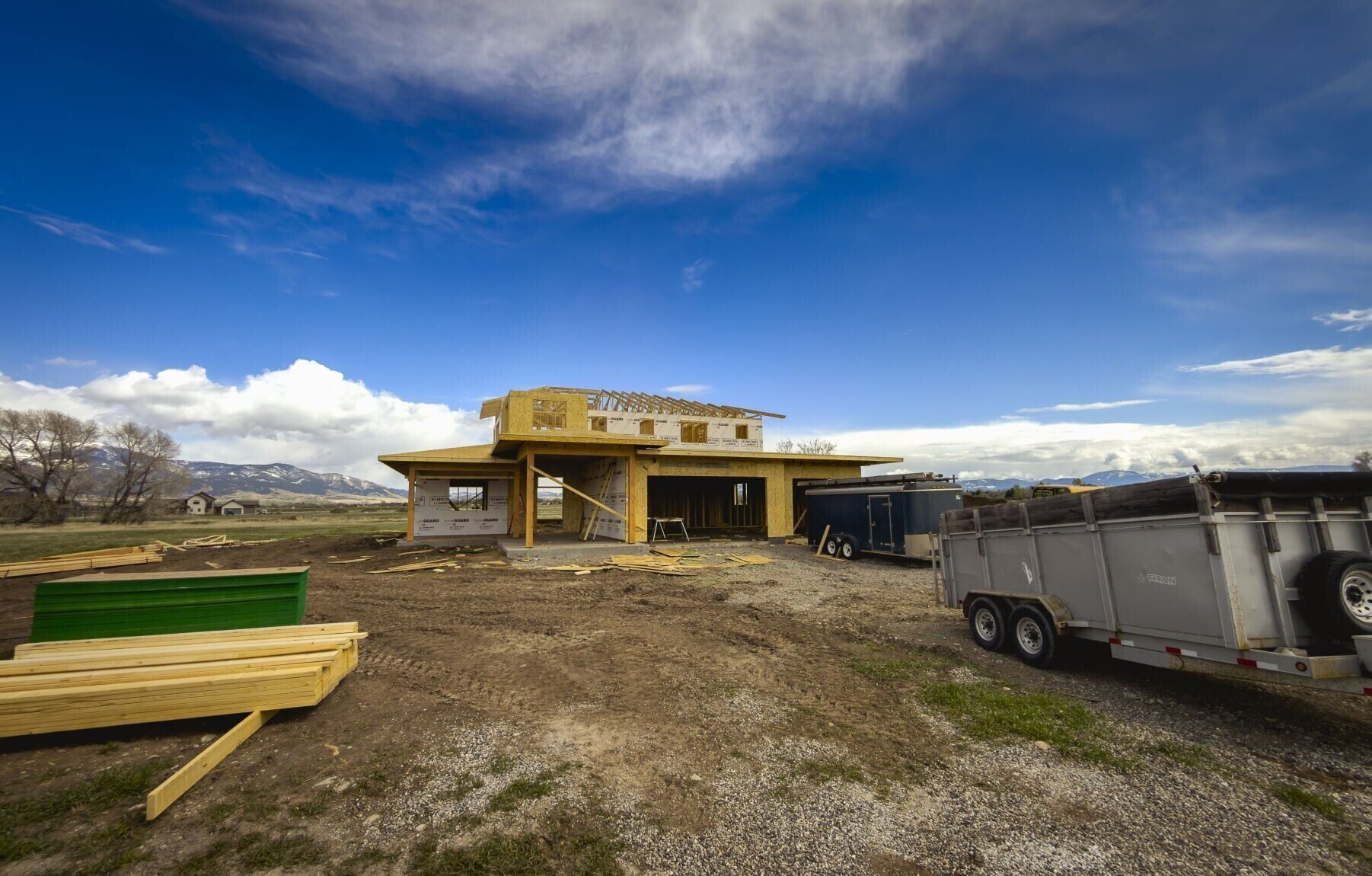
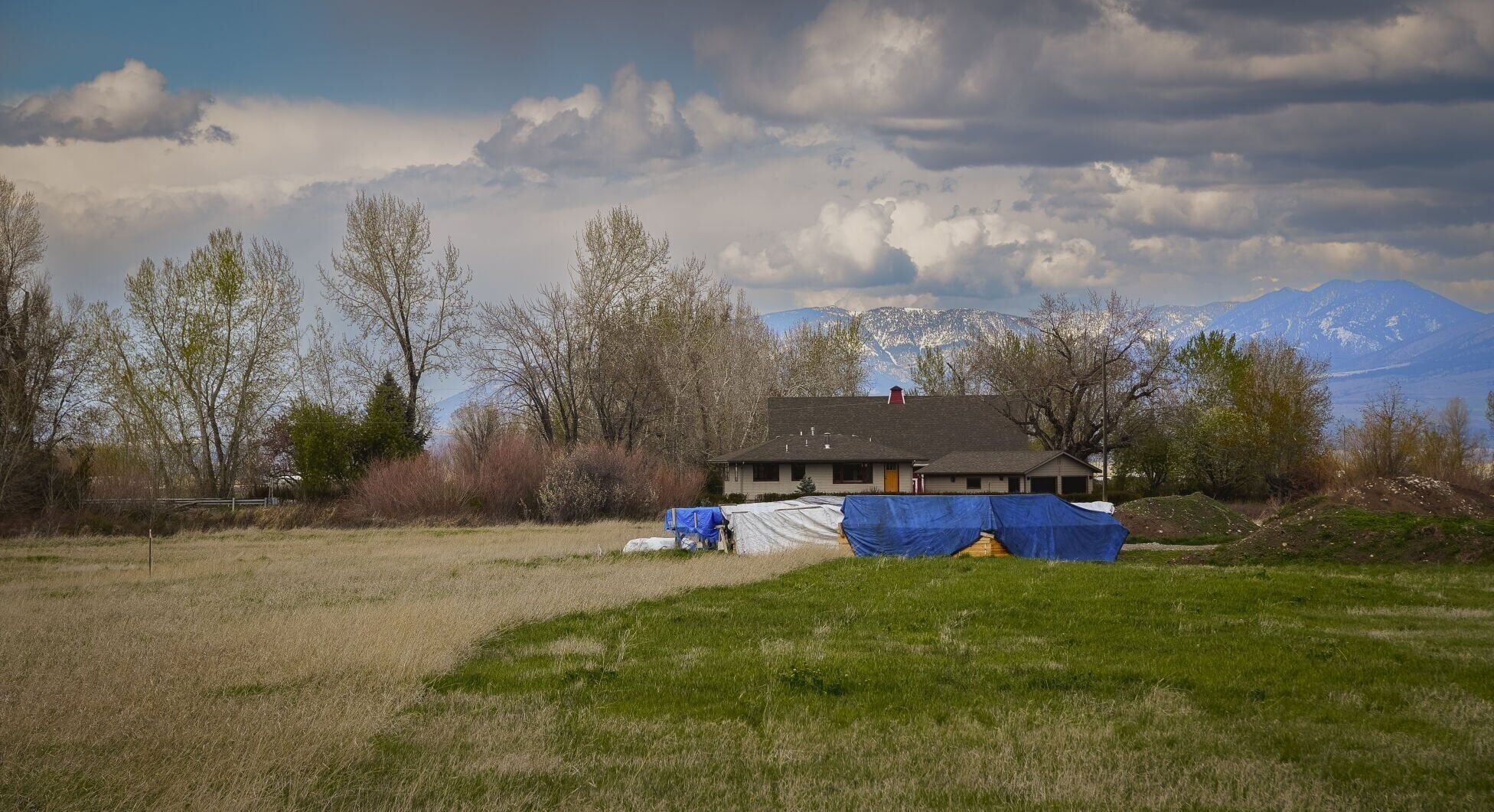
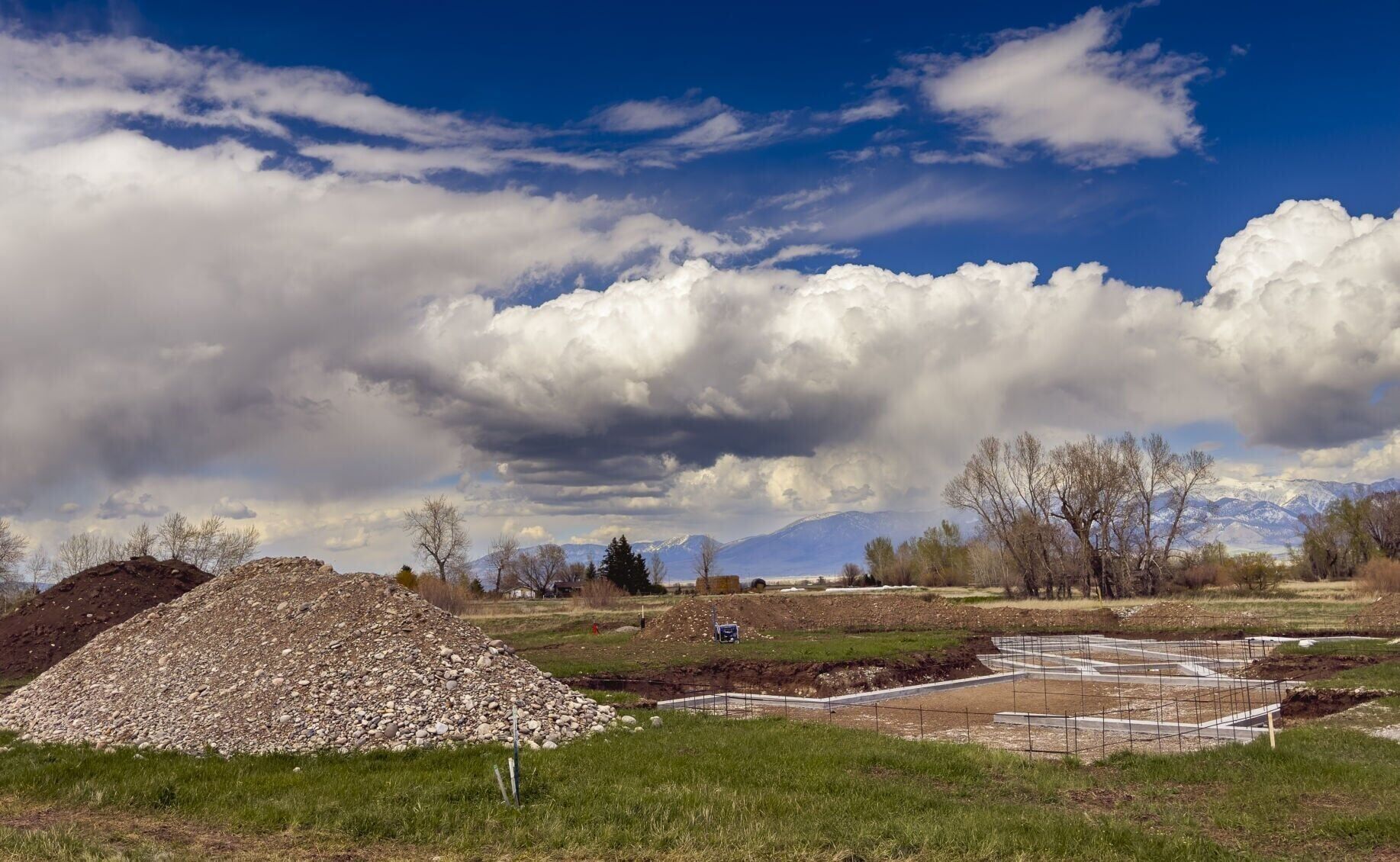
In the Riverwood East subdivision, several houses sit in varying phases of construction. Piles of lumber rest, still wrapped in plastic; foundations sit poured but unfinished; and scaffolding stands, waiting for siding that may never come.
“They got all their lumber there wrapped up and tarped and everything,” Jared O’Chalter, a framer working on a Riverwood East home, said, pointing to an unfinished house. “They just pulled out because they lost financing through Stockman (bank). They just stopped because there’s no point in paying that monthly construction loan and not being able to sell it.”
The foundation of the house O’Chalter was working on had been sitting for over a year before he was contracted to do the framing.
“They just got tired of it sitting and said, ‘OK, let’s go ahead and we’ll figure out the water issues later',” he said.
The DNRC’s response to Scott’s lawsuit is due on June 3. In the meantime, Rogers’ house sits on the market.
“I hope I live long enough to see a resolution to this,” Rogers said.




Comments ()