
‘In their backyard’: MCPS students study river ecology with science ed nonprofit
During a field trip on the banks of the Clark Fork River, Dalit Guscio asked a group of Missoula County Public School fifth-graders to get together for a photo.
“Can you tell me what mayflies do?” Guscio, with nonprofit Ripple: The Center for Education and Ecosystem Studies, asked the group. A brave student responded, “The mayfly mambo!”
“Everybody!” Guscio said, “Mayfly mambo!”
The group of about two dozen fifth-graders started wiggling with their arms in the air, replicating the movement mayflies make in water, as they posed for a picture.
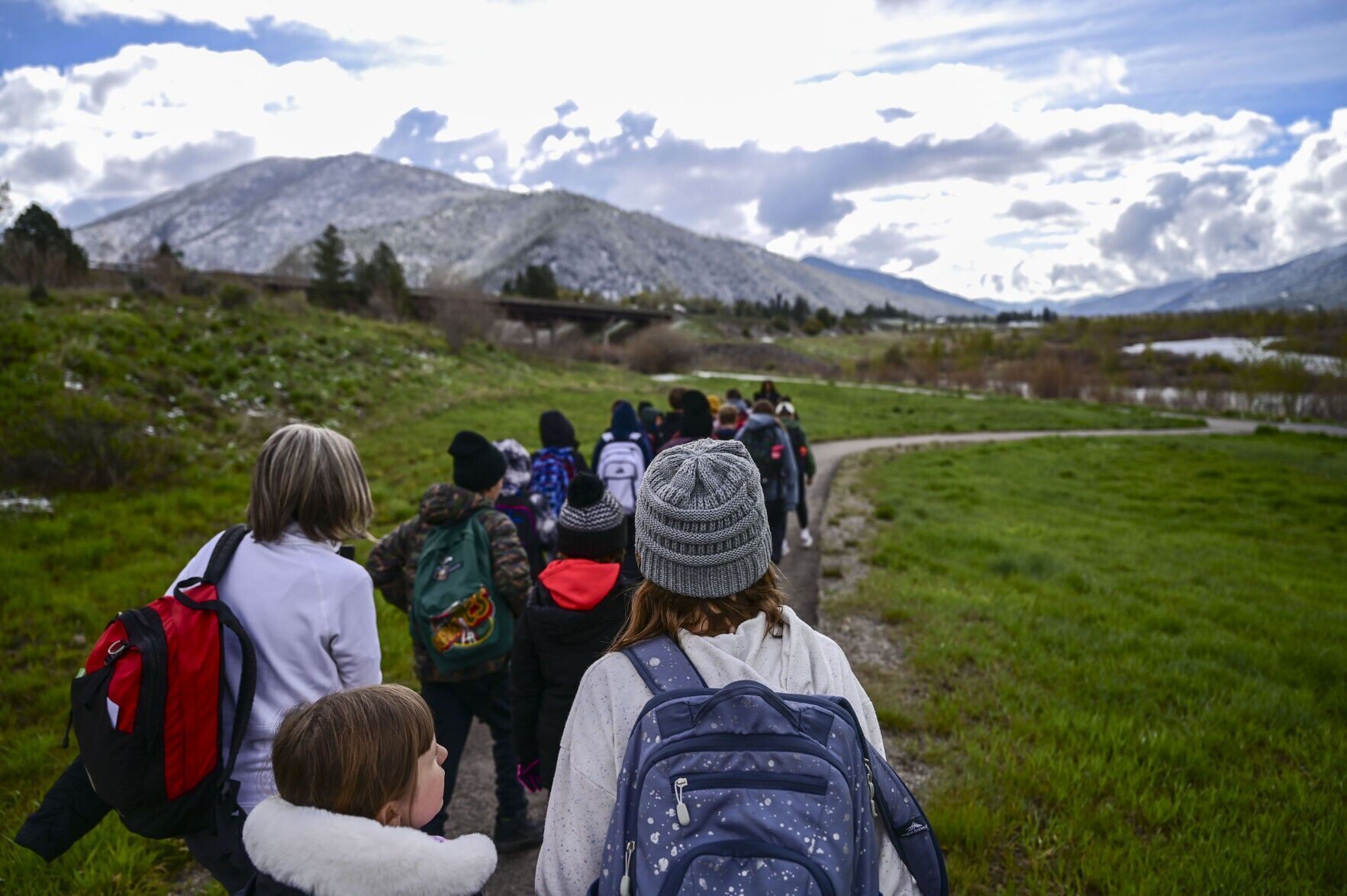
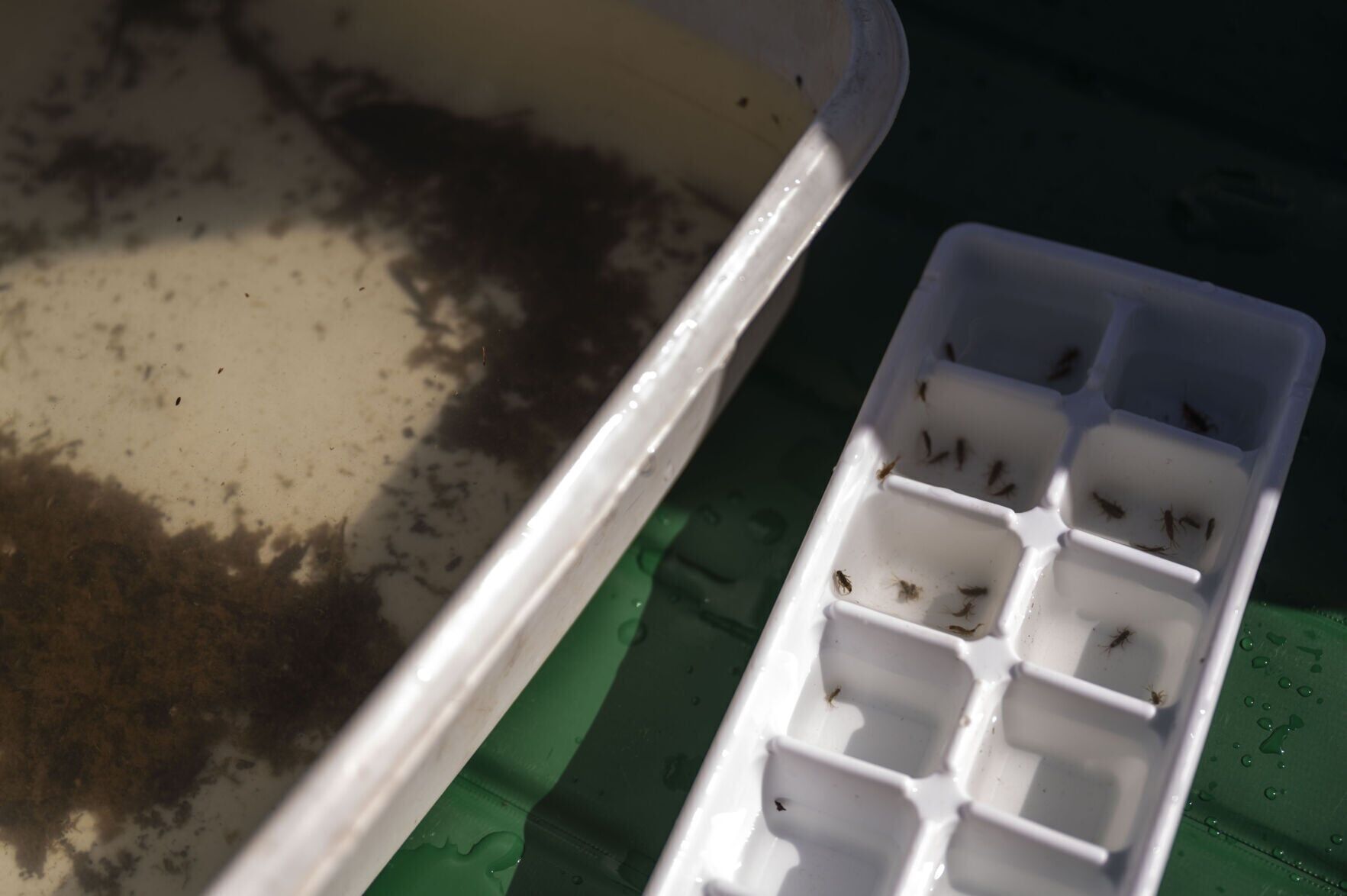
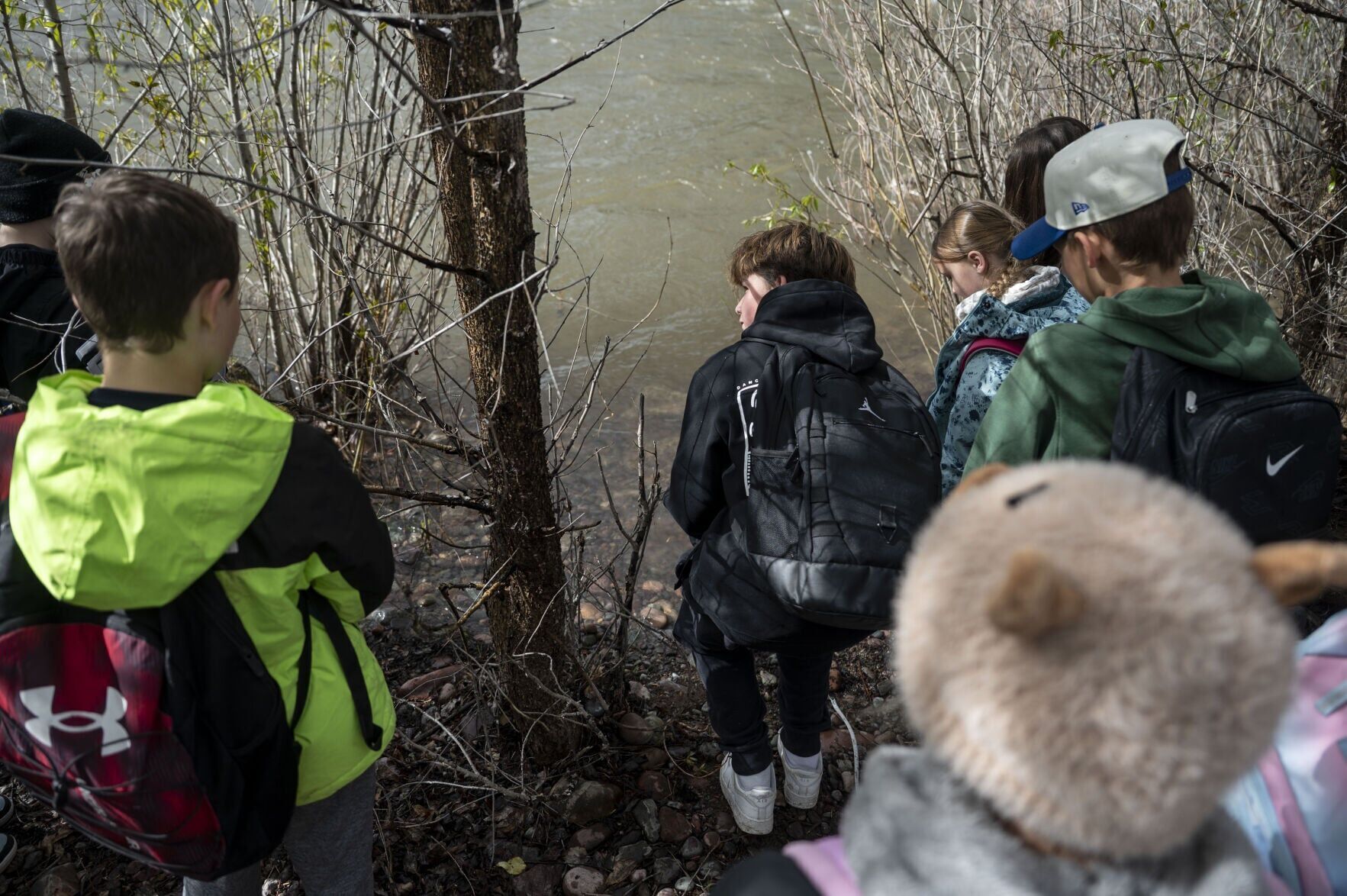
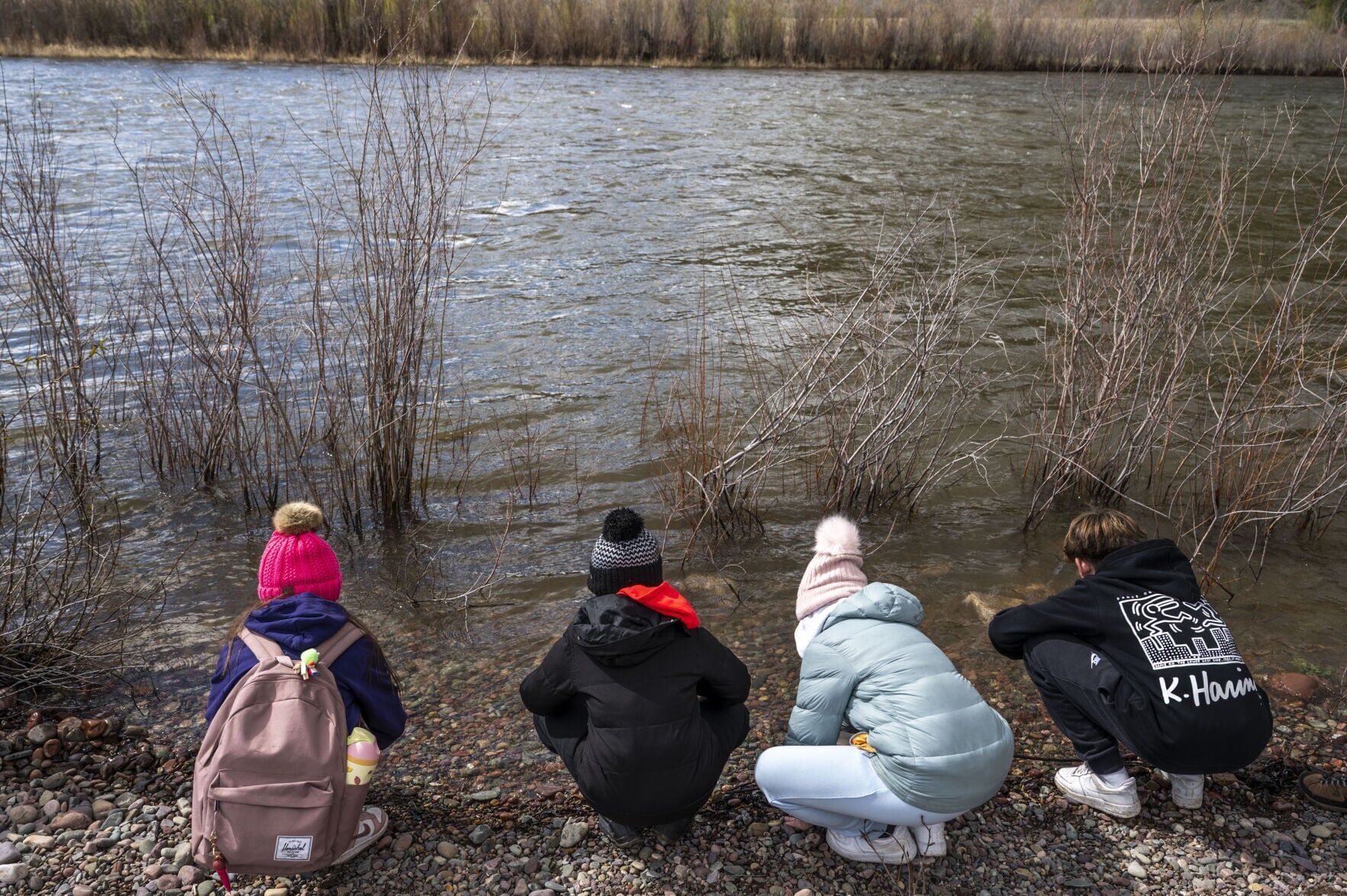
The students had just finished up identifying different species of bugs in the river, including mayflies, as part of a recent field trip to Milltown State Park to explore and test the health of the Clark Fork River.
Is the Clark Fork healthy? That question is at the center of the MCPS annual science field trip hosted by Ripple with help from University of Montana interns.
The Ripple field trip has been going on for more than a decade. UM intern Sasha Huber told the Missoulian nearly all his friends growing up in Missoula went through the program, so helping as a college student now feels like a “full-circle” moment.
“I go home and talk to our roommates, and they remember doing this,” he said. “It’s pretty cool to come out here with the schools that my friends went to and be able to give back.”
Huber attended Missoula International School so wasn’t able to participate himself.
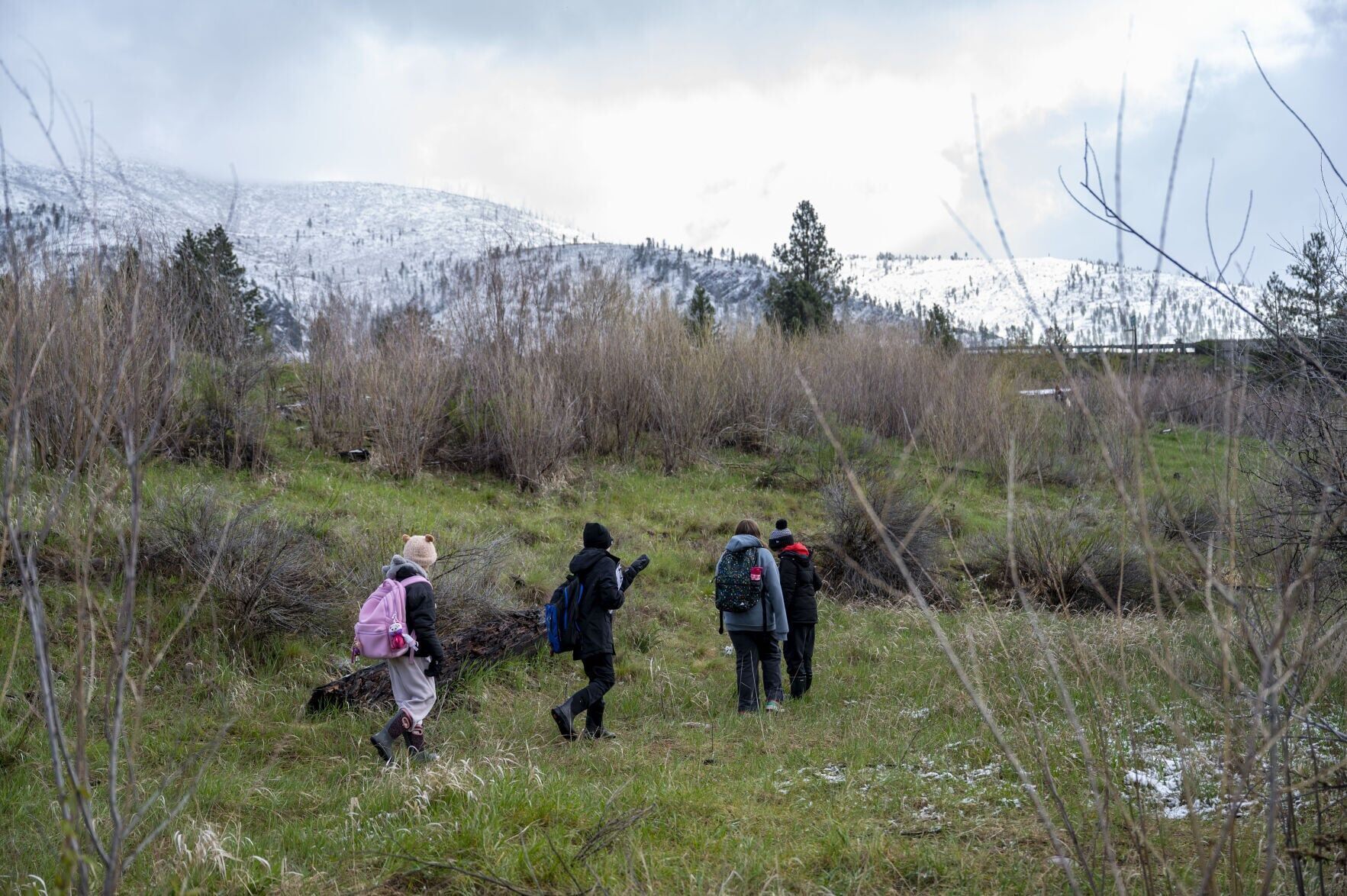
All MCPS fifth-graders attend the field trip, coming out to the banks of the Clark Fork in groups every Friday for about a month each spring.
Guscio told the students it’s important to regularly check the ecology of the river because while it’s healthy now, it wasn’t always that way.
Guscio brought the students to a spot near the location of the former Milltown Dam, which collected pollution from mining operations upstream in Butte and Anaconda before its removal in 2008. A restoration effort to clear contaminated soil in the river followed, and scientists, including staff at Ripple, continue to monitor the ecosystem’s health.
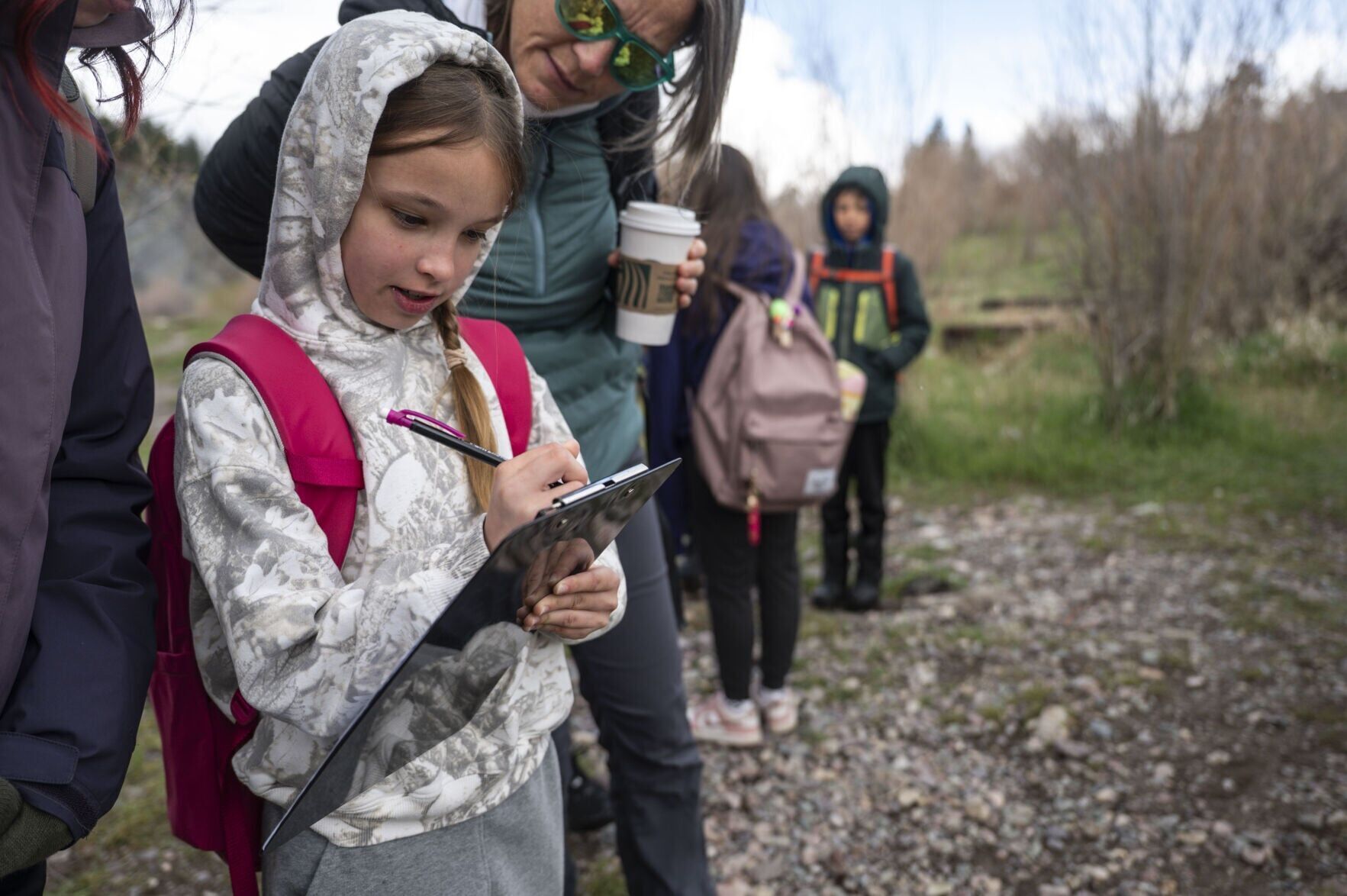
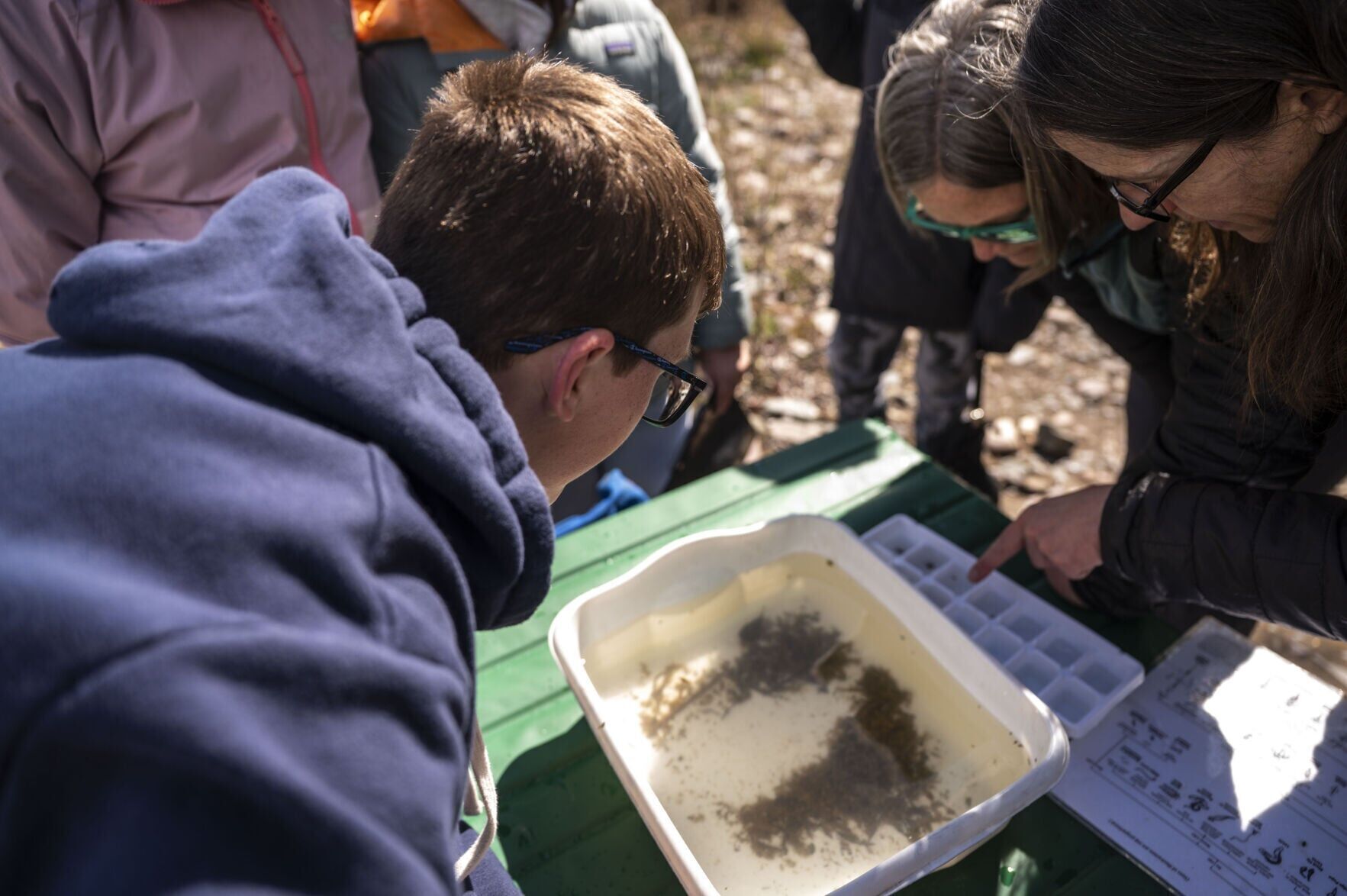
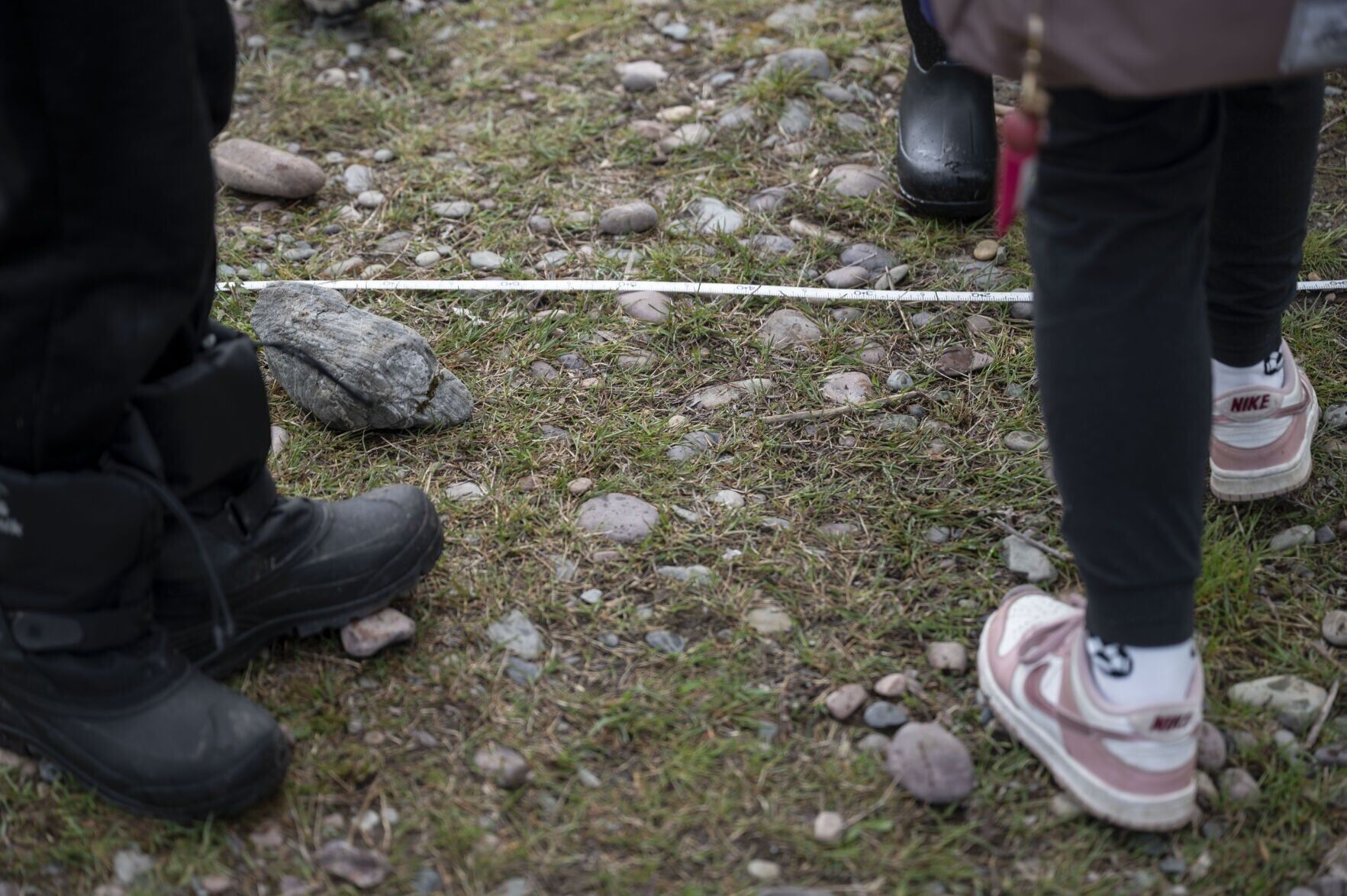
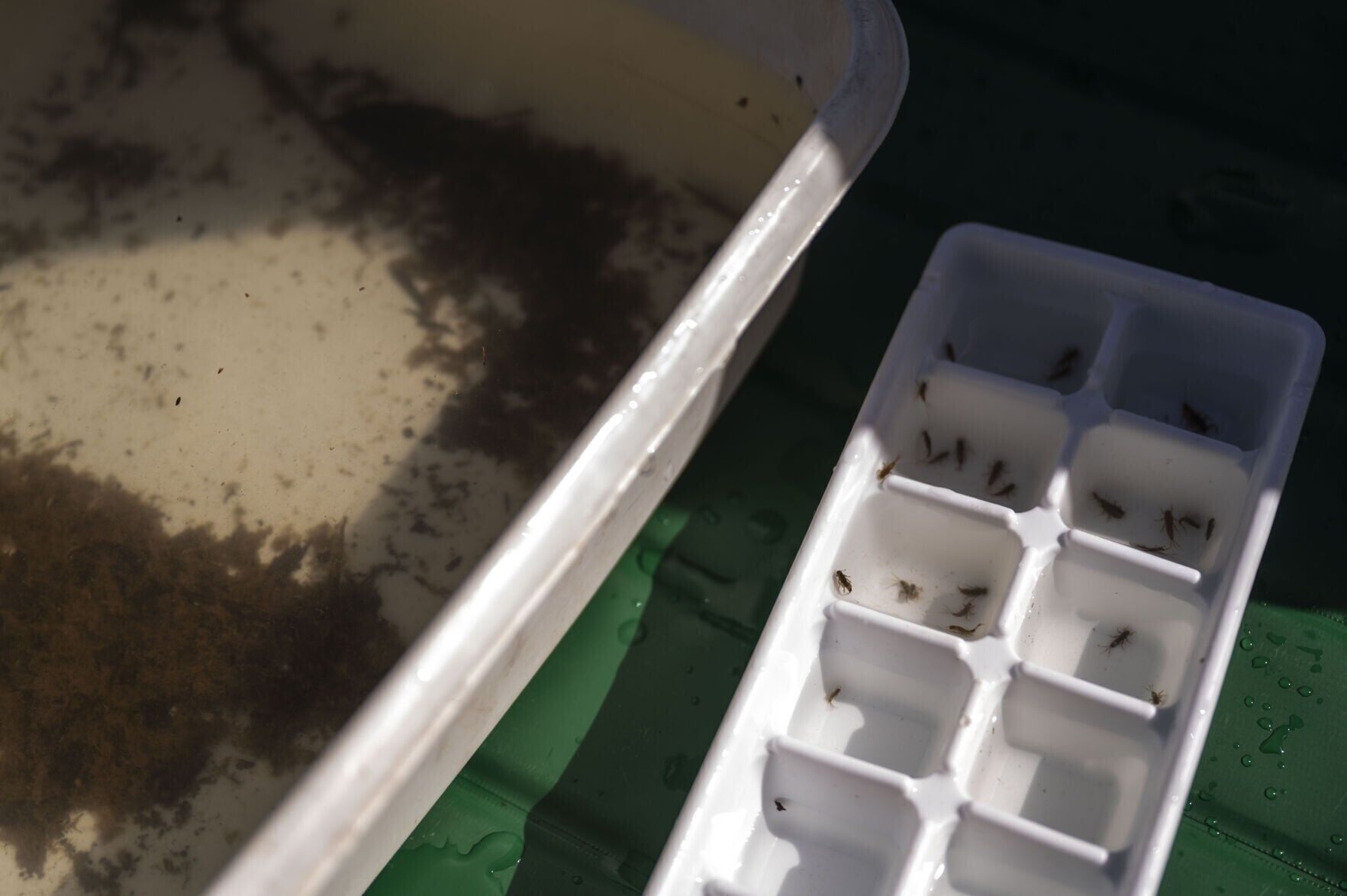
Students examined the different species in the water, spooning out squirming insects swimming in a muddy bucket into an ice cube tray. They also measured the acidity level of the water, as well as stream habitat diversity, writing their findings on clipboards throughout the morning.
Jeanette Rankin Elementary fifth-grade teacher Julie Papp has been going on these field trips for 10 years, and told students on her first trip they had just planted the trees along the shore, which were less than a foot tall at the time.
The tree canopy along the bank of the river on Friday stood several feet over the adults’ heads.
“Ten years to get to this,” Papp said of the trees.
Emerson Neldner, a junior at UM studying environmental science, said she went to “nature school” as a kid and enjoyed being able to “foster that same kind of love for nature that I got as a kid” by joining the field trip.
Ripple hosts field trips for schools along the Clark Fork from Butte to Missoula, but doesn’t take the kids all to the same spot. The lessons are instead “place-based,” or specific to a section of the river close to the communities students live in.
Guscio said the field trip is a great way for the UM interns to learn how to explain science and make learning fun for young kids.
She goes to classrooms ahead of the field trip to explain what they’ll be doing and its significance, and said she plays “devil’s advocate” with the kids when asked about mining and its consequences on the environment.
She discusses the environmental impacts but also raises the point that if mining stops completely, we collectively would have to give up cell phones, televisions and Western medicine.
The students will interact with Ripple again in the seventh grade, when the nonprofit comes with a stuffed osprey to discuss how the health of the birds can be another indicator of health in the river ecosystem.
She’ll show the students health data on ospreys and have them to try to find patterns, and this year plans to play live video of Iris, the famous osprey near Missoula College.
“We're crossing our fingers if [her new mate] brings her more fish and she stops yakking, then we might have a clutch, and we might have some chicks,” she said.
Seventh-graders are required to learn about evolution and adaptation, Guscio said.
“It fits perfectly with the standards that they have to study,” she added. “But it's in their backyard.”



Comments ()