
Independents occupy every federal race in Montana. How will voters respond?
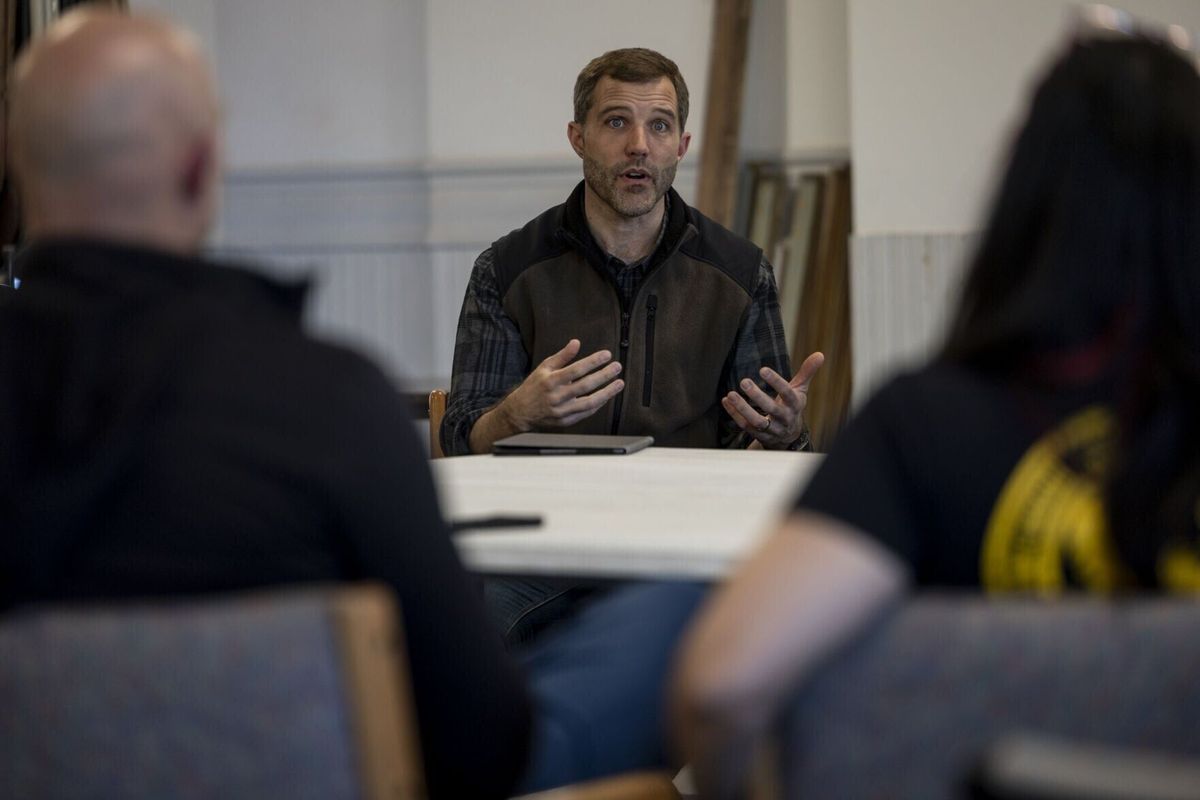
Mike Eisenhauer was supposed to be carefree at elk camp last fall, but he said he couldn’t stop from growing disgruntled at the congressional gridlock of the longest federal shutdown in U.S. history.
“I was sitting there watching the government shut down and putting all the federal employees out of business, out of an income, and just watching the two parties, not either one being willing to compromise at all, not either one even being willing to get in the room and really talk with the other one,” Eisenhauer, a part-time physician, said. “They were just fighting back and forth.”
That day he ultimately reached the conclusion that many self-identified independents have reached — that the government was failing to represent them.
“And it's not OK to complain unless you're willing to step forward and be a part of the solution,” the retired Army colonel said. “And drawing on that public service and drawing on a strong belief in citizenship, I decided to step in.”
He was the first independent to file in a federal race for this year’s November election, but he wasn’t the last. Kimberly Persico filed for the western congressional district on March 3, followed by Seth Bodnar’s long-anticipated bid for the U.S. Senate the next day. All three federal races now have independent candidates scrambling to reach the signature requirement due to election offices by May 26. Their filings come at a time when a record percentage of Americans are identifying as independents, even amid few political wins in Montana.
Eisenhauer said he reached the eastern Congressional district’s requirement of 7,247 signatures weeks ago after gathering them in his hometown of Great Falls, as well as towns like Havre and Livingston with volunteer signature gatherers. Throughout that process, Eisenhauer said he’s had self-identified Republicans, Democrats and independents sign to have him on the November ballot in the race against Republican U.S. Rep. Troy Downing, the incumbent.
“I've had very few people decline to sign the petitions when I personally have approached them, or when any of my volunteers have approached them,” he said. “There really is an appetite for a new way of doing this.”
His policies and rhetoric echo the other independents who share a frustration with the current two-party system not meeting the needs of Montanans.
His campaign website outlines a mix of liberal and conservative viewpoints: cutting taxes for the middle class and small businesses, securing the border, cautious support for abortion rights and bolstering background checks for firearm purchases. He came to his policies in the same way he works as a doctor, learning of issues, coming to possible diagnoses, and then monitoring the issue. Running as an independent is a better approach than following a party’s platform, he said.
“It's being beholden to Montanans and to what's best for Montana rather than being told what to do,” Eisenhauer said.
Eisenhauer said he plans to campaign full-time to get his name out after the primary. The candidate already loaned himself $200,000 for his campaign, having spent $74,738 at the end of March, according to campaign filings. Bodnar outraised both Democrats and Republicans in his initial filings in the Senate race, noting $1.35 million in contributions by the end of March.
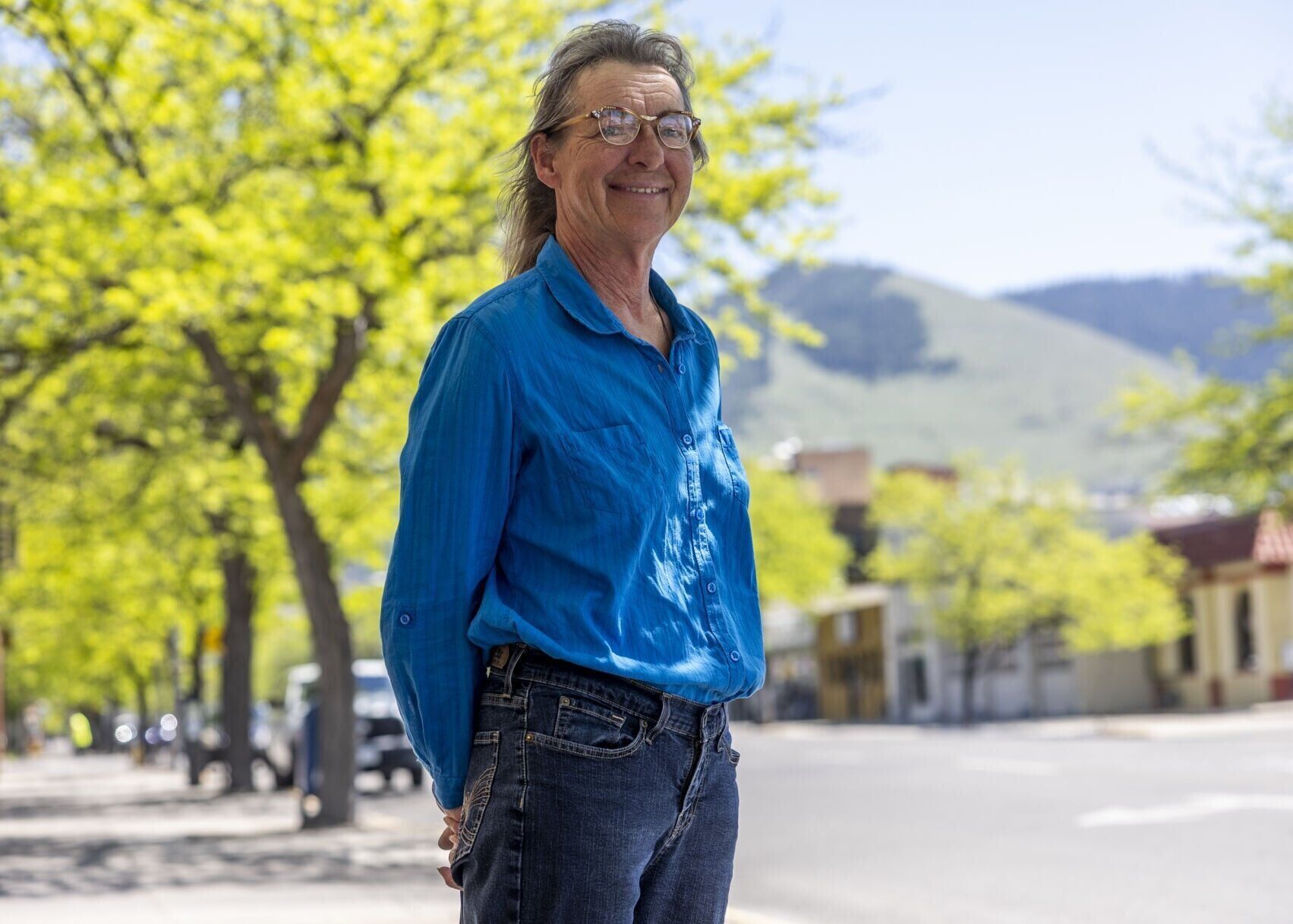
Persico raised less than $5,000 in her western congressional campaign. In an interview, the Hot Springs resident said she wasn't “looking real good” in getting the 6,742 signatures needed to qualify.
She said other neighboring states require fewer signatures to make entering the races more accessible. For instance, Idaho requires 500 signatures to run as an independent in a congressional district.
“Both parties here have deliberately made it difficult for an independent to get on the ballot” in Montana, she said. “I agree with getting ballot signatures because it weeds out people who can just write a check, but people who want to serve but don't have millions of dollars in the bank, don't have an option.”
The former scientist, like the other independents, hadn’t run for elected office before. The self-described fiscal conservative decided she would run back in Thanksgiving as she reflected on that year’s news.
“All of last year, I was watching the decay of our institutions and just the chaos in our government, and it was just getting worse and worse,” Persico said. “And then our representatives are out there kissing ass to Saudi Arabia. We don’t need to be kissing their asses. It got me very angry to the point where I needed to do something.”
Even if her petition to run is unsuccessful, Persico hopes her core message that government needs to be fundamentally changed and cleaned up amid a surge of dark money resonates with voters. So far, she said it has. She said Republicans have approached her saying they were happy she was running after the last-minute withdrawals of both Sen. Steve Daines and Rep. Ryan Zinke.
Uphill battle
Once they've gathered the signatures needed to be on the ballot, independents face another historical challenge: actually winning.
Between 1945 to 2024, no independent or third-party candidate has placed second in statewide races when both Democrats and Republicans have run candidates, according to “Big Sky Politics,” a book by Montana political veteran Jon Bennion. There’s only been two successful state legislative candidates with third-party affiliation in recent history. Once was in 2006 when a Constitution Party candidate won without a Republican in the race. Before that, a third-party candidate won in 1960.
Independents are technically the largest political ideology in America. Paul Pope, a political science professor at Montana State University Billings, noted recent polling showing 45% of Americans identify as independents, an all-time high for the poll.
“However, regardless of this identity, the two dominant parties are the Democrats and Republicans,” Pope said. “When you break down the character of people's ideology, they mostly fall into two categories, conservative or liberal.”
He said that leads to people voting for independents who still align mostly with their conservative or liberal beliefs, effectively aiding one of two parties they otherwise oppose.
“If an independent has a strong showing in an election, even if they cannot win, it is a strong indication of distrust in the other two party's policies,” Pope said. “Unfortunately, independents, with rare exceptions, usually do not grab more than 2-5% of the total votes cast.”
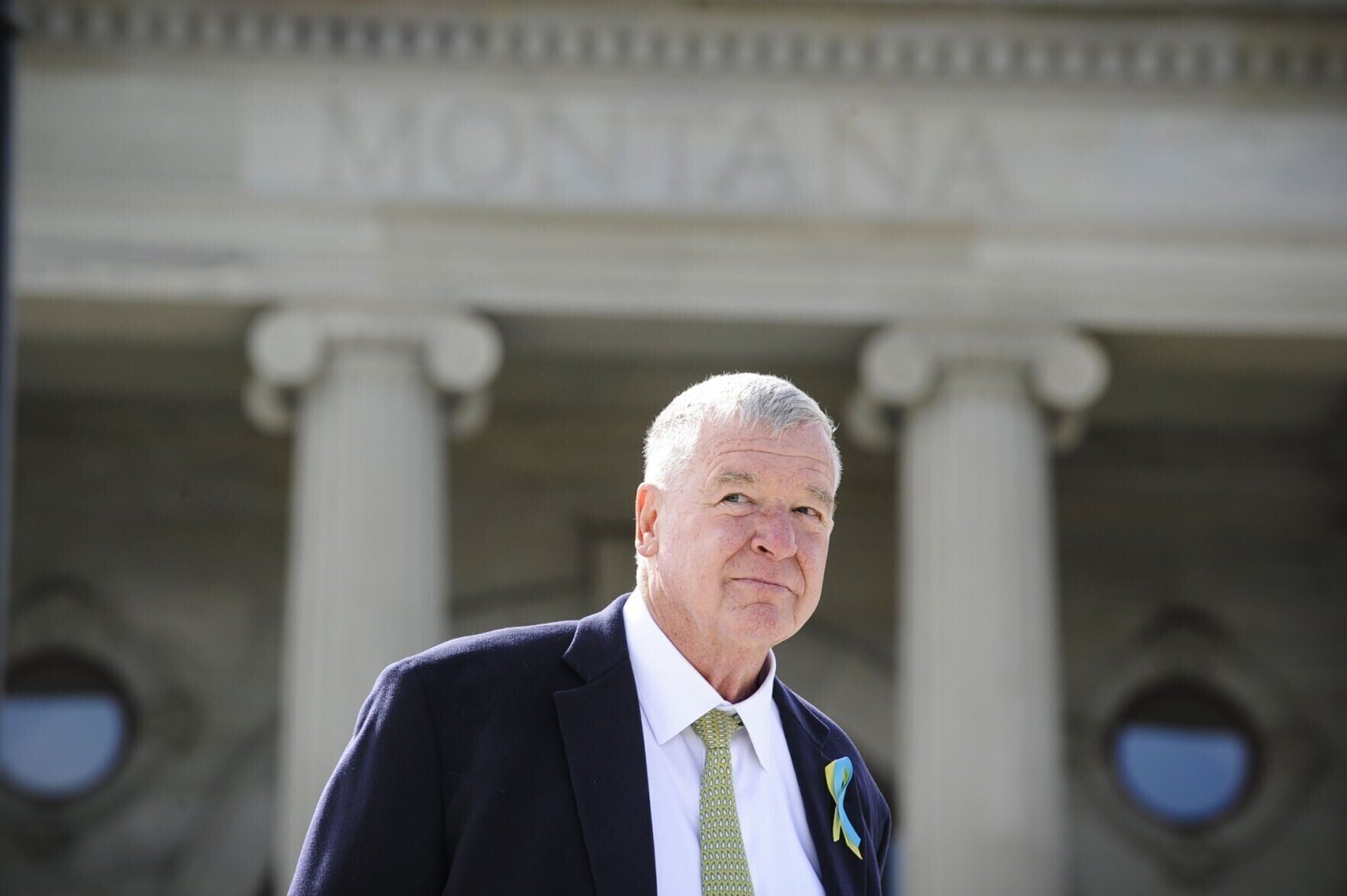
Independent candidate Gary Buchanan stands out for having placed second in the federal race in 2022 in the eastern congressional district that formed the same year. It was the only instance from 1945 to 2024 where a federal candidate placed second. He narrowly beat out Democrat Penny Ronning, gaining about 1.7% more of the total vote than she did. Still, their combined 42% share of votes combined wouldn't have been enough to beat out Republican winner Matt Rosendale.
Looking back now, Buchanan, who raised more than half a million in his run for Congress, isn’t certain he could have won with more money or an earlier start.
“I just think that the eastern district is so historically deep red, and although I had plenty of both Republican support and Democrats, that didn't translate into local votes,” the 77-year-old said in his office at Buchanan Capital.
Buchanan said it could be difficult for Eisenhauer to get his own name out there in such a geographically large district. Buchanan recalled a time campaigning when he went into a small-town bar with a white shirt and tie on. Patrons asked if he was with the FBI. Then they asked if he was Mormon. He had to explain that he was running for Congress.
Still, he asserted voters are more ready for an independent candidate than during his bid four years ago. The financial executive called Montana's current congressional delegation “bootlickers” and “sycophants” not working to help the people they serve. He didn’t see any break in dysfunctional party division in Congress either, hopefully leading to people considering an independent. Congress currently has an approval rating of 10%, according to an April Gallup poll.
"It's just that the environment is so much stronger and I think it will grow,” Buchanan said. “I think independents will continue to grow as long as we have the tribalism of the two parties. I think that's going to continue to piss people off.”
Having given advice to both Eisenhauer and Bodnar, he considered them both credentialed hard workers and “smarter than hell.” He believes independents need to stake out parts of their platform that strongly differentiate from the major parties, and that sounding too much like one party or the other will hurt a candidate’s odds.
Last week, Buchanan gathered 110 people for a fundraising event in Billings for Bodnar as the Senate candidate toured around the state. He said a woman was peering in, trying to figure out what the fundraiser was for. Buchanan opened the door for her and welcomed her in, though she dismissed the gathering as all a bunch of Democrats. Buchanan said she’d be surprised.
“The RSVP showed as many Republicans as Democrats,” Buchanan said. “Hell, a lot of them I don't know what they are, and that's the point of being independent.”
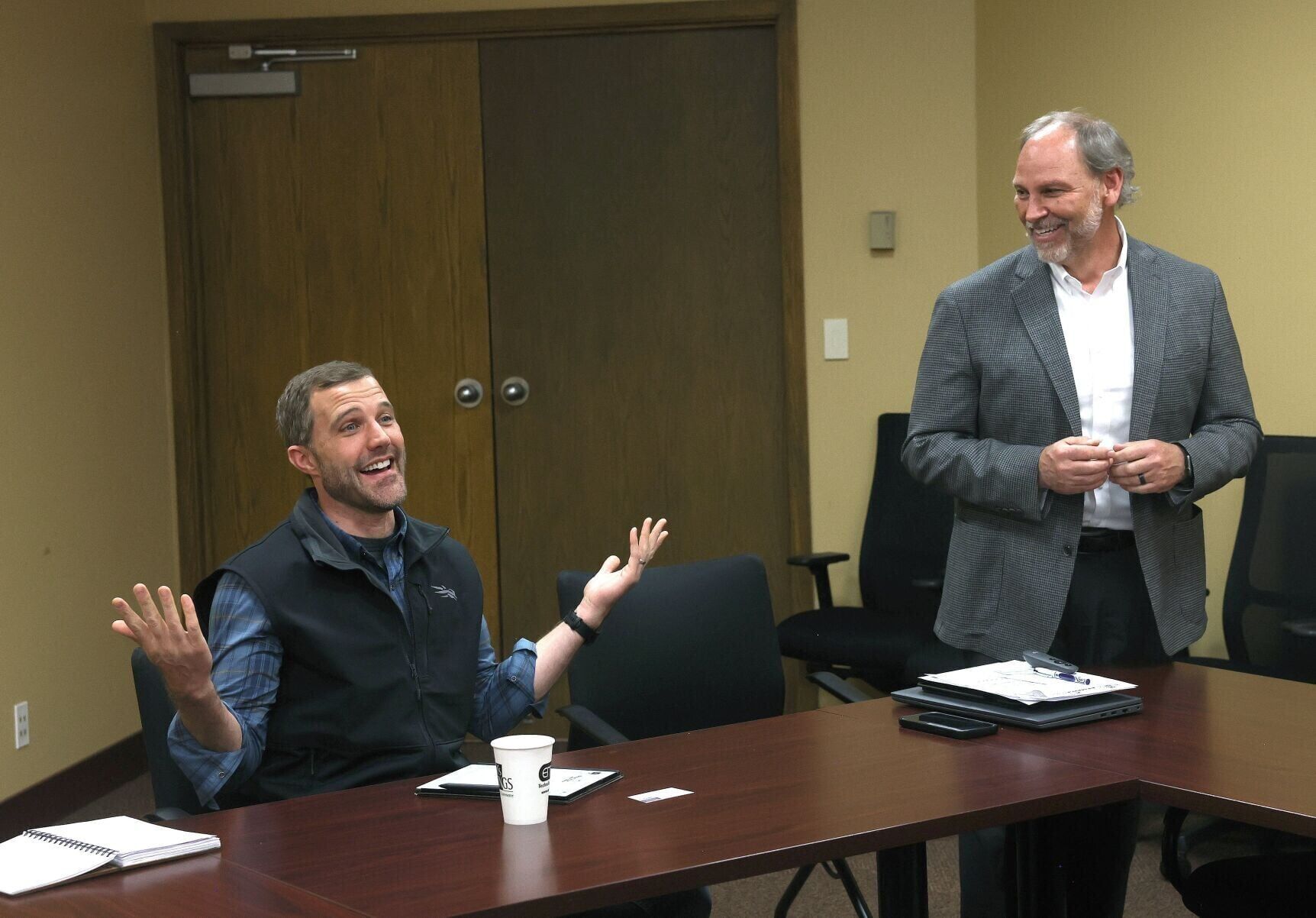
At a business roundtable with Bodnar in Billings last week, Billings Chamber of Commerce President John Brewer echoed ongoing public frustration with politics. He said the current system is not working for Billings businesses as federal policies like tariffs and the war add to additional costs.
The typically conservative-leaning entity doesn’t endorse federal candidates, the president said in his introduction of Bodnar.
“But if we were ...,” Brewer trailed off to laughter in the room.
After hearing the Senate candidate speak and expressing their own frustration with congressional inefficiencies, several roundtable participants passed a clipboard around to sign his petition.



Comments ()