
'Keep the lights on': Gallatin Gateway parents push school levy amid 'serious' deficit
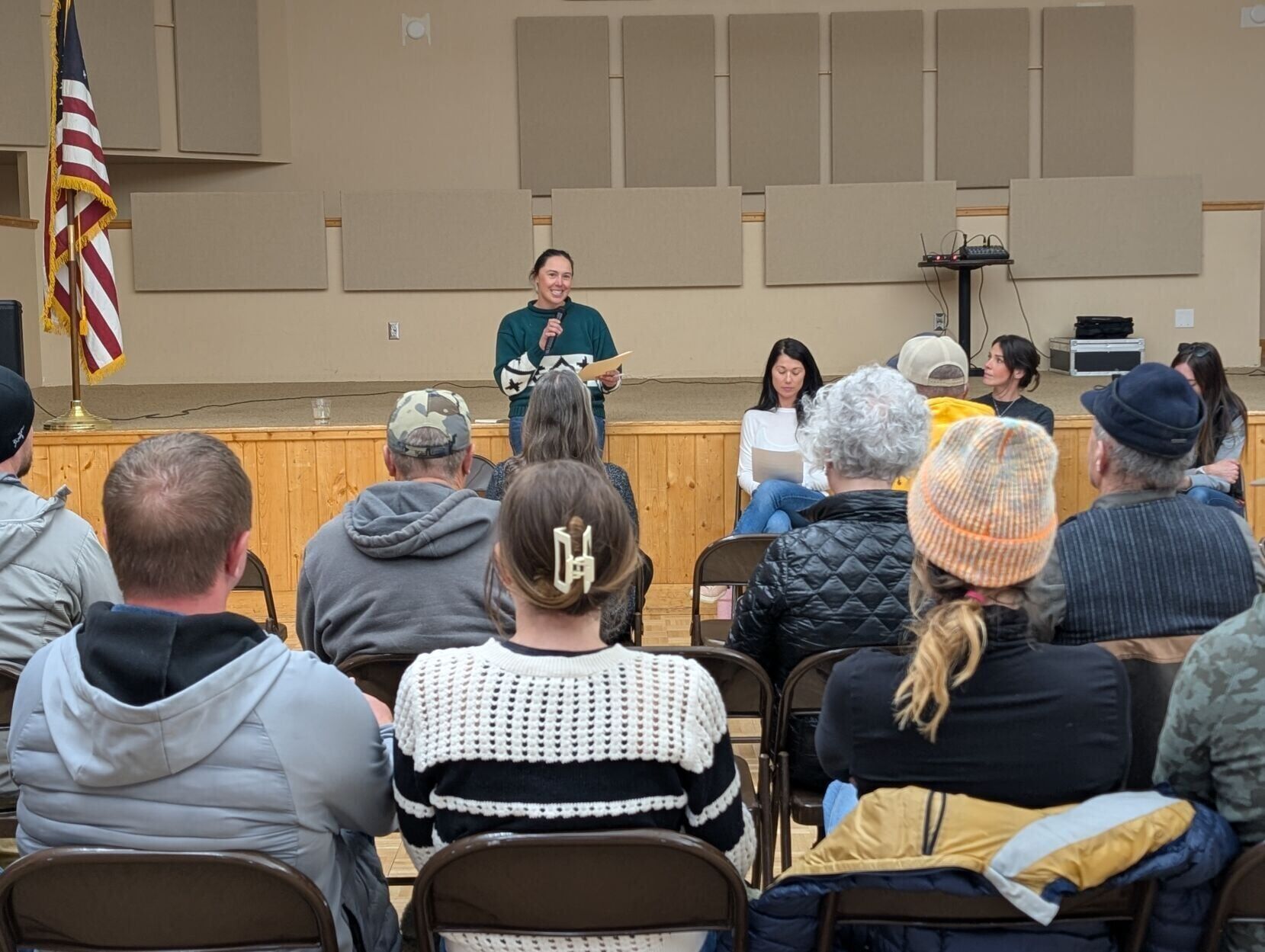
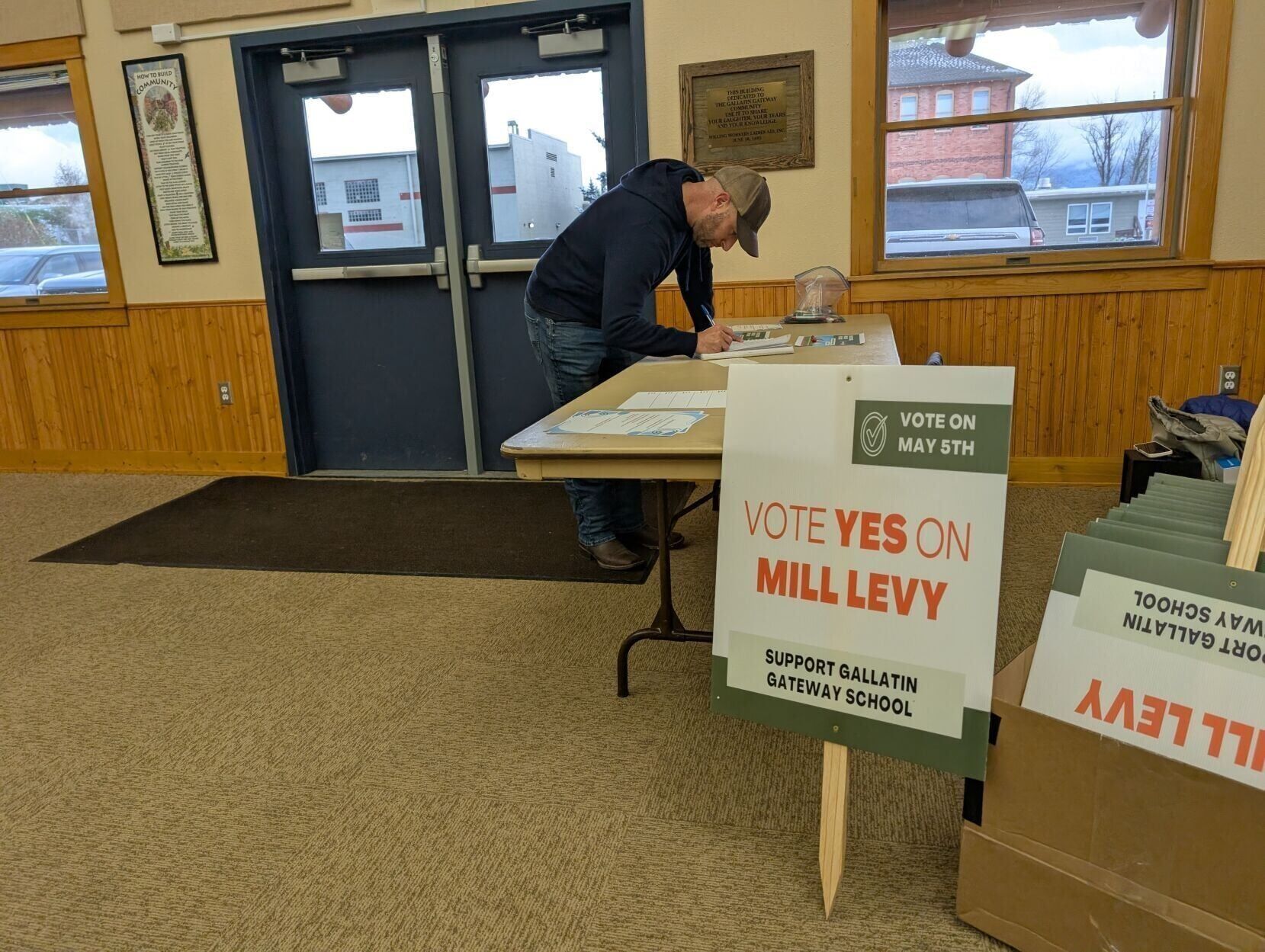
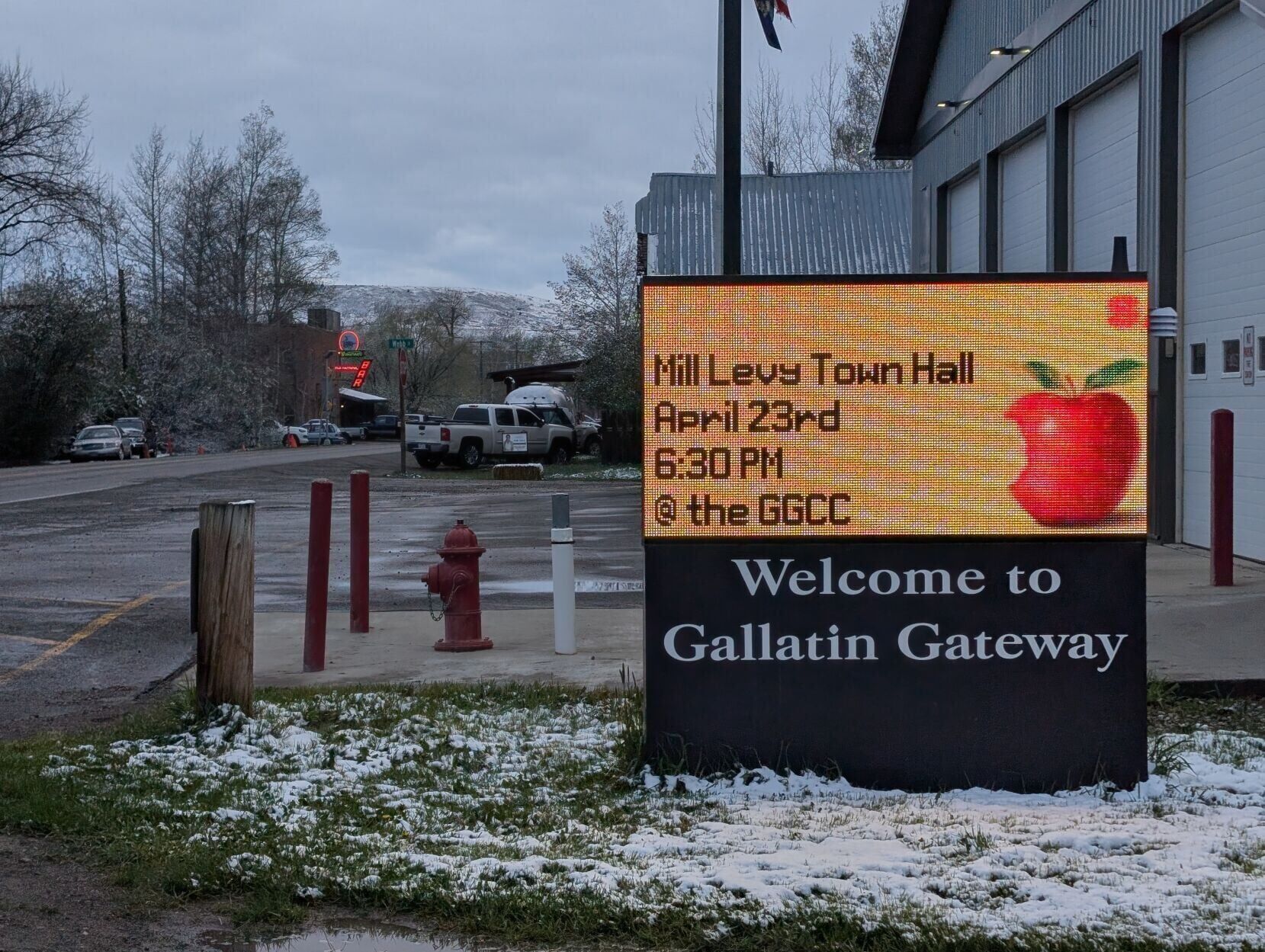
GALLATIN GATEWAY — With the May 5 election inching closer, a dedicated subcommittee of parents staged a town hall at Gallatin Gateway Community Center on Thursday night — fielding questions from the community about an upcoming levy aimed at stabilizing the school’s financial future.
According to the FY2026 Preliminary Budget projections for Gallatin Gateway Elementary, the district identifies a BASE levy requirement of $414,916.25. This figure represents the funding gap the district must fill through local property taxes to meet the minimum budget level required by state law.
To help fill the gap, a newly formed parents subcommittee is urging community members to vote “yes” on a mill levy requesting $47,975 per year.
Lead organizer Jacki Van Meter and three other members of the subcommittee hosted the event, and explained that the deficit is a combination of decreasing enrollment and rising costs of utilities, teacher salaries, and insurance.
“It’s not free for all spending. This levy is to fund our general fund, to pay our teachers salaries, and to keep lights on,” Van Meter said. “It’s not a very sexy amount of money, but that is what it’s for.”
If passed, the tax impact will be based on a home’s assessed value. For a home valued at $300,000, the cost is approximately $2.23 per month. While this levy won’t fully close the budget gap, subcommittee members noted that $47,975 is the maximum amount the district is legally allowed to request at this time.
If the levy isn’t passed, programs will have to be cut or restructured. Already, community members said the school’s PE teacher is set to resign at the end of the year, with the math teacher expected to take on that role in addition to his own next year. Also, the school has already cut its specialized art and music teachers, opting instead to integrate those subjects into general classroom instruction.
Without the levy, community member Laine Kay said additional programs such as hot lunch and busing hang in the balance.
“I’ve been a real supporter of this school for many years,” Kay said. “It is in serious, serious difficulty and this (levy) is a drop in the bucket.”
Erica Parrish, one of three candidates running for two school board seats May 5, said she also supports the school, where one of her children is already enrolled and another is set to start kindergarten in two years. If elected, she said she hopes to bring greater clarity and transparency to the school board and develop a plan to restore programs and staff positions that have already been cut.
“For me, it’s very personal because I want all kids to have equitable education and access to programs,” Parrish said. “I believe in transparency through communication and really working together collaboratively with the community.”
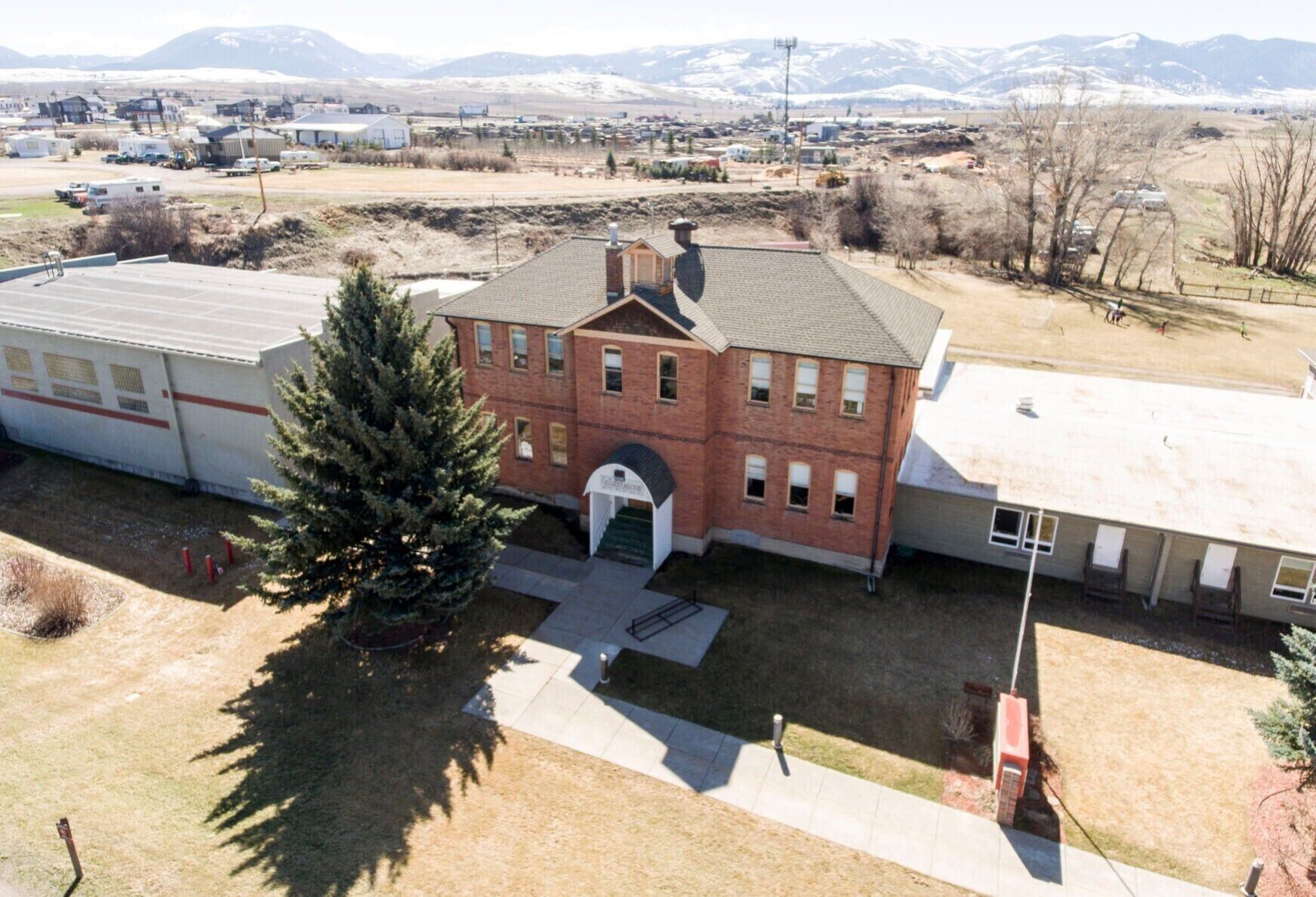
While school closure is not an immediate threat for next year, the subcommittee noted that it remains a persistent fear within the community. If the school were to close, the district would likely be consolidated into the Bozeman School District.
For many, Gallatin Gateway Elementary represents both a shared history and a unique experience in the valley. Subcommittee member Andrea Barham, who now sends her children to the same school she once attended, grew emotional as she reflected on its impact.
“I remember I was able to bring my horse to show and tell,” Barham said. “How many places in Bozeman get to do that, where their students get to bring their cow or chicken to show and tell?”
The subcommittee members agreed they value the rural nature of the Gallatin Gateway Elementary experience, and the ability to send their children to a small district where they have a direct relationship with teachers and school board members.
For subcommittee member Megan Buecking, the loss of the school would also have long-lasting ripple effects for the small community about 15 miles from Bozeman.
“If we were to lose the school, the community would lose its focal point,” Buecking said. “I think that’s a major concern. Then for the students, it’s a lot more stress having to go all the way to town.”
While the levy would cover only a small portion of the school’s deficit, some community members still voiced concerns. Among them was Tim Szafaryn, who questioned whether teacher salaries were too high, why the school installed a new fence despite its financial shortfall, and whether more emphasis should be placed on student-led raffles and other fundraising efforts.
“I worked for a corporation that would always encourage you to improve yourself,” Szafaryn said. “Are we having overqualified people doing simple stuff and adjusting for that?”
Subcommittee members said they understood Szafaryn’s concerns and clarified that the new fence was donated by a community member. They also emphasized that, as parents, they want highly qualified teachers for their children, even if that level of expertise comes with higher salaries.
Another community member, Jeff Krogstadt, whose wife taught in the Gallatin Gateway school for 18 years, was quick to address the room and express his appreciation for the work the parents subcommittee is doing.
“The perfect question that you’ve brought up is being able to do more. Right here is a huge component of what this community is doing,” Krogstadt said, indicating the subcommittee members. “They didn’t have to stand up and make a positive impact and try to get the people to come together. So these ladies right here are a huge reason why this community is what it is today.”
Beyond the town hall, the four subcommittee members, representing a broader group of about 15 parents, said their work on behalf of the levy and the school extends well beyond a single night of questions and answers.
“It’s been an untold number of hours of all of us together,” Van Meter said. “We’re going to the board meetings, submitting public comments, trying to organize parent groups to get involved, talking to the school foundation, trying to triangulate things.”
They said the levy is the immediate concern, but they are also pursuing other funding measures such as grants and an increase of fundraising drives to address the remaining deficit and protect the school’s long-term future. While they fielded some tough questions at the town hall, Van Meter said she’s ultimately received more positive reception from the community than negative.
“I think a bigger issue than people voting ‘no’ is just people not voting at all,” Van Meter said. “Because that basically is a no, if you’re not voting.”
Based on turnout in past special elections, the subcommittee members said it would take roughly 250 “yes” votes for the levy to pass. Reflecting on the town hall, subcommittee member Carrie Ashe said she isn’t sure whether the discussion changed any minds among those planning to vote “no,” but she hopes attendees left with a clearer understanding of the intention behind the proposal.
“If nothing else, even if we didn’t change a vote, I hope what we did tonight was show members of the community that people care deeply about the school, and there is a group of people working hard to help make the school successful,” Ashe said. “And that there’s good things happening in Gateway.”



Comments ()