
Millions were spent on Montana’s rowdy Republican legislative primaries. What’s next?
A “wash,” a “mixed bag,” some hard feelings and sleepy candidates — those are the more abstract results of Tuesday’s rowdy Republican legislative primary elections across Montana.
If the point of all the money and vitriol that went into these races was to change the makeup of the 2027 Legislature, the project looks to have ended in a stalemate, according to numerous lawmakers. For $4 million, the breakdown next session between the Republican Party’s far-right flank and its more moderate bloc will likely look very similar to its composition in 2025.
And if at a minimum this pricey and provocative strategy was designed to send a cohesive version of the Republican Party to Helena and advance a unified agenda, that goal could also be out of reach. In interviews this week, GOP incumbents wondered whether the months of acrimony would impede their ability to come together and effectively govern at the Capitol, or if another legislative session of sharp divides awaits them.
“It’s going to take some time for some of these hard feelings to separate out,” said House Majority Leader Rep. Steve Fitzpatrick of Great Falls. “There are going to be a lot of angry people on both sides. I think trying to get the caucus unified is going to be very difficult, and it’s going to take a special leadership group to do that.”
'Honor Roll'
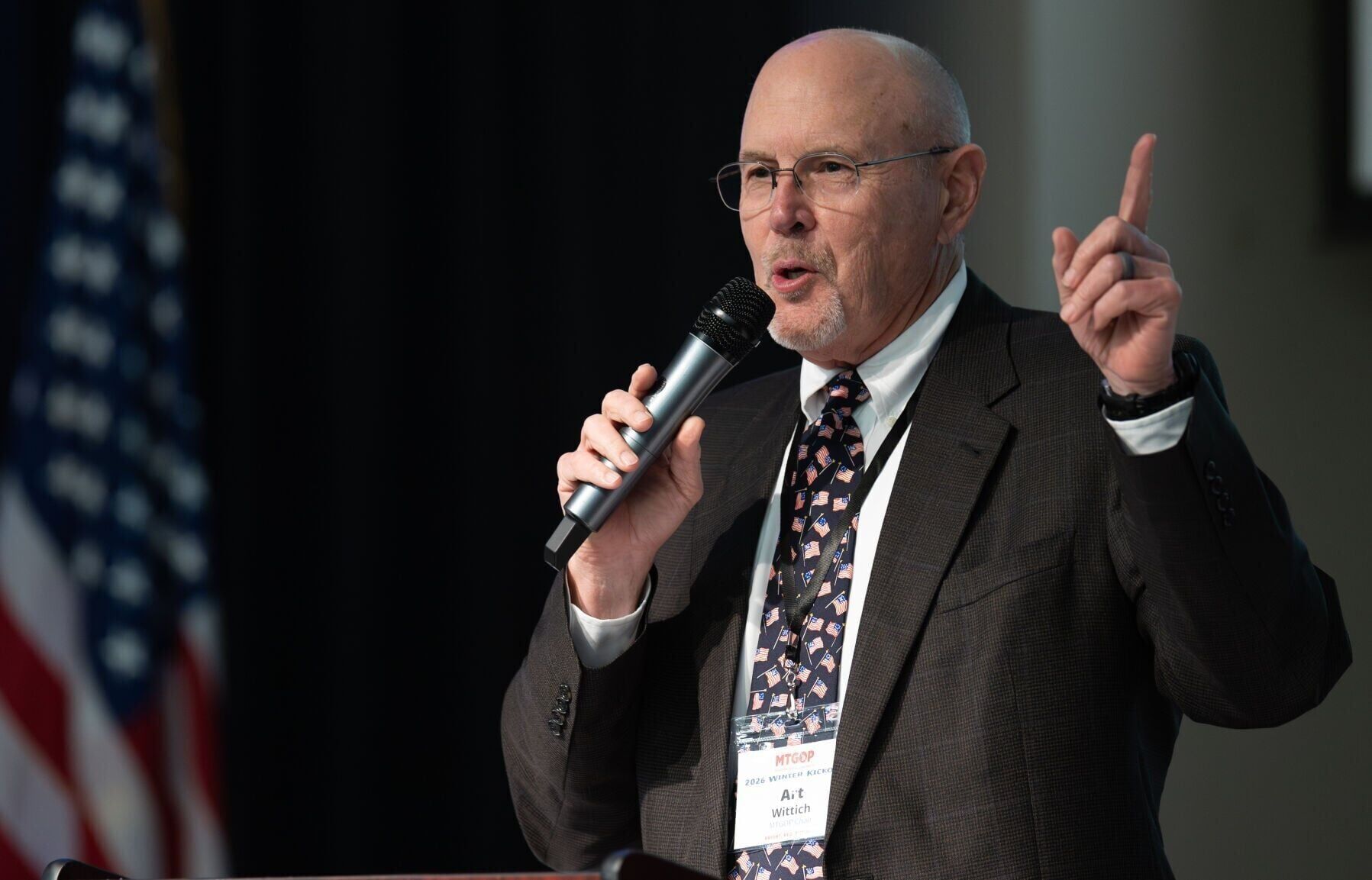
Under the new leadership of Chairman Art Wittich, the Montana Republican Party made public its mission to purge “Republicans in Name Only,” or “RINOs,” from its ranks through the primary.
A vetting committee determined which candidates were worthy of party support, and the 42 that made the cut were included on an informal endorsement, dubbed the “Honor Roll.” Their opponents became frequent targets of party attacks in the form of press releases, resolutions from the GOP executive board and social media posts.
Of the 42 GOP candidates ultimately backed by the Montana Republican Party, 22, or 52%, of those candidates won their primary.
“I think, generally, we had a good night,” Wittich told the Montana State News Bureau in a phone interview shortly before midnight on Tuesday.
Historically the state GOP has steered clear of primary endorsements. Whether this heavy-handed approach proved effective with voters is up for debate. While more than half of the party’s “Honor Roll” members won their primaries, the races those candidates lost were most consequential to the party’s assault on its rebellious centrist faction.
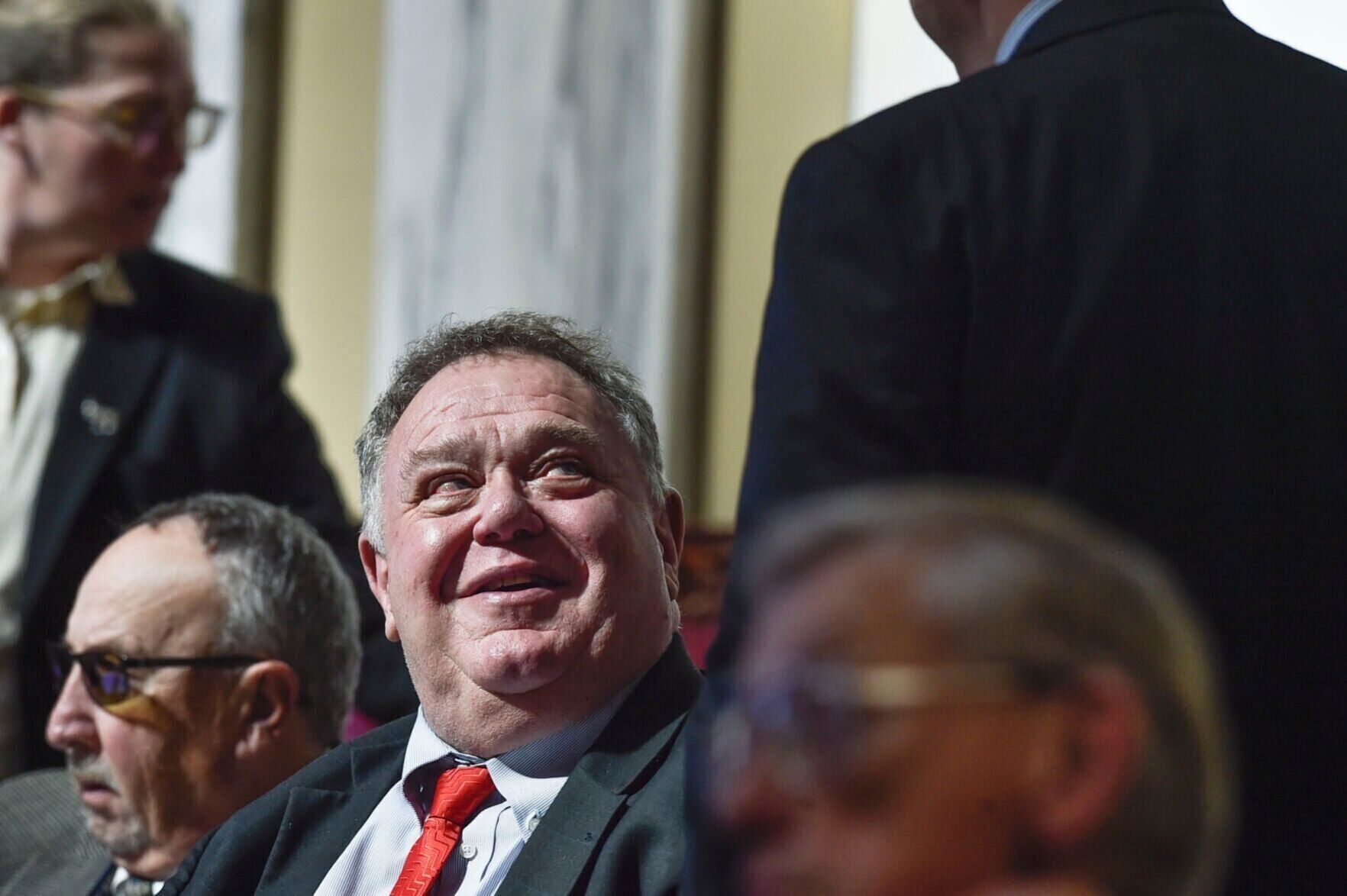
Rep. Llew Jones, a longtime lawmaker from Conrad and No. 1 target of the party loyalists, escaped defeat by 252 votes in his fiercest primary challenge to date Tuesday night against two-term Rep. Zack Wirth, R-Wolf Creek. Anonymous robo calls began hammering Jones’ district a year ago, an early sign of the gauntlet to come.
“I made it very clear I was going to continue to prioritize constituents over the party bosses and outside influences and do it the way I always do,” Jones said. “Zack made it more clear, at least in the forums he went to, that he was going to prioritize the platform.”
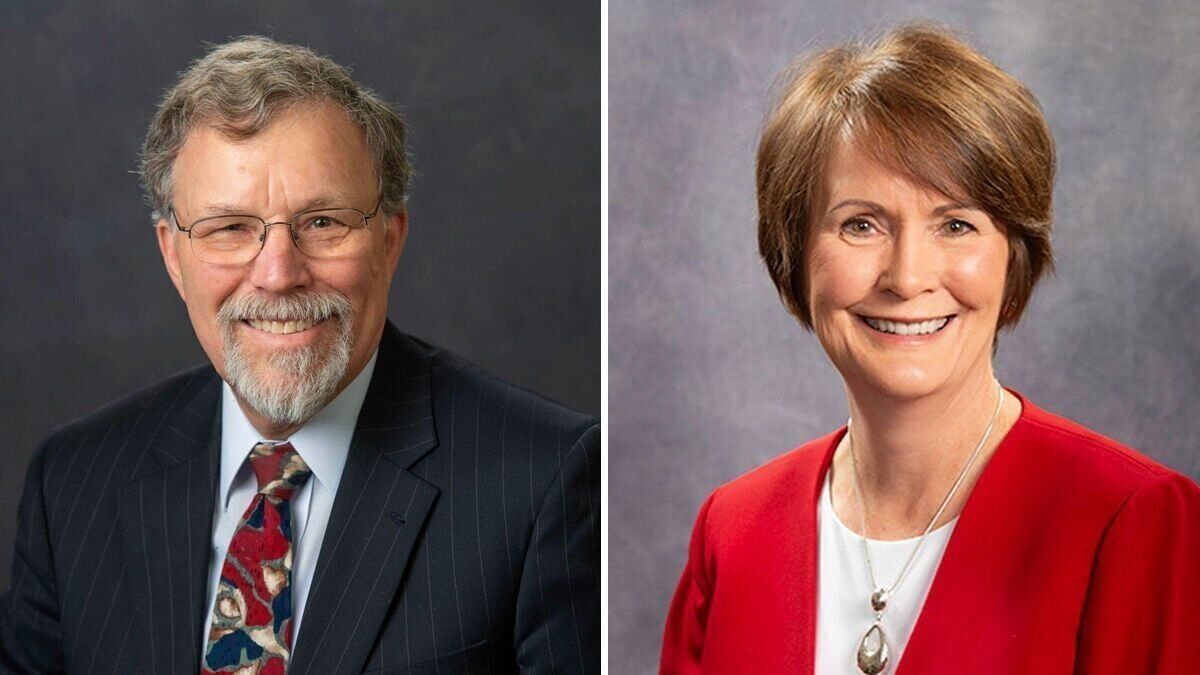
Rep. David Bedey from Hamilton was another of the party’s main targets. He outlasted a primary against Rep. Kathy Love, a GOP hardliner, and a constant lashing from the conservative Koch group Americans for Prosperity, with a 76-vote lead over Love.
“Clearly I and many others took a pretty terrible beating from a well-organized smear campaign,” Bedey said Tuesday night. “... I am happy to have been able to pull through in the face of those lies and I’m saddened by the fact that a number of my colleagues subjected to the same sort of treatment have fallen by the wayside.”
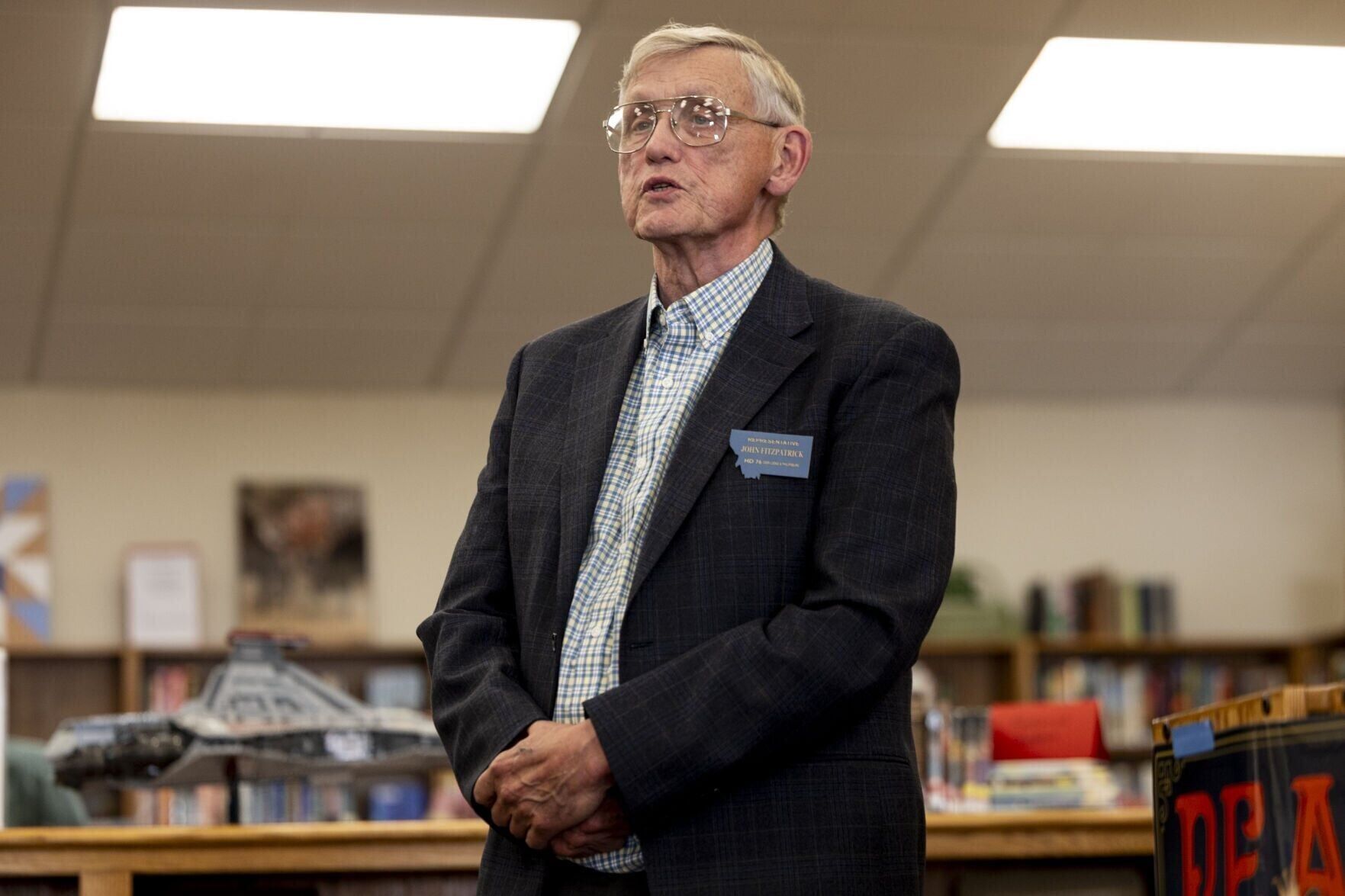
Rep. John Fitzpatrick, R-Anaconda, was one of those who couldn’t overcome the barrage of postcards and radio ads bankrolled by groups opposing his reelection bid. He said after the polls closed that he had knocked on 2,400 doors ahead of Tuesday’s primary and felt good about his chances heading into the evening.
School Freedom Fund, part of a network of conservative Washington, D.C., PACs that have dabbled in Montana politics for years, spent $3,500 on radio ads against Fitzpatrick in the last month of the primary. In total, School Freedom Fund spent $51,000 opposing Fitzpatrick.
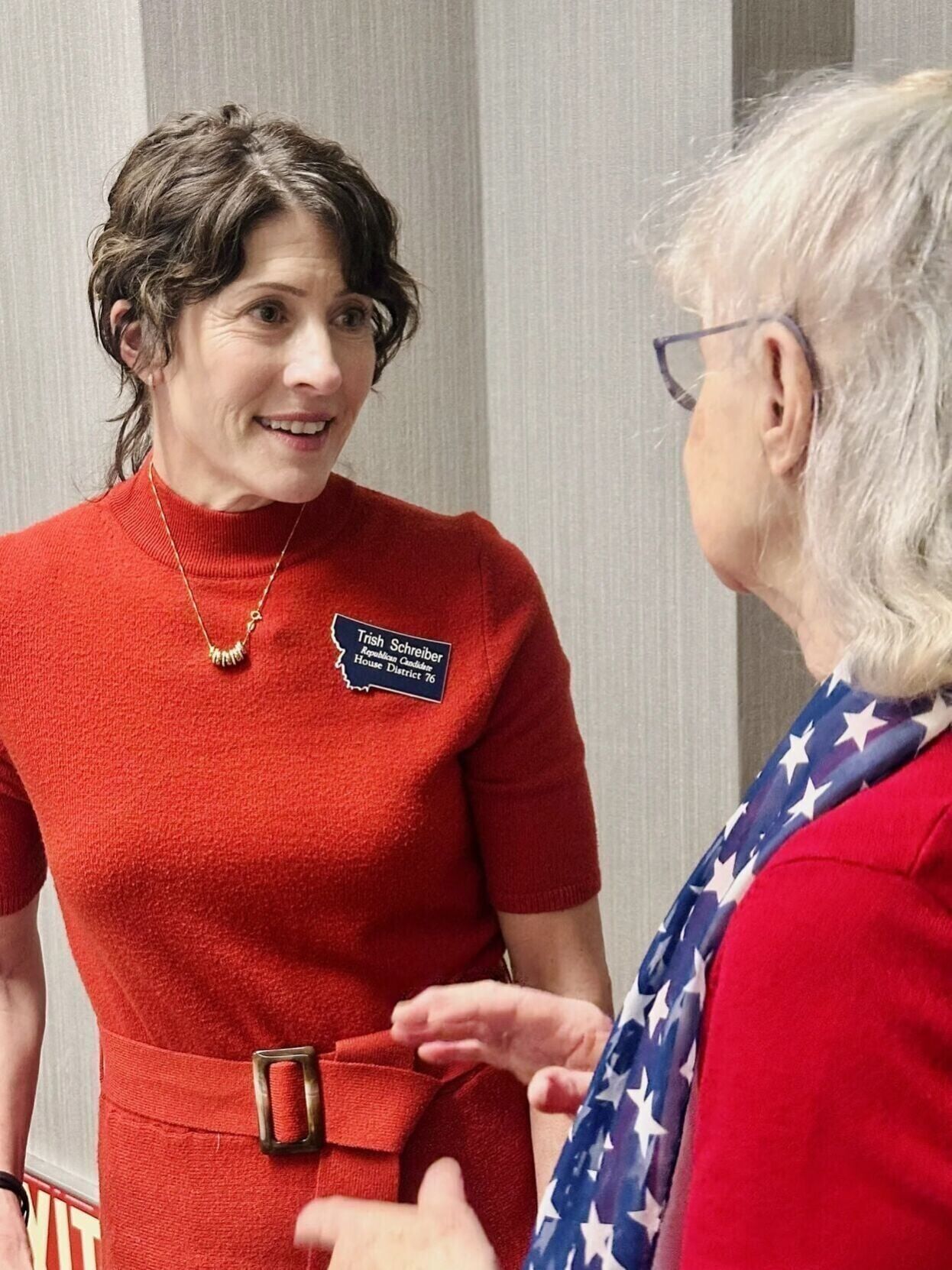
His opponent, school choice advocate Trish Schreiber, finished the race with 61% of the vote.
“Any Republican who sides with Democrats to oppose school freedom, regardless of their office, should expect to lose their next election,” School Freedom Fund President David McIntosh said in a statement on Wednesday.
John Fitzpatrick bemoaned a political environment where he guessed spending in his district alone could come in around $100 per voter. He called it “insanity.”
“Forget about my race,” Fitzpatrick, a longtime lobbyist who’s worked in several governors’ administrations. “I’ve been around this business for over 40 years. I’ve never seen that much spending in a legislative race.”
‘Fight for something’
The two factions appear to agree on very little these days, but lawmakers on both sides of the GOP divide said the downpour of spending in these primaries was fraught with misinformation and negativity that made it difficult to pierce the noise with a proactive message.
Rep. Ken Walsh, a Twin Bridges Republican who was unseated by a challenger backed by the state party and AFP, said he felt like he was backpedaling from the start of his race.
“It just kept coming, whether it was the fliers, radio ads, internet, TV ads, it was like — what’s next?” Walsh said.
Sen. Barry Usher, one of the most vocal members of the Freedom Caucus, said “both sides were on defense as much as they were on offense.” Usher lost his seat to Chris Rindal, a newcomer from Lewistown who campaigned on dialing down hyper-partisanship.
Combating the onslaught of political advertisements and outside spending required candidates to wage a ground game of their own almost as unrelenting as what they were up against.
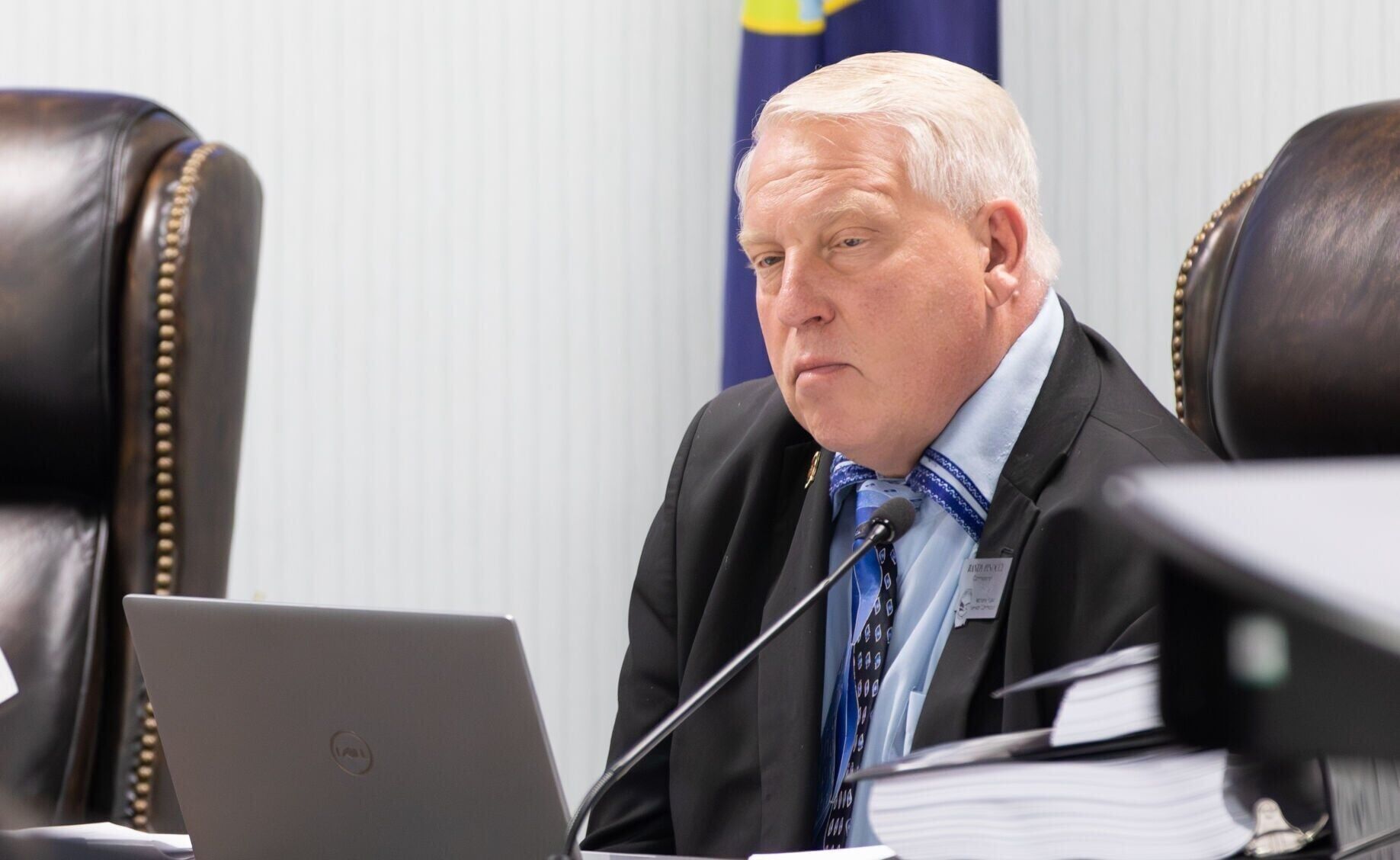
That approach translated to decisive wins for two opposite Senate candidates in neighboring Cascade County districts. Rep. George Nikolakakos, a reliable member of the bipartisan voting bloc with an axe to grind, threw $125,000 of his own money into his campaign and ultimately fended off Randy Pinocci, who calls himself a “RINO hunter,” in the race for an open Senate seat.
“I think what happened tonight is the people who number one show up and number two are willing to fight for something, those people seem to have won regardless of the faction that they’re in,” he said. “I think people want to see you fight for something.”
Next door, former legislator and hardliner Steven Galloway bested Rep. Ed Buttrey, a moderate who has been elected to office by Great Falls residents for the last decade. Galloway said he put up 300 yard signs and missed work and family events to spend spare time knocking doors.
“I thought if I put in the work, that was going to do it,” Galloway said.
Nikolakakos earned 68% of the vote to Pinocci’s 32%, and Buttrey took only 33% compared to Galloway’s 67%.
“By and large, the people who had some fight, who had a presence, won,” Nikolakakos said. “The ones who didn’t lost.”
Next week’s GOP convention
The Montana Republican Party platform convention is next week, although in recent years these events have largely been populated with the GOP hardliners.
Wittich said he hopes to see some of the more-moderate faction in attendance, however unlikely that may be.
“I want them to participate with the Republican Party,” the chairman said. “The convention isn’t just any convention, it’s our platform convention, and if there’s something about our platform they have a problem with, this is their opportunity to amend it.”
Montana Melee: GOP legislative primaries a mixed bag in feud between hardliners and centrists
Centrists have tried and failed to leave their mark on the platform before. In 2022, Bedey tried to soften the abortion plank with an amendment to allow the procedure in the case of rape, incest or imminent threat to the mother. He was booed.
As of Wednesday, none of the GOP lawmakers at odds with Wittich sounded interested in coming back under the wing of the party. Asked if he expects Jones, for example, to attend the convention on June 12, Wittich was sanguine.
“I hope he is,” Wittich said.


Comments ()