
Montana Army National Guard battalion swaps tanks for agile trucks in historic shift
The oldest Montana Army National Guard battalion bid its war-seasoned tanks goodbye Wednesday as it shifts toward newer, more agile equipment for modern combat.
The unit, once formally titled the 1-163rd Cavalry Regiment and newly renamed the 1-163rd Infantry Battalion, had seen trench warfare in France, jungle campaigns in the Philippines and desert landscapes in Syria during its storied history.
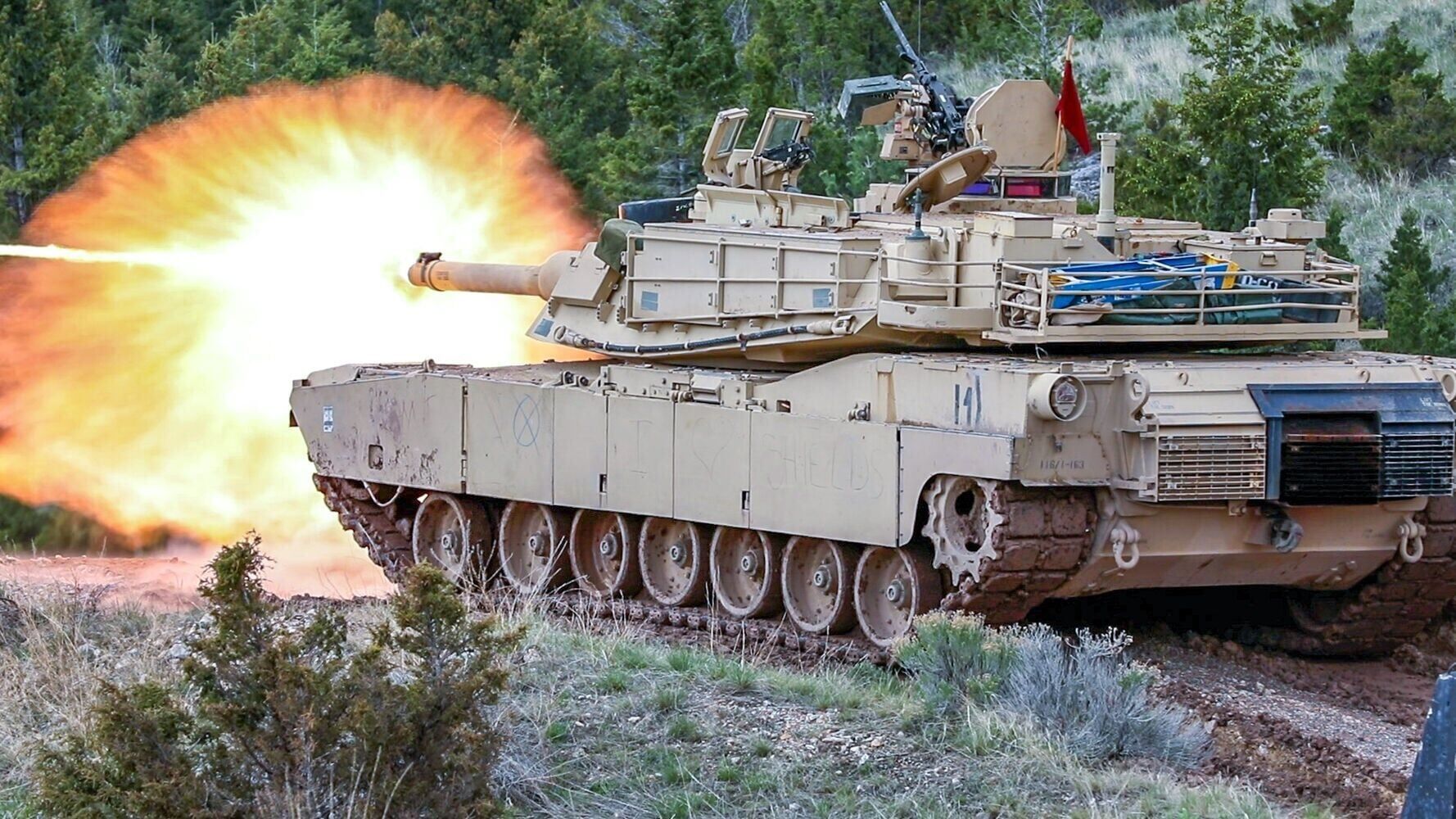
It was the home of 15 Abrams tanks and 32 Bradley fighting vehicles — hulking armored vehicles built for foreign combat.
But the armored vehicles that had long been core to the unit’s identity will soon be redesignated, or reassigned, across other units in favor of faster, lighter vehicles closer in size to a truck.
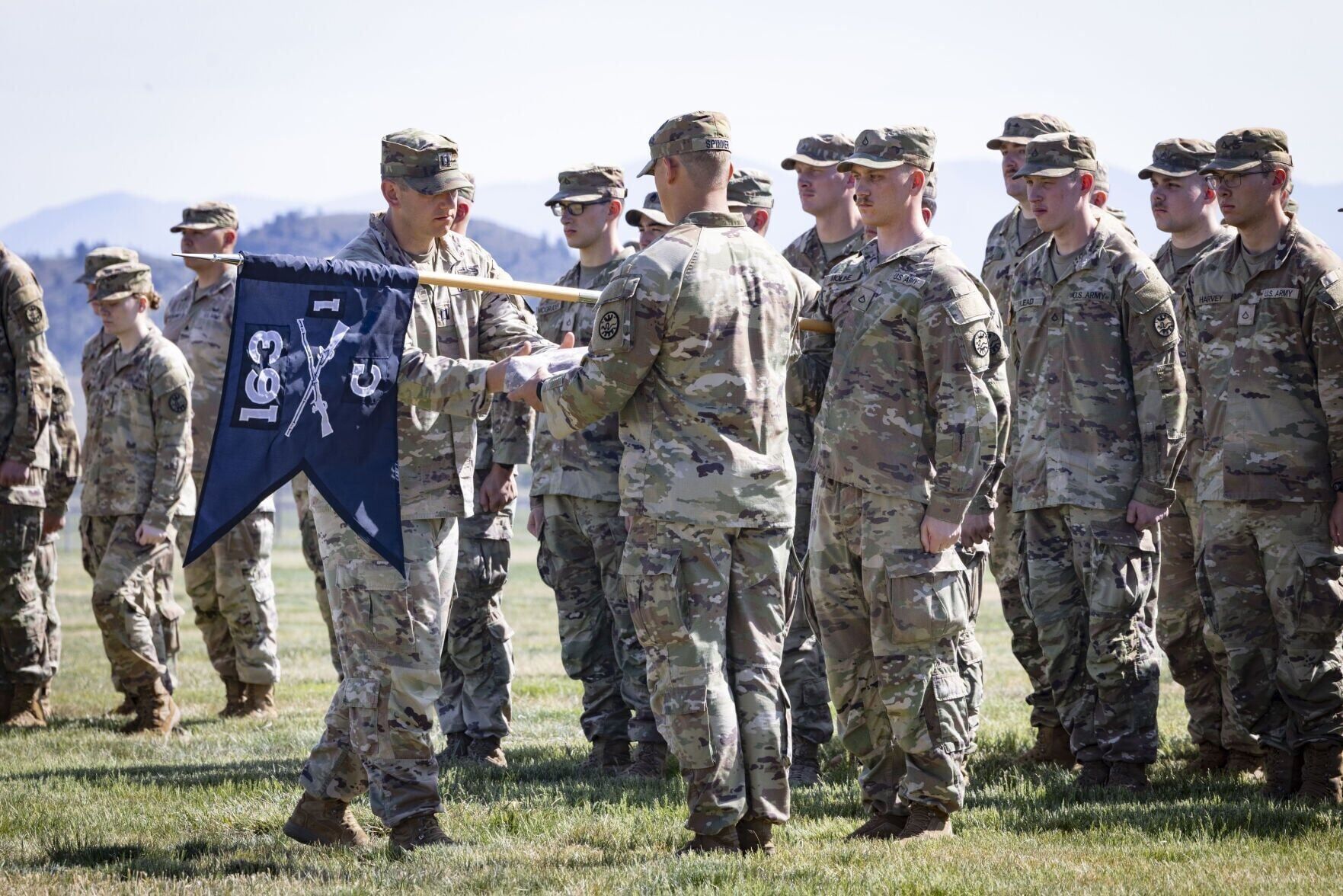
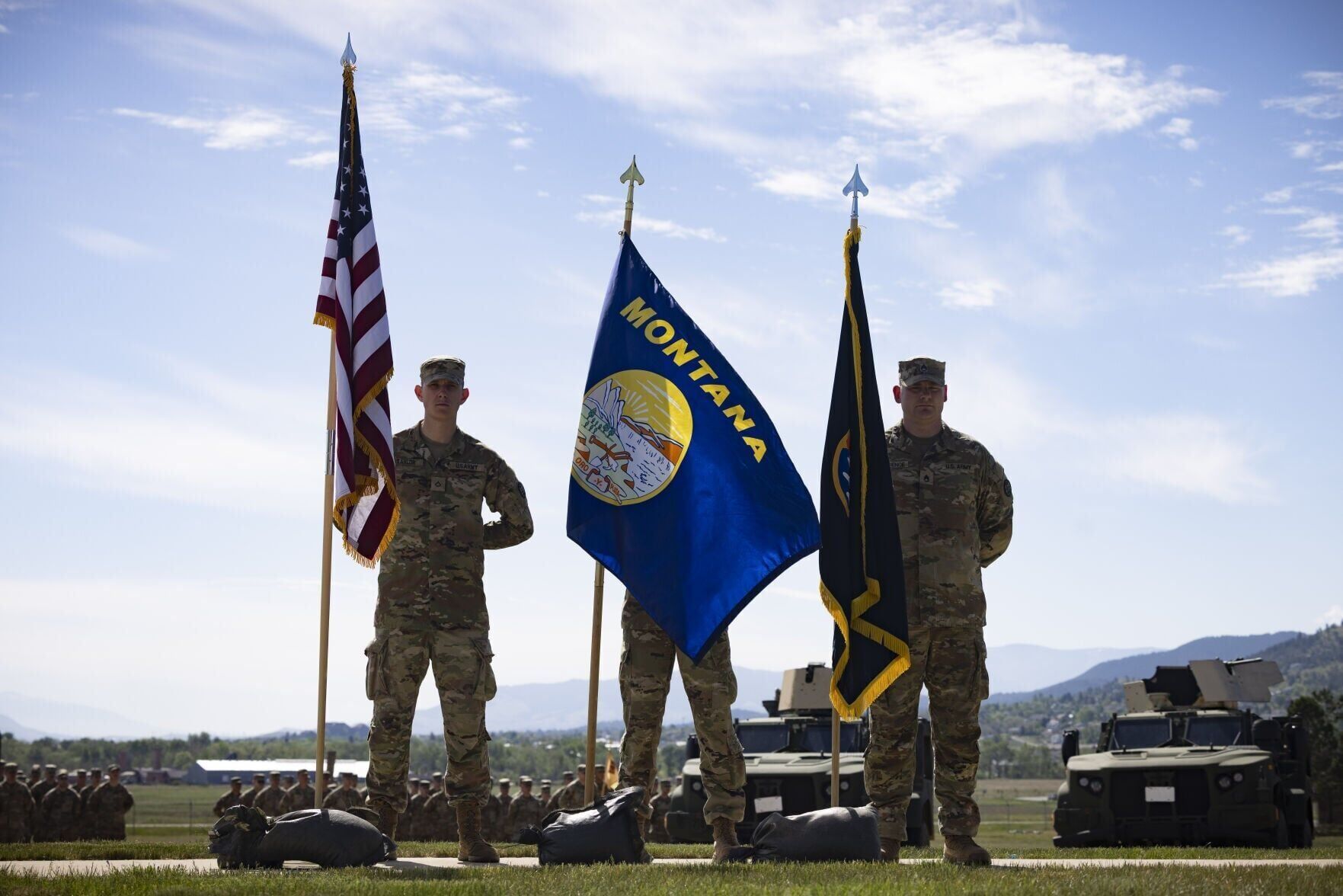
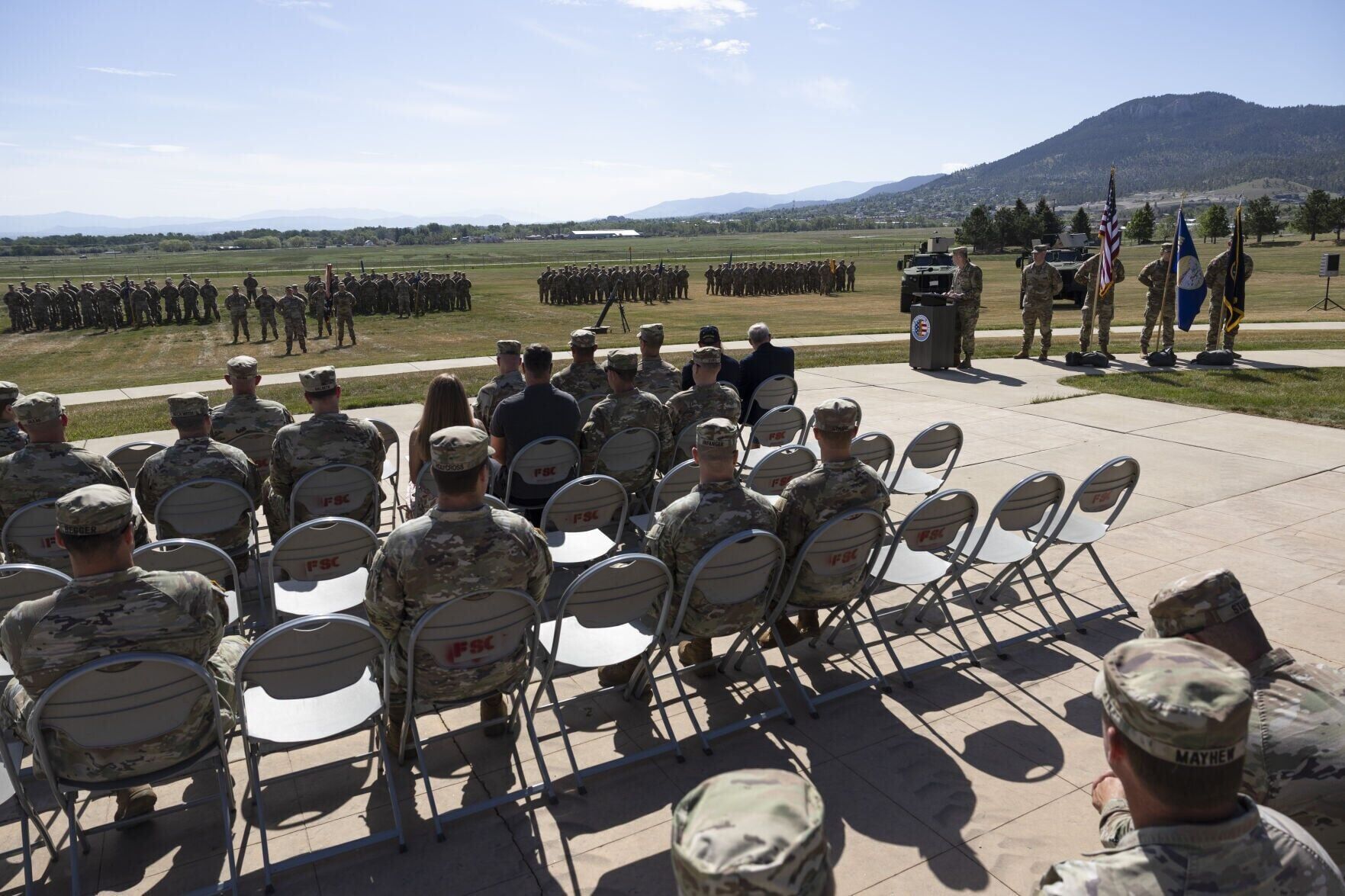
The change is meant to adjust to a new age of warfare, Brig. Gen. Trent Gibson said at a "transformation" ceremony Wednesday held at Fort Harrison. Big tanks, as historic as they are, are slow and at risk of being outpaced, he said.
It can be seen on battlefields like the narrow roads of Ukraine’s cities, multiple officials said. Land fights are often won or lost depending on how quickly a soldier can take aim, fire and escape.
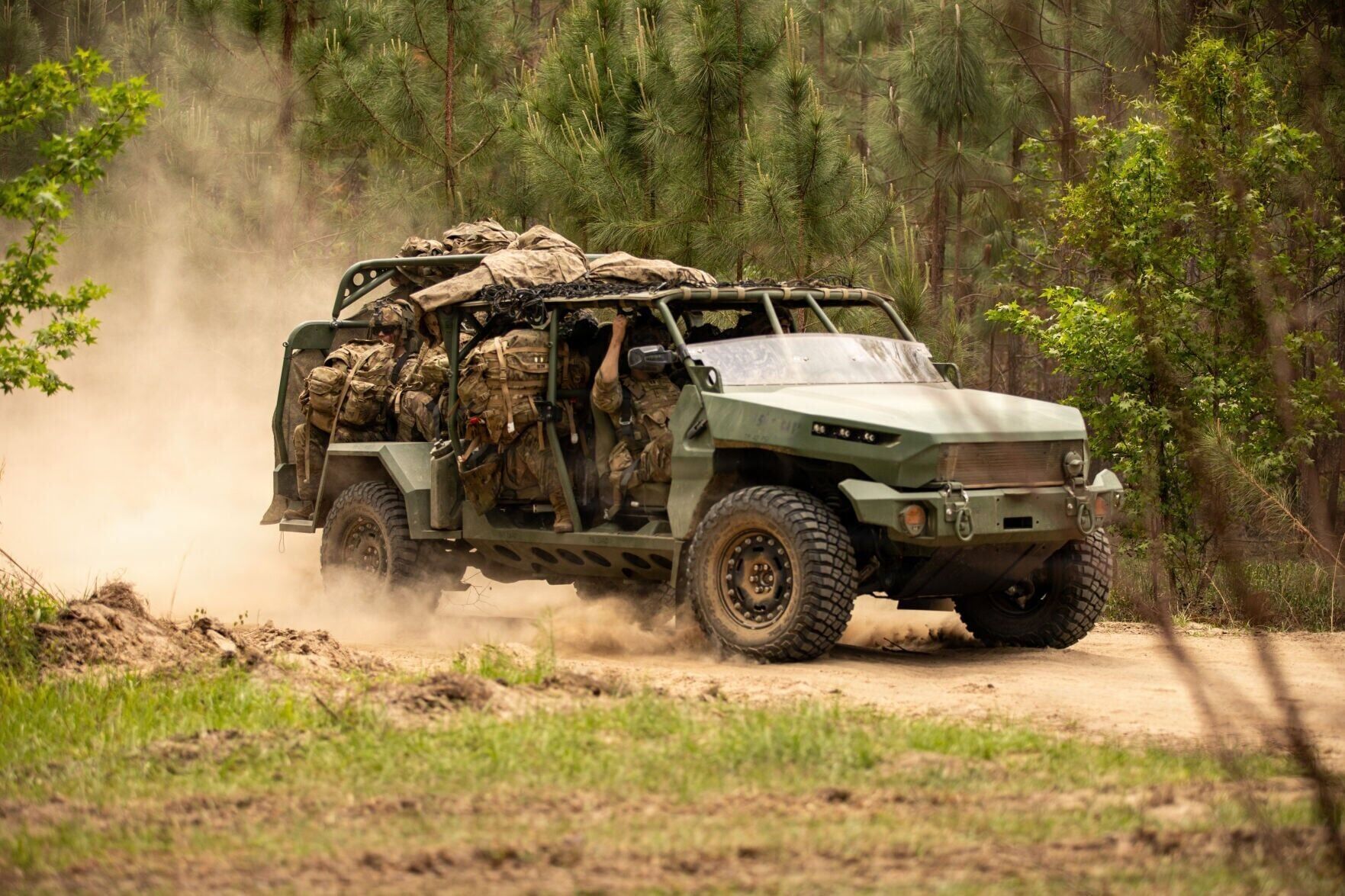
They will be replaced with infantry squad vehicles, roughly the size of a Chevrolet Colorado platform and designed to race several infantry personnel across tough terrain. These machines can run up steep mountains and weave through city streets, Lt. Col. Dwain Henderson said.
They’re also easier to transport from their landlocked Montana home when missions call the vehicles abroad, and the door will be open for the new vehicles to respond to domestic emergencies.
The Guard would never send a tank into a wildfire, Gibson said, but quick transportation in and out of flood zones or other natural disasters could be helpful — depending on what the 163rd is cleared to use the new vehicles for.
The transition is not painless, Henderson said. Whether a soldier was assigned to maintenance or operations, tanks were central to the 163rd, he said.
There was a shock when soldiers learned in spring 2025 that the 163rd would be following in a nationwide trend to modernize — moving forward, but redefining some of these soldiers’ careers.
“You don’t think it’ll happen to you,” Henderson said.
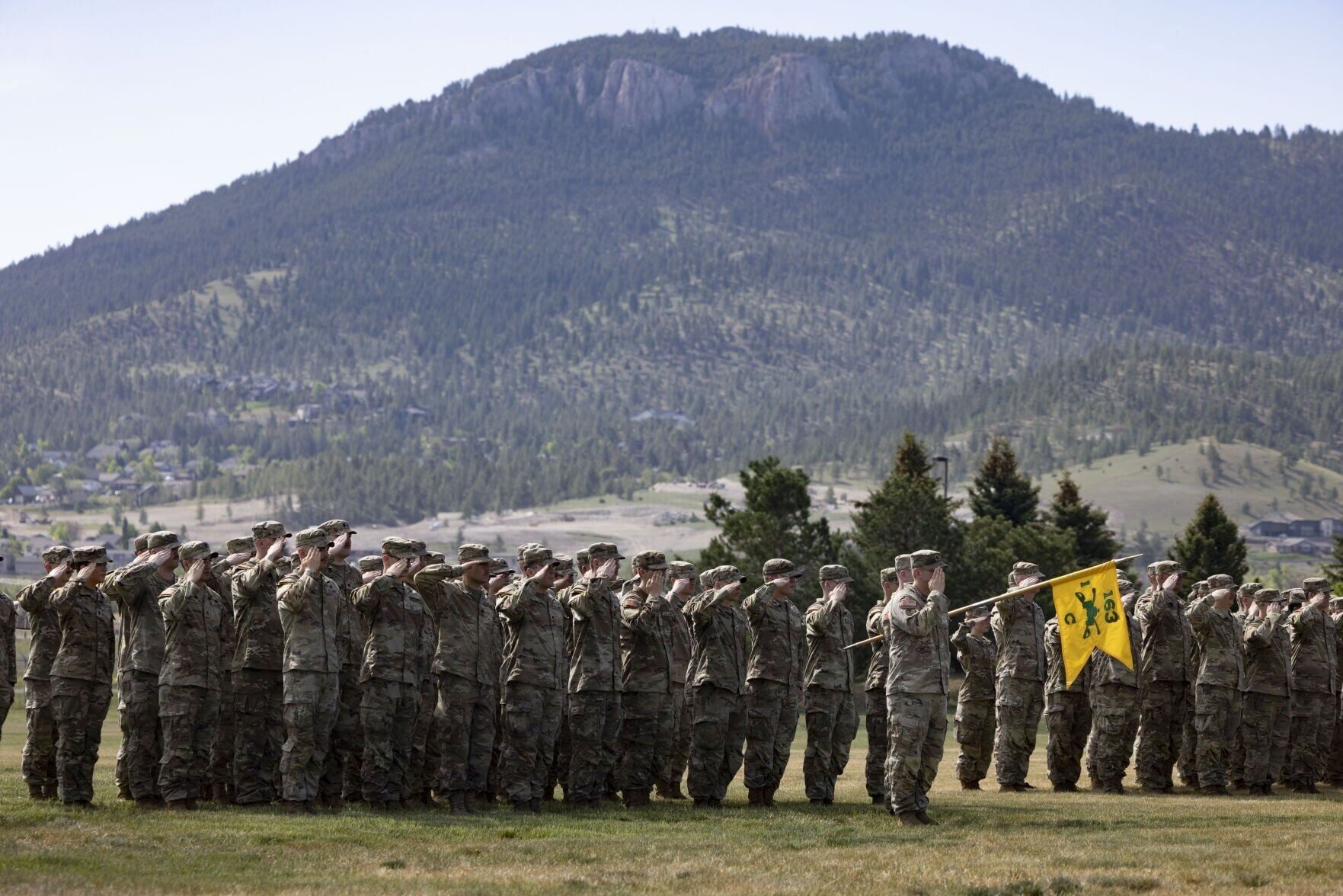
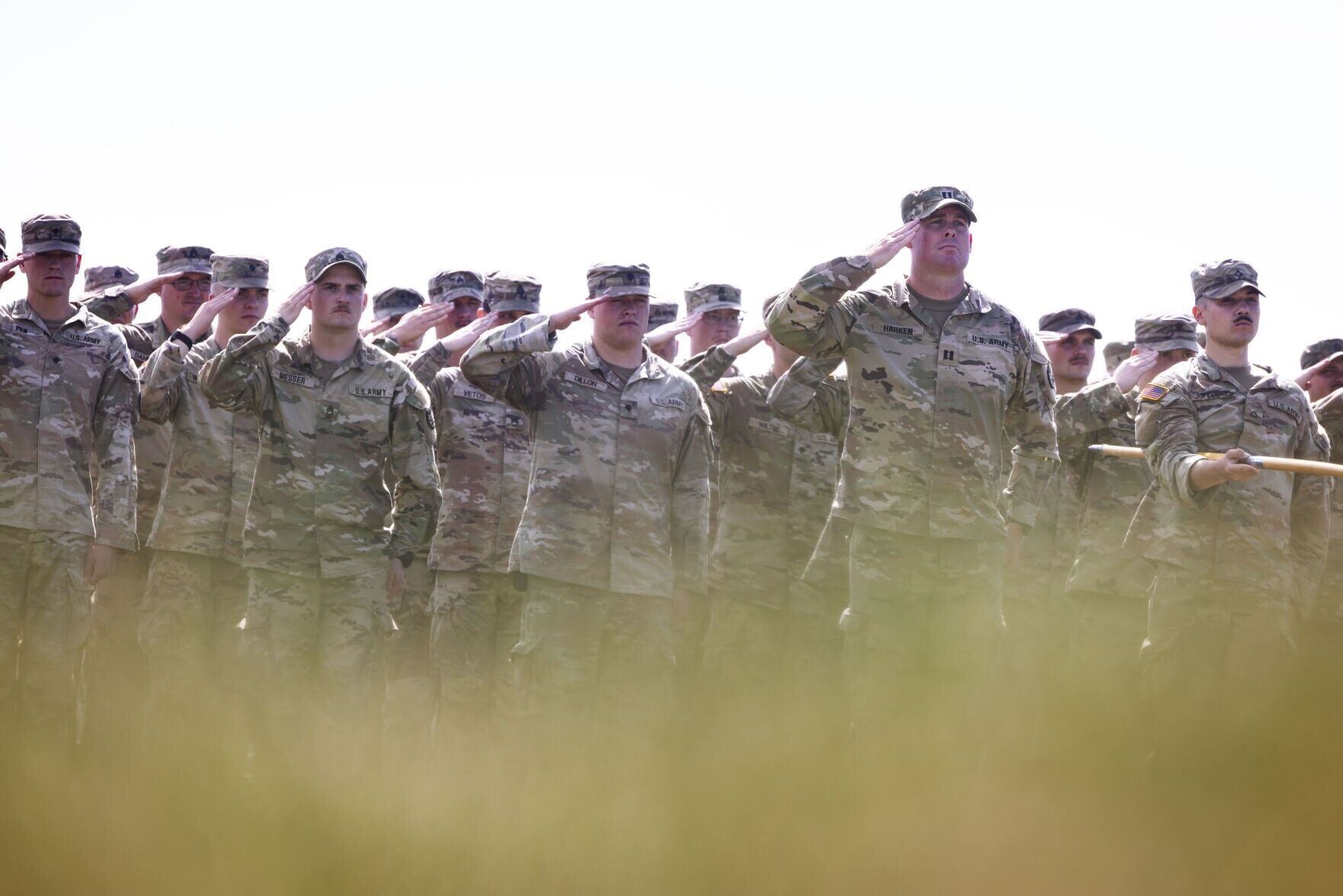
Much of the Wednesday transformation ceremony, which honored the unit’s change of mission and recapped its historic past, was filled with promise that the 163rd still retained its “enduring legacy.”
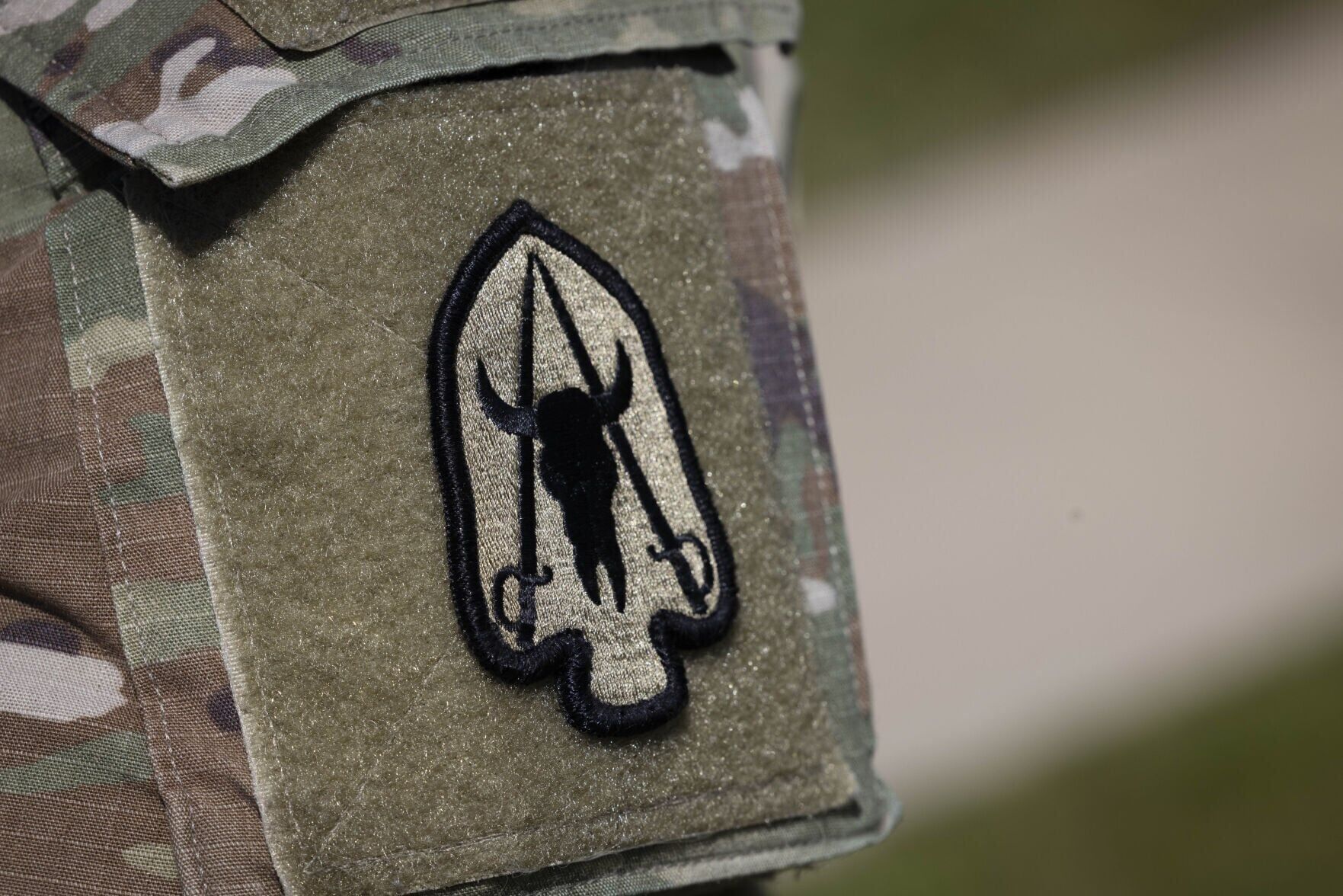
At the end of the ceremony, the more than 250 soldiers present from companies across Kalispell, Missoula, Billings, Belgrade, Great Falls and Helena swapped their uniform patch to the new 1889th Regional Support Group insignia, featuring a black cattle skull crossed by two swords on a white arrowhead-shaped background.
“We’ve gone through the grieving process, and now we’re on acceptance,” Henderson said.
Now begins the long road of retraining the soldiers, which officially began two months ago and will stretch until the new equipment arrives, he said.
The timeline on the new vehicles will be a matter of years, not months, Montana National Guard Lt. Col. Tom Figarelle said. It will not impact the Guard's ability to respond to domestic emergencies, he said.
The good news is it's much easier to practice with lighter vehicles, and Montana's unique geography gives the 163rd plenty to work with, Henderson said.
The old tanks, fighting vehicles and associated equipment, including vehicles that are essentially tank-sized tow trucks, will leave Montana in the coming months, Figarelle said.



Comments ()