
Montana GOP state senator begins effort to get 2% property tax cap on Nov. ballot
A longtime Republican state senator and member of a prominent Montana family unveiled a campaign this week to cap property taxes through a constitutional amendment he's working to get on the ballot this November.
After eye-popping residential property tax spikes in 2023, reforming the system has dominated the political conversation.
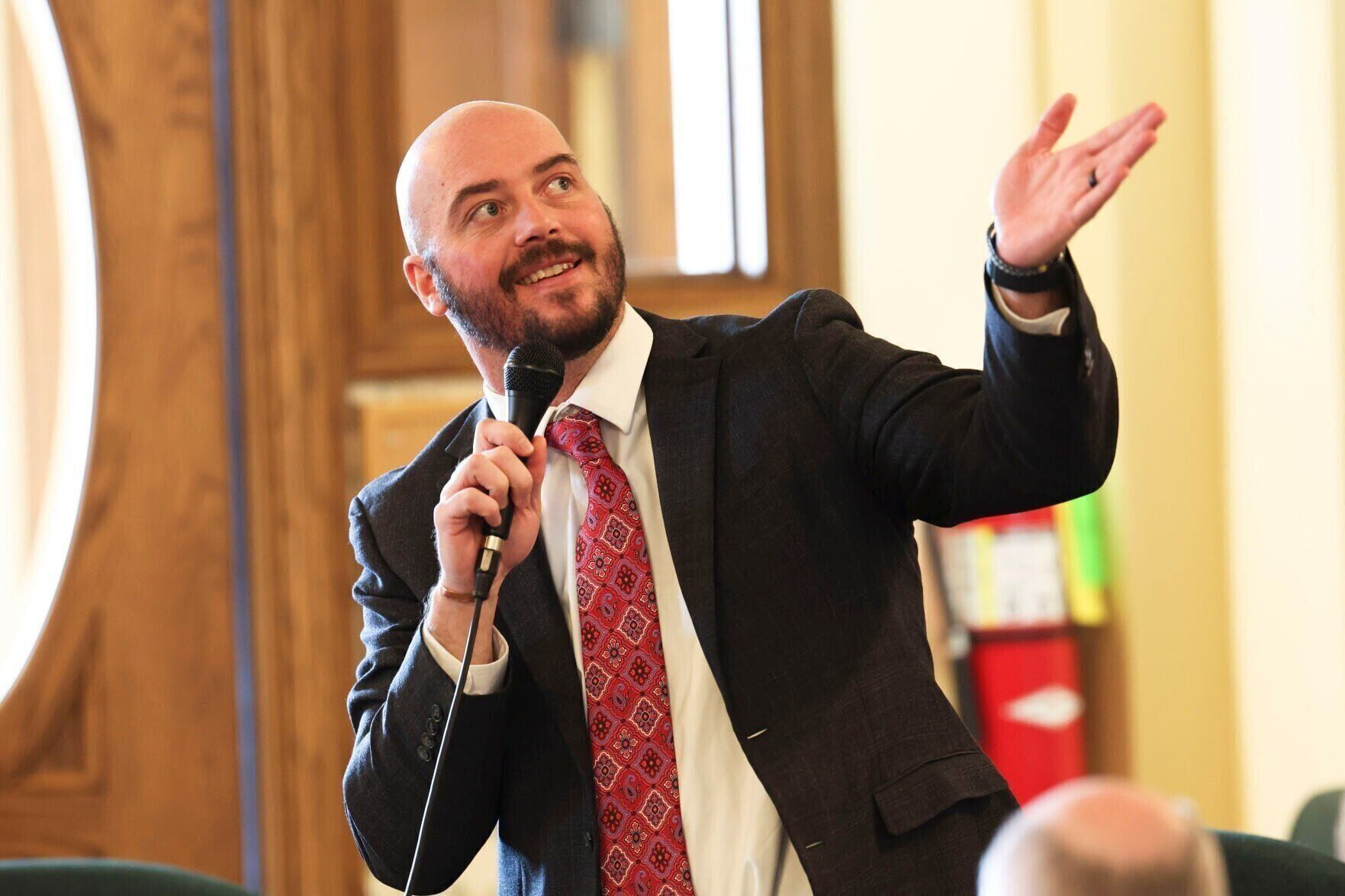
Republican Sen. Wylie Galt of Martinsdale introduced an initiative earlier this week that would cap individual property taxes at a 2% increase per year unless there are improvements to the property. The ceiling is meant to be applied to all classes of property, including residential, commercial, agricultural and industrial.
"Skyrocketing property taxes have made it harder for Montanans to make ends meet, especially for hardworking families and seniors on a fixed income," Galt said in a press release. "They shouldn’t have to consider selling their home because their property tax bill is too high. We need to get property taxes under control so Montanans can afford to stay in their homes."
Galt and his supporters, which include Speaker of the House Brandon Ler, R-Savage, and Majority Leader Rep. Steve Fitzpatrick, R-Great Falls, say it's needed to make property tax bills more predictable and immune from huge spikes. Skeptics of the initiative say it doesn't go far enough to tame property taxes, but on the other end of the spectrum some are concerned that it could hamper the ability of local governments to provide adequate services.
But before the question can be put before voters in November, it has to be reviewed by the Legislative Services Division for clarity and approved as legally sufficient by the attorney general's office. Then Galt can then begin to gather the more than 60,000 signatures the initiative needs from across the state by mid-June.
This initiative comes after the 2025 Legislature passed sweeping property tax reform that lowered 80% of Montana residents' property tax bills that same year. In fact, Galt was the sponsor of the bill that implemented most of those reforms, although many of the ideas in the legislation were born out of a months-long process driven by other legislators and Gov. Greg Gianforte.
"I’m proud of the reforms we made with Governor Gianforte in 2025 to permanently cut property taxes for 80% of Montana homeowners, but we must do more," Galt said in a press release. "We need to cap property taxes to make things more affordable for Montanans."
It is currently unclear who is funding this effort, and spokesperson Travis Hall said that information will be available once campaign funding deadlines pass.
Galt — who served as speaker of the House in 2021 — and his family are a well-known Montana entity. His family is one of the top landowners in the state with hundreds of thousands of acres in their possession.
The proposed language in the constitutional change allows residential property tax owners to select the lower of the 2024 or 2025 tax bills to which the 2% cap would be applied. That is key because between 2024 and 2025 tax rates changed dramatically, and the portion of a home's value over $1.5 million was subject to a significantly higher tax rate. In other words, this initiative would allow those with high-value homes to revert back to 2024 when their bills were likely lower.
One of the chief complaints about the property tax reforms that went into effect for the 2025 tax year was that while it lowered taxes for most residents, it also shifted the burden onto owners of expensive homes.
There are also some exceptions for the cap: School districts, which heavily rely on property taxes, would be exempt, and it would also still allow for voters to approve local levies like for a new library or public safety improvements.
"This so-called tax cap has more holes in it than Swiss cheese," said Bozeman attorney Matthew Monforton who has two of his own property tax cap initiatives, although he said he is not signature gathering for those so they likely won't qualify for the ballot.
Monforton said it does not go far enough because it does not touch school levies, and is putting a simple majority threshold to approve levies into the state's constitution. Monforton thinks that should be increased to a supermajority threshold.
On the other side of the opposition spectrum, Jennifer Olson, a lobbyist for the Montana League of Cities and Towns, is concerned that the constitutional change will lower local governments' collections and hamper their abilities to fund necessary services.
"When we are responding to the needs of our communities this will directly limit our abilities," Olson said. "I would definitely invite these individuals who are bringing it to sit down with our local officials and come to our budget meetings."
The major property tax changes that Galt sponsored in the Legislature last year are rolling out in two phases, with the first act taking place in 2025 and the second hitting in the 2026 tax year. In other words, the way property owners' tax bills are calculated are set to change again this year, with second homes and short-term rentals being taxed at a higher rate than primary residents and long-term rentals.
"The real question is: What are we trying to achieve?" Olson asked. "The property tax bills, they haven't been fully carried out."




Comments ()