
Montana Guard soldiers participate in drone experiment, train for future warfare
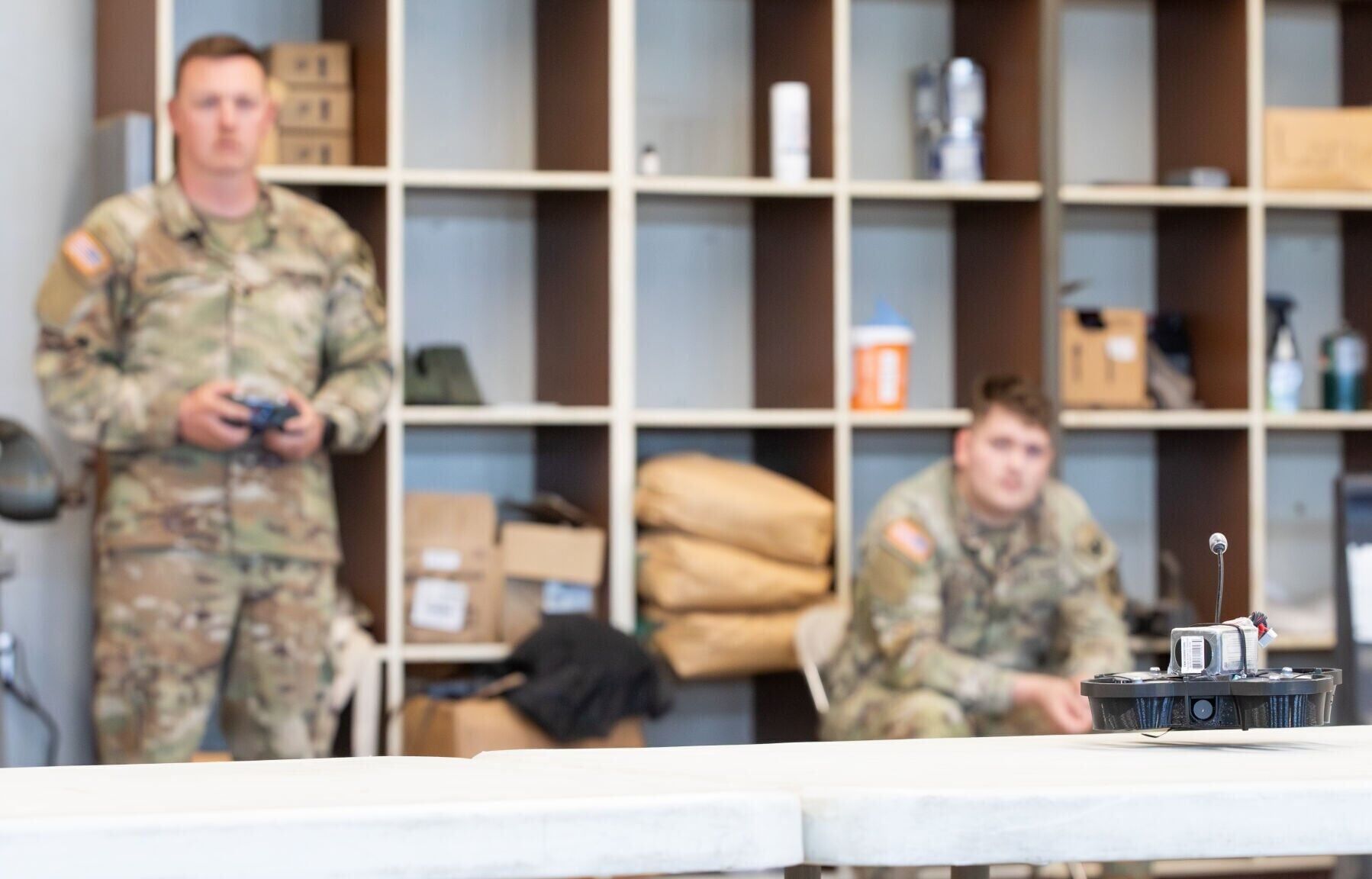
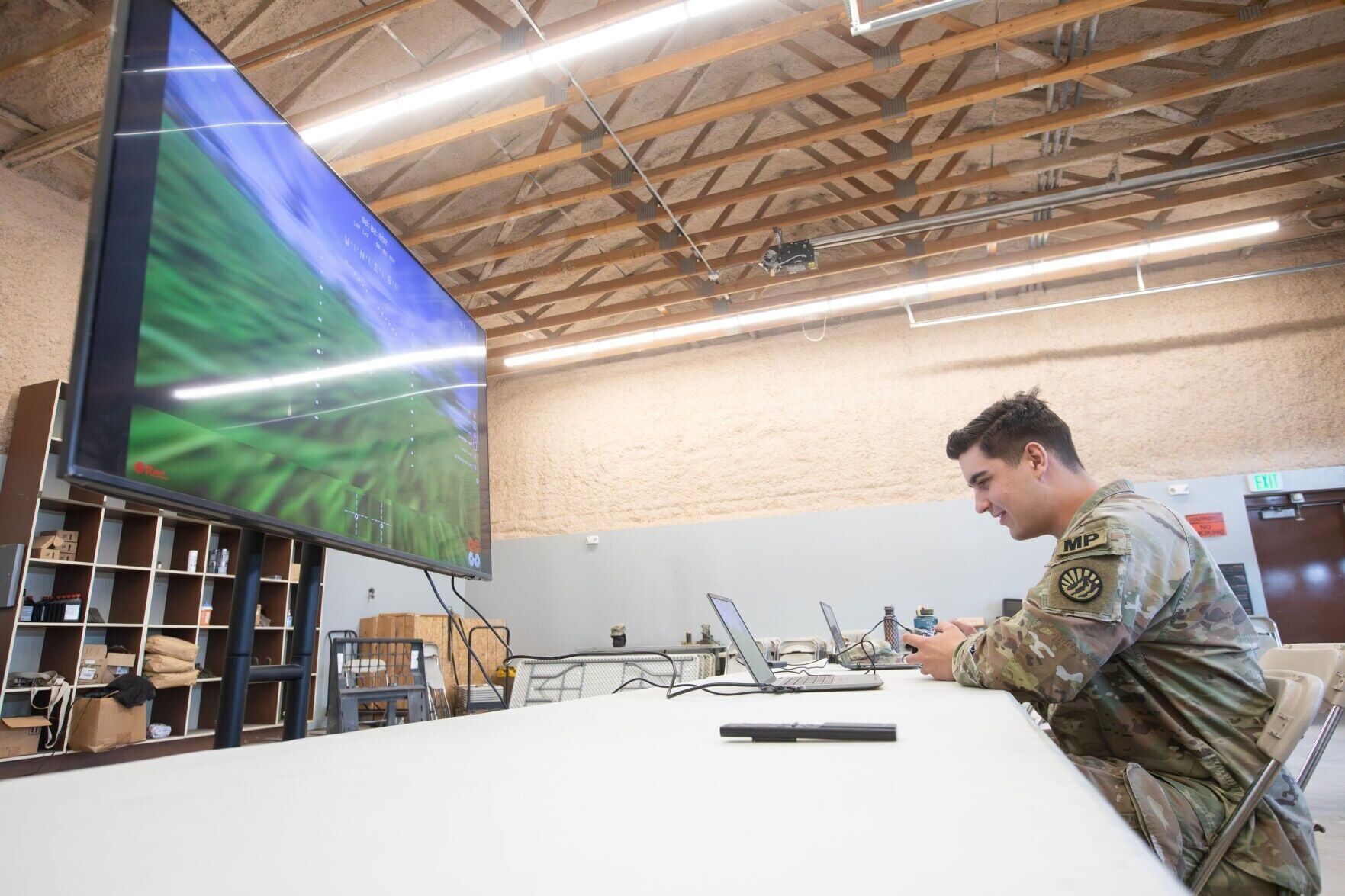
Montana Army National Guard members flew drones both physically and virtually this week in a training exercise at the Limestone Hills Training Area west of Townsend.
The event fell under the fiscal year 2026 Rapid Operational Innovation Detachment (ROID) experimentation campaign, part of an effort to prepare soldiers for drone warfare and train them on newly emerging war technologies and strategies that have been innovated and advanced in places like Ukraine and Iran.
The training brought partners together including the U.S. Central Command Chief Technology Officer’s Office, the U.S. Army Combat Capabilities Development Command Army Research Laboratory, the Civil Military Innovation Institute and soldiers from the Montana Army National Guard.
Aly Gregg, vice president of communications for the Civil Military Innovation Institute, said the event was held to "provide opportunities to experiment with technology and test technology that will be going to the field to ensure that when our technology gets to our war fighters, that it's ready to go."
The ROID Driving Innovation in Realistic Training (DIRT) Days integrated soldiers into structured experimentation sprints designed to address "urgent" operational priorities emerging from today's battlefield, according to the Montana Army National Guard.
DIRT Days at Limestone Hills focused on areas like tactical and counter-drone operations, signals signature management in contested environments, mobile manufacturing and repair of unmanned systems, and contested logistics and sustainment under threat.
"The state of innovation is critical and it's a moving target," Gregg said. "It's constantly evolving, constantly changing. And by empowering soldiers to have a hands-on experience at the tactical level, to provide feedback about that experience ... we are ensuring that we can accelerate the transition of technology from concept to getting it in the hands of a war fighter."
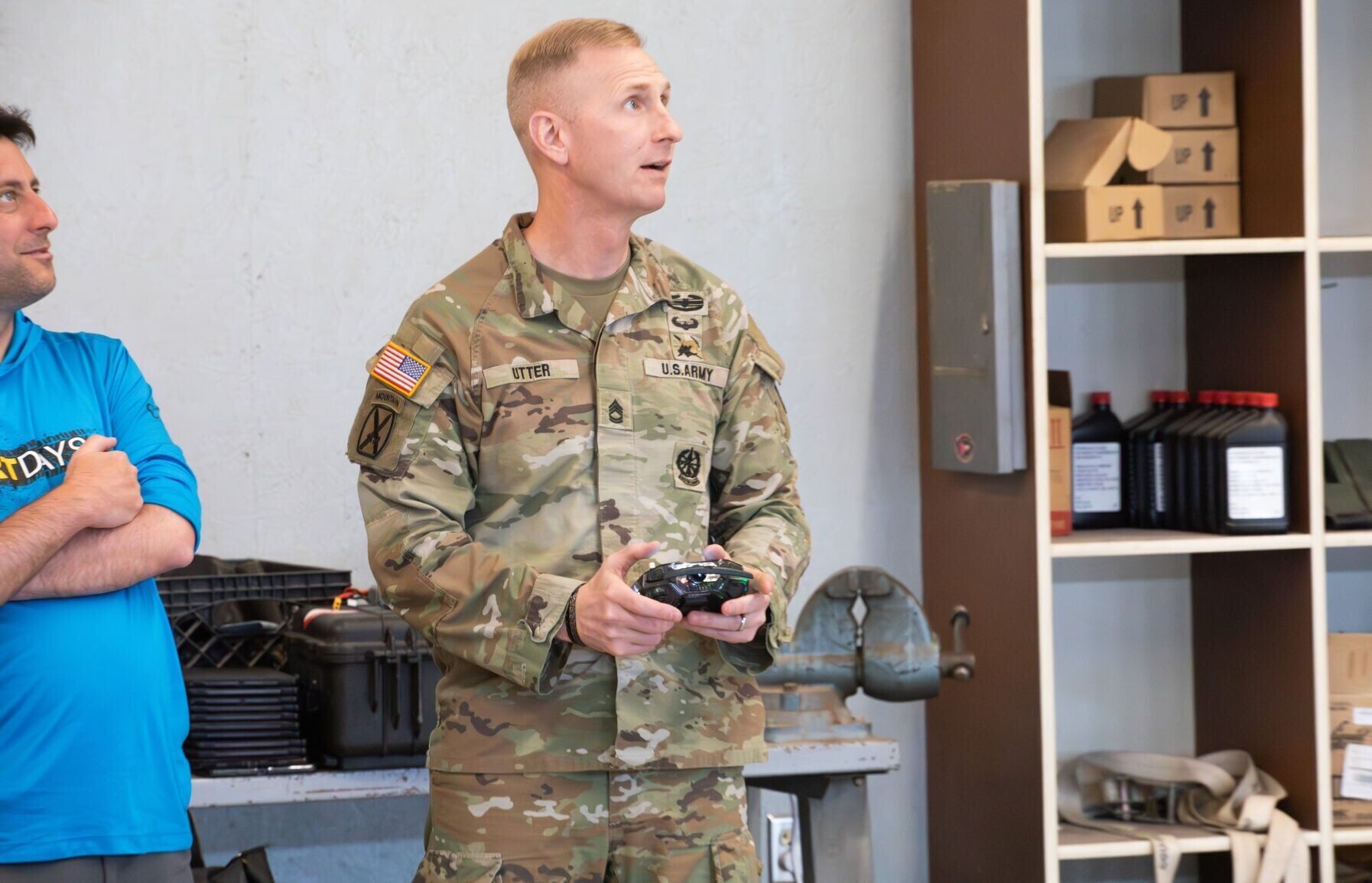
Montana Army National Guard Sgt. 1st Class Jay Utter said the event was an opportunity for active-duty soldiers and National Guard members to see how they can utilize technologies on several levels.
He said his favorite part about the experience was utilizing the drones, but noted how cheaply the intelligent drones could be made.
"We think of these drones as something being very expensive and very hard to integrate. They're printing them for a couple hundred dollars' worth of parts," Utter said. "Pennies on the dollar in terms of real-world stuff."
The importance of drone technology has changed conflict and local scenarios, according to Utter.
"I think the conflict in Ukraine has changed the whole world. The Montana Army National Guard is responding to this (change), both at a local level and on a larger scale," he said. "Our local citizen soldiers are transitioning from an armor brigade combat team, which is like tanks and Bradleys, and becoming a mobile brigade infantry. Fast, light, integrated (unmanned aircraft systems), limiting that electronic signature so our soldiers can be more effective on the battlefield."
The drone capabilities do not end on the battlefield, officials added. Drones could be used locally for fire suppression, search and rescue and many other scenarios.
"At the center of the event are the Soldiers themselves. Their ability to identify problems, adapt under pressure and shape solutions ensures innovation remains grounded in operational reality," Montana Army National Guard officials said in a news release.



Comments ()