
Morally Gray Chick-fil-A
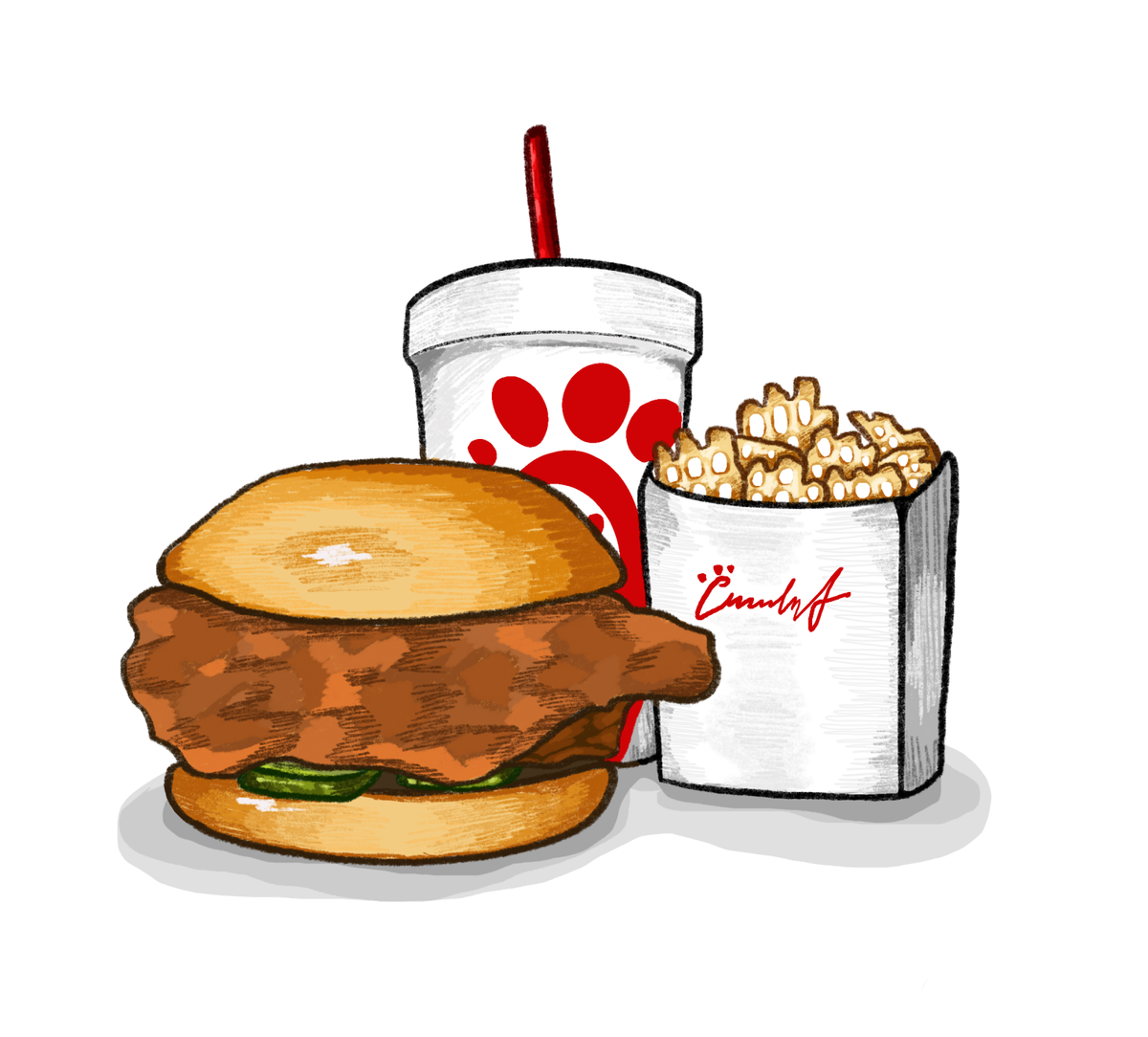
On my first day back this semester, I got into a long line and waited to order from the new Chick-fil-A. I stood in line for about five seconds, looked left and right and decided to opt for Firehouse Subs instead. I did not make this decision based on the long line — this, I was willing to stand in. Instead, I was thinking about my friends and what they might feel if they saw me with one of those infamous red and white bags.
But then again — no one should judge other students on how they spend their hard-earned money.
To many members of the LGBTQIA+ community, Chick-fil-A is much more than just a sandwich. It symbolizes just another hurdle that we have to navigate every day of our lives. For those unaware of the controversy, it mainly stems from the company's donations to anti-LGBTQIA+ charities. In 2017, tax documents show that Chick-fil-A donated 1.8 million dollars to groups like the Fellowship of Christian Athletes and the Salvation Army, but donations to these organizations have since stopped, according to the New York Times. Both groups have been criticized for their opposition to same-sex marriage and for supporting policies that exclude LGBTQIA+ people from leadership roles.
Knowing this history but also having a massive craving for juicy chicken, I was conflicted. So, I sought out answers as to how this particular franchise ended up on our campus in the first place.
I met with Associate Vice President of Auxiliary Services Duane Morris, who was happy to answer my questions and concerns. “The Chick-fil-A workers on campus are MSU employees, governed by our [Auxiliary Services] employment values,” said Morris. These values, which can easily be found on the MSU website, include inclusivity, respect, accountability and safety for students and staff. “It may be a franchise, so we are required to follow certain guidelines like the uniform and being closed on Sundays, but it's run by and for MSU and all fellow students.”
Morris also explained to me the Request for Proposal process that Auxiliary Services went through, which ended up selecting Chick-fil-A as the winning responder. He explained that ASMSU student representation was present during this process “every step of the way.”
It all boiled down to what students wanted, and they wanted franchises and more food options on campus. I can certainly relate to this.
That being said, it’s essential to understand the effects that this particular company has had on the LGBTQIA+ community and respect the decisions of peers who may choose not to give their money to this company for moral reasons. A handful of other gender-queer students I have spoken with found it ironic that Chick-fil-A happened to be built right above the Diversity and Inclusivity Student Commons office in the SUB.
Yes, I believe that this semester was bad timing for the addition of this franchise on our campus. Especially with the wounds of the 2023 spring semester — just ask anyone from the QSA — still hanging heavy over the community.
Whether it's bad timing, coincidence or not, the presence of this franchise elicits negative feelings for some that are more visceral than others. It's not a surprise to anyone that tensions are high this year, especially when our rights as a people are at the forefront of political scrutiny.
I am gay but will probably end up buying that morally gray chicken sandwich at some point this semester. We should hold big companies accountable, encourage them to change specific policies and make them more accepting, but a single consumer shouldn’t be ostracized.
Ultimately, picking up that infamous red and white baggie is an individual choice. We should not judge a person based on how they spend their money. I urge everyone to respect their peers' decisions and reinforce the meaning of inclusivity.
Comments ()