
Protecting Montana's Wild Outdoors
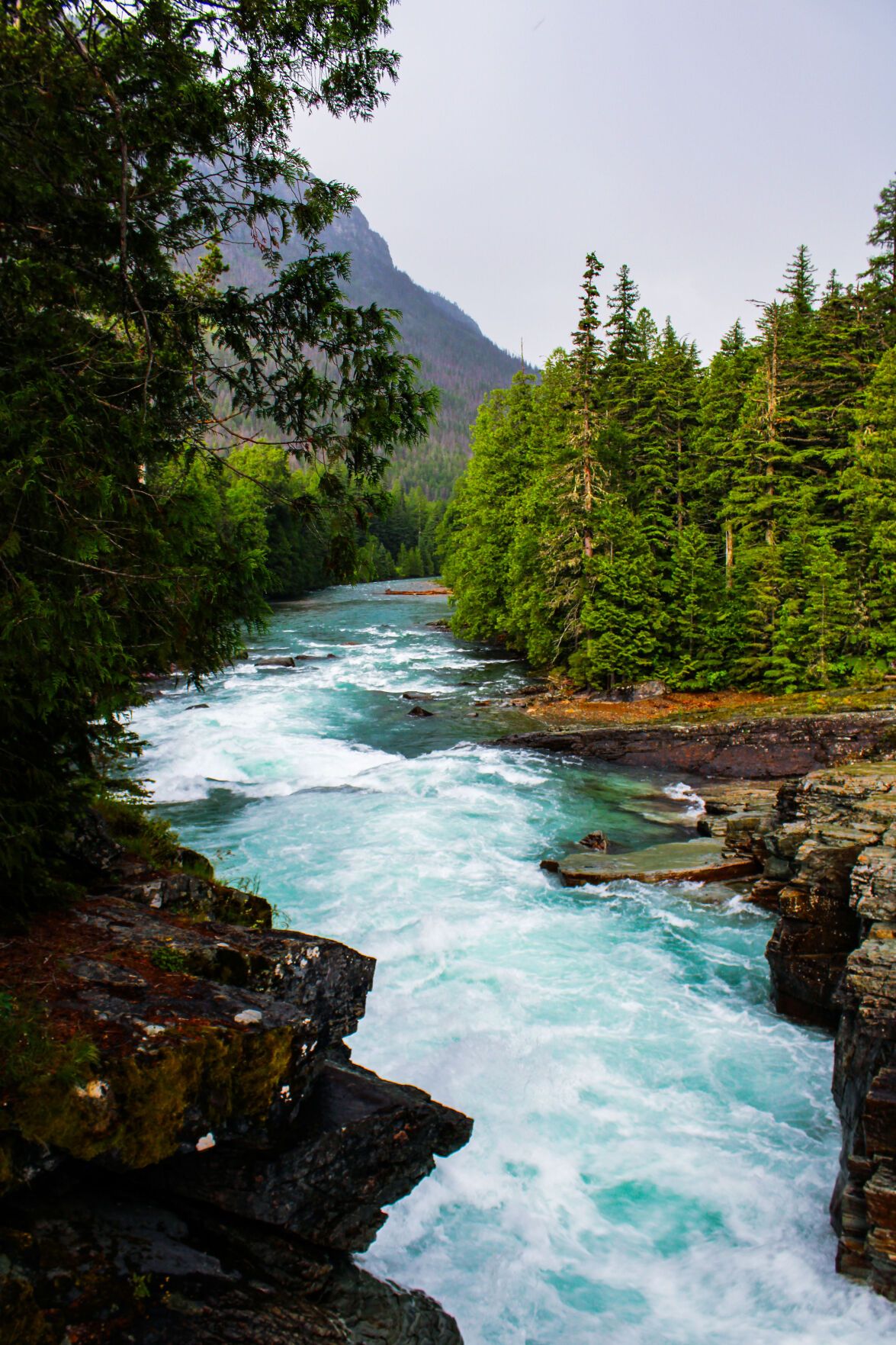
Montana’s wildlands are more than just epic backdrops for your Instagram posts. These wilderness areas are living ecosystems that we all rely on — and protecting them requires everyday choices from people like us.
For students like us, conserving these systems requires that we are mindful about our energy use. David Willey, an ecology professor at MSU who studies owls in the canyonlands of the Southwest U.S., believes advocacy starts with individuals.
Willey explained that choosing how we use our energy, how we travel and what we consume matters.
“If we are mindful about preserving our public lands and we scale that up, the individual action is going to expand to multiple individuals and a great collective voice. But we must remember we are not entitled to these wildlands; we cannot be complacent,” he said.
On a similar note, BruceSmith, a biologist and mountain goat expert, said that responsibility begins with everyday decisions. “It’s our common responsibility because we all collectively own our public lands and wildlife. They’re our shared wealth. It’s all about choices, large and small,” he said.
One example of this shared wealth is our glacial reserves. It might seem like the main loss from glacial shrinkage is recreational, because many people head to places like Glacier National Park (GNP) to hike, camp and soak in the scenery. But these glaciers go far beyond recreation. They are vital water reserves.
Smith explained why glaciers and alpine snowfields are more than just beautiful wilderness areas. “Glaciers and permanent snowfields are iconic features of alpine areas. Ecologically significant, they moderate temperatures and their meltwater provides reliable summer and fall moisture to plant communities and streams,” he said.
However, those features are vanishing. “Snow and ice facilitate thermoregulation of cold-adapted mountain goats in summer. But permanent snowfields and glaciers are rapidly shrinking across the goat’s geographical range, and worldwide,” Smith said. For species like mountain goats, pikas and wolverines, this means heat stress and risk to their survival and reproduction rates.
When I heard this, I immediately thought of my friends and I, who are currently planning to take a trip to GNP within the next few weeks. It can be easy to get caught up in the excitement of being with your friends in a scenic place, but it's extremely important to consider how you can leave the land better than you found it. Hold each other accountable for your actions, practice leaving no trace and picking up others' trash, follow fire safety rules and carpool as much as possible. This goes for all wilderness areas, not just GNP.
Ultimately, progress requires change at all levels from one’s local community to the entire nation and beyond and starts with action. Willey said that change happens when people step up where power and influence are.
However, Willey also acknowledged that not everyone needs to pursue conservation as a career path, but said that individual efforts still matter. “Ask yourself what career will be relevant, worth something, and is going to make you happy,” said Willey.
Whether it’s supporting environmental organizations, carpooling, picking up trash on a weekend hike, turning your lights off or just practicing mindfulness when outdoors, there are many ways to contribute, no matter your career.
Even amid climate concerns, Smith remains hopeful. “Optimism breeds hope — and likewise hope breeds optimism,” he said. “Because planet Earth is our only home, I continue to believe that sanity will prevail and humans will do what’s needed to sustain life; our own and the other nine to 10 million estimated species with which we share the planet.”
Montana students might love the outdoors for skiing, hiking or taking photos, but these experiences have responsibilities tied to them. It truly is up to you. As Willey said: “If we lose more wild nature, then we lose huge, important and related parts of ourselves.”
Comments ()