
Psychologist: Psychosis might not have hamstrung alleged Anaconda shooter as fugitive
A key debate about the seemingly inexplicable actions of Michael Paul Brown on Aug. 1, when he allegedly shot and killed four people he knew in an Anaconda bar, contests whether Brown was sane at the time.
Friends, family members and acquaintances of Brown’s said during the shooting’s tragic aftermath that he often suffered from delusions, including irrational beliefs he was John Wick, the movie hitman, or a wizard whose powers would wane if he drank or did drugs.
Some thought that Brown, a veteran of the U.S. Army who was deployed to Iraq, suffered from PTSD.
Brown has been undergoing mental health evaluations and treatment for months at Montana State Hospital’s Galen Campus, its forensic facility. The court recently ordered at least another 60 days of evaluation and treatment.
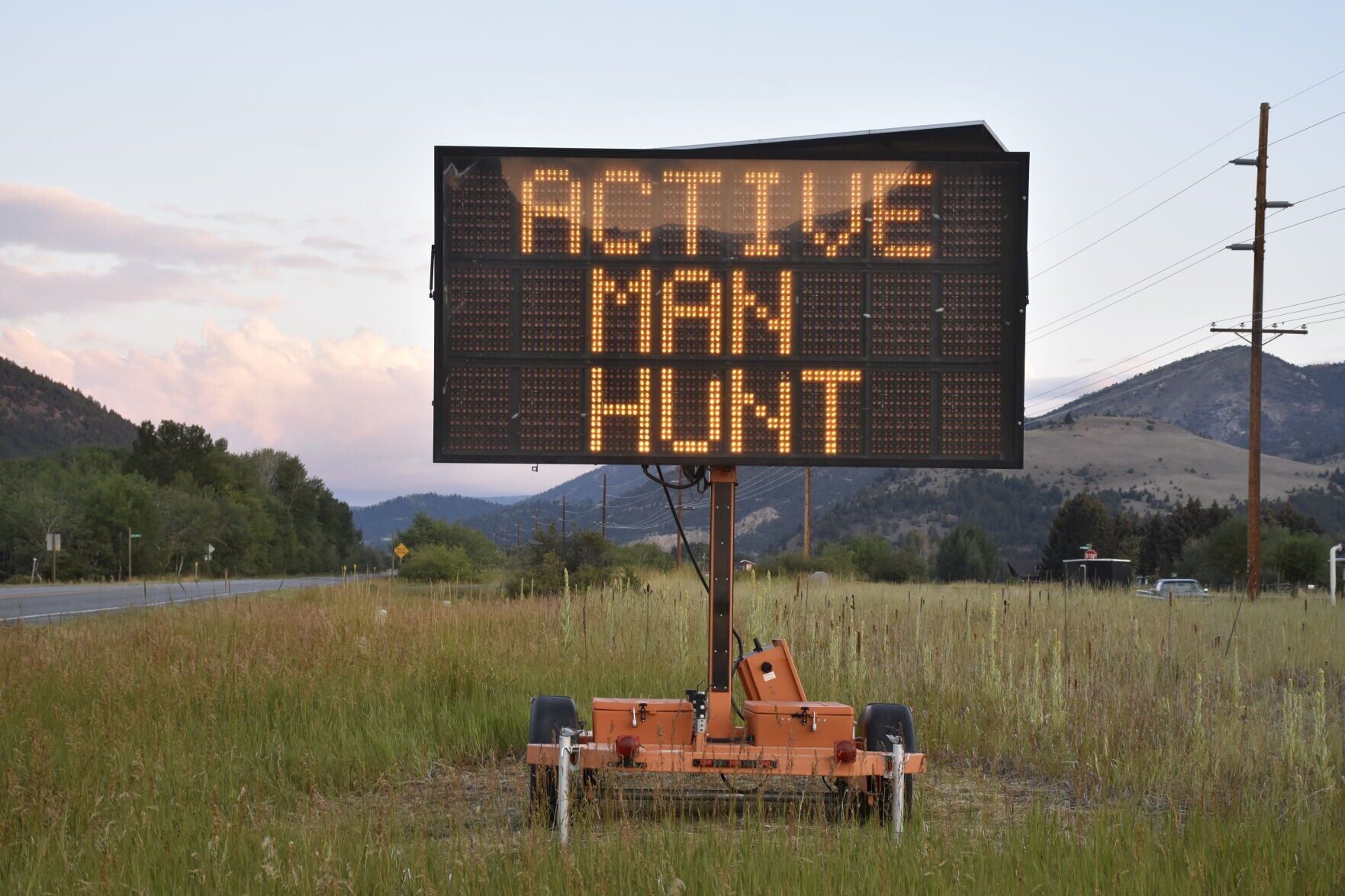
Skeptics of suggestions that Brown was mentally ill on Aug. 1 wonder how he had the presence of mind to avoid capture in the hills and thickets west of Anaconda for a week despite an intense manhunt including local, state and federal law enforcement officers, drones, helicopters and dogs.
David Gwerder, owner of the Owl Bar where the shooting occurred, is one who contends Brown could not have remained on the lam so successfully if he’d been mentally ill.
“He’s got 200 guys up there in the brush looking for him, and he can hide from them from a week?” Gwerder said during an interview Sunday.
Yet Nick Bach, Psy.D., a licensed clinical psychologist, said psychosis does not rule out a capacity for avoiding capture. Bach’s clinical work includes schizophrenia, trauma, severe anxiety and crisis assessment. He has served during his career as an Army post counselor and Veterans Administration therapist and works now in Kentucky.
“There is a psychosis side-by-side with planning, fear, alertness, survival behaviors,” Bach said in an email Thursday to The Montana Standard. “Many psychiatric patients are still paying attention to the threat, avoiding strangers, hiding, journeying only at night, rationing food and scanning the terrain.”
At the same time, he said, “search teams hit walls like terrain, weather, fatigue, false clues, communication.” Searchers moving through thickets and aspen groves in August had to assume Brown was still armed.
“Frequently, psychosis doesn't look like total muddle for every minute,” Bach said. “Rather, a fugitive afflicted with paranoid delusions can manage to appreciate some level of risk and avoid pursuers in all sorts of terrain that includes woods, ravines, abandoned structures, creek beds.
“Paranoia can heighten escape behaviors: someone convinced armored pursuers are after him could move all the time, evade roads, fires, noise, engage in short sleep, react to airplanes or dogs,” Bach said.
One subtype of schizophrenia, “paranoid schizophrenia,” is no longer an official diagnosis, according to the Diagnostic and Statistical Manual of Mental Disorders. Yet paranoia is a common feature of schizophrenia, according to the Cleveland Clinic.
“People with schizophrenia commonly struggle to tell what’s real and what isn’t,” the clinic reports. “They often have hallucinations and delusions and struggle with disorganized thinking.”
Court records unsealed Friday reported Brown was well aware of the search.
"Mr. Brown acknowledged to officers that he knew they had been looking for him for the duration of the eight days and that he knew why they were looking for him," records show.






Comments ()