
Saxon's new ERA: 1914 Roadster traveling U.S. for women's rights stops in Bozeman
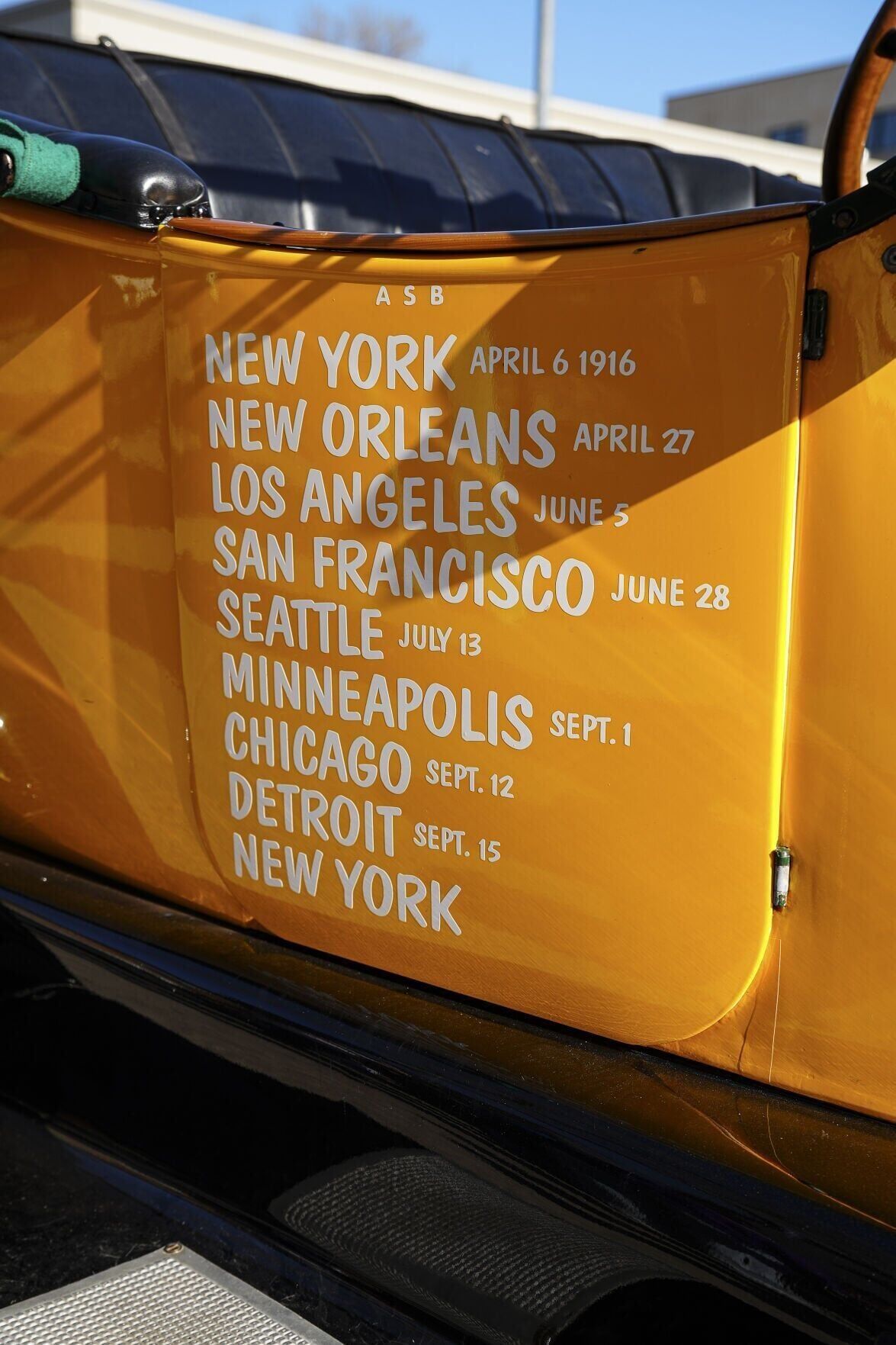
In 1916, two suffragettes set off in a Saxon Roadster to drive 10,000 miles across the county in support of voting rights for women.
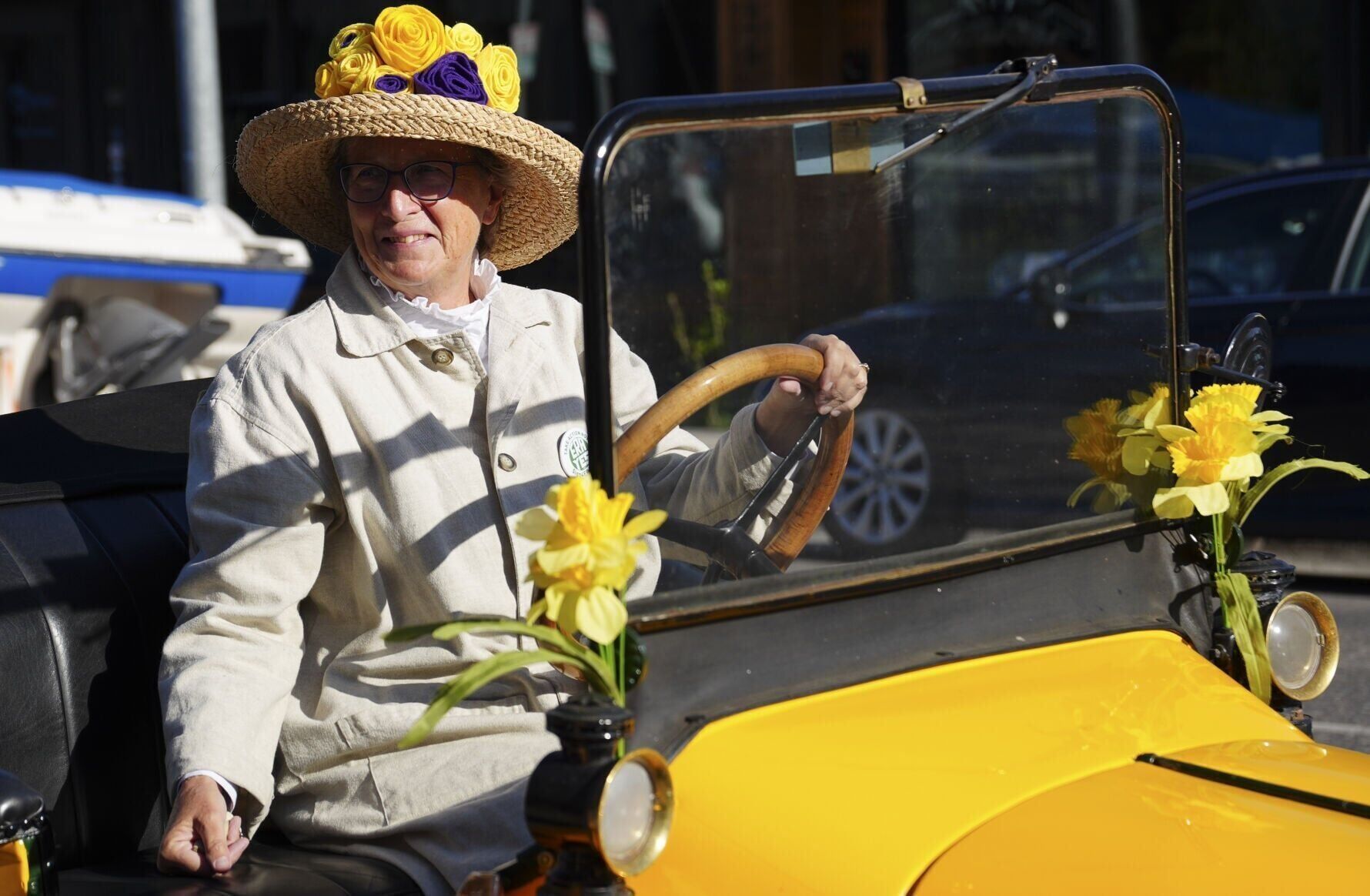
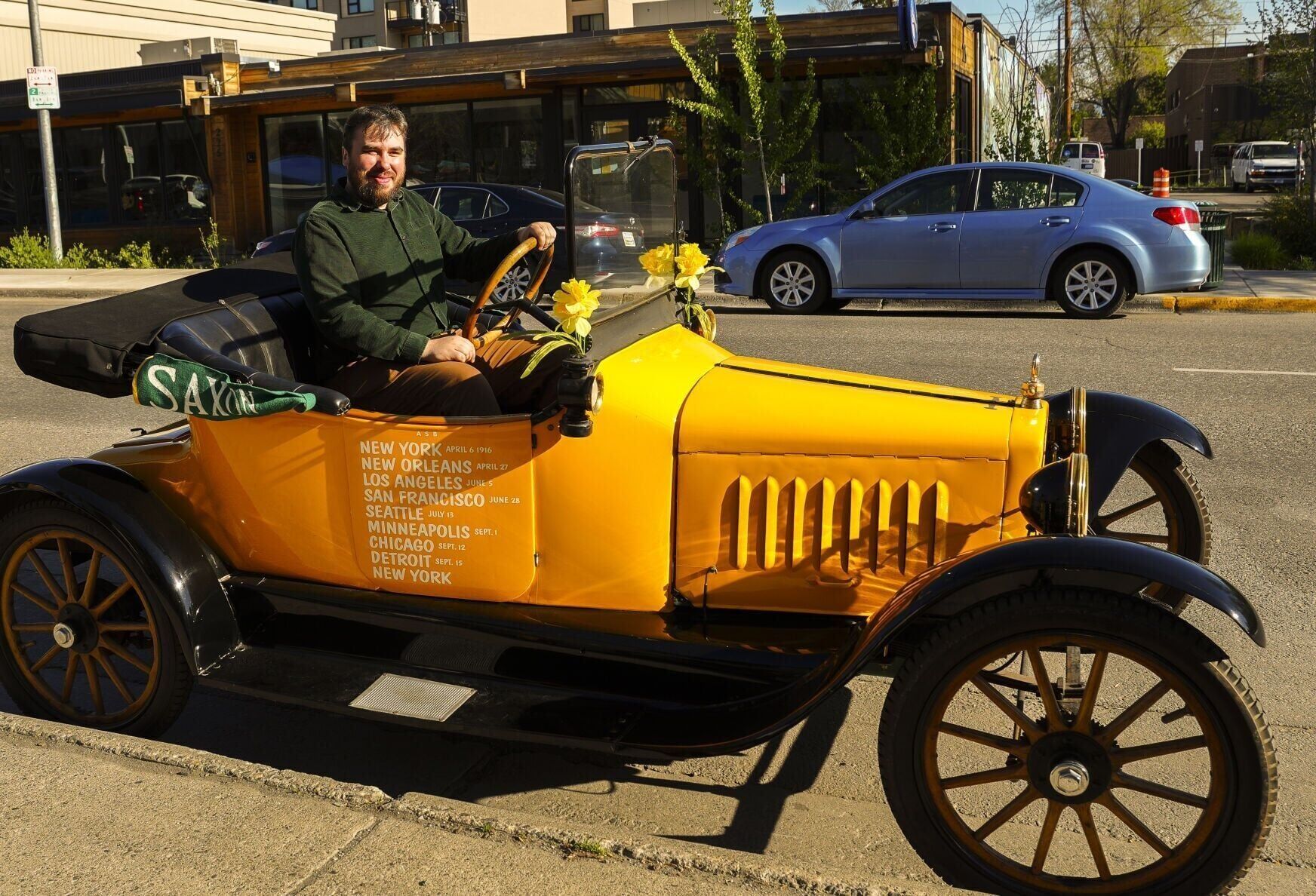
Now, 110 years later, a group of women advocating for the ratification of the Equal Rights Amendment (ERA) is following the basic route across the United States, also in a Saxon Roadster.
Throughout their journey, the group has encouraged Americans to sign the official petition urging Congress to ratify the ERA.
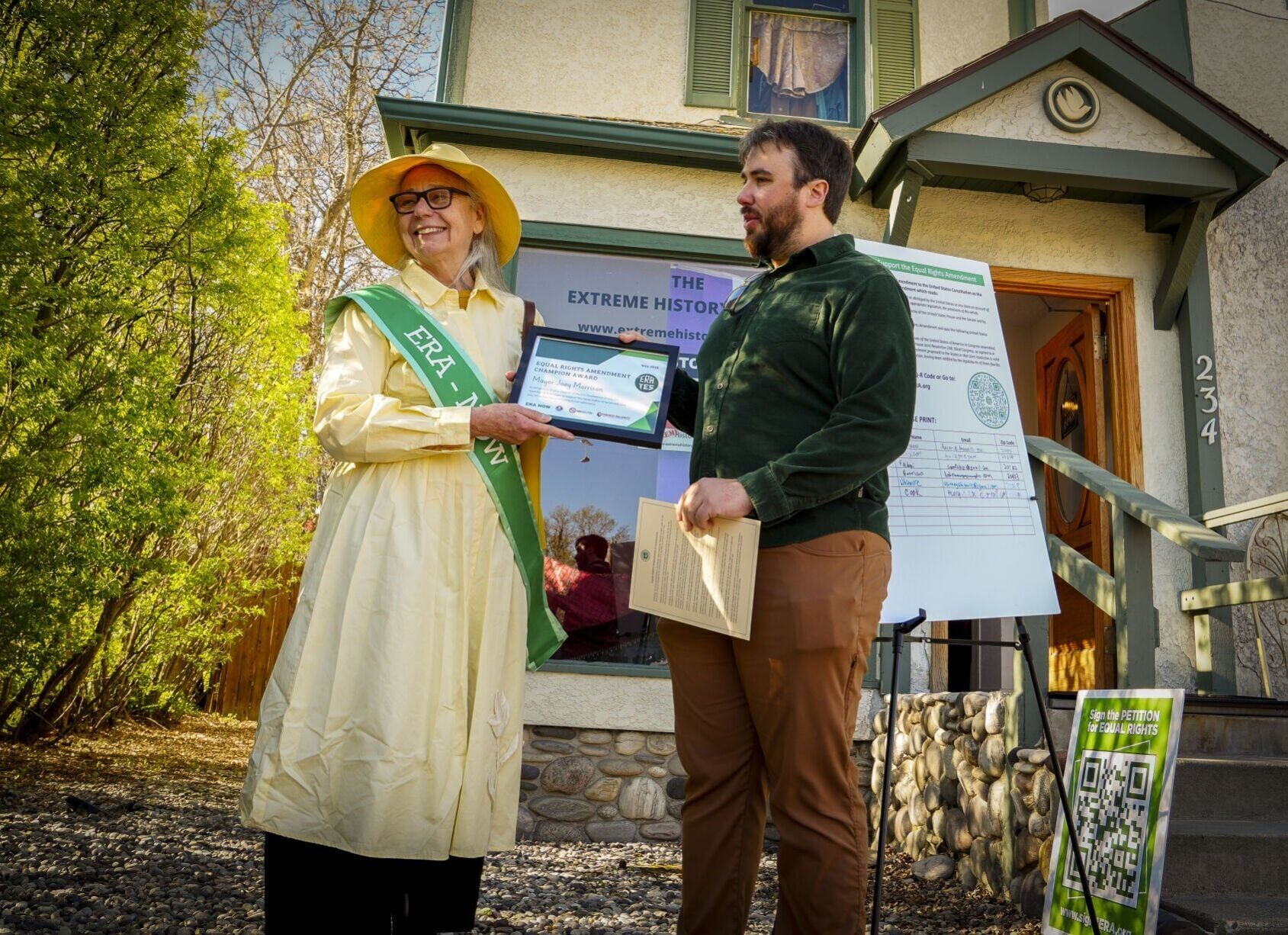
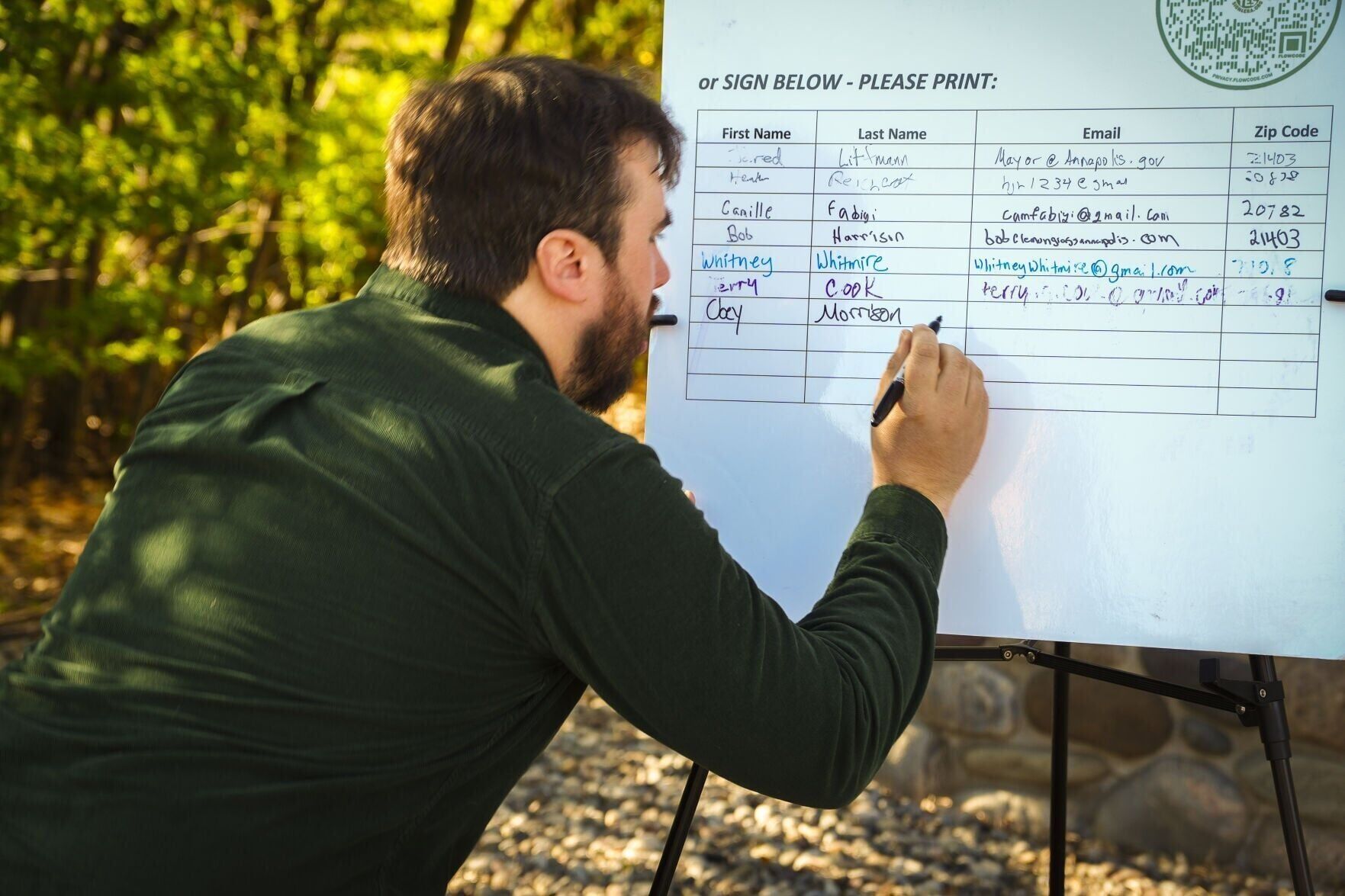
The bright yellow Saxon Roadster rolled slowly down Bozeman streets around 8 a.m. Wednesday and stopped outside the Extreme History Project, where Mayor Joey Morrison said a few words, signed the petition, and read an official proclamation.
“I’m really thrilled at this opportunity to be here and stand in support with all of you as well as add my name to a list of really impressive leaders across the state, across this region, across this country that have recognized our need to get this across the finish line,” Morrison said.
The travelers included Jeryl Schriever and Kathy Bonk, who are part of the Sign4ERA team, an organization dedicated to gathering signatures in support of the ERA.
It also included Susan Nourse, who was asked to drive the Saxon, and Peter Brown, who has been working as a mechanic for the car.
“They wanted a woman driver so that the two of us, Jeryl and I, could be in the car mimicking what the women did in 1916,” Nourse said.
The car used for this 2026 journey is a vintage 1914 Saxon called “the golden flyer II.” It only goes about 30 mph. For most of the trip, the Saxon is stowed safely in a trailer and taken out once the group gets to its next city.
Schriever wrote the book “Driving the Vote for Women: An American Journey for Suffrage,” which tells the story of the suffragettes, Alice Snitjer Burke and Nell Richardson, and the original journey across the nation for women’s voting right. Schriever found 900 clips from newspapers and used their diary to piece together the journey and understand their mindset.
Burke and Richardson met in Manhattan and decided to drive around the county in support of suffrage. They went to Carrie Chapman Catt, of the League of Women Voters, formerly NWSA, who sponsored them and helped plan their route. They likely drove a 1915 or 1916 Saxon Roadster, which they bought for $395, and had it painted suffrage yellow.
Burke and Richardson drove through mud and snow; they got lost in the desert and were shot at by Pancho Villa on the Texas border — all during a time when very few women drove cars.
“This is exciting, being in the same place that they were,” Schriever said.
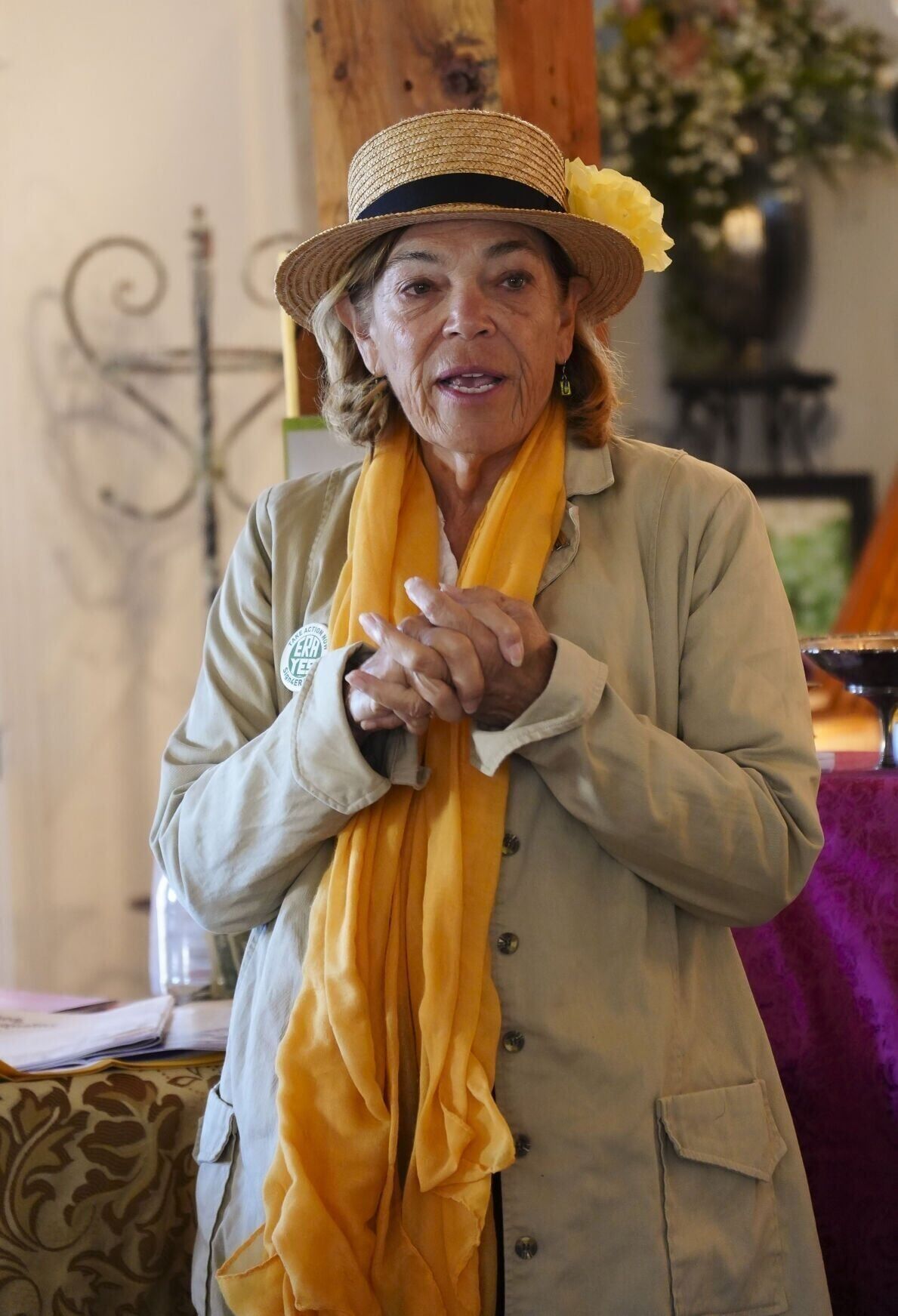
Inside the Extreme History Project, Bonk spoke about the importance of the ERA to help prevent gender-based discrimination. She referenced the SAVE act, which could hinder a woman’s right to vote.
“If the Equal Rights Amendment were in the Constitution, we could likely prevent it from passing and being implemented,” Bonk said of the act.
She also spoke about the 2022 Supreme Court decision that eliminated a woman’s right to an abortion, calling the decision “a wake-up call” that women’s rights are in danger.
In 2020, the necessary two-thirds majority was reached to ratify the ERA when Virginia became the 38th state to sign off on the amendment. But Congress has yet to make it official because of a seven-year deadline to pass the amendment that was set in 1982.
“This is not political,” Jeryl said. “It’s just fairness, it’s just equality. How can anybody be against that?”



Comments ()