
School district to ask Helena voters to approve $2.4M in tech, operational levies
Helena voters in May will have to decide whether to increase their taxes again to send about $3.4 million to Helena Public Schools after the school board recently unanimously approved three mill levies for the upcoming schools election.
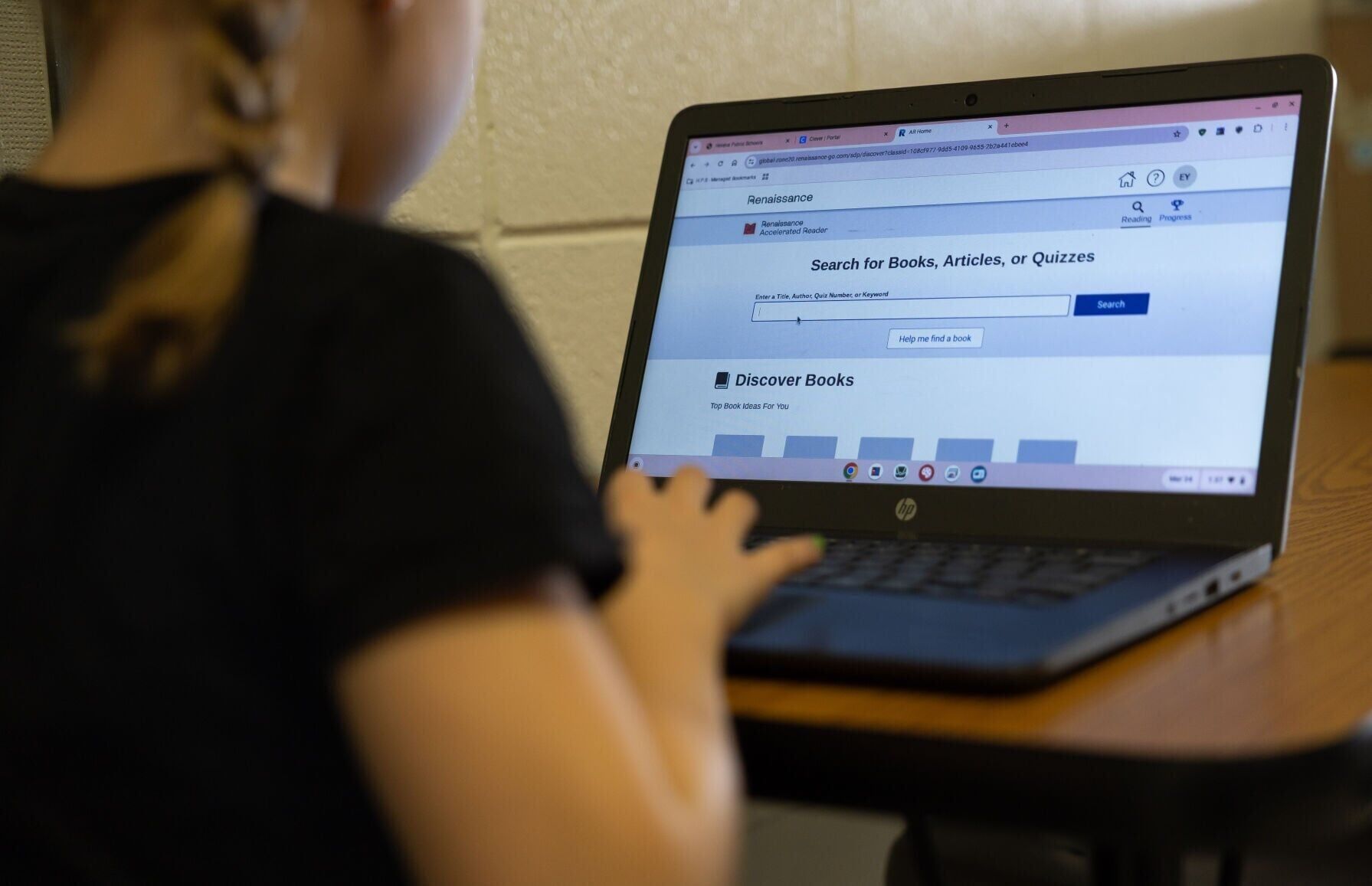
The bulk of the money — $2.4 million — that would come through two of the levies is intended to fund the increasingly expensive licenses the district uses for things like computers, software and state testing, according to district and board officials.
It’s not a light ask of city taxpayers who just months ago approved $283 million in bonds to pay for a new Helena High School and Kessler Elementary School, as well as to renovate Capital High School, Superintendent Rex Weltz and several board members stressed at Tuesday afternoon’s meeting.
But, they said, the manner in which the state and Legislature funds education means that nearly every school district in the state is having to make the same asks of its voters in order to simply keep up with the ever-advancing technological needs required of districts to do state testing and stay up with modern learning technology and the infrastructure that goes along with it.
“This comes with an understanding that this is a big ask, but our community has always supported our students,” Weltz said. “And this isn’t because it would be nice to have. This is how we have to run the district, and if we don’t then we’re going to have to face some really tough decisions on what we’re going to not offer students in the classroom.”
About $2.4 million of the three levies would fund operations, infrastructure and licensing technology funds for the elementary and high school districts to the tune of $1.6 million and $850,000, respectively. None of the bond money approved last fall can be used for such purposes because those dollars are specifically for facilities needs.
Weltz and the board stressed this money would come out of the district’s general fund if the levies are not passed in the May 5 election, meaning such a result would pull more money away from other classroom needs.
They reiterated over and over that the money would not be going toward buying a whole new slate of computers for the district or implementing artificial intelligence technology. Rather, they said, it will be utilized to replace broken computers, but not add new ones to the inventory, and primarily will be used simply to keep up with the growing licensing needs of the district to run schools in 2026.
For instance, Weltz said, there are more than 600 Wi-Fi routers in the district that each take their own license. And there are hundreds more licenses required to operate the network, computers, software and other technological devices the district uses daily, he said.
“These are not optional expenses any longer,” said trustee Siobhan Hathhorn.
When the district ran its first technology levy in 2006, such vast licensing requirements didn’t exist. But these days, they are required for hardware, software, communications, data security and most other parts of daily life, the superintendent said.
“It’s not more devices. It is not more screen time. It’s not more cellphones or cellphone access, and it’s certainly not more unrestricted AI, right?” Weltz said. “Those are talking points that I hear … it’s farthest from the truth.”
The board also approved a roughly $953,000 mill levy question for the ballot that would go to the elementary district general fund, again because of the state funding mechanism leaving that general fund budget short of what the district believes it will need, Weltz said.
The district is in the middle of early budget conversations for the upcoming year, and Weltz and district officials said they believe these three levies would likely fill the gaps they expect will fully materialize as the new budget year gets closer.
“We don’t have a revenue source at our disposal unless the state does something different,” Weltz said. “We’re not going to wait for them to change that because we know how long it takes to change funding at the state level.”
The district estimates the three voted levies, if passed, would cost taxpayers $6 a month, or $72 a year, on a $400,000 home’s tax bill.
Board chair Jennifer McKee, who is not seeking reelection, at the end of the meeting seemed to sum up several of the board members’ feelings about needing to ask voters again for more money because of the state’s school funding formula, changes to which have been kicked around the Legislature the past two sessions without much resolution, but which are likely to be discussed again in 2027.
“It’s terrible that we have to ask people who already paid more for property taxes, and then more for their fuel and everything else,” she said. “We should absolutely not be going back to them and asking to cover the licenses of security systems that we need to keep their kids safe. But that is the way things are funded in Montana.”





Comments ()