
Sibanye-Stillwater Montana mine staffing in recovery amid Russian import uncertainty
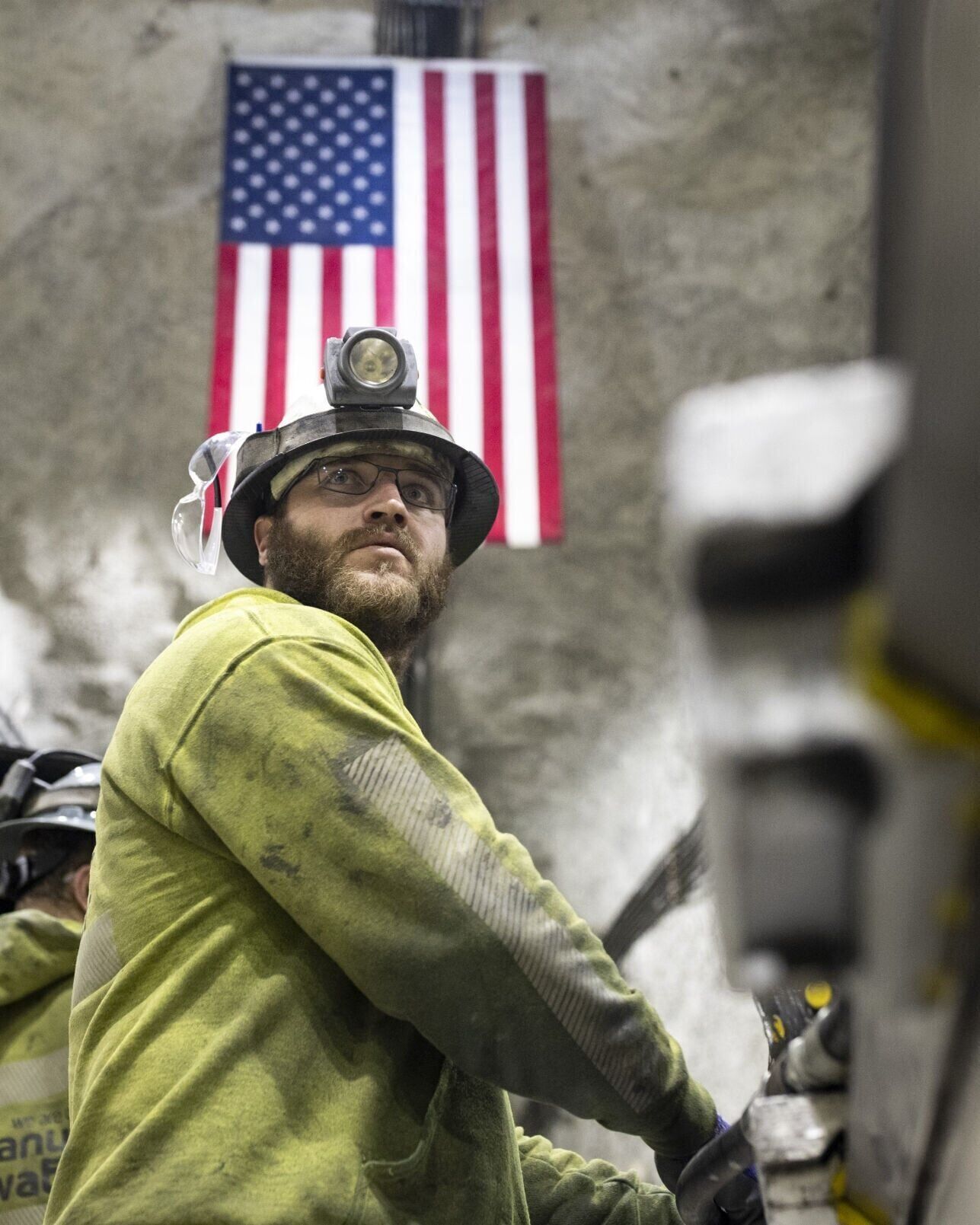
Sibanye-Stillwater’s Stillwater and Sweet Grass County platinum and palladium mines have approximately 25 more employees than when the South African parent company laid off 700 members of its in-state workforce in 2024.
The company maintains staffing at replacement levels, successfully fighting attrition while gaining new jobs at an $120,000 average annual wage in a state where the average earner makes $58,159 per year, according to ZipRecruiter, an online employment marketplace.
“But these are all due to attrition,” said Heather McDowell, Sibanye-Stillwater’s vice president of legal and external affairs. “1,050 (total) people is a large workforce for Montana.”
A U.S. International Trade Commission ruling that Russian palladium imports did not injure or threaten the U.S. industry threatens that balance. Slated for publishing before July 8, the decision could end the trade protection from Russia Sibanye-Stillwater seeks.
The U.S. Department of Commerce separately determined this spring that imports of Russian palladium should face combined antidumping and countervailing duties totaling approximately 241.93%.
Sibanye Stillwater’s Montana mines are experiencing a higher attrition rate compared to other more stable eras, per McDowell.
“A readjustment like our big layoff, it creates a lot of stress,” McDowell said. “We probably have a higher attrition rate than we would historically expect.”
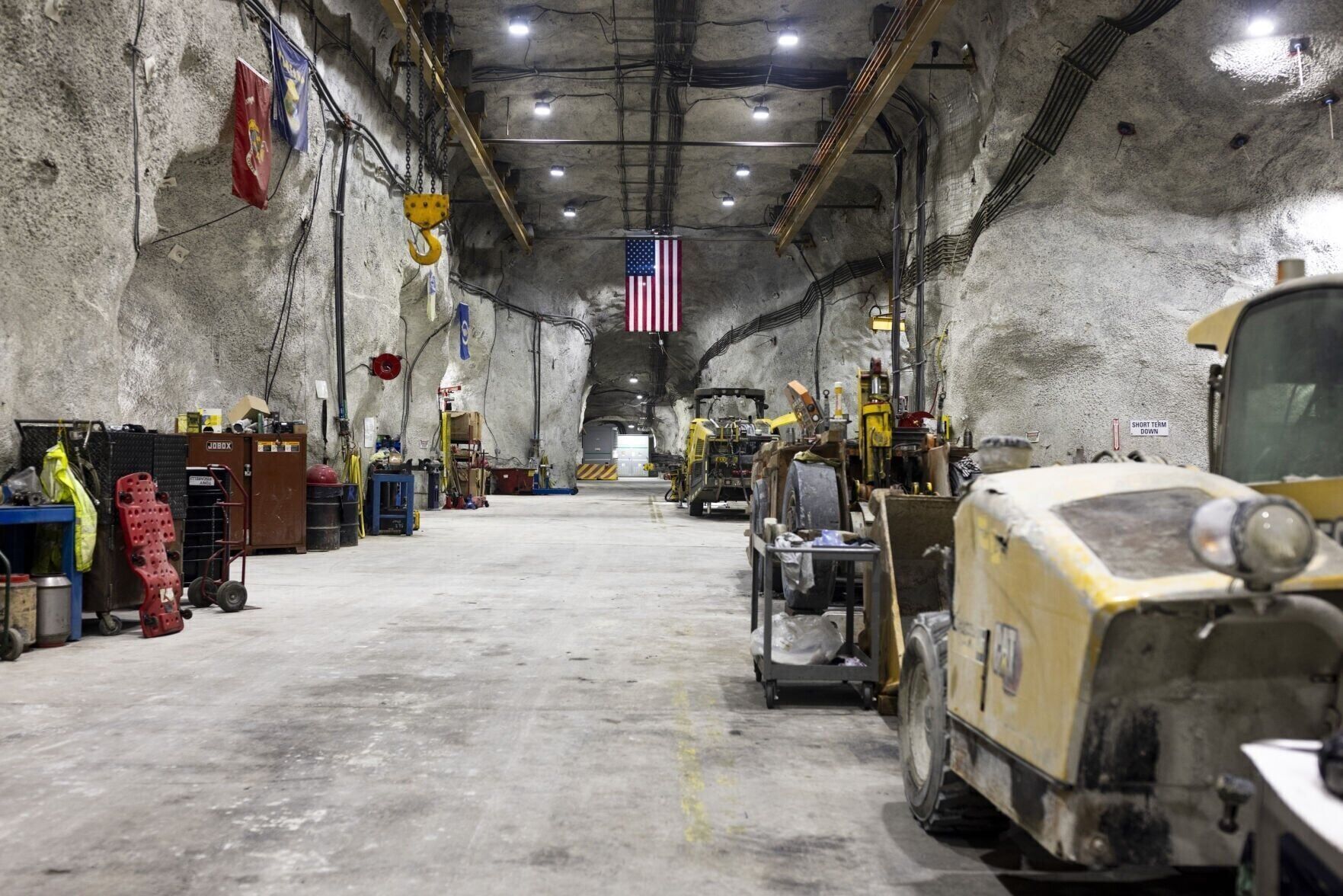
Most of the laid-off mining personnel from 2024 were workers in the Stillwater Mine’s west side, which was placed on “care and maintenance.” The area is where original mining operations began in 1986. Amid plummeting palladium prices, the operation became too costly, per McDowell.
“Over time (the mining) area became farther away from the portal, which made it more expensive,” McDowell said. “The longer it takes (miners) to get to work, the less work that can get done in one day.”
More than half of the mine’s production costs are labor-related. When the layoffs occurred, the west side was the most expensive area of the mine to operate.
The west side is likely to remain closed regardless of short-term market conditions. The operation is excluded from the Sibanye-Stillwater’s recently published five-year business plan for its Montana mining assets, per McDowell.
“While everyone is waiting to see if we would hire back a large tranche of people, that would only happen when we would go back to production at the west side of the Stillwater Mine,” McDowell said.
The company is instead focusing on the east side of the Stillwater Mine and its Boulder Mine in Sweet Grass County.
The west side of the Stillwater Mine stands no chance to open until the company reaches the $1,000 per ounce production threshold. It is estimated to cost more than $1,500 per ounce to mine in the area, per McDowell.
The palladium market price was $1,365 on Monday, down from months prior.
Despite these challenges, no Russian palladium entered the U.S. market from after Aug. 1. A negative determination on the mine’s ITC trade case “Unwrought Palladium from the Russian Federation” could eliminate more favorable market conditions.
Specific trade case details remain confidential.
“Because of this negative determination, once it is published and it goes through the final process to become a final order of the ITC, those tariffs will be lifted,” McDowell said. “In order to keep those preliminary tariffs in place, the domestic producer must show that illegal dumping and subsidization caused the market decline. That is apparently what we failed to do at the International Trade Commission.”
Whether or not Sibanye-Stillwater will challenge the order is undetermined.
“The way the procedure works at the ITC, you get the vote, the decision first, and then a bit of time passes before the written decision is issued,” McDowell said. “Until we can understand the ITC’s reasoning, we don’t have any idea what our next steps will be. We need to see that order.
“Even with this negative determination, we do think filing the case had a positive effect. The Russian entity testified that they stopped sending Russian palladium to the U.S. because we filed our case.”
If the ITC decision eliminates the tariffs, U.S. purchasers could buy Russian palladium as soon as July.
“We’ll find out,” McDowell said when asked if a change in the domestic market could place Sibanye-Stillwater’s Montana mines in jeopardy.
“We don’t want to get to this date where we say we’ll be happy taking Russia’s (palladium). That would be a crazy decision for the U.S. palladium; we want it produced under standards we are proud of.”




Comments ()