
Stop in the name of safety!: City of Bozeman to install 400 new stop signs
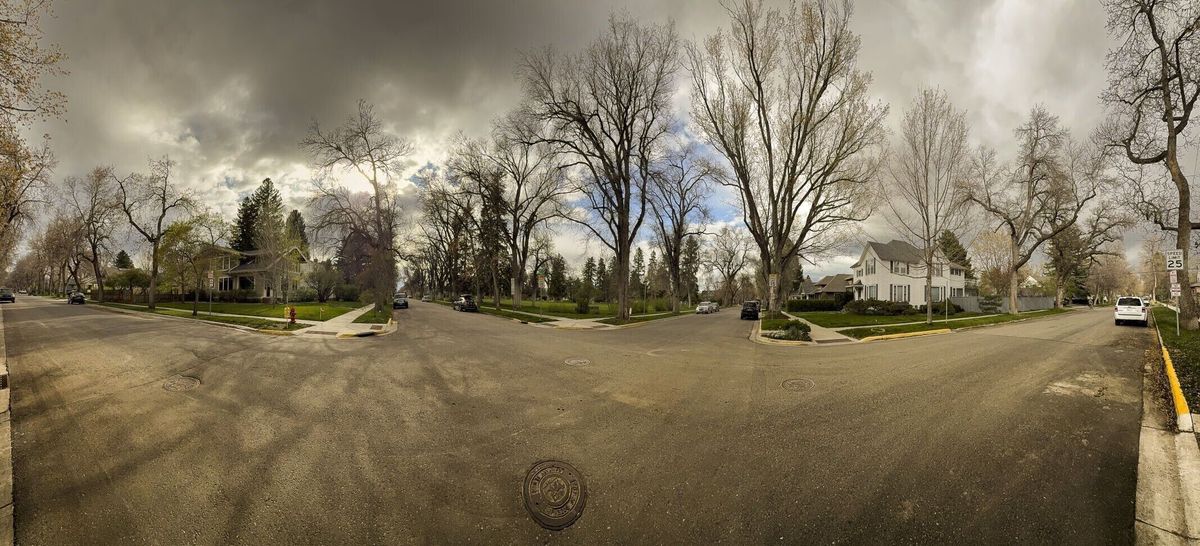
If you spend enough time driving in Bozeman, you’re almost guaranteed to hear someone grumbling about traffic. As the city’s population continues to blossom, roadway infrastructure designed decades ago is struggling to keep up.
To address this, the City of Bozeman has launched several initiatives, including the Bozeman Streets Are for Everyone (SAFE) program.
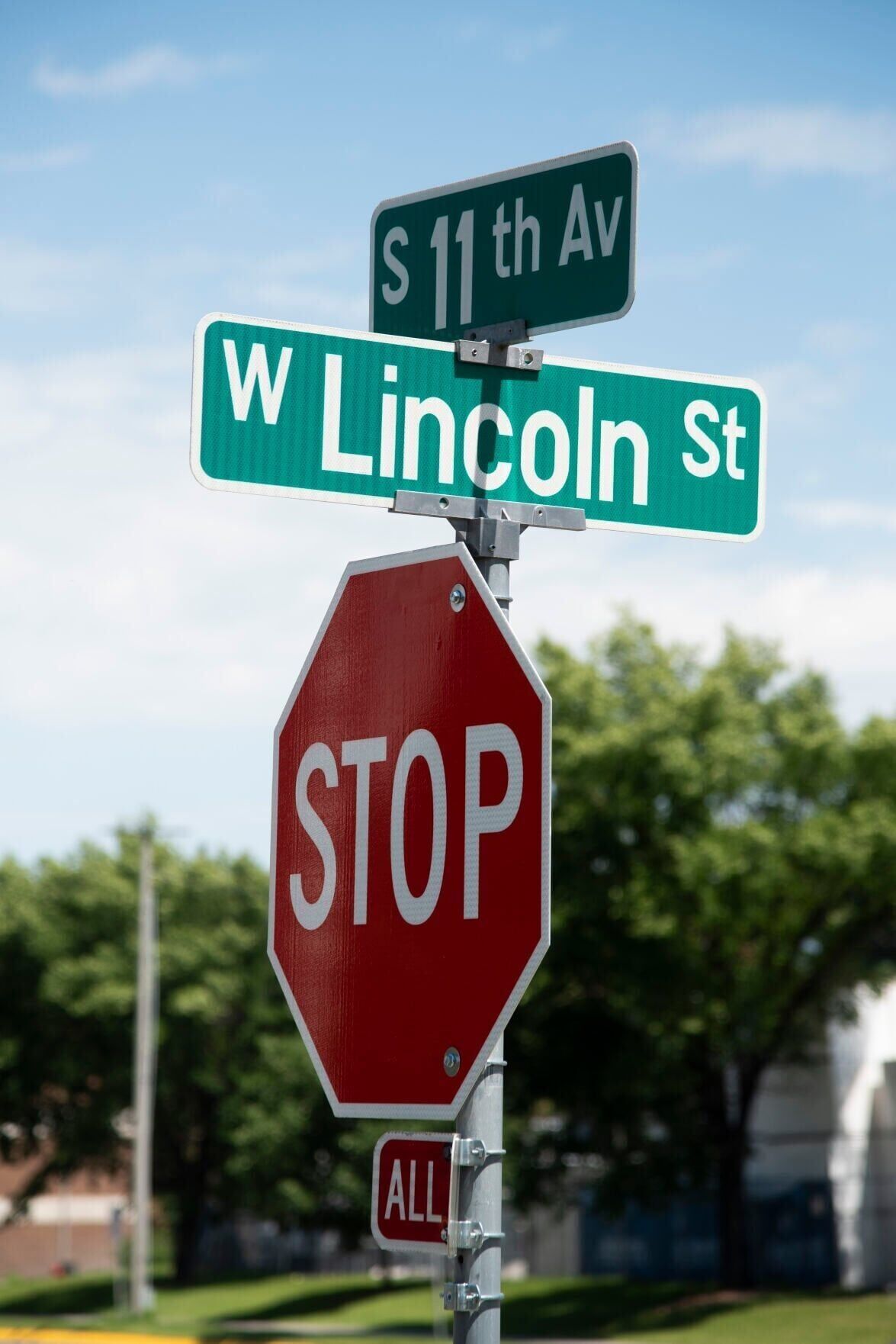
Most recently, the city has announced a multi-year project aiming to tackle uncontrolled intersections with the installation of more than 400 stop signs at 328 intersections. The $40,000 project will commence in May and conclude in 2030.
Rather than stemming from an official traffic study, the stop sign initiative was born of an “aggregation of factors,” Danae Giannetti, a City of Bozeman engineer, told the Chronicle.
Between community concerns about uncontrolled intersections amid population growth and an influx of out-of-state traffic, and an analysis of crash data on controlled versus uncontrolled intersections, Giannetti said the path forward was clear.
“Ultimately, it will improve safety for all street users,” Giannetti said. “Hopefully, it will encourage drivers to slow down and stop at intersections, and it makes their behavior more predictable to other users.”
The project also aligns with the Bozeman Streets Are for Everyone program, which aims to mitigate risks for drivers, cyclists, pedestrians and anyone else using city streets.
“I haven’t seen any collisions, but I’ve seen a lot of close calls,” Riley Sampson, a Bozeman resident of six years, said. “There are a lot of people from out of state, and they don’t necessarily understand the traffic rules in these kinds of neighborhoods. They’re going through too fast, and they don’t see any signage, so they don’t think they’re in the wrong.”
Per Montana state law, drivers should always yield to the vehicle on their right when approaching an uncontrolled intersection.
Stop signs formalize the right of way, making it easier for law enforcement to discern who was in the wrong when collisions occur, Giannetti said.
The Bozeman Police Department relaunched its traffic enforcement unit in October 2025 after a nearly decade-long hiatus due to staffing shortages and increased call volume.
As the city receives enforcement requests or releases new traffic data, Giannetti said they share it with the Bozeman Police Department, which is responsible for enforcement.
“We are working with them more closely than we have been able to in the past,” Giannetti said.
The stop sign project will be broken down into multiple phases, prioritized by traffic frequency, driver demographics, and the number of uncontrolled intersections in each zone.
The first phase will include sign installations in the neighborhoods surrounding Montana State University. Giannetti said the area was prioritized due to a high number of new drivers and new-to-town residents, and a high concentration of uncontrolled intersections.
In 2027, sign installations in the Valley Unit and Northeast neighborhoods will be completed. The west side of town will see installations in 2028, and the far west side and south sides of Bozeman will receive signs in 2029.
The five-year timeline is due in part to the in-house construction of the signs, which Giannetti said will cut costs.
Sampson said installing 400 stop signs across town might seem a “tad bit excessive” and suggested the implementation of traffic circles as an alternative in some locations.
According to Giannetti, each stop sign costs about $80 to construct, whereas a small roundabout can cost upwards of $12,000.
“In addition to being cost-prohibitive, not everybody’s a big fan of roundabouts,” Giannetti said. “We want to be very thoughtful about where we put them.”
If there’s an intersection with low stop sign compliance or inflated collision rates, Giannetti said the city might consider implementing alternative traffic control tools, including roundabouts.
The stop sign project also aims to encourage drivers to use roads intended for higher traffic volumes, such as 19th Avenue and Main Street, rather than cutting through neighborhoods to shorten commute times.
“The whole philosophy behind the SAFE plan is we don’t want any serious injuries or fatalities in our street network, and this is hopefully one step in helping achieve that,” Giannetti said.


Comments ()