
The future of fencing? How virtual fencing could transform ranching across the Yellowstone ecosystem
The Bozeman-based Property and Environment Research Center and the Ricketts Conservation Foundation have partnered to launch the Yellowstone Ecosystem Virtual Fence Collaborative, an initiative aimed at encouraging livestock producers to adopt virtual fencing technology.
“The Greater Yellowstone Ecosystem is one of the largest and most intact ecosystems in the world, and the fact that it just happens to be in the backyards of both PERC and the RCF is pretty significant,” Travis Brammer, PERC’s director of conservation, said. “We’re still testing virtual fencing, but the early signs are that it’s a successful tool for keeping landscapes open, intact, and working by making sure that agricultural production and conservation can work together.”
The Yellowstone Ecosystem Virtual Fence Collaborative awarded $600,000 to eight ranches across Wyoming and Idaho.
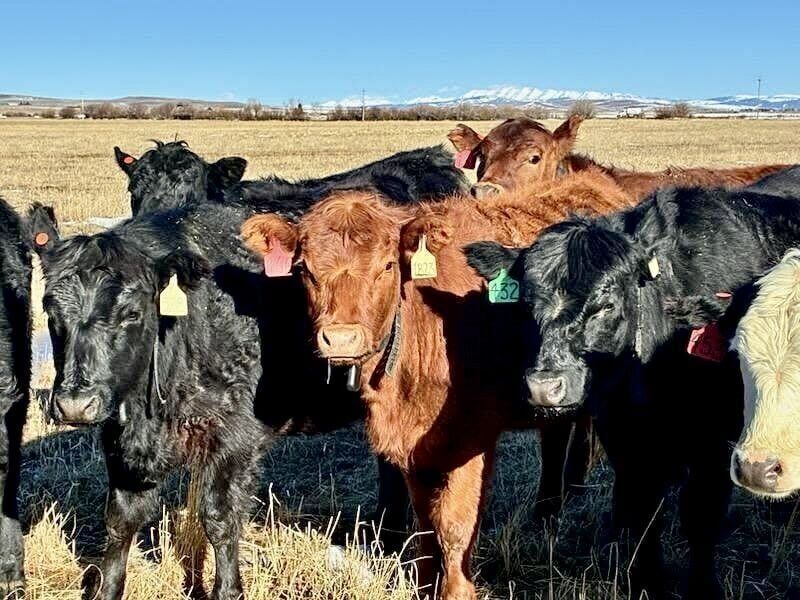
Collectively, the ranches produce more than 5,300 head of cattle and encompass more than 366,000 acres in and around the GYE.
“For these projects, we included migratory areas and winter ranges critical for animals that move in and out of the GYE,” Shari Meeks, the Ricketts Conservation Foundation project manager, said.
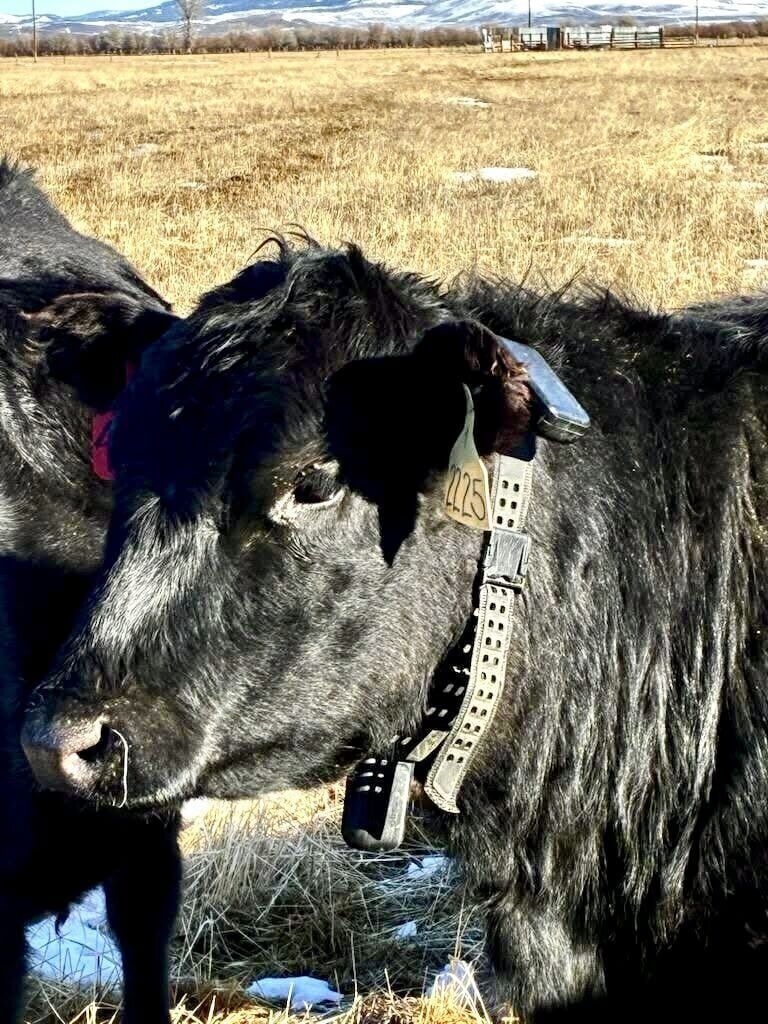
Virtual fencing uses GPS-enabled collars to guide livestock using audio and physical stimulus cues. Producers can set grazing borders from a smartphone or laptop, adjusting the margins as necessary.
In addition to reducing the need for costly and labor-intensive traditional fencing, virtual fencing can provide producers with greater flexibility in managing grazing patterns, protecting sensitive habitats, and responding quickly to changing conditions on the ground.
The technology can help ranchers better distribute livestock, improve forage use, reduce pressure on riparian areas, and limit conflicts with wildlife, all while supporting more efficient and adaptive land management.
“First and foremost, the technology has to work for the producers,” Brammer said. “It has to work within their agricultural operation, and it has to allow them to meet their operational goals.”
Once producers feel confident in the effectiveness of virtual fencing, Brammer said, conversations about conservation opportunities are held.
Meeks said most of the ranches selected to receive funding had different conservation goals, providing the collaborative with a variety of case studies to track benefits.
Funding recipients range from St. Anthony, Idaho-based Crapo Cattle Enterprises, which aims to reduce livestock impacts on streams, open migration pathways for native wildlife, and reduce ranch operational costs, to Auburn, Wyoming-based XX Ranch, which aims to implement targeted grazing to increase pressure on invasive weeds, improve soil health, and encourage wildlife movement.
“All the producers have different mentalities,” Meeks said. “Some want to do it because of the regenerative agriculture aspect. Some want to graze differently on their properties to increase money in their pocket.”
In addition to their conservation and production goals, Meeks said the selected ranches vary in operational size and geographic location.
“We have a really wide variety to study over the next four years,” Meeks said.
The application window for Yellowstone Ecosystem Virtual Fence Collaborative funding opened in September 2025. Brammer said around 20 applications were received by the November deadline.
“It was just really inspiring to see the response from producers and how thoughtful they were when they responded to the questions. It wasn’t an easy application to write, and for a producer to put that kind of time and effort into it was profound to me,” Meeks said.
Once the application window closed, PERC and RCF conducted a multiphase project ranking, reviewing the applications based on the goals and objectives of the grant and the ecological value of each habitat area.
“The producers really stepped up to the plate in terms of budgeting, designing their projects, and describing the conservation outcomes that they wanted,” Meeks said. “The producers that responded to the application are the ones that aren’t afraid to get out and take the risk.”
Meeks said the collaborative funding is intended to absorb some of the risk producers take by converting from traditional fencing to virtual fencing.
By providing financial support, educational outreach, and checking in with producers over a four-year period, the collaborative hopes to study the viability of virtual fencing for meeting production and conservation goals.
In January, the decisions were finalized, and Meeks said the next couple of months were spent working with producers to draft contracts and agreements.
With funding awarded in late April, Meeks anticipates implementation of the virtual fencing to commence later in the spring.
For now, PERC and RCF are conducting site visits to create conservation and monitoring plans on each of the ranches.
“At a minimum, on an annual basis, we’ll all meet to discuss the grazing season, how virtual fencing is going, the big problem areas, and the greatest benefits,” Meeks said. “Then we’ll combine that with data on soil composition, vegetation data, and photo points, and over the four years, we should be able to see a trend based on their management changes.”
Funding for the Yellowstone Ecosystem Virtual Fence Collaborative grants was raised by RCF, which provided $400,000, and PERC, which contributed $200,000.
Without a reliable, replenishable funding source, Brammer said it has not been decided if subsequent rounds of funding will become available.
However, the collaborative will be a continuing resource for producers interested in learning about or converting to virtual fencing.
“The partnership and the collaborative itself is really unique,” Brammer said. “Three years ago, there weren’t many conservation groups investing in virtual fencing, so getting two groups together and seeing producer interest is encouraging and exciting.”

Comments ()