
The high-voltage politics of data centers in Montana’s western congressional contest
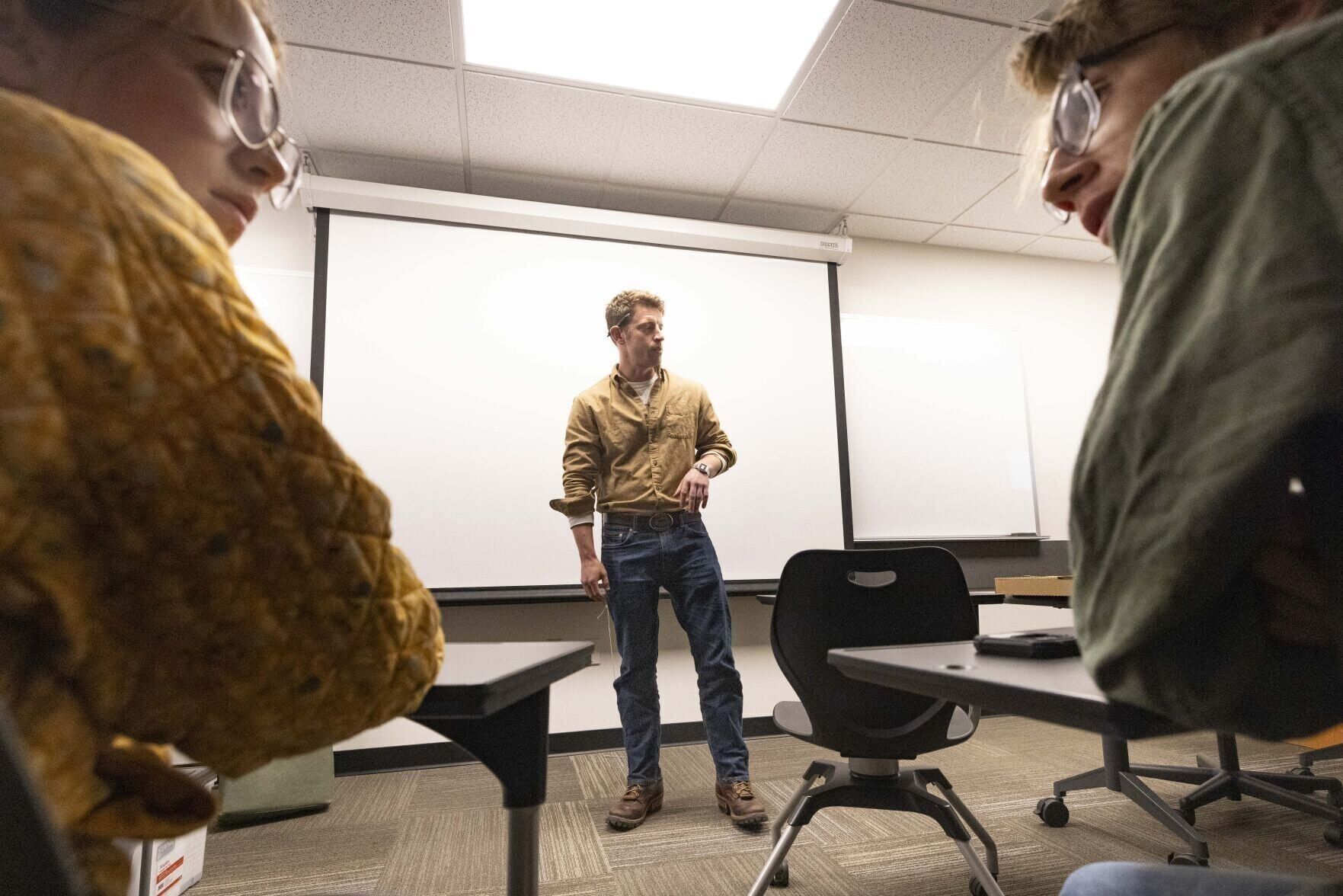
BOZEMAN — A few dozen college students crammed into a classroom earlier this month to hear Sam Forstag, a Democratic candidate for Montana’s western congressional district, make his pitch. Between bites of pizza, students lobbed questions at the candidate about healthcare, foreign policy and housing. But one issue — data centers — swallowed up a third of the question-and-answer section.
Forstag, like many candidates this year, has the parlance at his fingertips. He wants to see data center companies generate their own power, use the most efficient water systems available and ensure the contracts to build these computing factories result in local jobs — union jobs, specifically, as Forstag’s background as a union leader has been a central part of his campaign.
These three points about water, energy and jobs are often repeated by candidates of all stripes like a list of demands to theoretically mitigate the growing fears about an incoming technocracy that feeds on Montana’s finite natural resources.
Forstag tried to zoom the conversation out to a bigger picture. These data centers power the artificial intelligence that could pose an existential risk to humanity, he said, and that’s where the focus should be.
“No one seems to be scared enough about this that they’re doing anything at the federal level, and that’s the bigger fight to have,” he told the room.
The students in the room, however, kept pushing on data centers until they reached what’s become the definitive question: Would Forstag support a moratorium on building them?
“Right now, I don’t have the power to implement a moratorium, right? I’m running a campaign,” Forstag responded. “But if they can’t meet these three requirements, then they should not be built.”
Connor Alsobrook, a 23-year-old Montana State University student who asked a series of follow-up questions in the exchange, said he stands firmly in the moratorium camp.
“We don’t trust the older generation to implement these things,” Alsobrook said after the event.
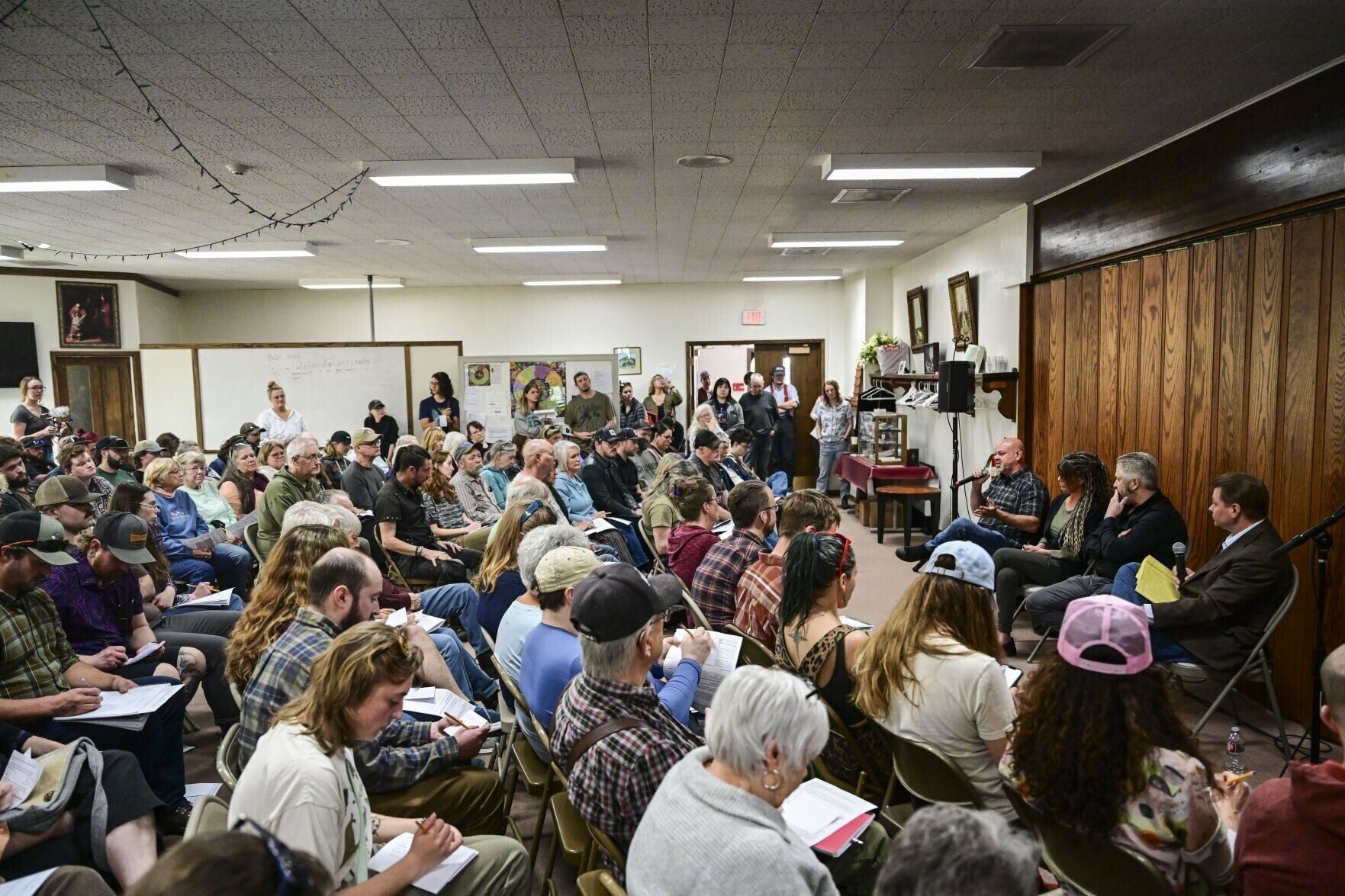
On campuses, in diners and from debate stages across Montana, candidates are fielding questions about data centers. The issue has become prolific on the campaign trail through the state’s 1st Congressional District, where project proposals have popped up in cities like Butte and Missoula. Advocacy groups are organizing around the concerns about resource extraction, which graft neatly onto Montana’s storied history with the Copper Kings, when mining interests roiled the state’s resources. But this year’s signature wedge issue isn’t isolated to Montana, either. Candidates around the country are pledging to slow or block the rollout of data centers, which, especially in a political context, can serve as a proxy war against the wealthy.
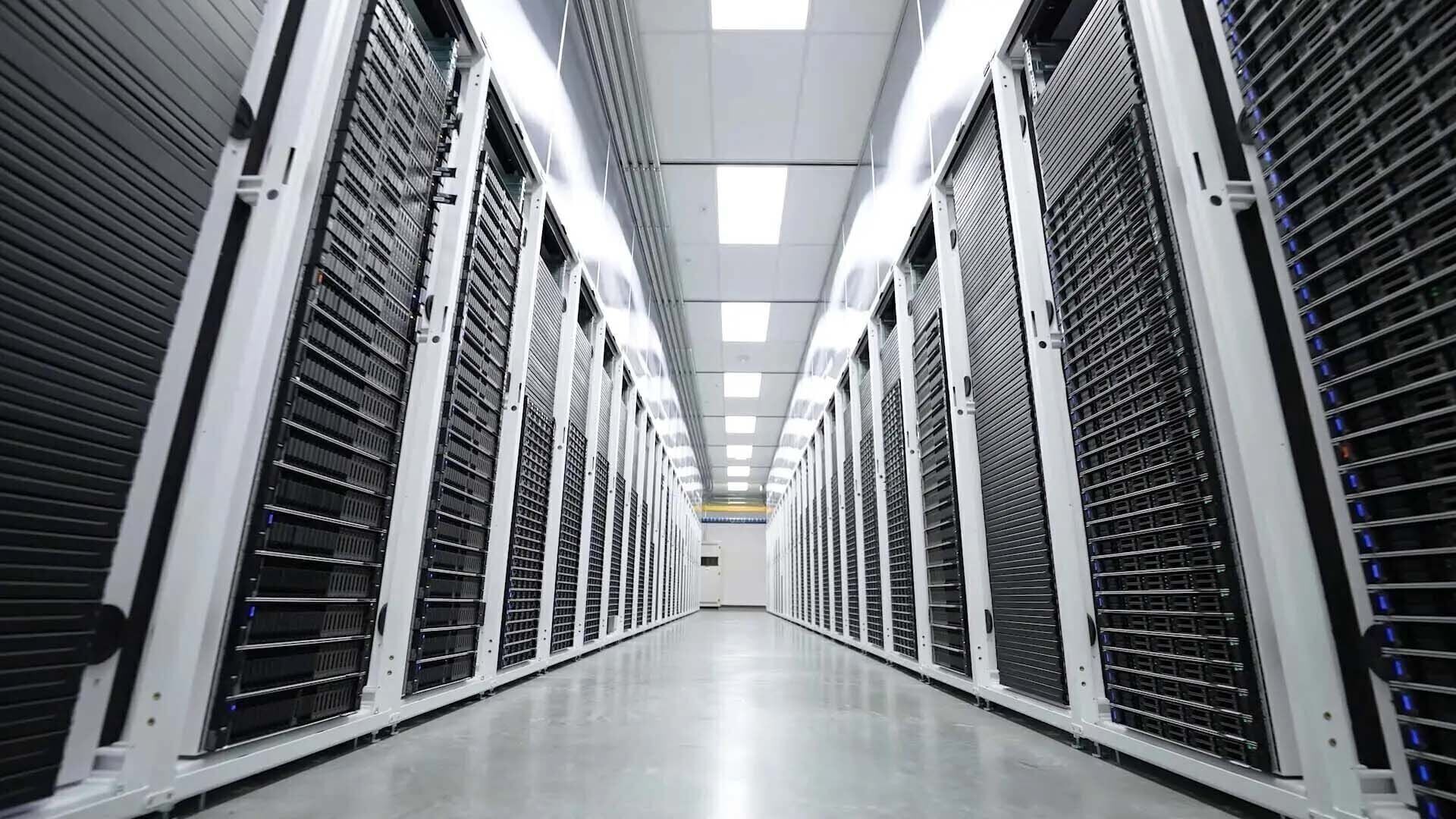
More than a dozen projects are reportedly in some form of development, although little is known about them aside from their immense energy needs, leaving plenty of room for rhetoric to fill that space. Some officials, on the other hand, recognize their communities are starved for economic development and jobs, even if those that may come along with a data center may be short-term.
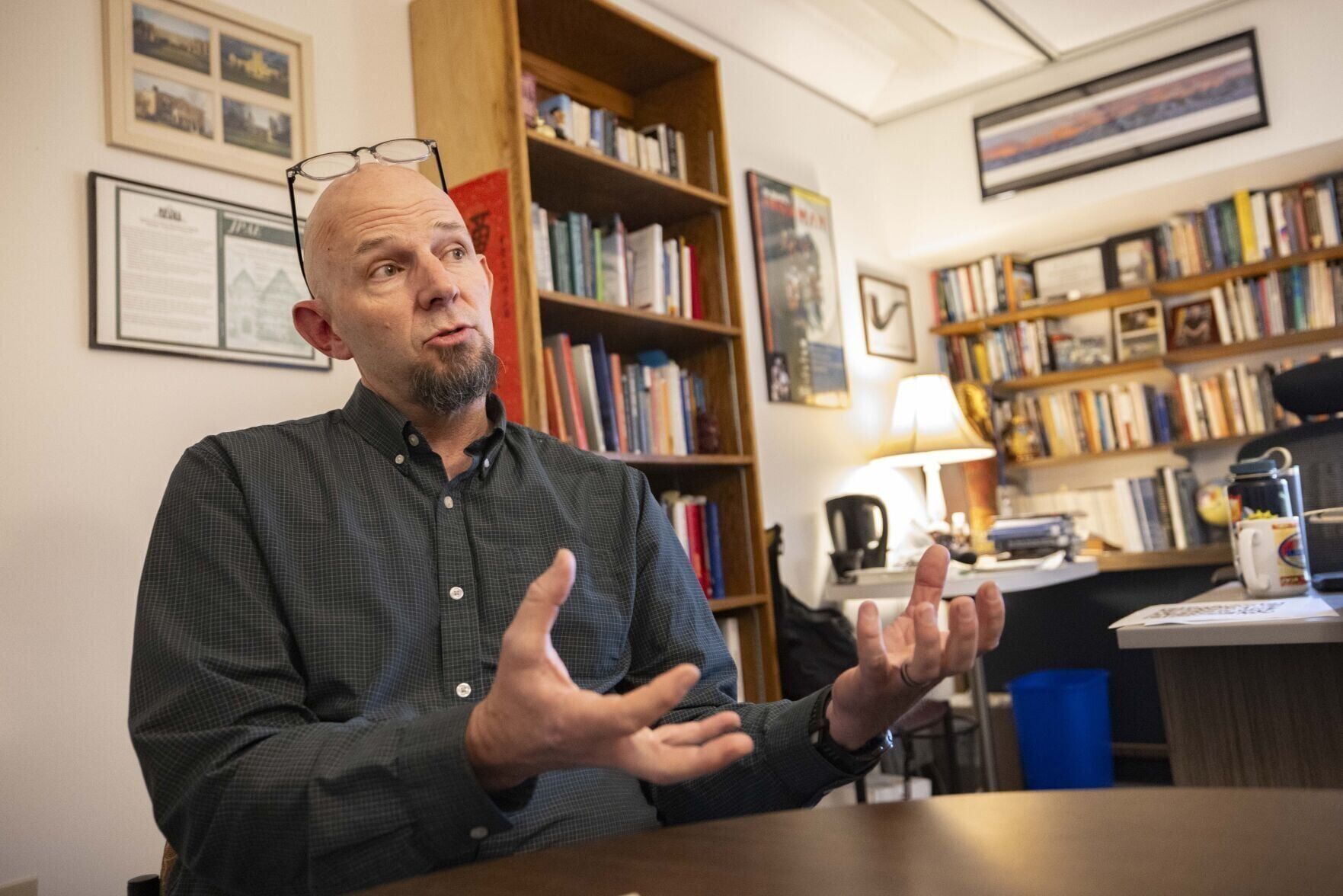
Citizens feel like they have little control over an issue that doesn’t fit their community’s character but still is being foisted upon them, said Eric Austin with Montana State University’s political science department.
“It evolves into this sort of amorphous opposition to these things,” Austin said.
Currently, the most direct regulations on data centers in Montana exist at the county level. Missoula, for example, has requirements that any data center or cryptocurrency mining operation recycle its electronic waste and bring new renewable energy online to power the project.
The federal government has yet to develop meaningful oversight of the industry, leaving states to test the waters. Thirteen states are considering blocking data center development, and Maine’s governor last week vetoed legislation that would have enacted the first moratorium in the country.
Candidates for federal office this year have seized on that opening at the congressional level.
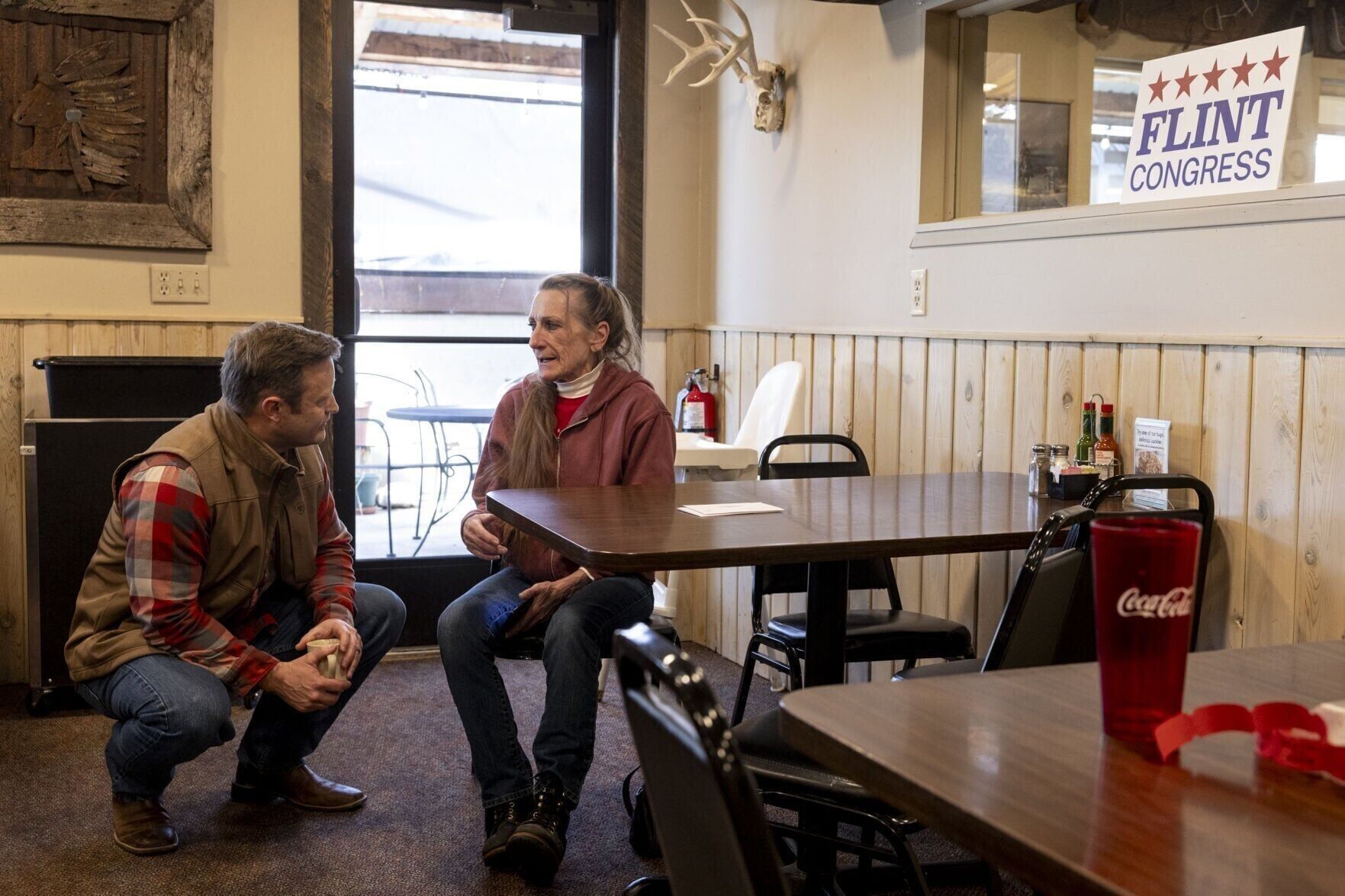
As a political point, the data center discussion isn’t happening only in Democratic circles. At a cafe in Stevensville, a woman with a local GOP organization asked Republican candidate Aaron Flint where his campaign has landed on data centers. Rather than jobs or environmental stakes, Flint takes a different angle: national security.
“If you were to do an all-out ban on this, basically you're handing over our private data, and you're handing over the economic future and national security to China and Russia,” he said in an interview earlier in the day. “Nobody wants our data in the hands of the Chinese.”
The moratorium position appears to have staked out a bipartisan tent. Al Olszewski, one of Flint’s opponents, told the Montana State News Bureau he supports a nationwide moratorium — or Montana-specific ban, if Congress would entertain it — until developers can ensure natural resources are preserved.
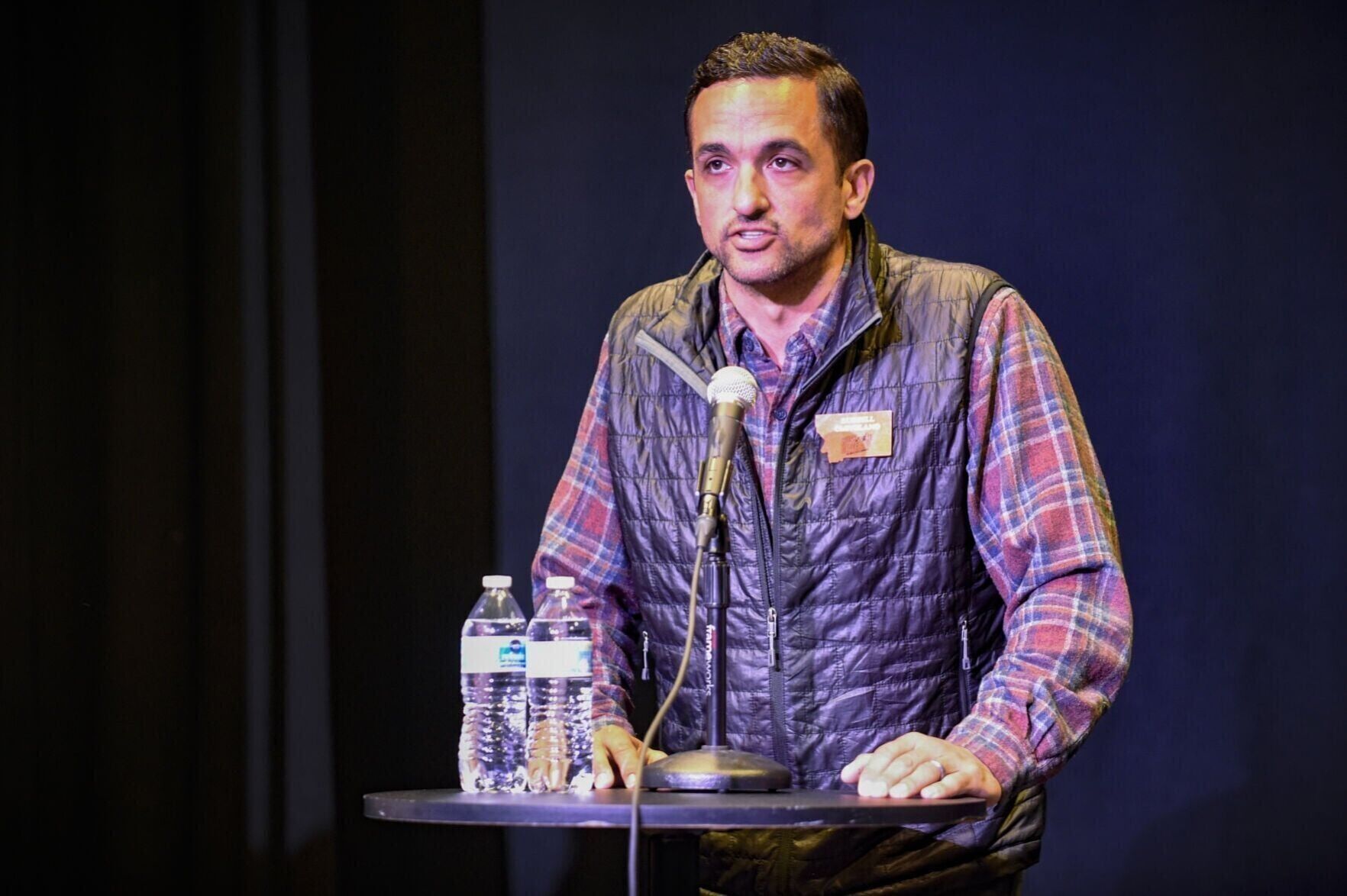
On the Democratic side, the four candidates in Montana’s western congressional primary are split. Forstag and Matt Rains have both resisted endorsing a moratorium, but still say tight regulations on water, energy and jobs should be mandatory. Russell Cleveland and Ryan Busse, meanwhile, have gone all-in on a moratorium until those regulations are enacted.
At a debate in Helena this month, data centers became the issue that finally broke up that field that had been widely seen as friendly. In his opening statement, Cleveland slammed Forstag for his support from unions; he’s got the endorsement of Montana AFL-CIO, the largest union organization in Montana. This, Cleveland asserted, was evidence of a tacit support for data center development. Forstag pushed back, denouncing a candidate who would turn their back on the unions.
Unions, for the most part, see data centers as inevitable, and say they might as well be at the table when it comes time to build these massive warehouses.
“If you’re not at the table, you’re on the plate,” said Jason Small, executive secretary for Montana AFL-CIO. “... At the end of the day, there is a demand for them, and we know they’re going to get built.”
Union leaders like Small have bristled at the idea of candidates bashing organized labor as a path to winning the data center debate.
“Obviously, our membership on the building-trades side, especially, has gotten away from the Democrat Party because everyone sees them as not supporting our work and essentially taking jobs away,” Small said.
Unions got into the mix earlier this year when the AFL-CIO urged the Montana Democratic Party to back down from “exclusively negative messaging” on data centers. Small said the intent behind the email to Democrats was to not let the issue get warped by politics. Instead, the AFL-CIO has become a recurring character in the political scrum over data centers.
So far, few direct ties to data center developers in western Montana — Sabey Data Centers and Krambu — have been found in candidates’ campaign finance records. The wider issue of how companies wield influence through dark money is, by definition, difficult to track but especially present given the funding available in the tech industry.
In the eastern congressional district, Yellowstone County residents got a jump scare earlier this year when a renewable energy project suddenly morphed into a 5,100-acre data center project. The CEO and general counsel of that company, Quantica Infrastructure, donated a combined $5,000 to incumbent GOP U.S. Rep. Troy Downing, who is expected to win reelection by a wide margin.
Environmental groups, meanwhile, are standing firm against the inevitability position and appear to have a sympathetic ear across the state. Polling released by the University of Montana last week found two-thirds or more of Montana voters believe data centers would have a negative impact on the availability of water, the reliability of the electric grid and the price they pay for electricity.
The Northern Plains Resource Council, for example, released a so-called toolkit this month for communities to organize and push local officials toward the moratorium side of the debate.
The issue has also spawned a new advocacy group, Not My Bill, which officially launched this month in response to several data center projects in the works in Montana. Jeff Edmunds, a former Amazon employee who previously worked in the administrations of Democratic Govs. Brian Schweitzer and Steve Bullock, has taken a leading role in Not My Bill’s efforts.
In an interview last week, he said it’s not a political group, but an education campaign to urge local leaders to develop “common-sense solutions.” The organization isn’t pushing for a moratorium, he added, but will advocate for statewide standards.
“Whether data centers were politicized or not, the hedge funds and billionaire firehose of money is clearly pointed at data center development,” he said. “Because it’s politicized, I think we will see a lot of Americans’ anxieties and concerns about our current state of affairs also manifested in this one physical structure that might come to their neighborhood.”
It won’t be clear until the June 2 primary election how salient the issue actually is with voters. Alsobrook, the MSU student who grilled Forstag on data centers, told the Montana State News Bureau after the campus event that he didn’t want a specific answer from Forstag, just to know his position.
Asked if he had already decided how he’ll vote in the June primary, Alsobrook said it was a tossup between Forstag and Cleveland.



Comments ()