
'They're reclaiming': Tribal students tap ancestral knowledge at Montana State with buffalo harvest
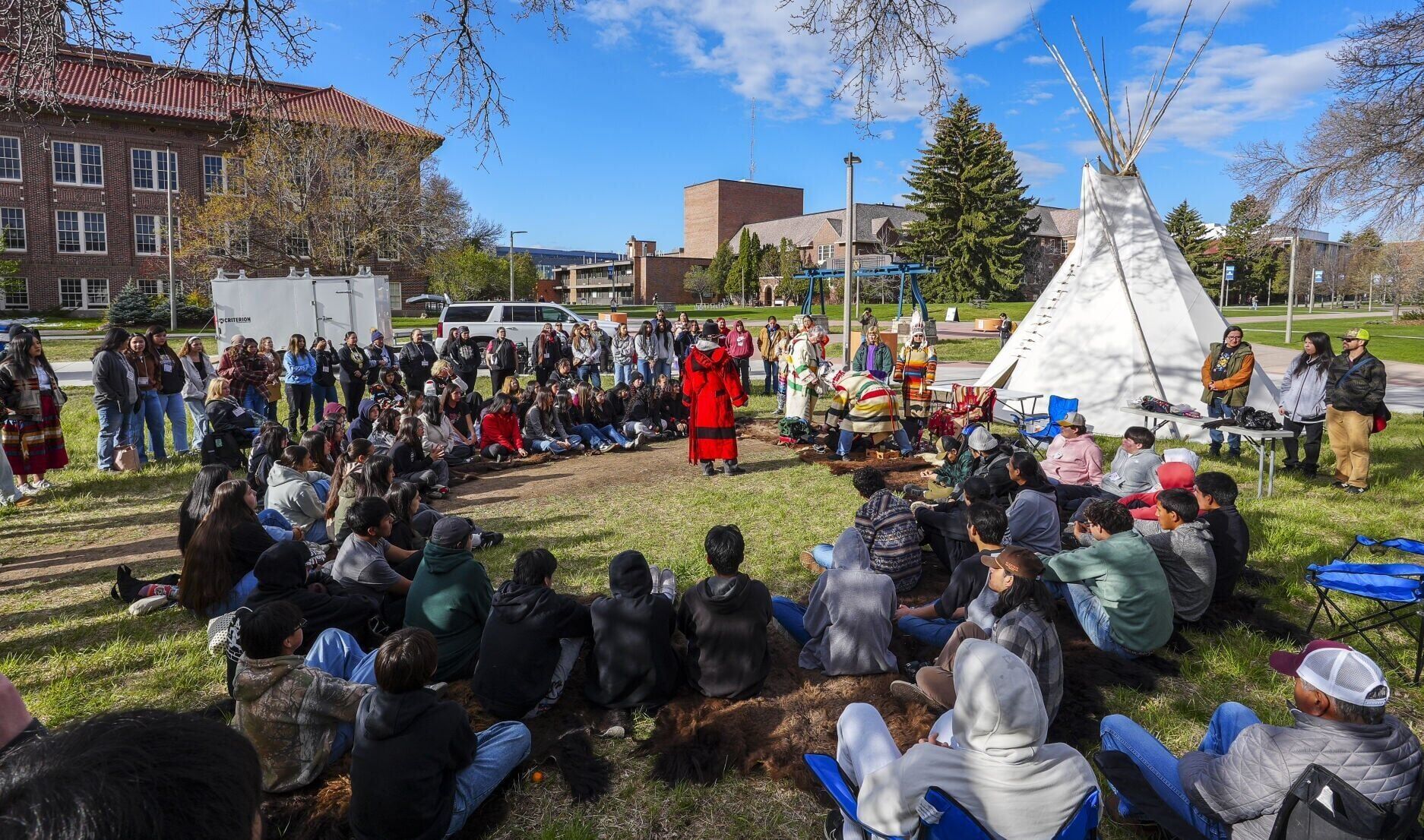
Larry Ground stood in the center of a circle of teenagers sitting cross-legged on buffalo hides and began to sing in the Blackfeet language.
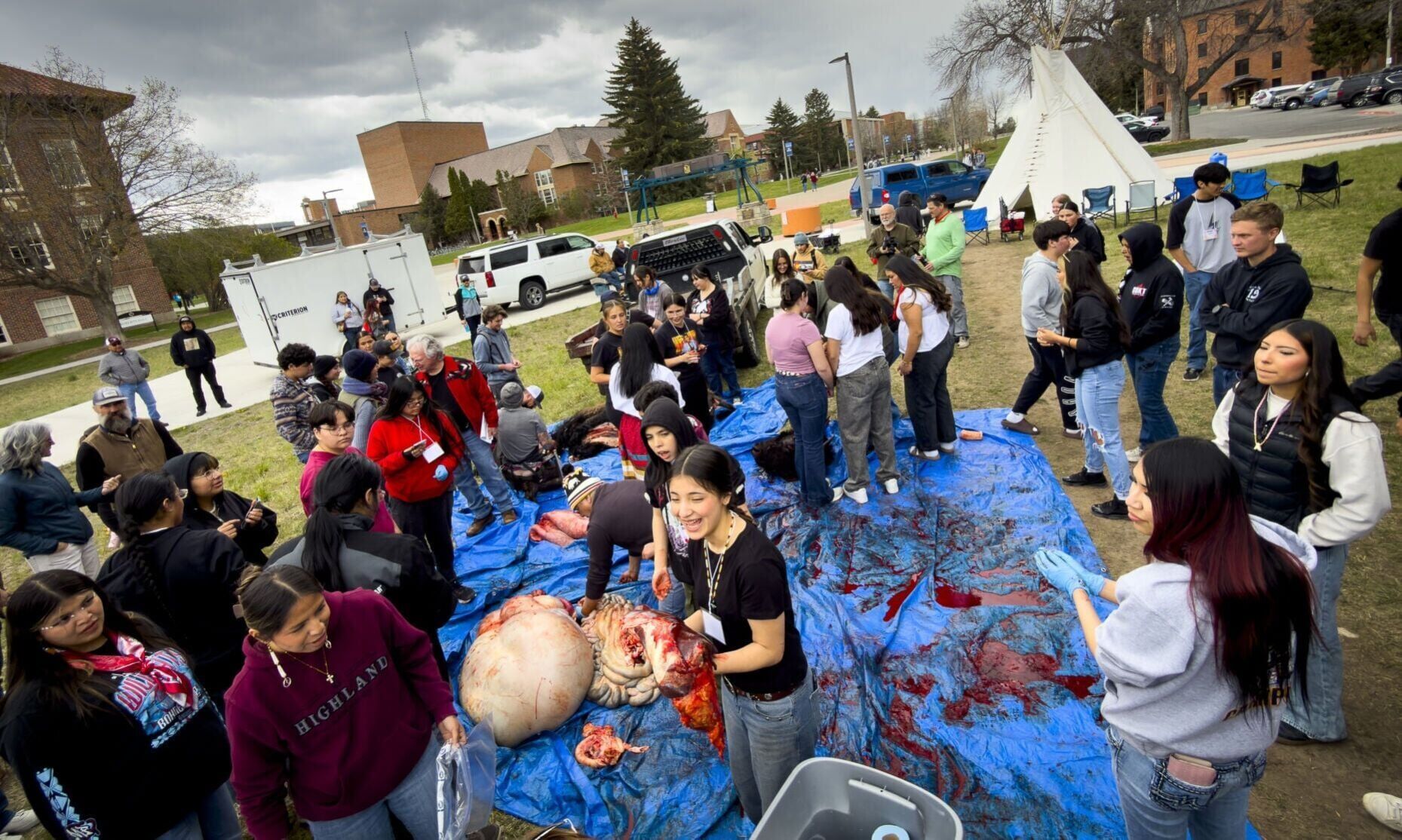
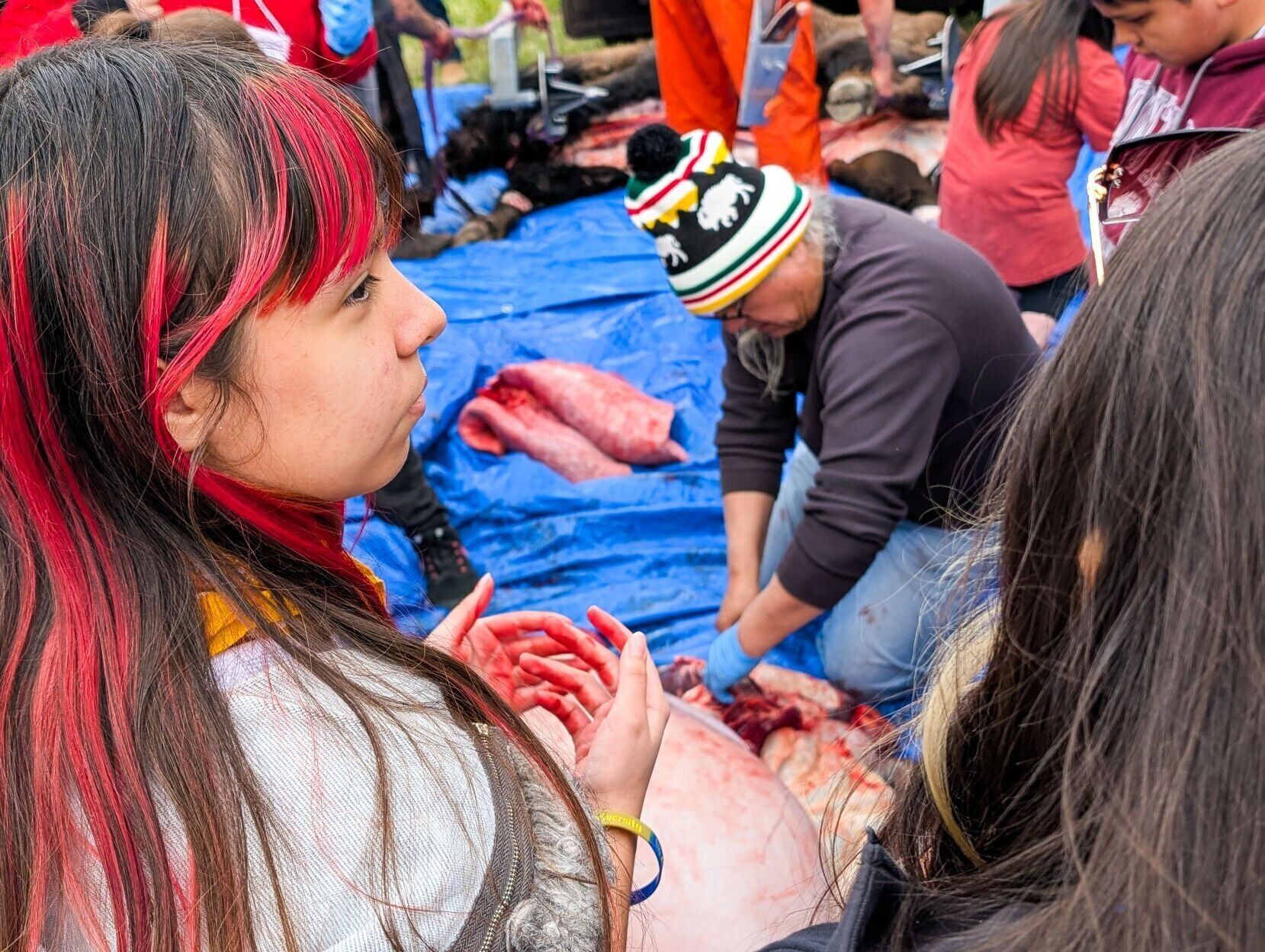
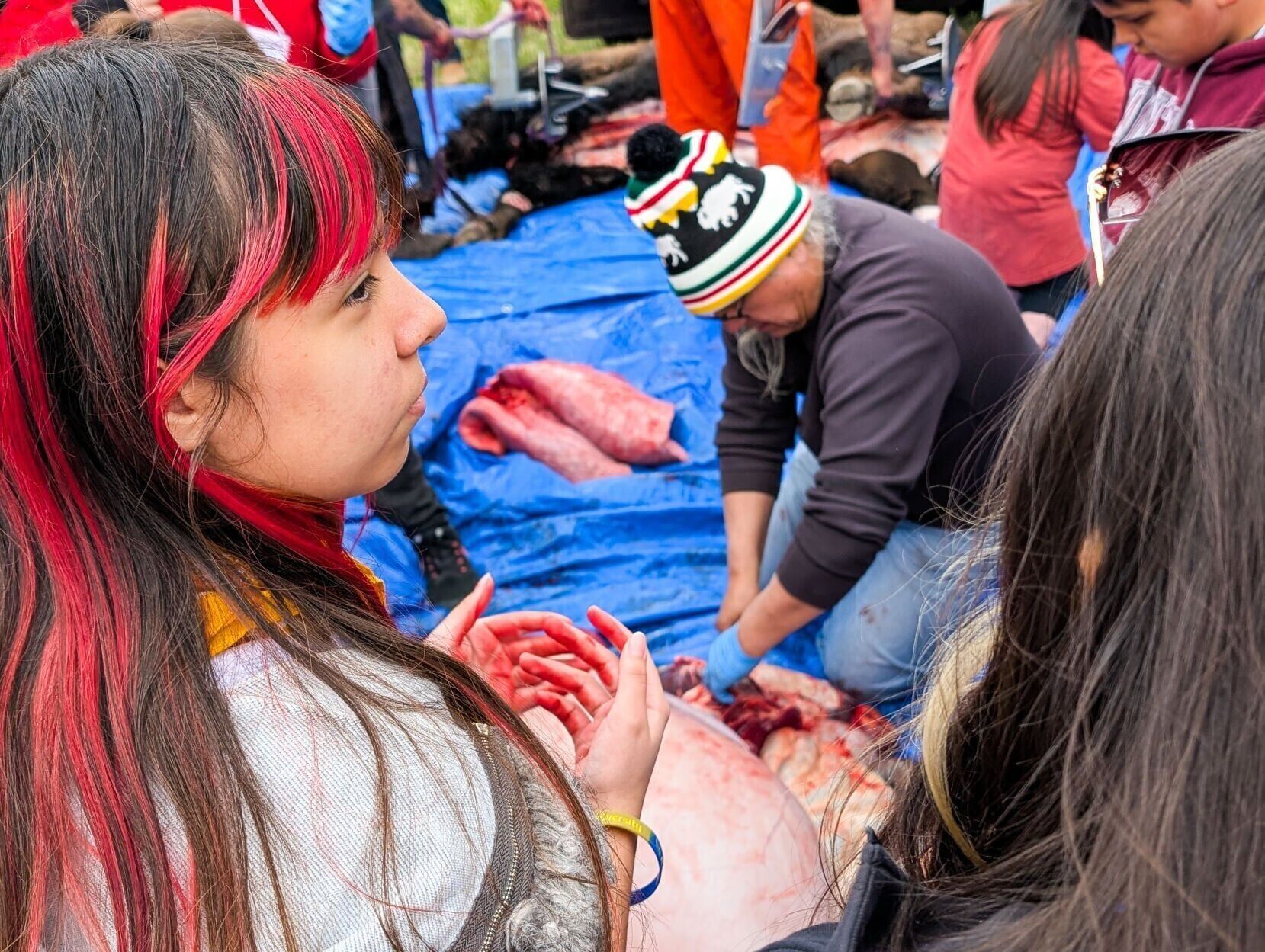
By afternoon Tuesday, those same students would be elbow-deep in a traditional buffalo harvest on the Montana State University campus, hands slick with blood as they passed pieces of the animal from one to another.
But first, there was ceremony.
Everyone took a pinch of tobacco as Ground sang and prayed in the Blackfeet language for the buffalo, the hunter, and the students. Two traditional pipes moved through the crowd, and the ceremony ended as each person returned their tobacco to the earth.
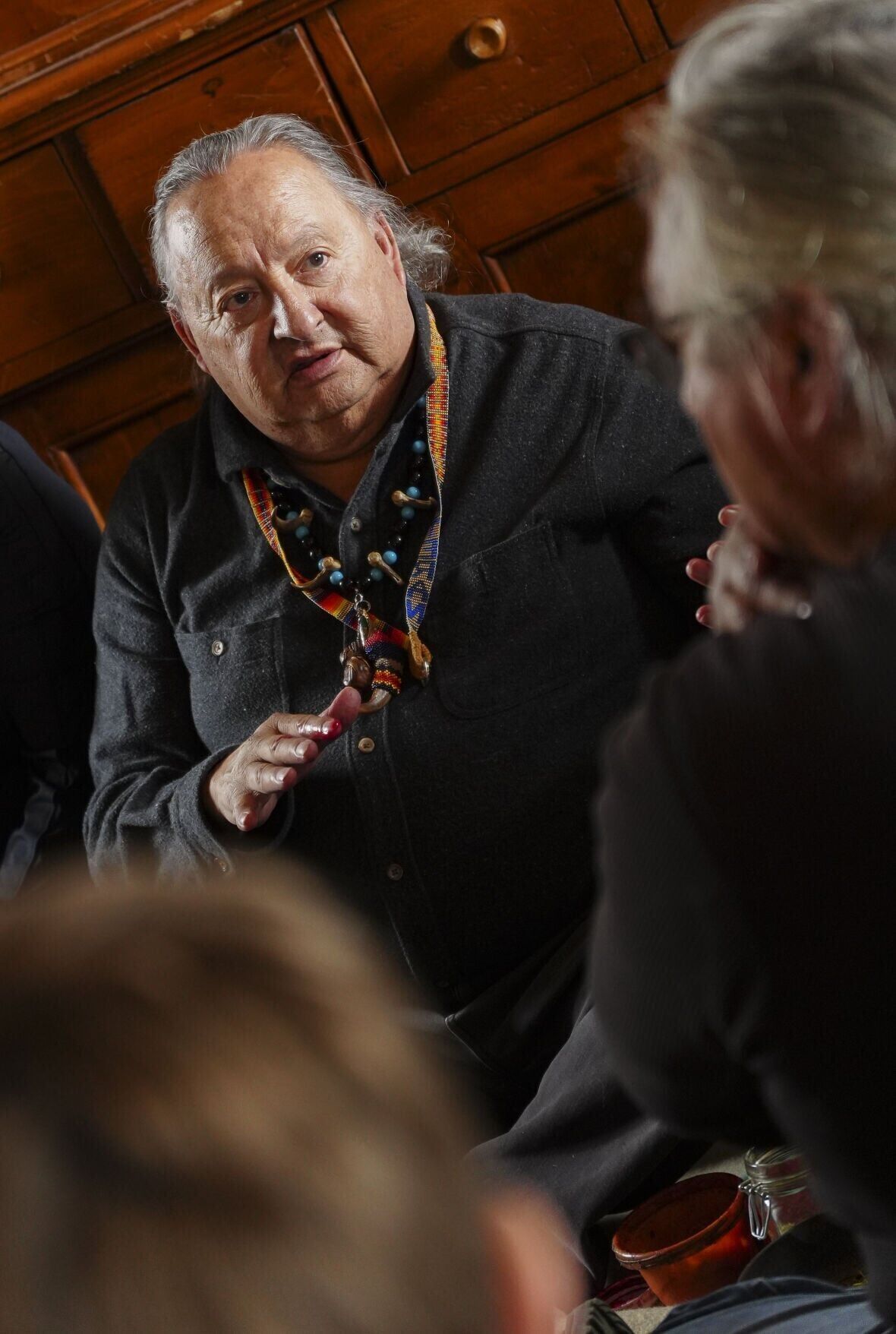
"Creator said a long time ago, if you don't have anything to give back, tobacco is what you use," Ground said.
It was the kind of morning that would have been unthinkable not long ago. There was a time, within living memory, when to be proudly Indigenous was a crime and vibrant aspects of tribal life were forced into secrecy. Now, the RISE Native Youth Leadership Tribal Education Summit at Montana State University is not only a cultural celebration, but a shift.
The three-day conference brought together high schoolers from all eight of Montana's tribal nations to a campus where teachers led with their traditional names, and where teens in ribbon skirts and paint celebrated both the uniqueness of their tribes and their shared history as the land's first peoples.
‘Animal has a spirit, like us’
The Resilience in Something Else, or RISE, program was established by the Montana Office of Public Instruction to foster leadership through the lens of tribal identity. By connecting students with s — the elders and practitioners who carry the oral histories and traditional skills of their nations — the annual summit aims to turn cultural preservation into a foundation for academic and community success.
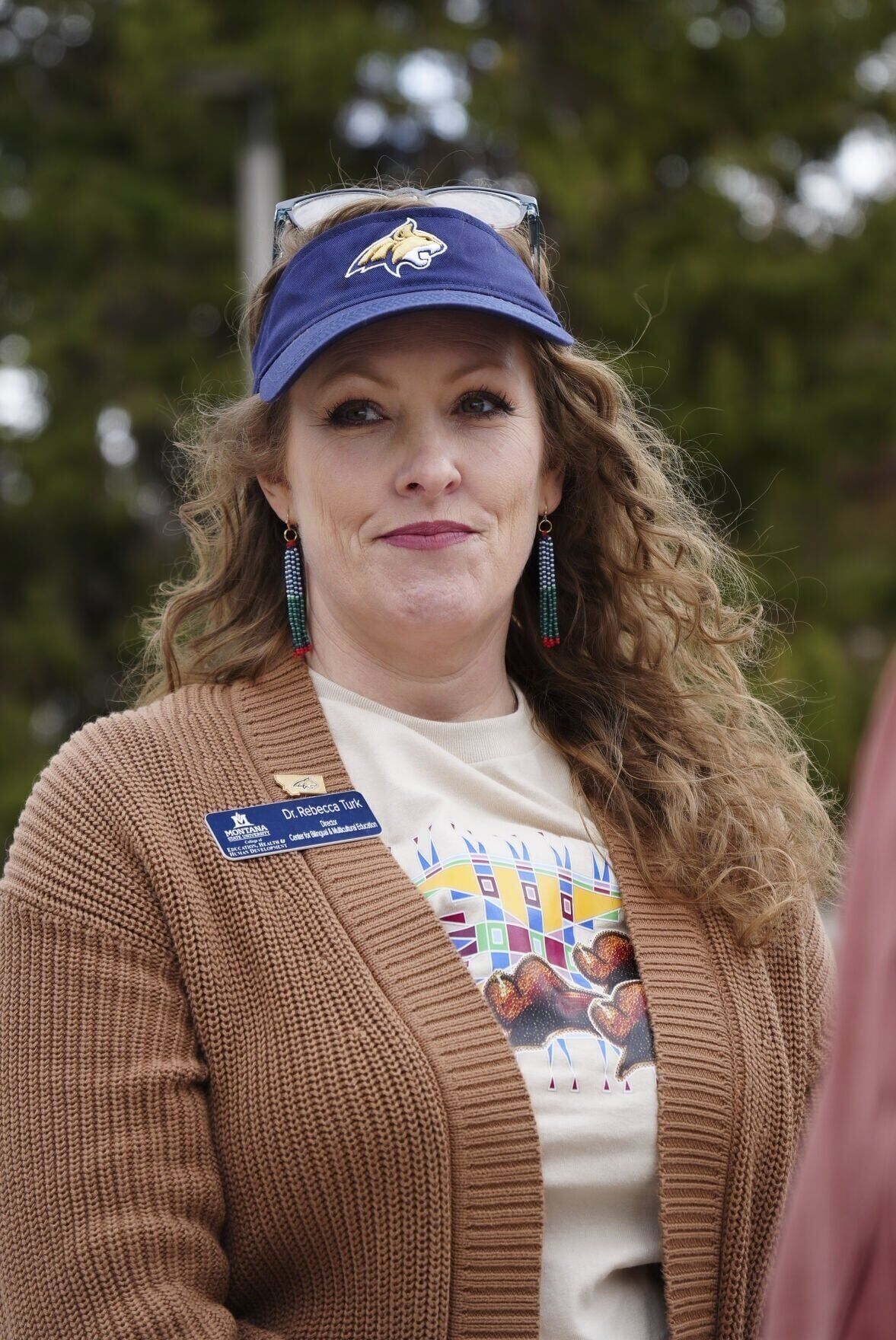
After last year’s summit in Helena, RISE organizer Rebecca Turk found a recurring theme in the student exit surveys. At the top of most wishlists was a traditional buffalo harvest — a request that felt, on paper, like a logistical impossibility for a modern university campus.
But Turk refused to let the students' vision end as only that. She called 20 bison ranches across the region, coordinated with s from the Blackfeet Nation to steward the ceremony, and spent months securing the university’s permission to make the students’ request a reality.
“This has been a heavy lift,” Turk said. “The fact that it’s actually occurring is really special.”
As one of the participating s, Ground wanted to impart a lasting message to student they could carry beyond the buffalo. As rates of suicide for American Indian youth in Montana are more than five times higher than all other racial groups, he used the traditional reverence for the buffalo’s life as a metaphor for the students themselves.
“When we take down this animal, we’re going to be thinking about life. We believe that this animal has a spirit life, just like us,” Ground said. “Their lives matter, just like you guys.”
He reminded the teens that the strife they experience will always pass, and asked them to repeat after him that suicide is not an option.
From there, a small group loaded up and drove to North Bridger Bison Ranch in Wilsall for the kill.
‘Maybe it’s a sign'
As Ground sat on a Pendleton blanket on the floor of rancher Matt Skoglund’s living room, the schedule of the day’s events seemed to fade along with the smoke trails rising from a cast iron set over a hot rock with sage and sweetgrass.
“Time becomes insignificant,” Ground said. “You move on Creator’s time.”
Ground spoke about his own ceremonial knowledge, learning from another Blackfeet elder and withstanding years of "scolding" to master every traditional song by heart. It was a long apprenticeship, he said, that ultimately prepared him to step into the role of a .
While Ground described himself as “not religious,” he emphasized to the group his belief that they were divinely guided to this time and place for a reason.
“In everything that’s going on in the world,” Ground said. “Know that just you being here is an act of God.”
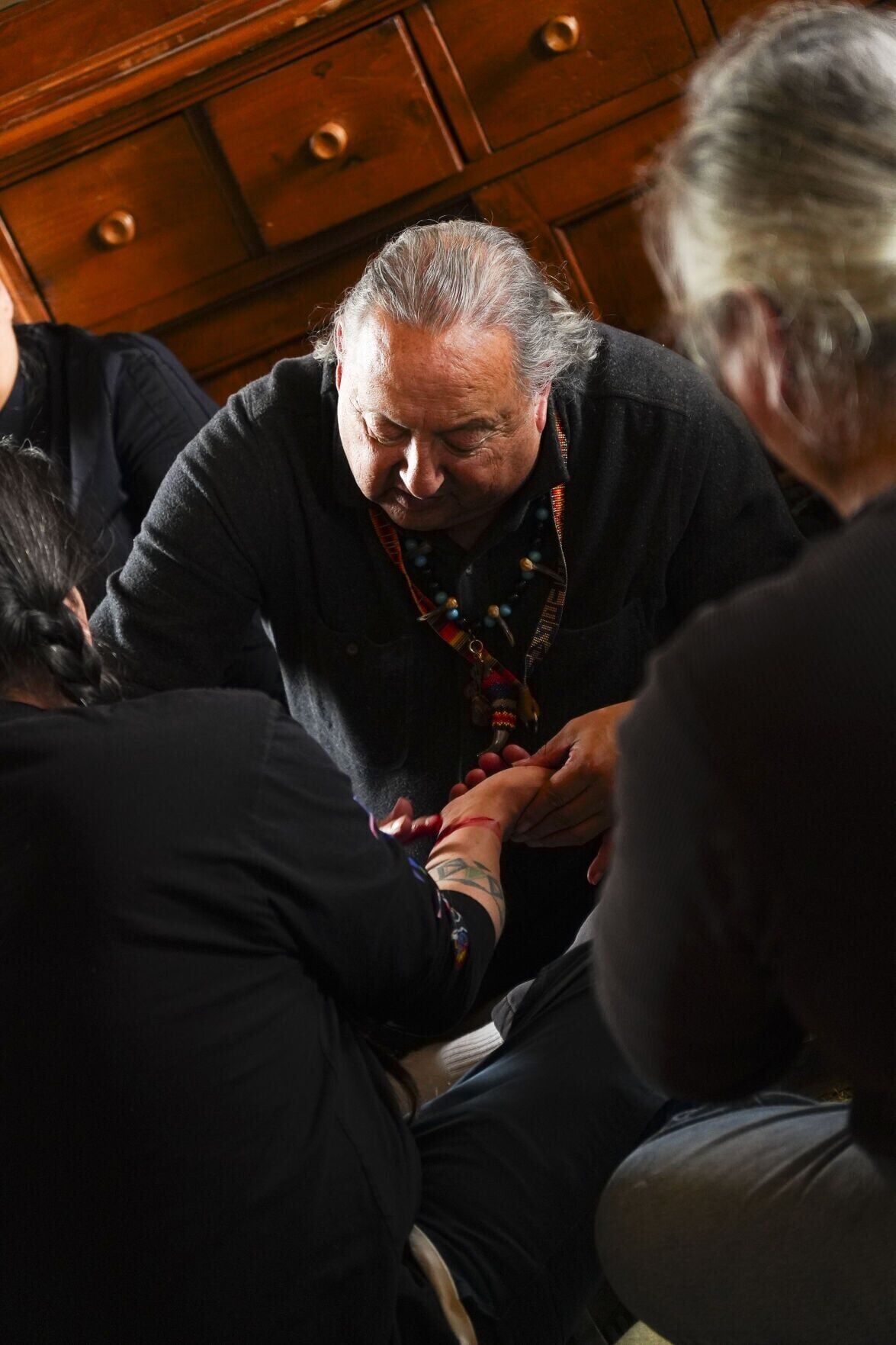
During the ceremony, Skoglund sat across from Ground, who prayed over him and applied traditional paint in a dot between and beside his eyes and a line around each wrist. He then offered the ritual to Skoglund’s children, and extended the prayer and the paint to the rifle and bullets that would soon be used for the harvest.
“It’s like a blessing,” Ground said of the paint. “And it’s giving medicine and spirit for protection.”
Skoglund was one of the many ranchers contacted to participate in the event, something he said he would be “deeply honored” to do.
“You can’t look at a bison without thinking about the history,” Skoglund said. “And the history of Indigenous people.”
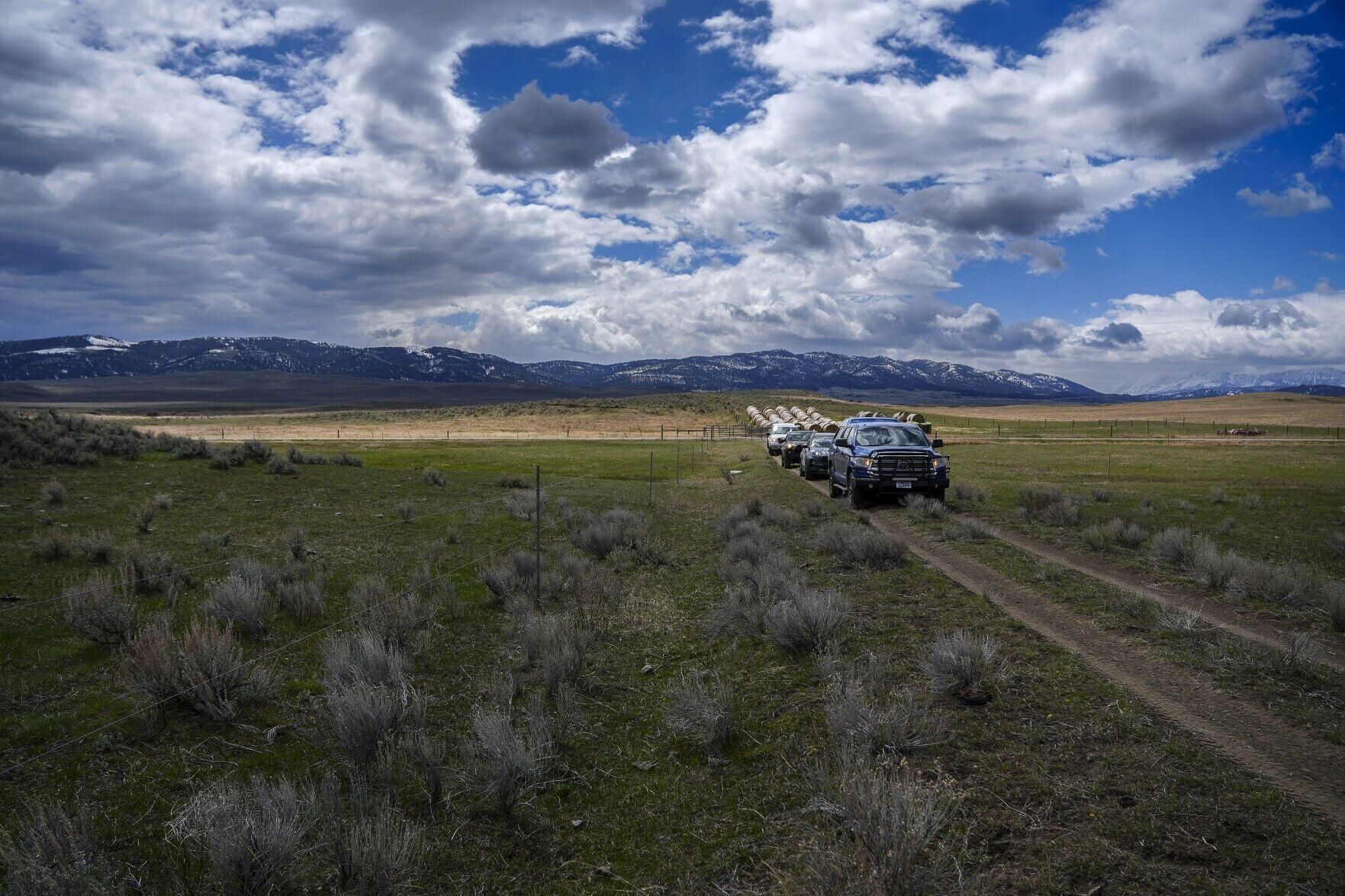
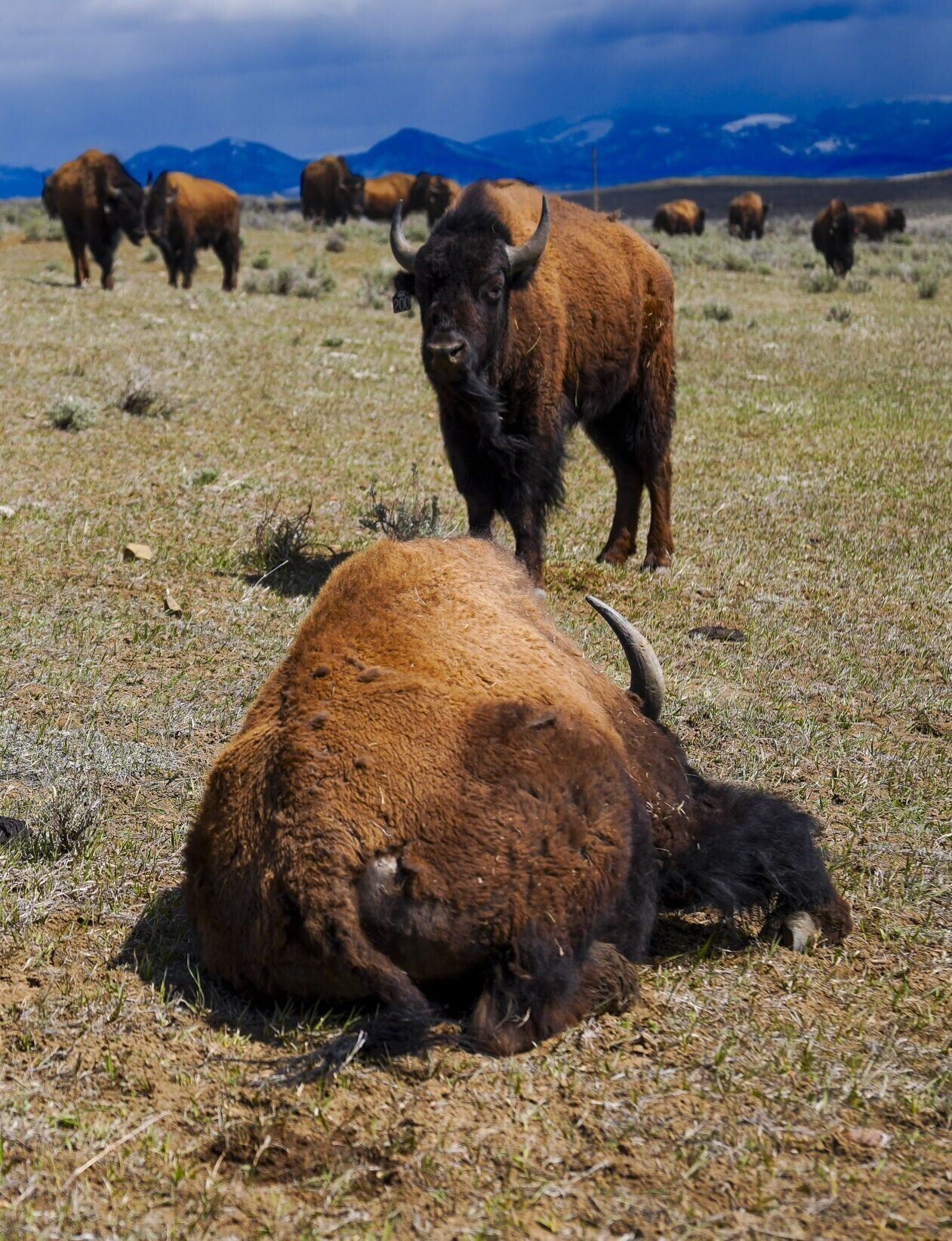
After the ceremony, a caravan of cars followed a trail to a pasture where a 2-year-old bull had been selected. Skoglund’s truck approached and he fired a single shot from the window. As the animal fell, the rest of the herd gathered around it but soon moved aside as the other vehicles arrived and the group of participants came to the animal’s side.
Water and grass were placed into its mouth to help the buffalo’s journey, while others laid hands on the bull and counted coup — a traditional practice of letting out a sharp, rhythmic yell to acknowledge the transfer of its energy and spirit to the people.
“He’s our relation,” Ground’s wife, Leigh Little Mustard, said as she prayed over the buffalo.
Looking over the buffalo, which lay still with its legs tucked beneath it rather than collapsed on its side, Skoglund was taken aback. This kill, he said, was different from the hundreds of others he has performed over his years as a rancher.
“I don’t think I’ve ever had one drop and just stay like that,” Skoglund said. “All I can say is this is unique.”
Mabel Small, a high school senior from the Northern Cheyenne Nation, didn’t realize until she was already in the car headed to the ranch that she was the only teen who would be attending the harvest.
“It would have been cool if there were more,” Small said. “But how Larry was saying if you’re meant to be somewhere, you’re called there. That resonated with me.”
Small is no stranger to the buffalo, as her father is the manager of the Northern Cheyenne herd. Still, this was her first time experiencing a field harvest. The traditional process and the distinct stillness and positioning of the animal when it fell, she said, left her with a sense of peace.
“Maybe it’s a sign that this is a good thing we’re doing,” Small said. “Like Creator telling us we should keep doing this.”
‘Reclaiming’
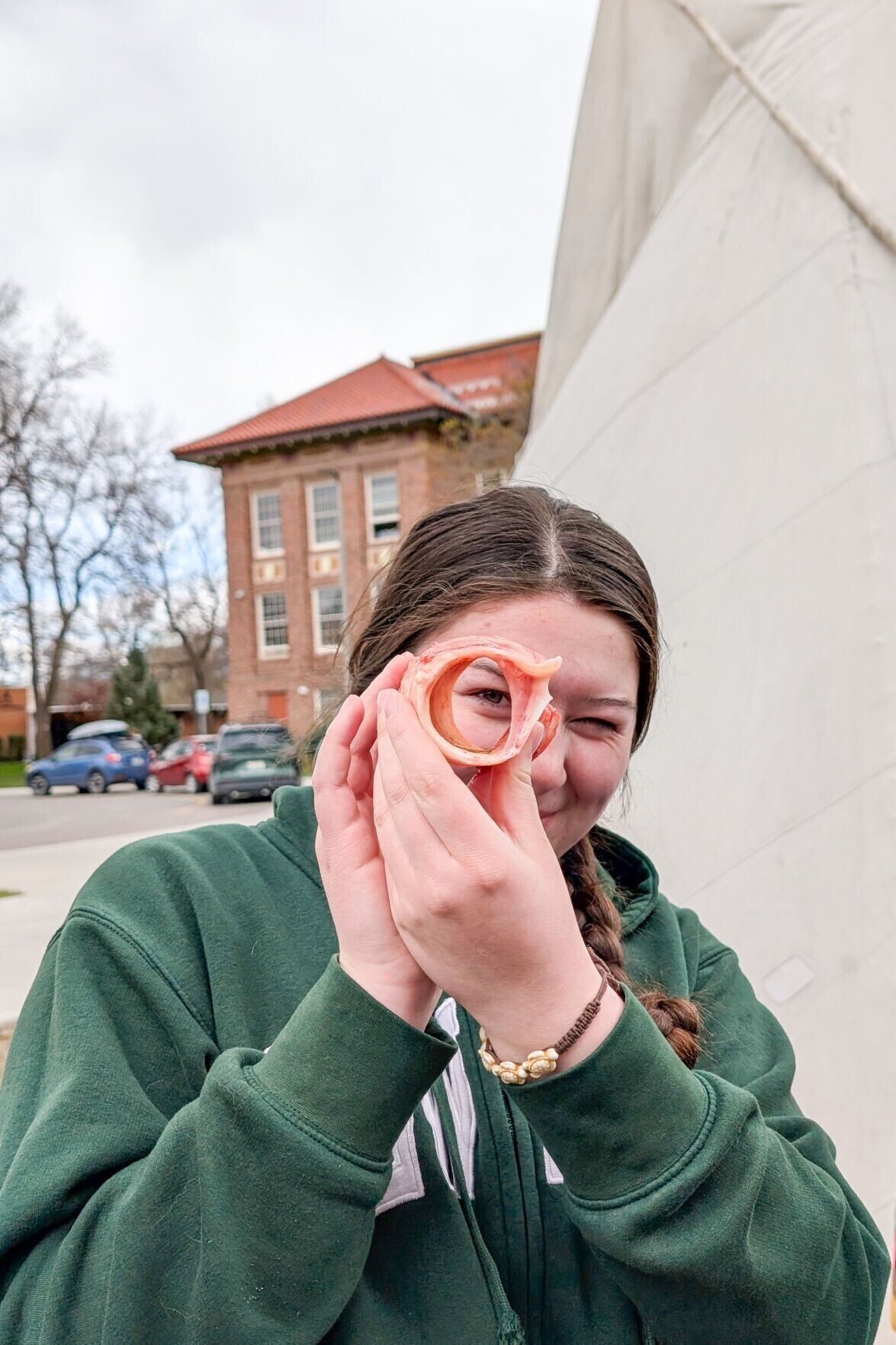
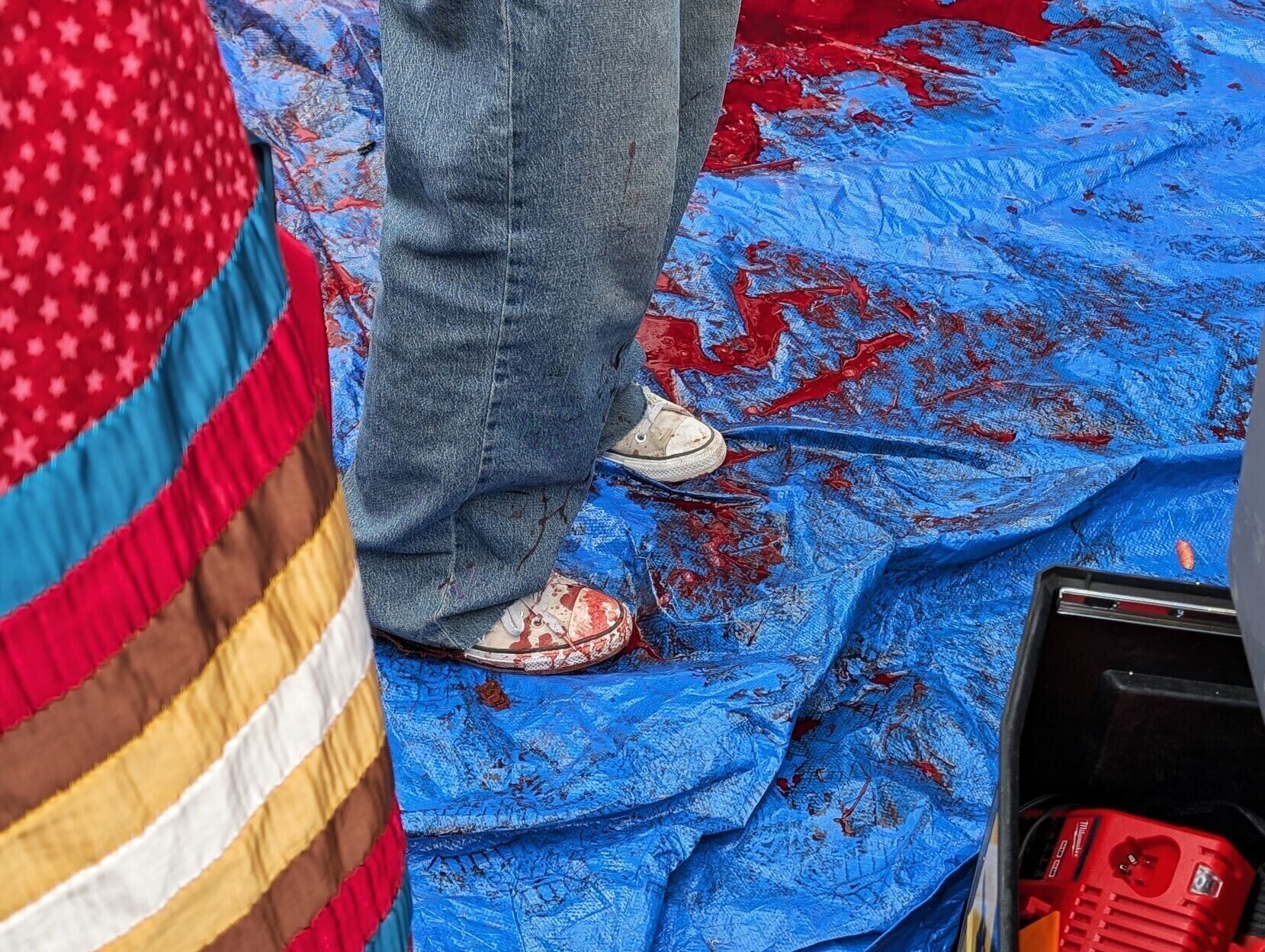
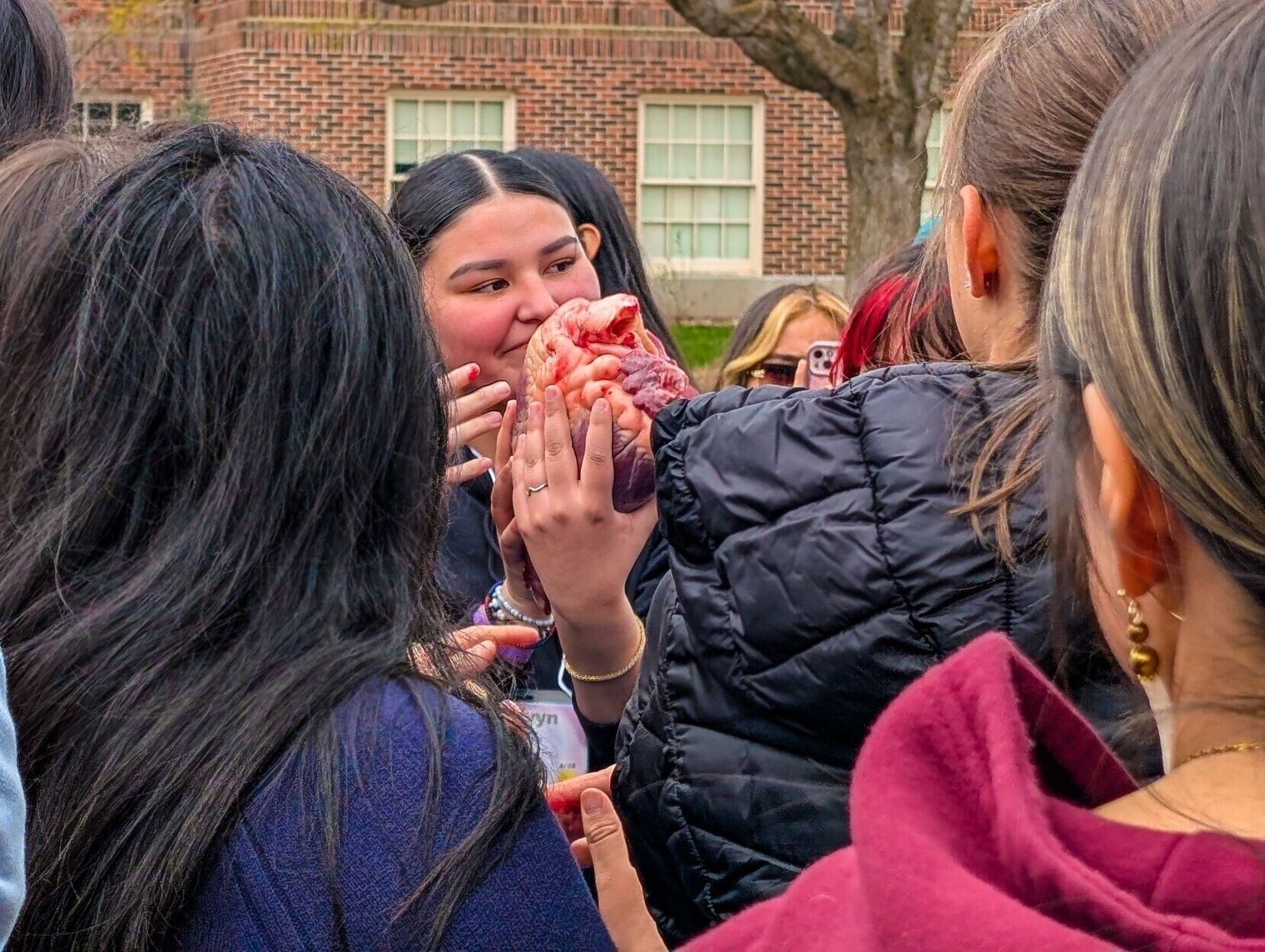
Skoglund drove the carcass back to the MSU campus, where the rest of the high schoolers participated in a traditional harvest. Converse sneakers squeaked in blood on tarps, pairs posed for photos holding the animal’s horns and heart, and those brave enough sampled small cubes of the raw kidney.
One student squealed as she passed the gelatinous buffalo guts to a friend, giving a playful shudder to shake off the sensation.
“Unless I end up with a nice Crow boy, I think I’m just going to be a berry picker,” she said with a laugh.
Turk passed around worksheets diagramming traditional harvest methods, while Dugan Coburn, director of Indigenous Education for Great Falls Public Schools and another participating , harkened back to the past.
“You’ve heard the stories,” Coburn said. “We use everything.”
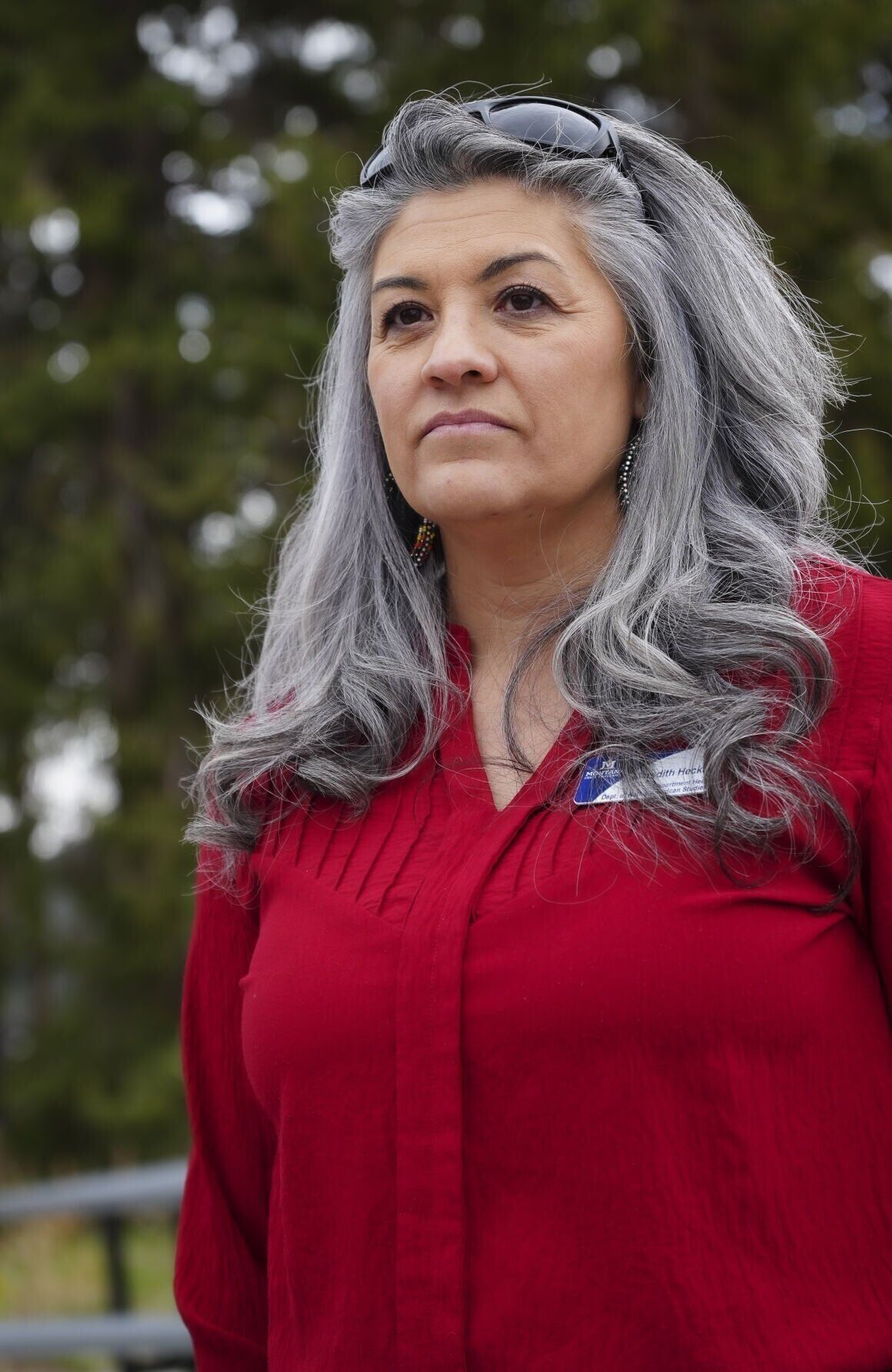
As the students took the lead, Turk stood on the sidelines to watch the result of months of planning alongside Ground and Meredith Hecker, head of MSU's Department of Native American Studies.
“They’re reclaiming,” Hecker said with a smile. “They’re tapping into that ancestral knowledge.”
Seeing the smiles on their faces and the light in their eyes, Ground said he hoped the day taught the students not only the value of life but also gave them a memorable first experience.
“To see so many of them participating, getting bloody and not acting prissy about it,” Ground said looking over the group. “Some of them have never even seen a buffalo.”
Hearing about the harvest later, Hecker’s eyes widened at the news of how the animal fell. But then, she said, the unprecedented stillness of the animal matched the serendipity of the entire RISE summit.
The butchering took place outside the American Indian Hall between two tipis that, Hecker noted, actually weren’t there for the day’s event. The structures had been set up the previous week for a graduate student's research on tipi fluid dynamics.
Because recent rains meant the canvas could not be packed away while wet, the tipis remained standing, providing a natural anchor that led the s to shift the location of the day’s work.
Hecker and Turk hope this event marks the beginning of more land-based, immersive learning experiences on campus. In an era where Indigeneity is celebrated rather than hidden, Hecker said the department intends to take full advantage of the shift.
“Those tipis were really our guardians in ushering in this knowledge,” Hecker said.



Comments ()