
Todd L. Shaw: Gallatin River bucking ominous trends with trout resurgence
Recent headlines about wild trout populations in southwest Montana have been discouraging. Low summer flows, habitat degradation, disease, and increasing angling pressure have led to drastic declines in many renowned rivers, like the Big Hole, Ruby and Beaverhead.
Around the world, history shows that once a fishery begin to decline, recovery is difficult.
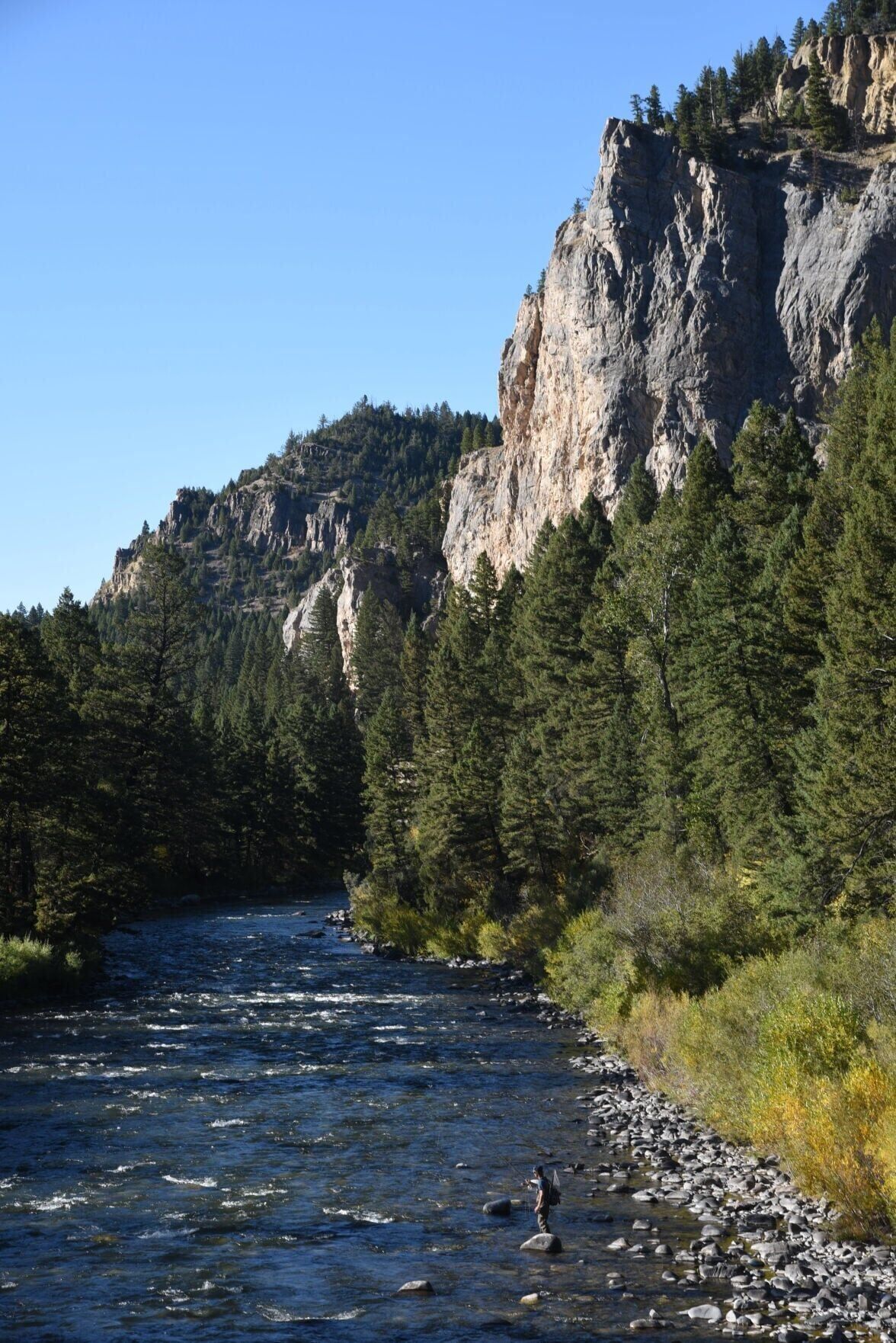
One notable exception is the upper Gallatin River near Big Sky. Over the past four years, populations of wild brown and rainbow trout have increased by roughly 35%.
Montana Fish, Wildlife & Parks has documented this trend through consistent sampling of fish counts per mile over the past four years.
The Gallatin River benefits from its headwaters originating in Yellowstone National Park, which provides cold clean water and an intact ecosystem that supports healthy wild trout populations. Downstream, however, the river faces growing pressures from development and habitat impacts.
Local organizations, like the Gallatin River Task Force, play a critical role by monitoring water quality and restoring riparian habitat.
Continued monitoring of trout populations is critical to provide data for effective fisheries management. Expanding this work to include yearly “creel” surveys to quantify catch per angler per day is recommended.
The Gallatin already sees about 170,000 angler days per year — a number that continues to rise. Even with catch and release practices, an estimated 2-3% of trout die due to hooking injuries and/or poor handling, making this data important for long-term sustainability.
Efforts are also underway to restore native fish species. Arctic grayling and westslope cutthroat trout will be introduced into approximately 20% of their historic range within the Gallatin River watershed. By using natural and constructed barriers to reduce competition with non-native species, Montana aims to create a more diverse and resilient river system.
Trout are a key indicator of a river system's health. They require cold, clean water, intact habitat, and careful management.
At the same time, recreational fishing represents a billion-dollar industry in Montana, supporting thousands of jobs and contributing significantly to the state’s economy. Protecting trout populations should be both an environmental and economic priority.
Challenges remain. Population growth, expanding development, warmer and drier summers, competing water demands, and continued loss of riparian habitat all threaten long-term sustainability.
Addressing these issues will require collaboration among stakeholders and a commitment to practical, science-based solutions.
The Gallatin River demonstrates that healthy, sustainable trout populations are achievable.
Its success should serve as a model for other rivers in southwest Montana and beyond. By investing in habitat restoration, monitoring, and thoughtful fisheries management, other rivers may begin to reverse declines and rebuild their wild trout populations.



Comments ()