
UM Foundation launches crypto donation site; local couple gives $1M in bitcoin
A bitcoin mine in Bonner years ago prompted the idea for an investment by a local couple, which then turned into a donation that will pay for a big upgrade to athletics facilities at the University of Montana.
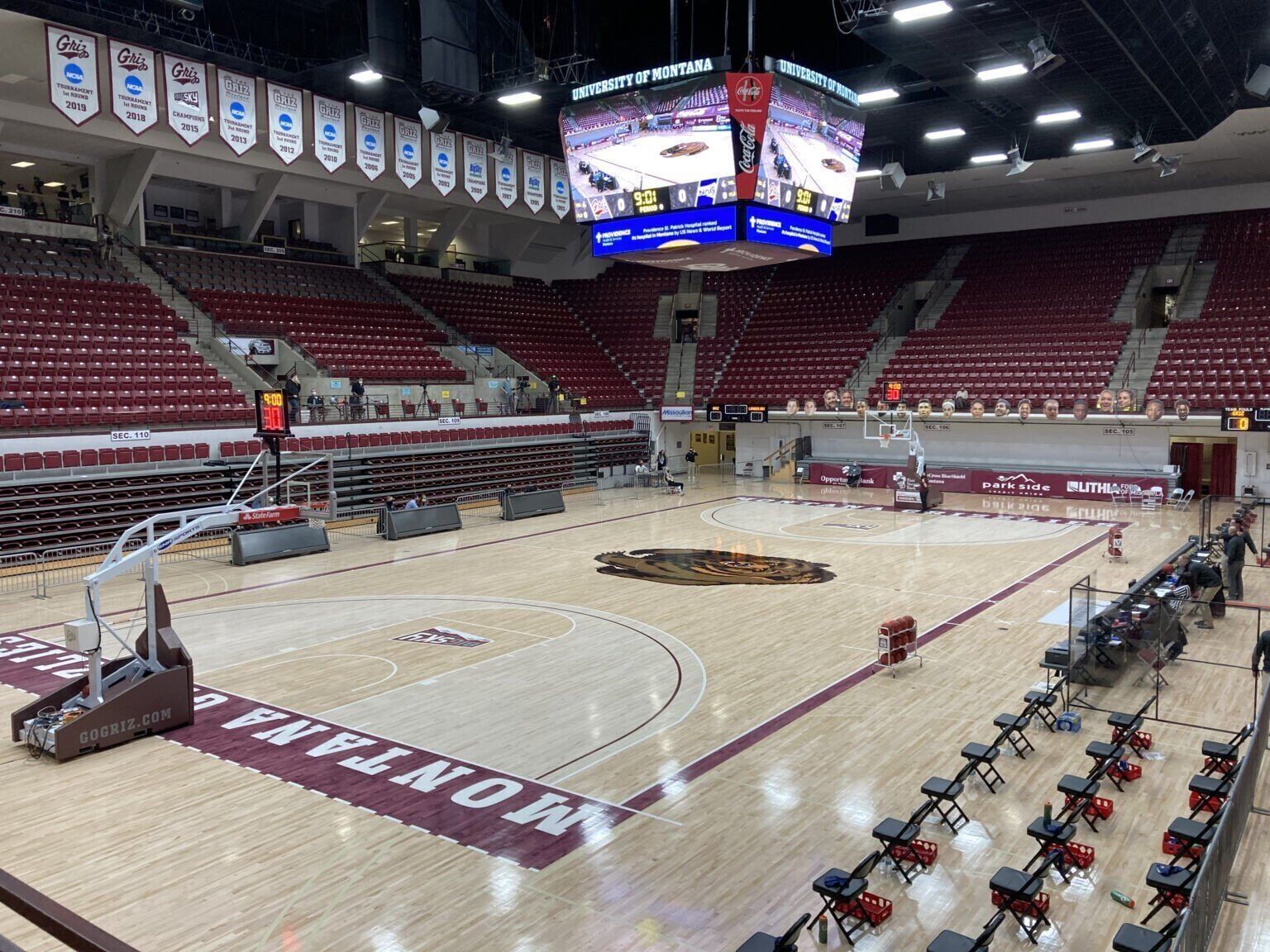
Back in February, it was announced that local businessman Steve Nelson and his wife Shirley had donated $1 million in bitcoin, a digital currency, to the UM Foundation, a nonprofit that manages donations to support UM and UM Athletics. The money will go to pay for major renovations to the east and west auxiliary gyms inside Dahlberg Arena.
Nelson and his business partner Steve Boehme bought the 170-acre former Stimson Mill site in Bonner in 2011. A bitcoin company called Project Spokane once operated in a warehouse at the site for about three years, starting in about 2017. That's where Nelson got the idea to invest in the cryptocurrency.
"Back in the day when we had the bitcoin mining operation there, I invested some money," he told the Missoulian. "It turned out to be a smart investment. Not every investment I've made has turned out to be smart. So I had some crypto, some bitcoin, and it's just been sitting in my wallet. Thank goodness it's grown in value."
Nelson is a big fan of the University of Montana, and it turns out there were some tax big advantages of just donating the bitcoin directly to the UM Foundation, rather than converting it to U.S. currency first and then donating that money. In fact, the donation would have only been about $750,000 instead of $1 million if it hadn't been sent directly as bitcoin. That's because capital gains taxes would have been imposed if it were converted to U.S. dollars first.
Nelson said he spoke with Allison Shultz, the director of planned giving at the UM Foundation.
"I thought I was gonna have to sell the bitcoin, take the capital gain and then donate it to the university," Nelson said. "She said 'no, we'll set up an account for you so you can transfer bitcoin directly.' That way they could take advantage of the full donation. It made a lot of sense. Then I didn't have to pay a capital gain tax. I had this asset, and what a great way to use some of that asset."
In fact, it was the very first cryptocurrency donation to the UM Foundation.
And the method is perfectly legal.
"I'm not trying to look like a tax cheat or some mean old rich guy," Nelson said. "It just made more sense. The UM Foundation is a qualified charitable organization. It just made more sense because the university gets more of the donation. All of the big accounts do it. (The tax savings) was probably in the $250,000 range."
Nelson graduated from UM in 1970.
"I've loved (UM) ever since," he said. "I wasn't a great student, so there was a little bit of guilt. I met wonderful people, made some great connections. I feel a real obligation to the university. I wanted the donation to have as much impact for everybody as possible."
Jamie Stanton, the UM Foundation's chief finance and operations officer, gave the Missoulian an explanation of why the organization accepts cryptocurrency.
"As more donors hold digital assets such as cryptocurrency, the UM Foundation is pleased to offer a secure and IRS‑compliant way to turn those assets into meaningful philanthropic impact," Stanton said. "Because the IRS treats cryptocurrency as property, it can be donated as a non‑cash charitable gift to a 501(c)(3) organization much like appreciated stocks or other non-cash assets. By accepting cryptocurrency, the UM Foundation empowers donors to give in a way that aligns with their financial strategies while supporting the causes they care about most, all through a process designed to be simple, compliant and donor friendly."
Although they have only had that one gift of cryptocurrency so far, Stanton said there have been inquiries from other donors. The foundation anticipates that those type of gifts will become a more regular component of its "overall non-cash gift strategy" as digital assets become more widely held.
The foundation partnered with a company called Engiven in the fall of 2025 to set up a special website for people wanting to donate digital currency. It's a secure platform, according to Stanton.
Stanton also provided more detail on the tax savings if crypto is not converted to dollars first.
"Under current IRS rules, donating appreciated cryptocurrency directly to a qualified 501(c)(3) organization generally allows donors to avoid recognizing capital gains tax on the appreciation, provided the asset was held for more than one year," Stanton said. "The donor may also be eligible to claim a charitable contribution deduction equal to the fair market value of the cryptocurrency on the date of the gift, subject to IRS documentation requirements and adjusted gross income limitations. This treatment is consistent with the tax treatment of gifts of appreciated marketable securities."




Comments ()