
'Very real' : Montana group sends direct aid to Palestinian families
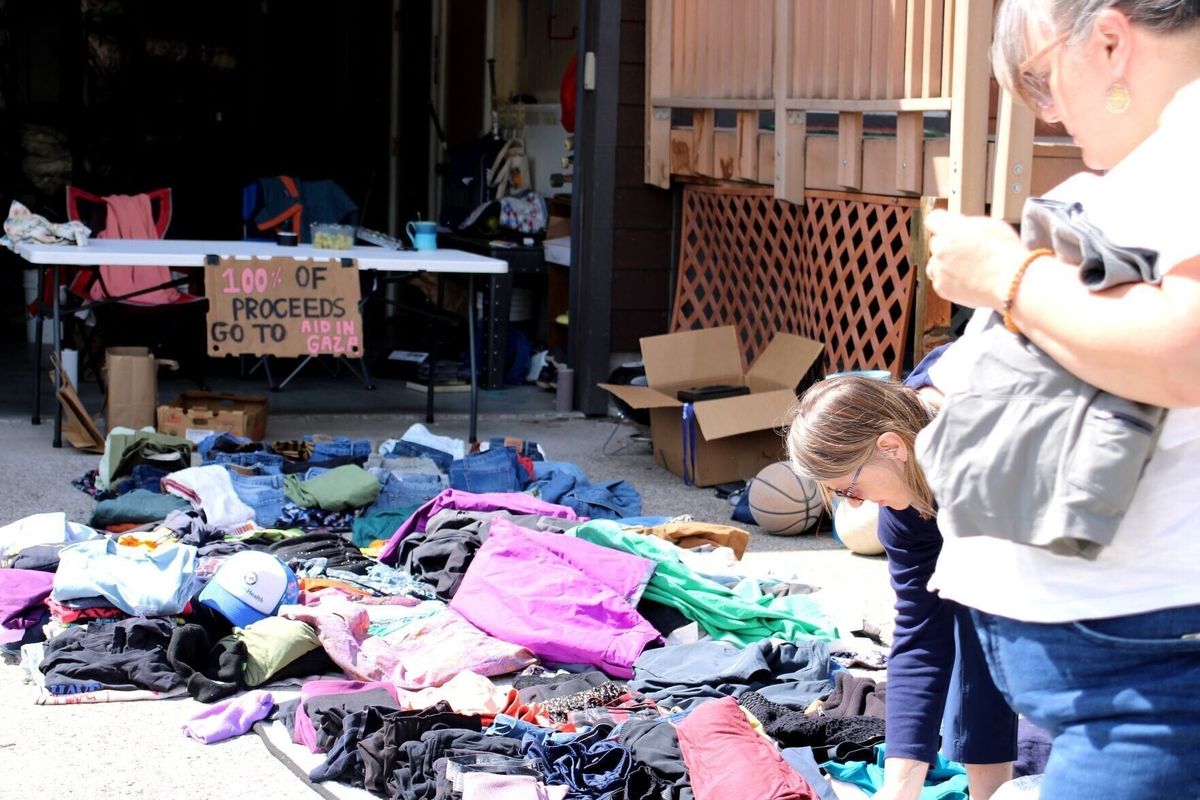
Rows of folded clothes lined the tarp-covered driveway as neighbors sifted through tables of household goods, hunting for bargains. But Emma Hamilton’s Saturday garage sale in Bozeman wasn’t just spring cleaning. It was raising money for Palestinian families.
“It feels really good,” Hamilton said. “People feel good about donating here.”
The funds raised from the yard sale arrive at a critical moment for the region. While a ceasefire was announced late last year following a months-long humanitarian blockade of Gaza, the promise of relief remains largely unfulfilled. Despite the drop in full-scale hostilities, United Nations records show that more than 800 Palestinians have been killed by continued Israeli military strikes since the ceasefire took effect.
More than 75,000 Palestinians have been killed in Gaza since the Oct. 7 Hamas-led attack that killed 1,200 Israelis. Today, nearly all of Gaza’s hospitals and roughly 80% of its buildings lie in ruins, leaving more than a million displaced people surviving in overcrowded tents with virtually no functioning healthcare, severe water shortages, and worsening sanitation crises.
“It does feel very disconnected at times,” Hamilton said. “Because here we are in Montana on this beautiful day, selling clothes in the driveway.”
Though such fundraising efforts can feel “futile,” Hamilton said the method of donation helps her stay motivated. Belonging to the statewide advocacy group Montanans for Palestine has allowed Hamilton and others to connect personally with several Palestinian families.
Instead of donating the garage sale profits to a charity, the money will go to them.
“Sending money directly to the families we know in Gaza, you don’t burn out as quick. Because this is very real,” Hamilton said. “It’s helping at the ground level, where’s it’s needed most.”
The garage sale is just one way Montanans for Palestine funds monthly payments to almost 20 Palestinian families. Through regular fundraising events and merchandise sales, the statewide group raised $7,000 to distribute in direct aid last month. Nearly $4,000 of that total was raised by the Bozeman chapter during “Ink Out Loud,” a flash tattoo and live music fundraising event.
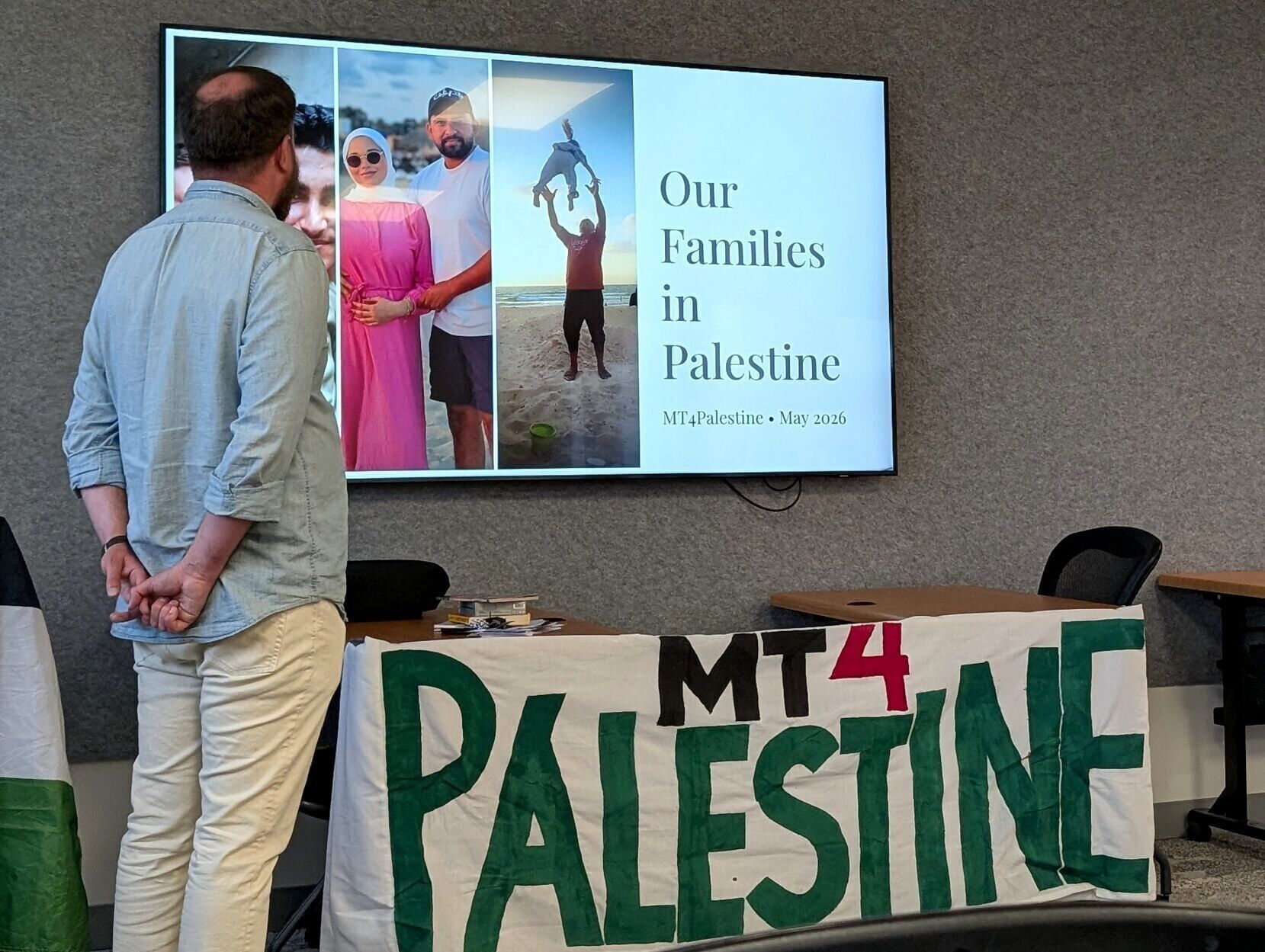
Last week, the human faces behind those numbers were introduced at the Bozeman Public Library during a presentation by Brendan Work, an Arabic teacher from the organization’s Missoula chapter.
Beyond fundraising, Work explained that the group coordinates across multiple fronts, pairing direct action and divestment campaigns with political advocacy and education in a collective effort toward Palestinian liberation.
“We would not feel right giving money to Palestinians without trying to stop the machine that’s killing them,” Work said. “Similarly, we wouldn’t feel right if all of our time was dedicated to divestment and political advocacy, and our friends were dying without the money we could send them.”
In February, Work spent time with Samaher al-Bukhari, a 35-year-old mother of three now living in Cairo and one of the families the group supports. While she and her children made it to Egypt as refugees, her husband remains behind in Gaza’s al-Mawasi camp.
Though designated as a safe zone, Euro-Med Monitor reports the camp routinely faces Israeli military strikes and suffers from a total collapse of infrastructure.
“There are no safe zones in Gaza,” Work said. “Every day Israeli strikes kill Palestinians, and there’s no predicting where they happen.”
While al-Bukhari and her children are no longer in an active war zone, Work explained that life for Palestinian refugees in Egypt is not easy. They are required to pay a residency fee, receive limited support, and face systemic discrimination.
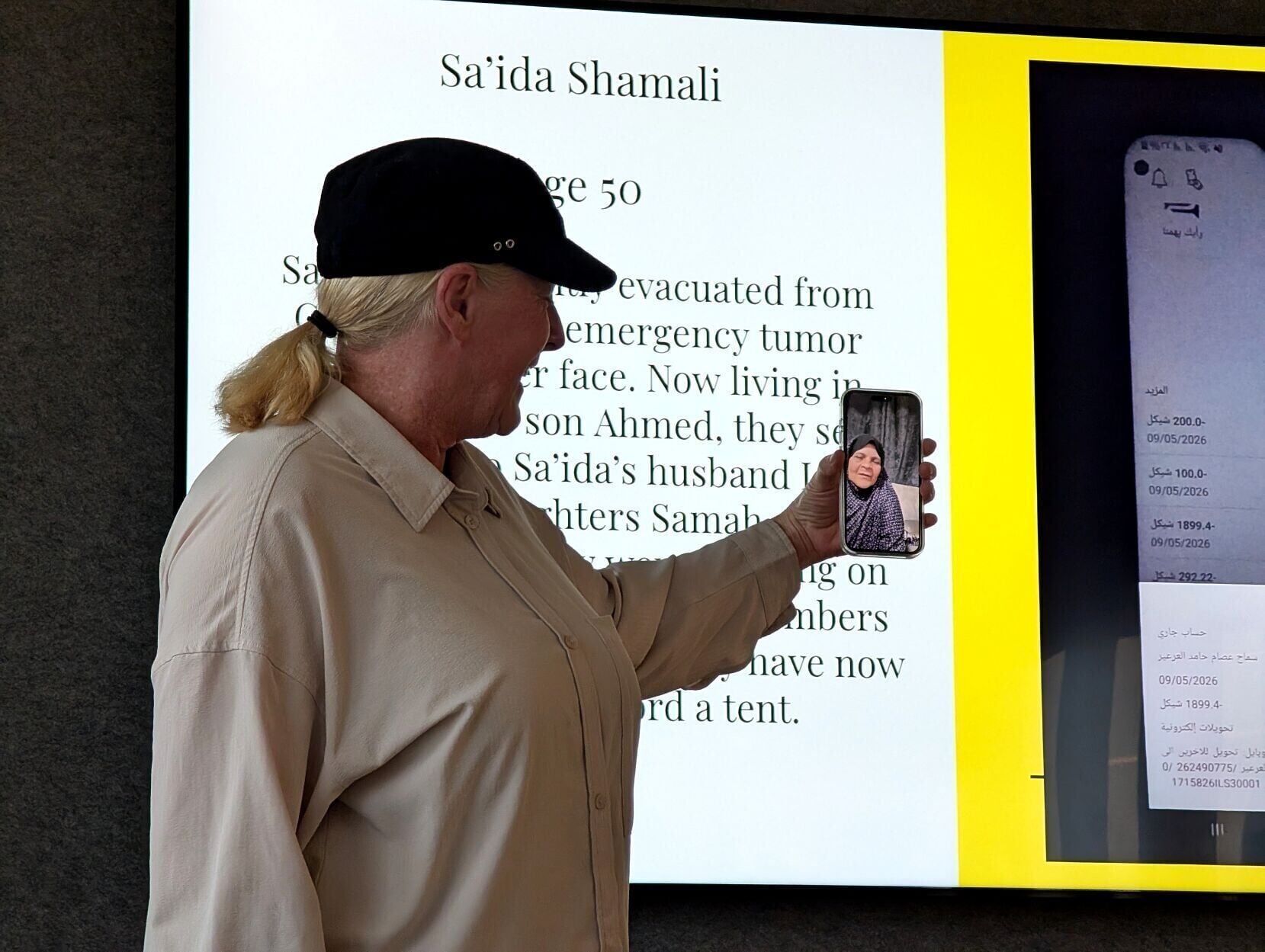
Group member Jen Vermeer was similarly “compelled by conscience” to travel to Egypt to assist displaced families three years ago, and is set to return later this month. Through her work, she became close with a woman named Sa’ida Shamali, who was evacuated from Gaza for cancer treatment and now lives in Cairo.
“The rest of her family is still in Gaza,” Vermeer said. “We got a tent for her daughter through Montanans for Palestine, which is amazing.”
For the other families receiving aid, however, no such face-to-face connection has been possible as they remain within Gaza, where strict Israeli-controlled borders block international journalists and independent aid workers from entering.
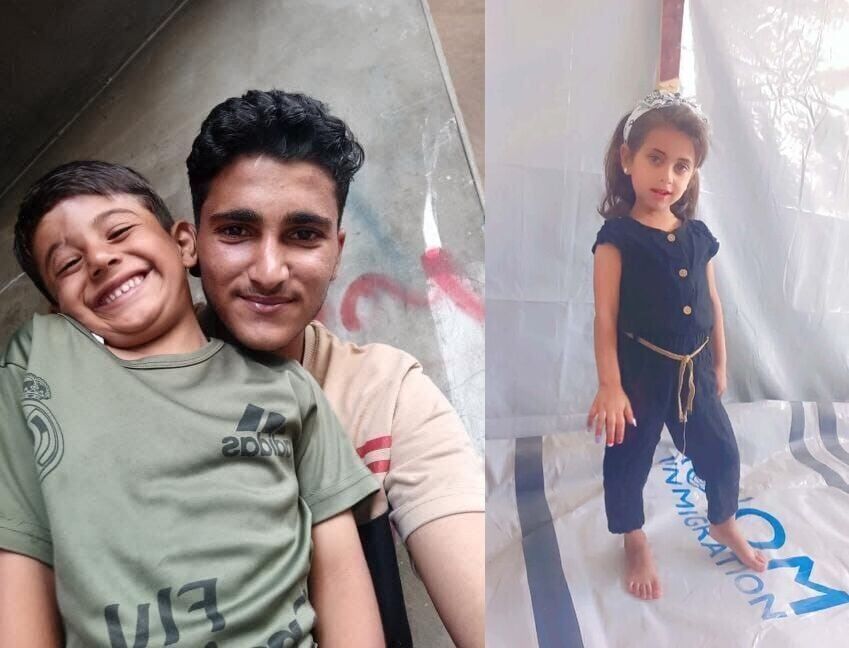
One recipient is 6-year-old Ali, who lives with his uncles after an airstrike killed his parents and siblings. Pulled from the rubble of that blast, he eventually made a full recovery. Today, bearing only a scar on his face from the injuries, he attends kindergarten in the conflict zone.
Another is a 4-year-old girl named Judy and her 27-year-old mother Lana.
“She really is just a beautiful little sweet girl,” Work said of Judy. “She has lost her father. And in the summer of 2025, when the famine was really severe, Lana would send us pictures of Judy looking really, really thin. She suffered malnutrition.”
Judy has partially recovered from the malnutrition, as well as the injury she sustained in the strike that killed her father. But the crisis in Gaza has continued to evolve.
As part of the 2025 ceasefire, Israel imposed a military demarcation zone called the “Yellow Line,” cutting off access to Gaza’s primary landfills and waste facilities. Thousands of tons of garbage have since piled inside displacement camps, causing rat infestations and rapidly spreading illness.
Judy is among many now suffering from the widespread skin infections caused by the sanitation crisis, Work said.
“One of the things that keeps me going in organizing and the activism is the chance to one day meet these kids,” Work said. “I would really love to just give Ali and Judy a hug.”
Driving this worsening sanitation crisis is a rapid crowding. The establishment of the Yellow Line cut into more than half of Gaza’s territory, packing two million residents into an area 3% the size of Gallatin County. By late April, the pressure intensified further with the enforcement of an “Orange Line,” carving away even more of the land left to Palestinians.
“It’s no exaggeration to call this a concentration camp,” Work said. “That is the strategy. They are pushing people closer and closer and hoping they will die in this region.”
Despite the multi-layered hardships facing families in Gaza, Work said he is constantly struck by their grit. When he has asked Palestinians in Gaza what amount of money would help them survive, several have told him they only want prayers, placing their ultimate faith in God to provide.
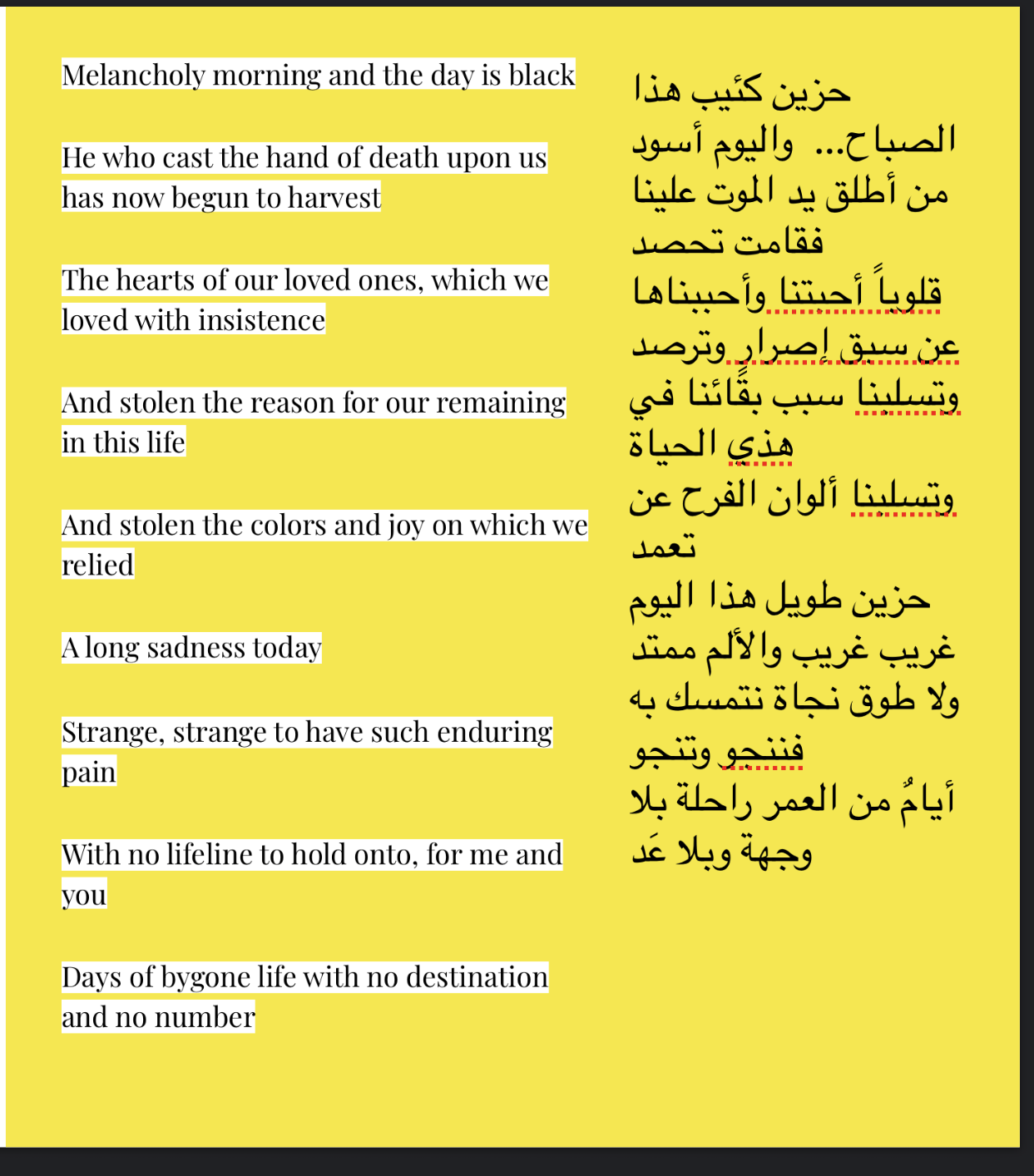
That same dignity and deep emotional gravity echo through the work of 34-year-old Afnan Rayyan, a poet in Gaza supported by the group, who channelled the enduring pain of the conflict into a stark piece of poetry that Work read during his presentation.
“I think it’s amazing that someone could have the capacity to endure this, and still go home and write about it,” Work said. “But that is the Palestinian identity. If you know Palestinians, you know that the resilience and perseverance is deep in every person.”
Until the group can increase its monthly fundraising, however, it has been forced to cap the number of families it supports. Currently, funds are divided equitably among the recipients every time the Montanans for Palestine account reaches $2,500.
Expanding that list right now, Work explained, would shrink the individual payouts to a level where they would no longer be truly useful.
“We’re trying to keep the money flowing,” Work said. “And we’re always trying to reach new donors and educate people about the importance of sending money directly and sending it fast.”
By the end of the afternoon, the driveway in Bozeman sat quiet again, the cash from the garage sale set aside for the next transfer. Facing the billions in U.S. dollars pledged to Israel, a scrappy sum from one Montana Saturday might seem like nothing. But for the families waiting on the other end of that wire, it is something.



Comments ()