
Where were the millions of fraudulent voters last Tuesday?
There’s a chance someone you know became a millionaire because of the midterm elections. Not because they gambled on the results, or somehow benefitted from a candidate’s outcome — no, they could have just taken President Donald Trump’s offer of a one million dollar reward for reports of voter fraud that lead to a conviction.
Such a large sum is a noble, if slightly cartoonish, way to catch voter fraud, but the push to cast doubt on election results seems to have a darker goal than preserving a free and fair democracy.
I am ever grateful to our president for coming up with new and innovative ways to ensure the democratic process is upheld, but when it comes to elections, we should trust the institutions designed to protect them.
Claims of American voter fraud crop up every election season, but have been especially relevant in the Trump era. When he lost the popular vote in the 2016 presidential election, Trump claimed it was because millions of people voted illegally.
This shocking number could indicate a widespread, coordinated effort to defraud the American people and ruin democracy, so Trump established the Presidential Advisory Commission on Election Integrity to investigate. After 11 months of investigation, Trump’s own commission found no evidence of fraudulent voting, according to U.S. News.
When the results of the 2020 presidential election started to roll in, and indicated that Joe Biden won, President Trump claimed this was a fraud on the American people. According to the American Bar Association, an investigation into six swing states in that election found only 475 potential cases of voter fraud.
In response to the 2020 results, more than 60 lawsuits were filed claiming procedural issues with the voting processes in several states. Of all these lawsuits, only one resulted in a win for the Trump campaign. The suit showed that the Pennsylvania Secretary of State had extended the deadline for voters to send proof of identification for mail-in ballots received after Election Day, according to NBC.
On Tuesday night, Trump told The New York Times he would accept the 2026 midterm election results. In past presidencies this was implicit, not a headline, but we can all be grateful the president kicked the can of authoritarianism down the road a little bit.
However, Trump’s statement came after months of him and his administration casting doubt on the election’s fairness, threatening election officials and claiming that thousands of non-citizens were poised to vote in this election, according to The New York Times.
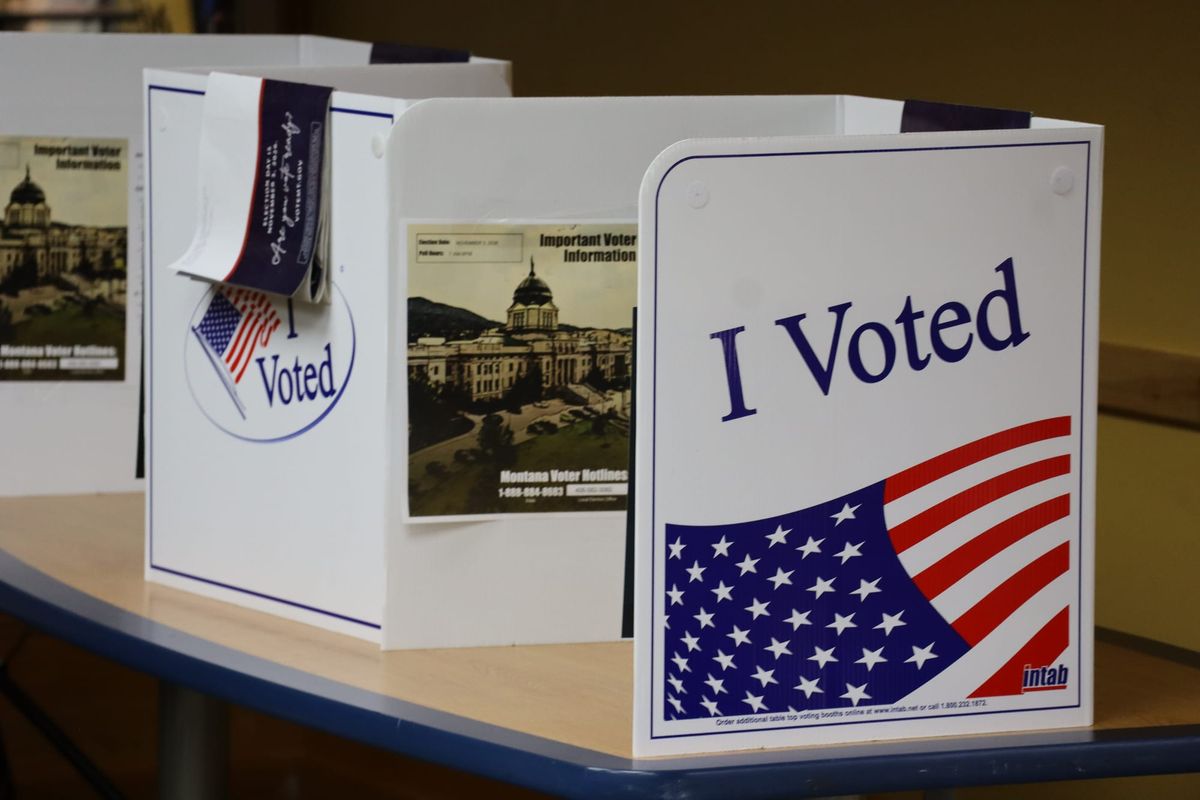
What I saw at the Gallatin County Courthouse on Tuesday was a far cry from the lawless scenes that the administration was promising. I waited in line next to other tired voters and we orderly shuffled our way to the ballot box before getting an “I voted” sticker like the founding fathers intended.
While the administration’s efforts to curb trust appear to have had little effect in these midterms, there are ways to counteract election-denying propaganda when it happens again.
Your official election office publishes all the rules and results of the elections. In Montana, this office is run by the Secretary of State, which is an elected position; vote for someone you trust.
Rely on non-partisan information to make your decisions and get your news. Local news organizations cover the day-to-day drama of the towns and cities we live in. Someone goes to every city council meeting, every local sports game and every county commission.
If you see something about your county’s elections, check with local news organizations to see if it is corroborated there.
And finally, talk to other people. Claims of election denying and voter fraud all capitalize on people’s fear. By having real conversations with other voters, you can see how other people actually think instead of being told how they think.


Comments ()