
12 Native American lawmakers will serve in Montana's state Legislature
Twelve Native American lawmakers — five of whom were elected for the first time on Tuesday — will serve in Montana’s state Legislature this term.
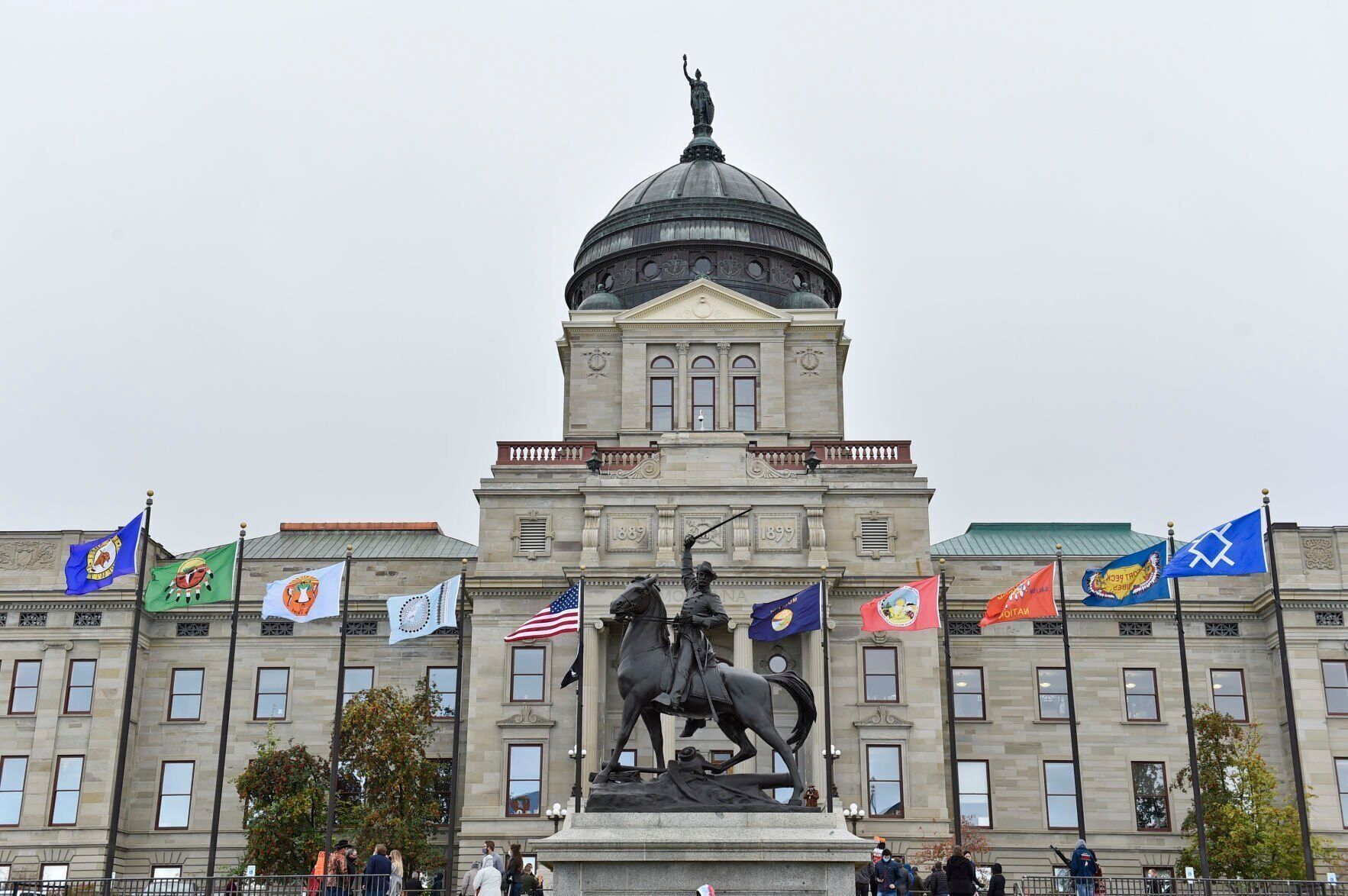
The group of Indigenous state lawmakers, formally called Montana’s American Indian Caucus, work together to advocate for Indian Country during the legislative session, when legislators convene in Helena for about four months to pass new laws.
While tribes are sovereign nations, state legislation — which can affect wildlife and natural resource management, law enforcement jurisdiction and access to health care, among other things — has tremendous influence in Indian Country.
Meet Montana’s new Native American state lawmakers
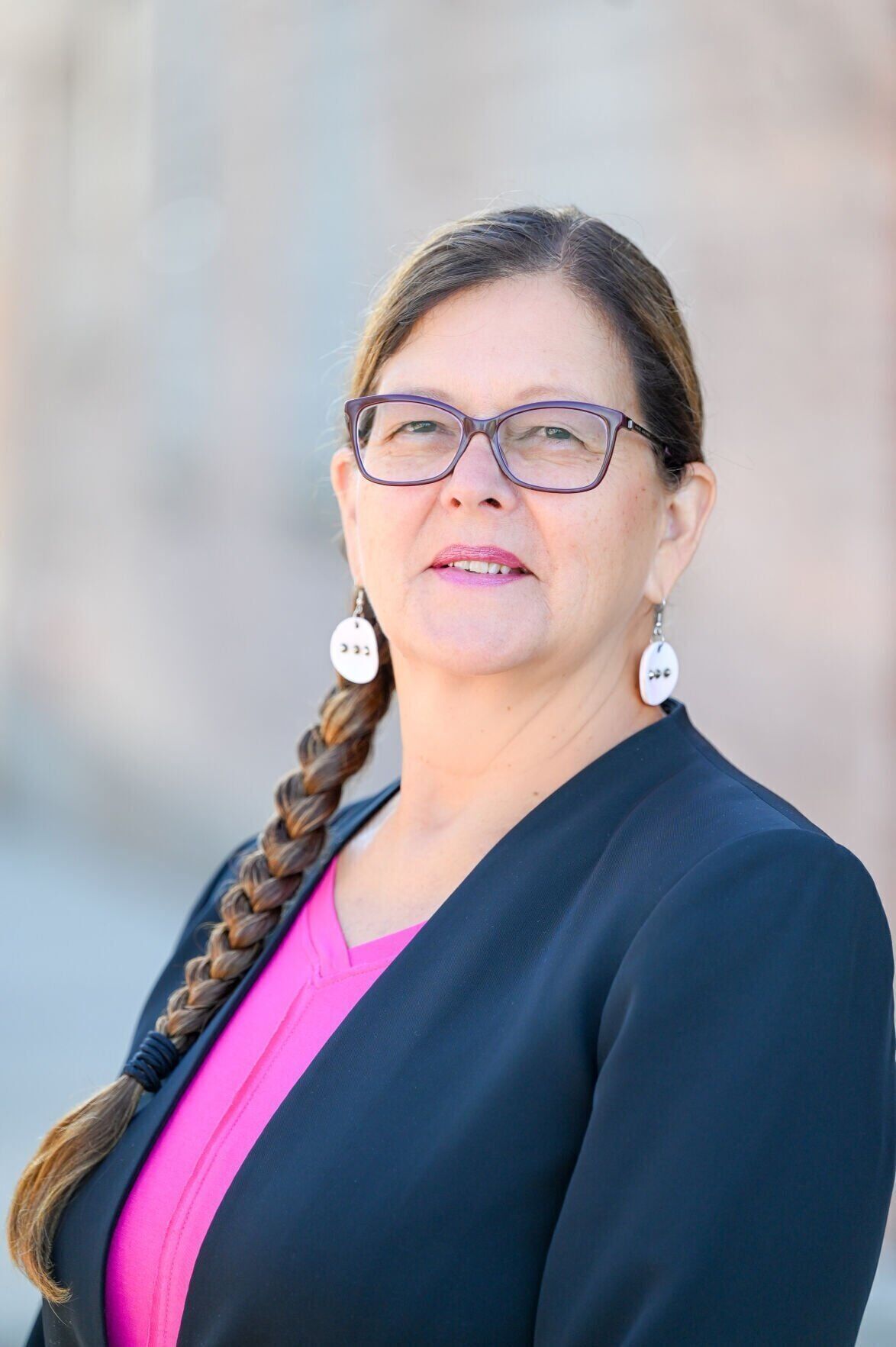
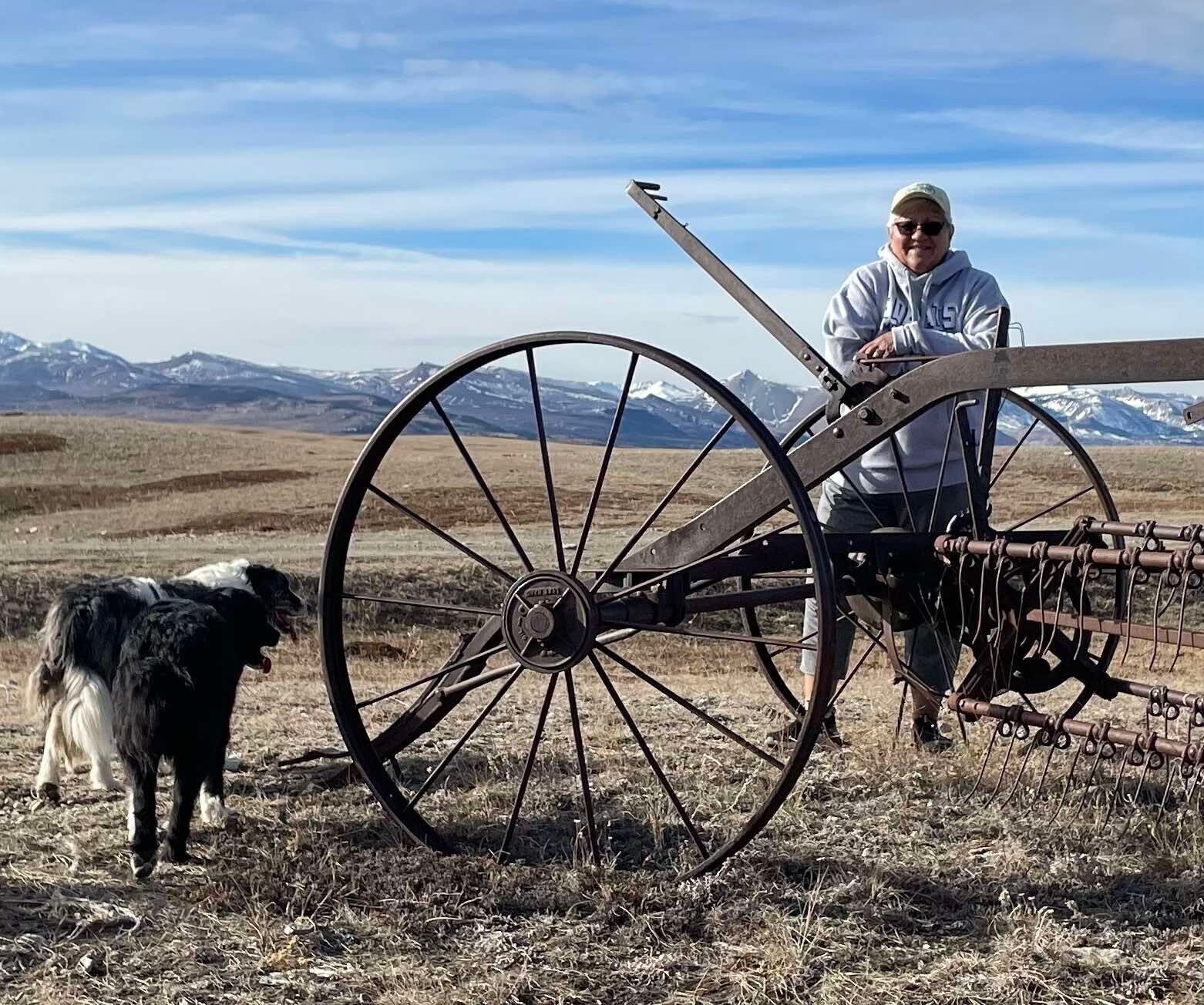
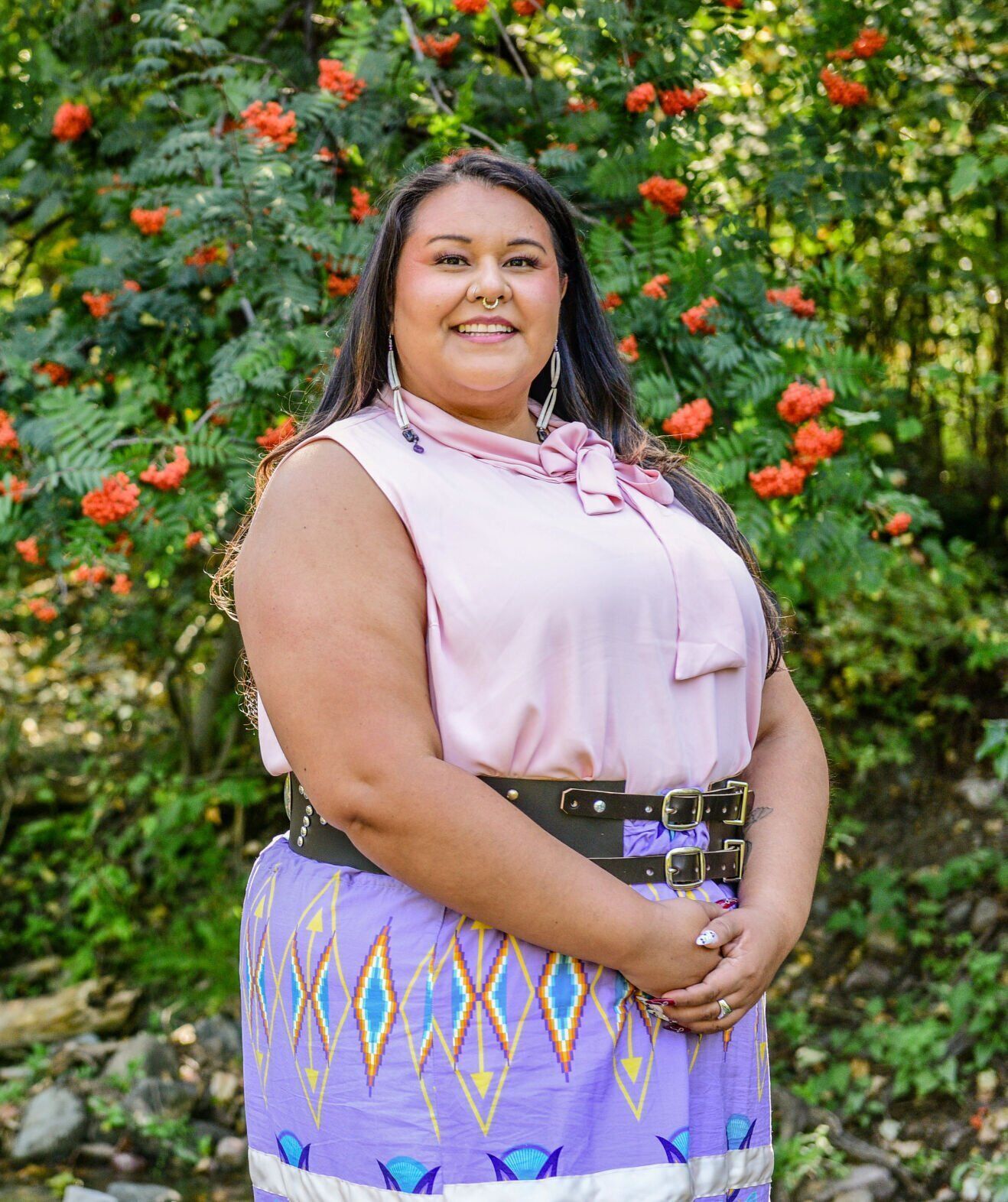
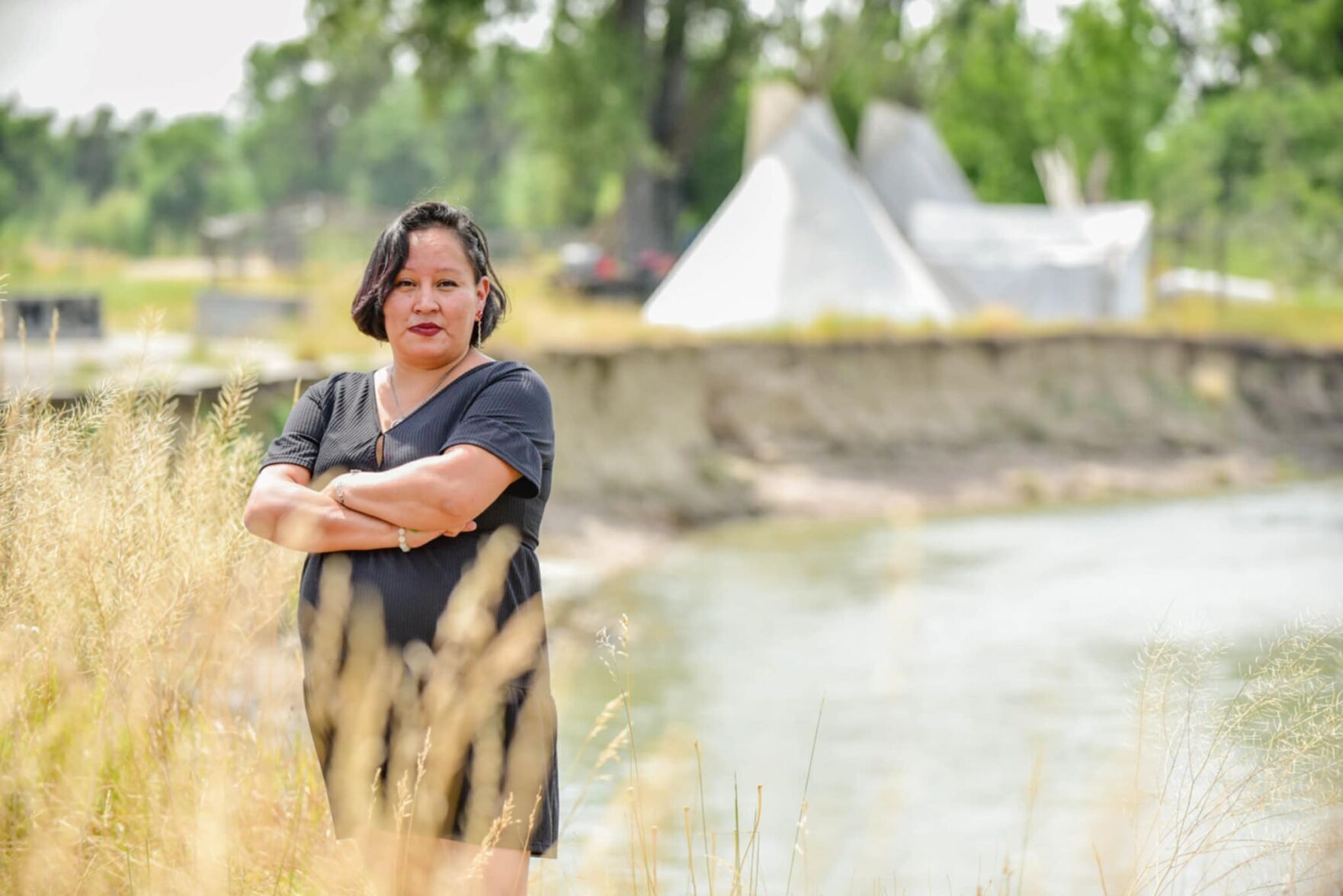
Montana voters elected five new Indigenous lawmakers, four of whom are women.
Shelly Fyant, former council member and chair of the Confederated Salish and Kootenai Tribes, will represent House District 91, which overlaps with the Flathead Reservation. Fyant grew up on a farm in Arlee and currently serves as the food sovereignty chair for the Arlee Community Development Corporation.
She earned a liberal arts degree from Haskell Indian Junior College (now Haskell Indian Nations University) and a bachelor’s in business administration at the University of Montana. As a tribal leader, Fyant oversaw the Confederated Salish and Kootenai Tribes' Water Compact, coordinated COVID-19 response teams and advocated for the return of bison to tribal land.
At the Legislature, she said she plans to advocate “for the basics — food, water, shelter.” She hopes to improve access to healthy foods and nutritional information, advocate for affordable housing policy and keep the environment free of pollutants.
Fyant, whose Indian name is Eagle Woman, said she is good at looking at big-picture problems.
“Working is my superpower,” she said.
Thedis Crowe, Blackfeet, was elected to represent House District 15 in northern Montana. A graduate of Browning High School and Blackfeet Community College, Crowe earned her bachelor’s and master’s degrees in planned resource science and Native American policy at Montana State University. She worked in conservation and natural resource management for the U.S. Department of Agriculture for 19 years and worked within the Bureau of Indian Affairs for more than a decade. Her campaign focused on five key topics — housing, taxation, agriculture (including climate, environment and drought), education and access to quality health care.
Crowe lives in Heart Butte on the southern end of the Blackfeet Reservation, and for her, the issue of accessing quality health care is personal. When she had a medical emergency last summer, it took 40 minutes for an ambulance to arrive at her house and then be transported to the hospital. She said improving health care access is vital to strengthening rural communities.
“I’ve never really been intimidated by things, so I don’t have any problem stepping into an arena that’s new,” she said of the Legislature.
Jacinda Morigeau, who is Bitterroot Salish, will serve in the state Senate, representing Senate District 46 that overlaps the Flathead Reservation. Morigeau, whose cousin Shane Morigeau also serves in the Montana state Senate, grew up in Arlee and said her values have been largely shaped by her family. Her late father was a volunteer firefighter and EMT for more than 20 years, her mother is a nurse and her yaya (Salish for mother's mother) Frances Vanderberg is a well-respected cultural leader.
A first-generation college student, Morigeau earned a bachelor’s degree in psychology from the University of Montana. She works as the communications manager for United Way, an organization that promotes education, health and financial stability, and she’s on the board of the All Nations Health Center and Montana Women Vote.
In her campaign, Morigeau vowed to strengthen reproductive rights, improve access to affordable housing and stand up for the rights of historically disadvantaged communities. She said she wants to keep an open line of communication with her community and looks forward to serving with the other newly elected Indigenous women.
“In my campaign, my best friend made a friendship bracelet for me that said, ‘Helena needs more rez girls,’” she said. “And I’ve been keeping that close to my heart.”
Jade Sooktis will serve in the state House, representing House District 41 that overlaps with the Northern Cheyenne Reservation.
Sooktis was the first person in her family to earn a college degree, graduating from Chief Dull Knife College on the reservation. She said she’s “always been active in community outreach,” assisting in food distribution efforts during the pandemic and coordinating get-out-the-vote initiatives during past elections.
In Helena, she plans to advocate for more resources — especially enhanced infrastructure — in her community.
“It’s necessary for us to be at those tables (where decisions are made),” she said.
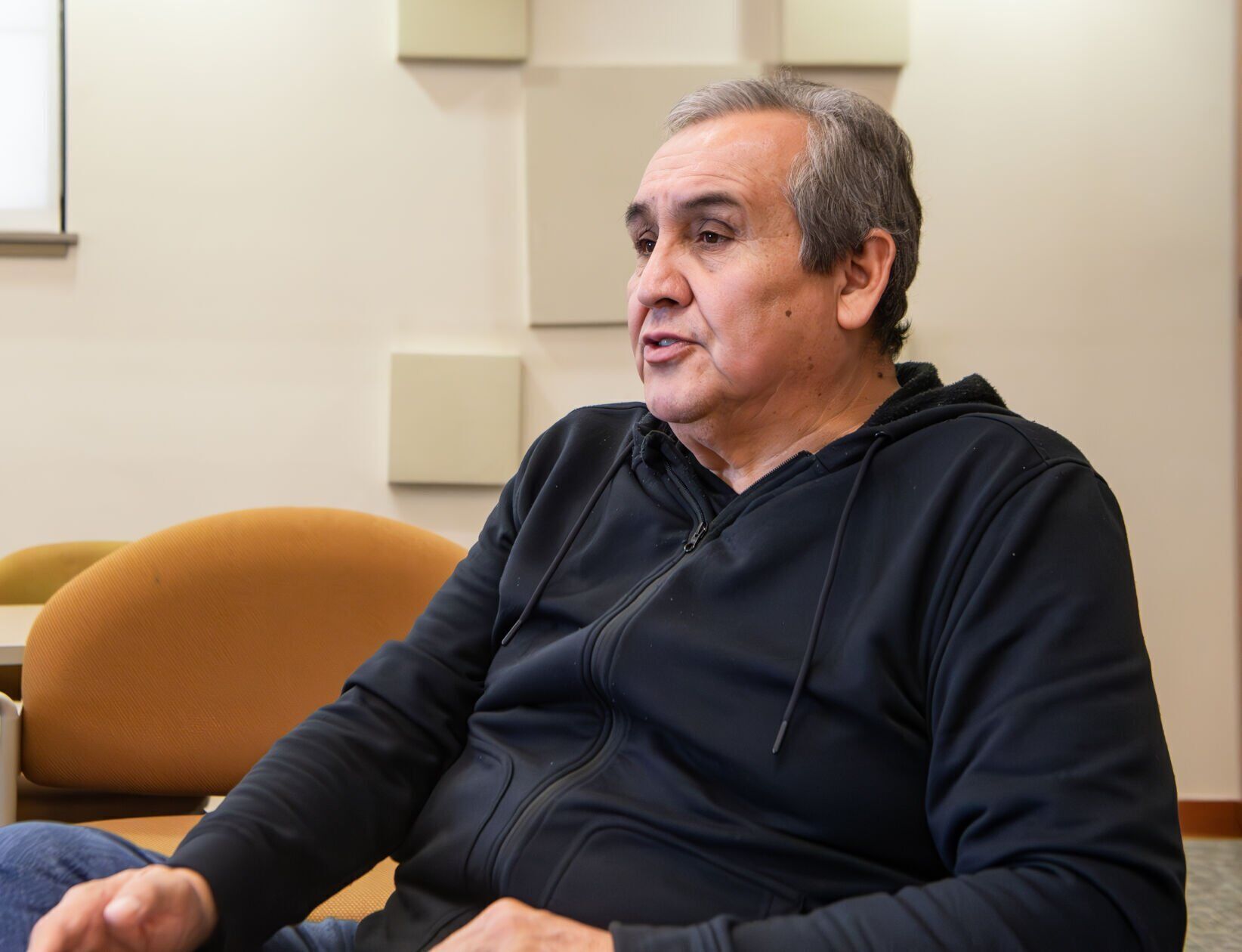
Sidney “Chip” Fitzpatrick will serve in the state House for House District 42, which overlaps with the Crow Reservation.
Fitzpatrick is the Apsáalooke elders support advocate for Messengers for Health, an organization that works to improve health outcomes in the community. He previously worked for the local sheriff’s department and served as a Big Horn County commissioner. He also served on the Crow Tribal Legislature.
When his wife was diagnosed with cancer more than two decades ago, Fitzpatrick became her caregiver. At Messengers for Health, he encourages elders, particularly men, to access preventive health care services.
Fitzpatrick takes pride in serving his community.
“I’m a rez man,” he told Lee Montana last year.
Caucus loses a giant in Sharon Stewart Peregoy
Incumbent Reps. Donavon Hawk, D-Butte; Tyson Running Wolf, D-Browning; Frank Smith, D-Poplar; Mike Fox, D-Hays; and Jonathan Windy Boy, D-Box Elder, each won their districts.
The newly elected members and incumbents will join Sens. Shane Morigeau, D-Missoula, and Susan Webber, D-Browning at the Legislature this session. Republican Rep. Rhonda Knudsen, who is Turtle Mountain Chippewa, lost her primary election. Sen. Jason Small, the only other Republican member and former chair of the American Indian Caucus, and Rep. Marvin Weatherwax, who represented Browning, did not seek reelection.
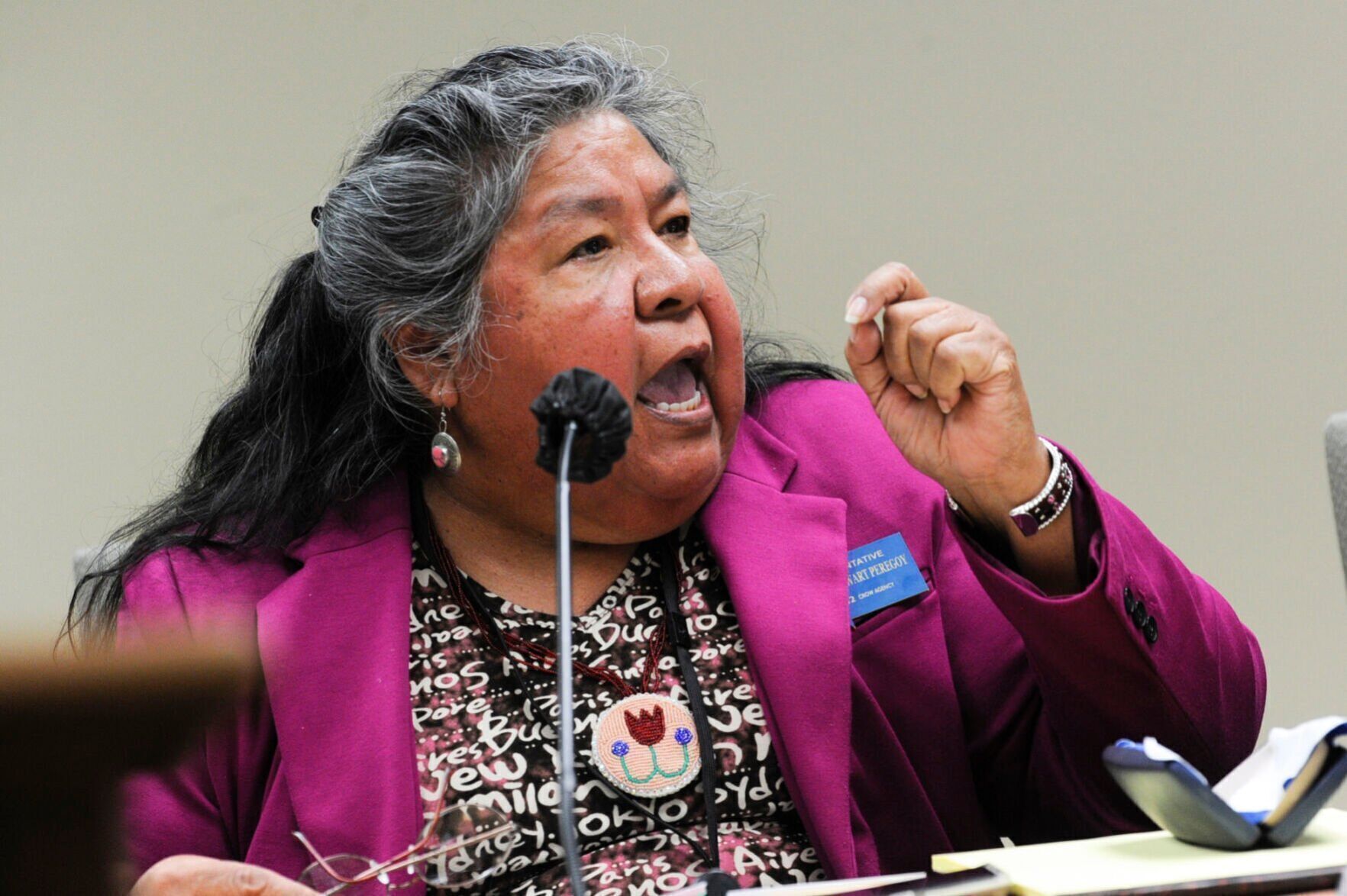
Rep. Sharon Stewart Peregoy, who had represented Crow Agency in the Legislature for 16 years, lost her state Senate race to Republican Gayle George Lammers. Last session, Stewart Peregoy advocated for the Indian Child Welfare Act protections and spoke out against racism and discrimination.
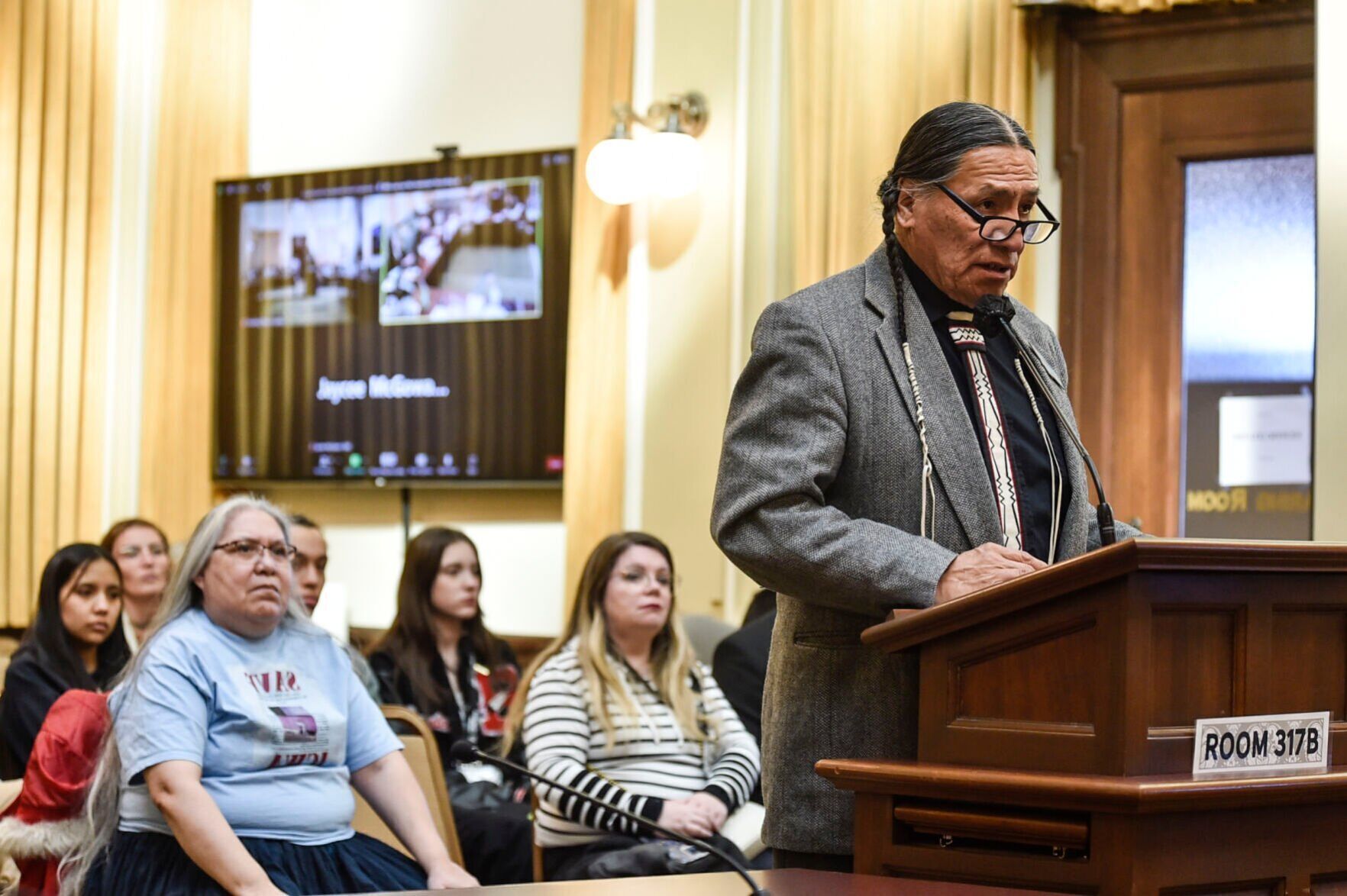
Lance Fourstar, who directed the 2023 American Indian Caucus, said every member “expressed their sorrow that she lost that race, how important she is and how much they’ll miss her.”
“She was one of the most outspoken members in the Indian Caucus,” he said. “Not only for us but for other groups, too.”
What does Montana’s American Indian Caucus do?
Last year, the American Indian Caucus introduced and passed laws that protected the Indian Child Welfare Act, strengthened Indian Education for All, elevated tribal governments’ roles in language revitalization efforts and combated the Missing and Murdered Indigenous People epidemic.
The caucus made national headlines when it was among the first groups to formally support Rep. Zooey Zephyr, a transgender lawmaker from Missoula who was censured. When the 2023 Legislative session concluded, caucus members also spoke out about the racism they experienced at the Capitol.
This legislative session, caucus members anticipate advocating for Medicaid expansion and extending protections for the Indian Child Welfare Act. Members plan to propose new legislation to combat the Missing and Murdered Indigenous Women crisis and address cross-jurisdictional law enforcement issues.
Stewart Peregoy said it's imperative that the new caucus “stands their ground so that no more injury occurs to our people.”
“My word of advice is they’re going to have to come together and not be afraid to speak up,” she said. “That’s all we can do.”

Comments ()