
A 12-year-old girl was raped. A lawyer says it took Montana CPS 6 months to contact police.
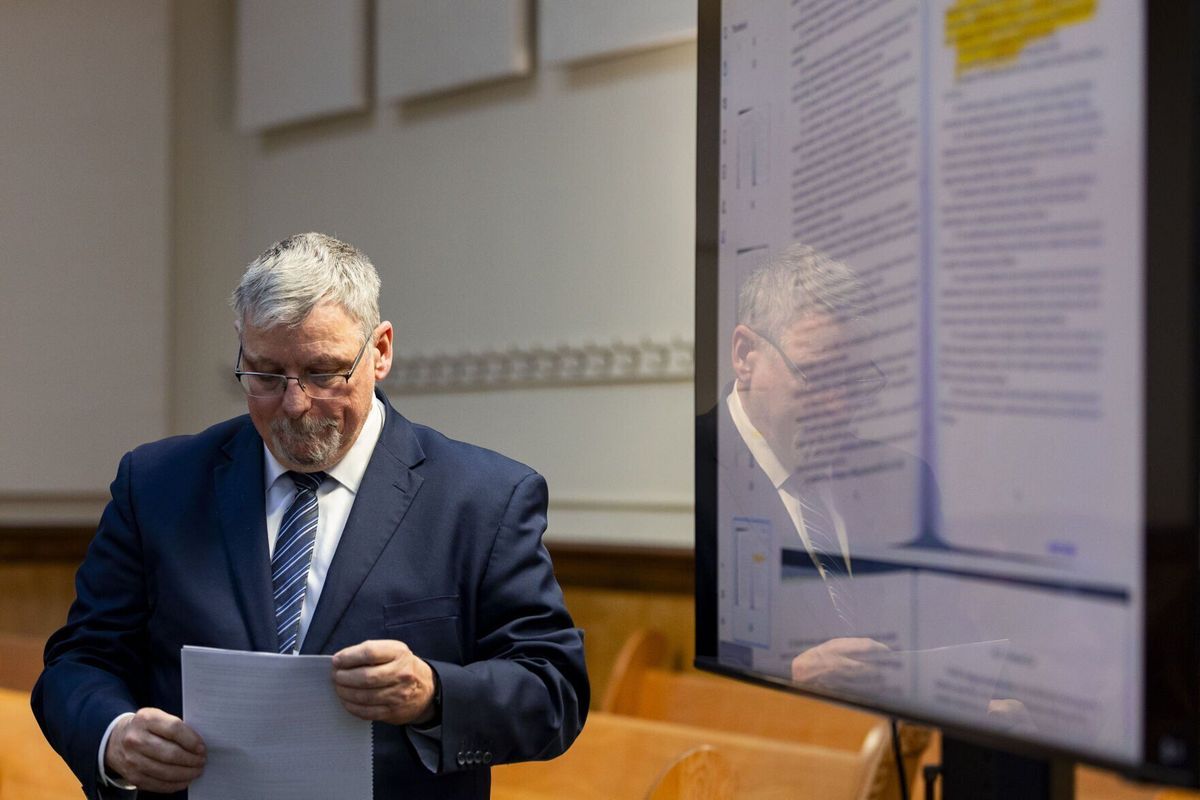
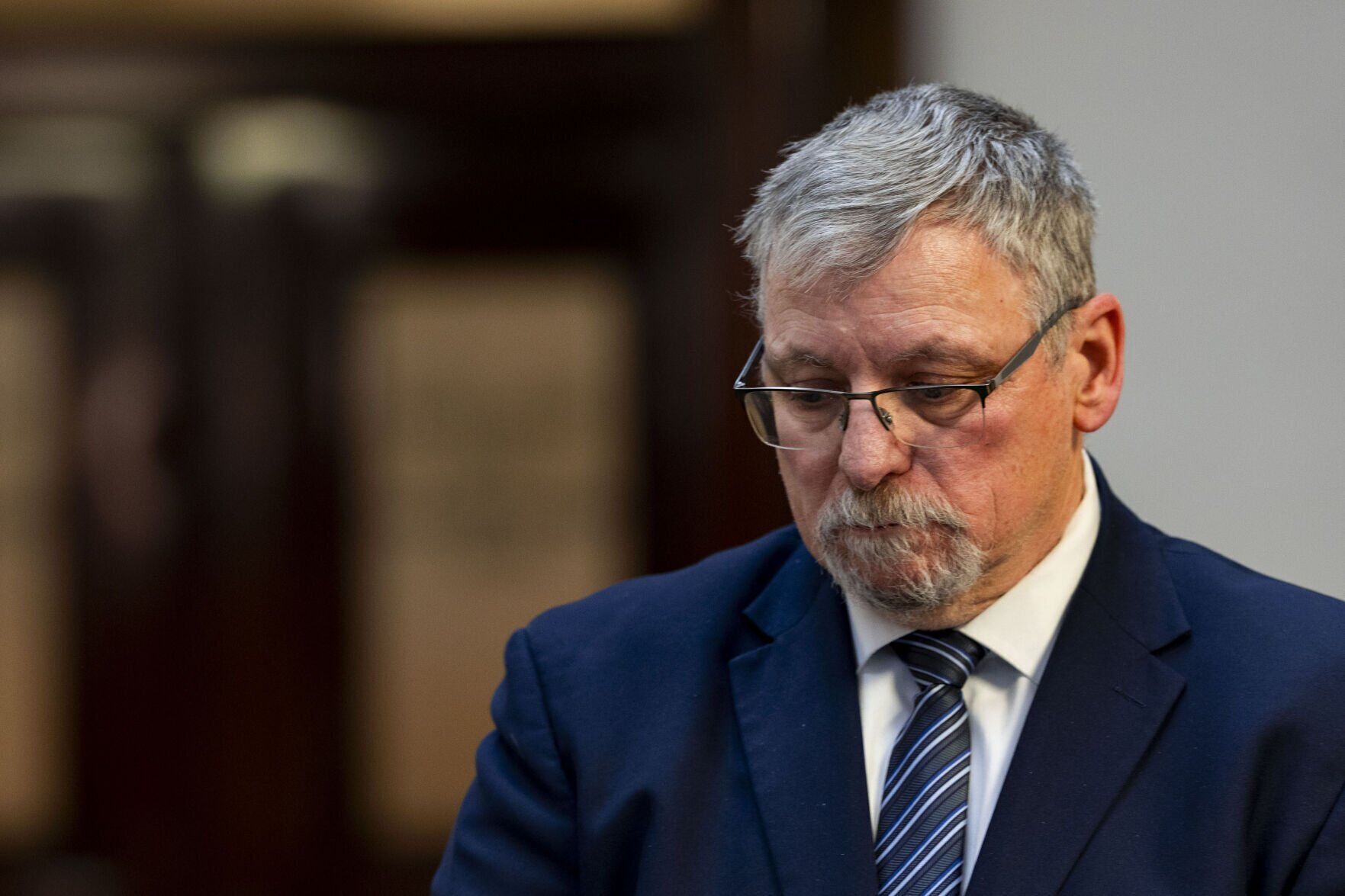
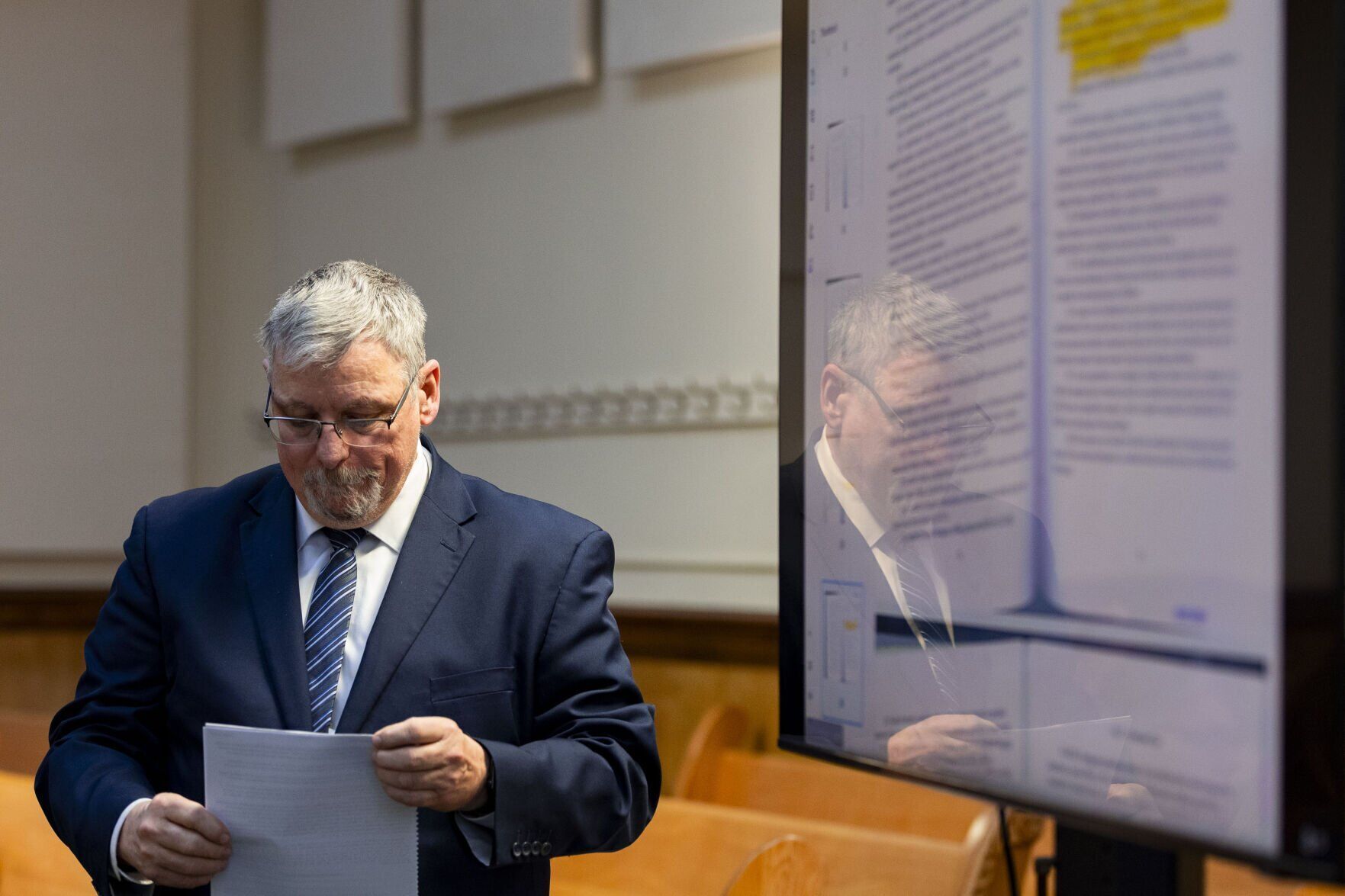
Throughout a two-week civil trial in Butte, an attorney cast Montana’s child protection agency as so buried in its own bureaucracy, it failed for six months to do the simplest thing: call the cops about a child rape.
Because of that, Lawrence Henke said, a 12-year-old girl the agency knew was pregnant, and later knew had given birth, continued to be raped by her mother’s live-in boyfriend — the man who got her pregnant in the first place.
In Montana, no one under the age of 16 can consent to sex, so a pregnancy at age 12 means a crime has been committed, Henke said.
The state’s Child and Family Services Division was mandated by Montana law and its own policies to report to law enforcement any indications of a sexual offense involving a child, he argued, but reports from multiple callers bounced around the agency for 185 days in 2014 without getting to police.
“They just lost their way,” Henke told jurors. “This agency and these people wrapped themselves so tightly in red tape and acronyms, they lost their common sense.”
A team of private attorneys defended Montana’s Department of Public Health and Human Services, the parent agency of the Child and Family Services Division, saying its child protection professionals are experienced and dedicated and did what they could within the confines of their roles.
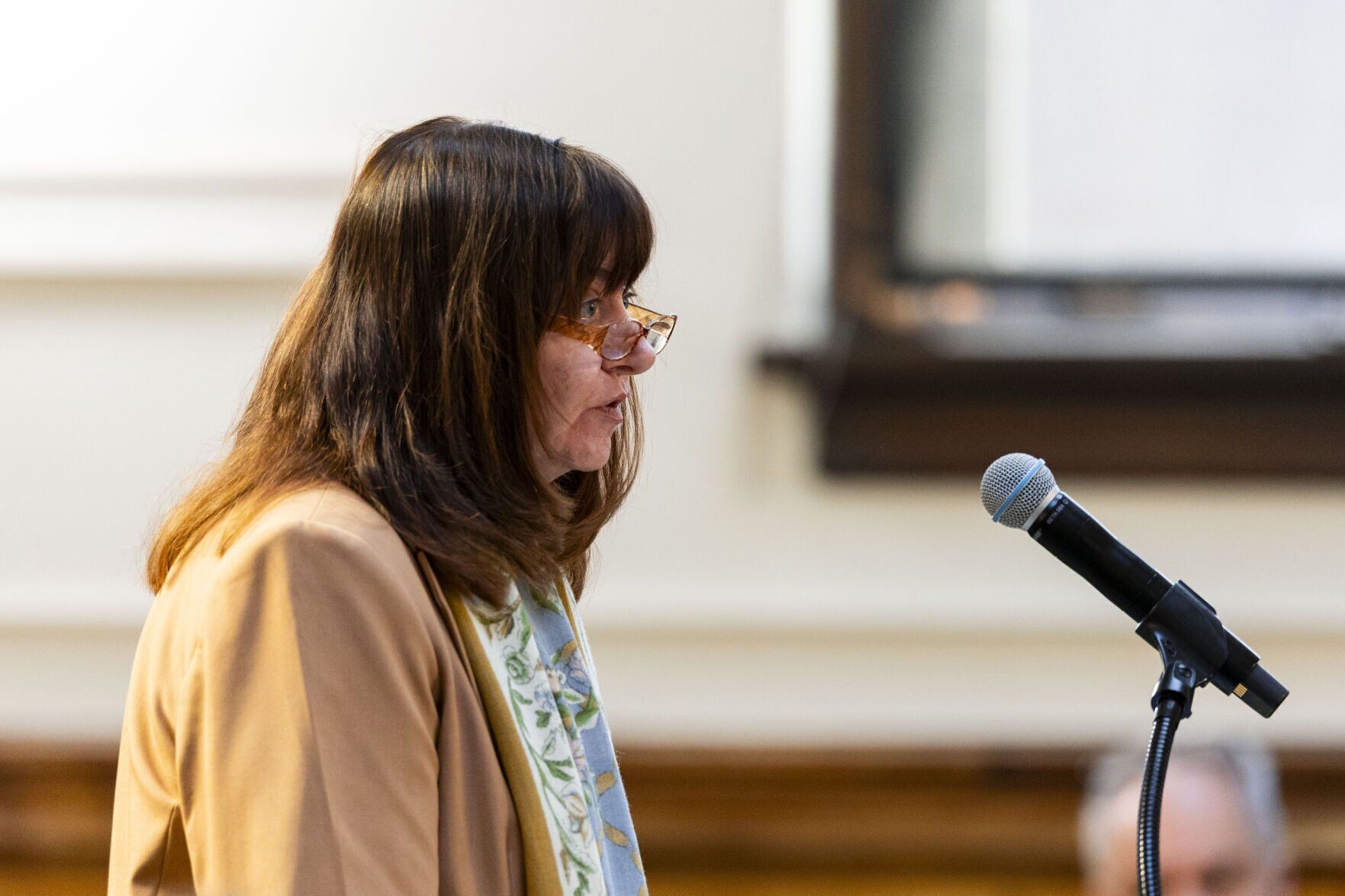
They work in rough neighborhoods to help people and families in crisis, many resenting their presence, attorney Susan Miltko told jurors, and if necessary take the “extraordinary step of taking their children away.”
“They are unheralded heroes,” she said. “The strength, conviction and bravery of these people when they step into the front lines to keep children safe and make families strong is an inspiration.”
What the girl endured was terrible, Miltko said, but the villains were the girl’s mother and her boyfriend, William Thomas Spencer, who was arrested for the rapes in 2014, convicted two years later and is serving a 30-year prison term.
But in January, after 10 days of trial in state District Court in Butte, a 12-person jury deliberated only for about three hours before finding DPHHS negligent and awarding the girl, now 23 years old, $5.5 million in damages.
Jury verdicts in Montana civil trials only require agreement by two-thirds of jurors, so eight in this trial. But all 12 in this case agreed on the negligence finding and the monetary award.
A second negligence judgment involving agency
It’s the second time in six months DPHHS has been ordered to pay millions of dollars for negligence.
In July, a Cascade County jury determined the agency was liable for $11.2 million in damages for failing to remove a 6-month-old girl from an abusive home in December 2008.
Doctors characterized bruises on the girl’s abdomen as child abuse but a caseworker said it wasn’t serious, inflicted harm. And the agency didn’t investigate subsequent reported concerns the next month, court records show.
In February 2009, the girl was left permanently blind and suffered other lifelong injuries at the hands of her father's live-in girlfriend, Alicia Jo Hocter. She was later sentenced to 30 years in prison for aggravated assault and criminal endangerment.
The attorney for the girl, Raph Graybill, said the verdict last July was a measure of accountability and “also recognizes the importance of properly investigating child abuse and protecting children when abuse has occurred."
Henke said his client’s case is also about holding DPHHS accountable, but instead of accepting any fault, he said the agency relied on a “tone deaf” defense of excuses it stands by today.
Among other things, the state argued that unless the agency knew the identity of the perpetrator, or knew he or she was a primary caregiver, it was not obligated to investigate reports about the girl or notify police immediately.
It classified early reports about the pregnancy as “requests for services” to ensure she got prenatal vitamins, baby formula and other things a young mother needs.
“This absurd testimony reveals an entrenched belief within the agency that bureaucratic classification overrides statutory mandate,” Henke told The Montana Standard after the trial. “It is systemic ignorance, repeated and reinforced and still held today, that labeling a case as 'services' excuses the legal duty to report child rape to law enforcement."
“These beliefs are not harmless,” he added. “They are indicative of institutionalized arrogance. And when an organization treats statutory commands as optional checkboxes, subject to internal coding rather than the law, it does more than fail a child. It builds a system where that failure is inevitable time and time again.”
The Montana Standard sent a list of questions to DPHHS, along with some of Henke’s post-trial comments included in this story, seeking responses. After several days, a spokesman for the agency said it had no comment.
The case goes to trial
Henke says the girl and her grandmother sought his assistance and he notified DPHHS about their claims in July 2022. He filed the lawsuit in December 2022 in Butte-Silver Bow County.
Henke says it’s a “travesty on the largest scale” that a child rape victim was forced to go through three years of litigation “to get justice from this agency and these lawyers.”
While he sat with his client and paralegal during the trial, Henke said, the state had three private attorneys and a paralegal from the Williams Law Firm in Missoula at their table and other lawyers watching on Zoom. Henke guesses their tab for legal services topped $1 million.
Both sides agreed on some facts going in. Among them:
The girl was placed in the care and custody of her biological mother in 2012 and became pregnant in August 2013 after being sexually assaulted by Spencer when they were living in Butte.
They moved to Billings and on Jan. 29, 2014, a doctor’s office notified Child and Family Services, or CFS, the girl was pregnant. It was the last week an abortion could be performed but the girl wanted to keep the baby, stating, “I don’t believe in that stuff.”
The case centered on what the agency did and didn’t do between Jan. 29 and early August 2014, when the grandmother presented DNA results showing Spencer was the father. Billings police were for sure notified then, and within a few days, the girl was removed from the home and an arrest warrant was issued for Spencer. He was apprehended in Butte four months later.
Phone calls and more phone calls
Henke says the agency knew on Jan. 29 that a 12-year-old girl was pregnant, and in Montana no one under the age of 16 can consent to sex. That made it a crime.
And in that very first phone conversation, a CFS worker told a medical assistant who called, “Guess I’m making a general assumption that no matter what, this probably wasn’t another 12-year-old boy” who got the girl pregnant.
The girl’s mother’s physician called the agency two days later saying the mother, who had documented drug use issues, was unfit and incapable of caring for her pregnant 12-year-old daughter.
State law and the agency’s own policy mandated those reports indicating the rape of a 12-year-old be turned over to police, Henke told jurors, but they were not.
The agency fielded more than a dozen additional calls over the next six months, including one from the girl’s grandmother on March 4 saying her granddaughter was pregnant. The girl’s mother told the agency her daughter had snuck out of the house and was date raped at a frat party.
That story didn’t make sense, the grandmother testified, because she “doesn’t party” and is only 12.
CFS fielded another call on March 4 from a DPPHS employee in Butte who had worked with the family. She said they needed to look at Spencer because he had an extensive history with the agency, and the girl’s grandparents were concerned he might be doing inappropriate things with her.
That means from March 4 on, per the trial, CFS not only knew about the 12-year-old pregnant girl, but also that she was living in a home with Spencer.
Additional key testimony
The victim, now 23, took the stand and said she didn’t know what to think when a doctor told her in January 2014 she was pregnant. “I was too young to understand anything that was going on,” she said.
She said Spencer did not have sex with her after she found out she was pregnant but did three or four times after she gave birth in May 2014.
She said money from any jury award would not make her forget what happened or give her childhood back. “I am here for justice,” she said.
When the grandmother was on the stand, she acknowledged to Miltko that Spencer for a time was good with children, “but I didn’t know he was a child molester then.”
A key part of the trial seemed to hinge on what the jury believed about a March 4 call CFS intake specialist Dan Clark made to Billings police after he had talked to the grandmother that day. Clark was the state’s first witness.
Clark was transferred to an administrative assistant in the police department, not an officer, and told her he had a “cross report” about a 12-year-old girl who was pregnant whom her grandmother suspected had been sexually assaulted.
During that recorded call, Clark never said the girl’s name nor gave an address or any other identifying details, but said that was all in a report. The administrative assistant said if he faxed it over, she would get it to a shift commander.
“How confident are you that you sent the fax?” Miltko asked Clark.
“I do what I say I will do,” he said.
A Billings detective sergeant said the department never got the fax but acknowledged to Miltko that police couldn’t locate a lot of records from 2014.
Henke said CFS couldn’t produce a cover sheet or phone logs showing a fax was ever sent, and if police had received it, he and the sergeant said they would have acted immediately — as they did in August 2014 when they did get a report.
Jurors also had to weigh testimony from a social worker who said she interviewed the girl at school about the pregnancy, asked if Spencer had assaulted her, and had numerous informal talks about the matter with a detective.
There was no documentation of any of that, Henke told jurors, saying again that police would have acted immediately on such information.
Henke believes testimony from the state’s own expert witness, retired Montana District Judge Karen Townsend, was damning.
He presented transcripts of the first three calls CFS received about the matter in January and February 2014 and asked Townsend if each one indicated a sexual offense against a child.
Each did, she said, and she acknowledged that under state law, each should have been reported in detail to police. That meant the state’s own expert witness agreed with the plaintiff’s claims, Henke said.
Closing arguments and trial fallout
In closing arguments, Miltko said CFS workers did follow agency policy and the law and “wrapped” the girl in support services during her pregnancy and for years afterwards.
“A review of the evidence demonstrates the good people at CFS were diligent in gathering information from the callers, assigning the calls to the highest level of priority they could under the law, then worked independently and with law enforcement to provide services and support (for the victim),” Miltko told jurors.
And, she reiterated, all blame for harms done to the girl in 2014 rest with Spencer and the girl’s mother he lived with.
“The villains in this case are not the hard-working Child and Family Services workers,” she said.
Henke said state law mandates that information about suspected child sex assaults be referred immediately to law enforcement for a reason — to protect children.
“Now your job is to hold someone accountable,” he told jurors. “That’s not blame. These people are good people. They do a tough job. No one is saying they don’t. In this case, in these circumstances, they screwed up. That’s not blame. It’s assigning responsibility.”
The Montana Legislature established an interim working group in 2023 to examine numerous facets of child protective services that included a review of laws mandating reports of child abuse, including suspected sexual abuse.
The Legislature enacted a law in 2025 that revised numerous provisions on child abuse and neglect proceedings, but it does not change the existing mandatory reporting law that Henke says DPHHS violated.
Henke said “company-line” testimony from state social workers and arguments the state’s lawyers made show that dangerous beliefs are still entrenched in the agency.
“The state ignored the law,” he told The Standard. “The state ignored its own policy. And most alarming of all, the state still believes that decision was correct.
“That is not a problem of 2014. That is a problem of today.”
One of The Montana Standard questions DPPHS declined to answer is whether it intends to appeal the Butte jury verdict and judgment. No appeal had been filed as of Wednesday, according to court records.
But Henke filed a new motion Tuesday seeking a court order for the state to pay his attorney’s fees and costs in the case. That is allowed under Montana law if it can be shown the state’s position was either frivolous or asserted in bad faith.
He says his motion does not arise from "the state’s mere loss at trial” but instead its “choice to advance and maintain a defense” that was contrary to controlling law and material facts.
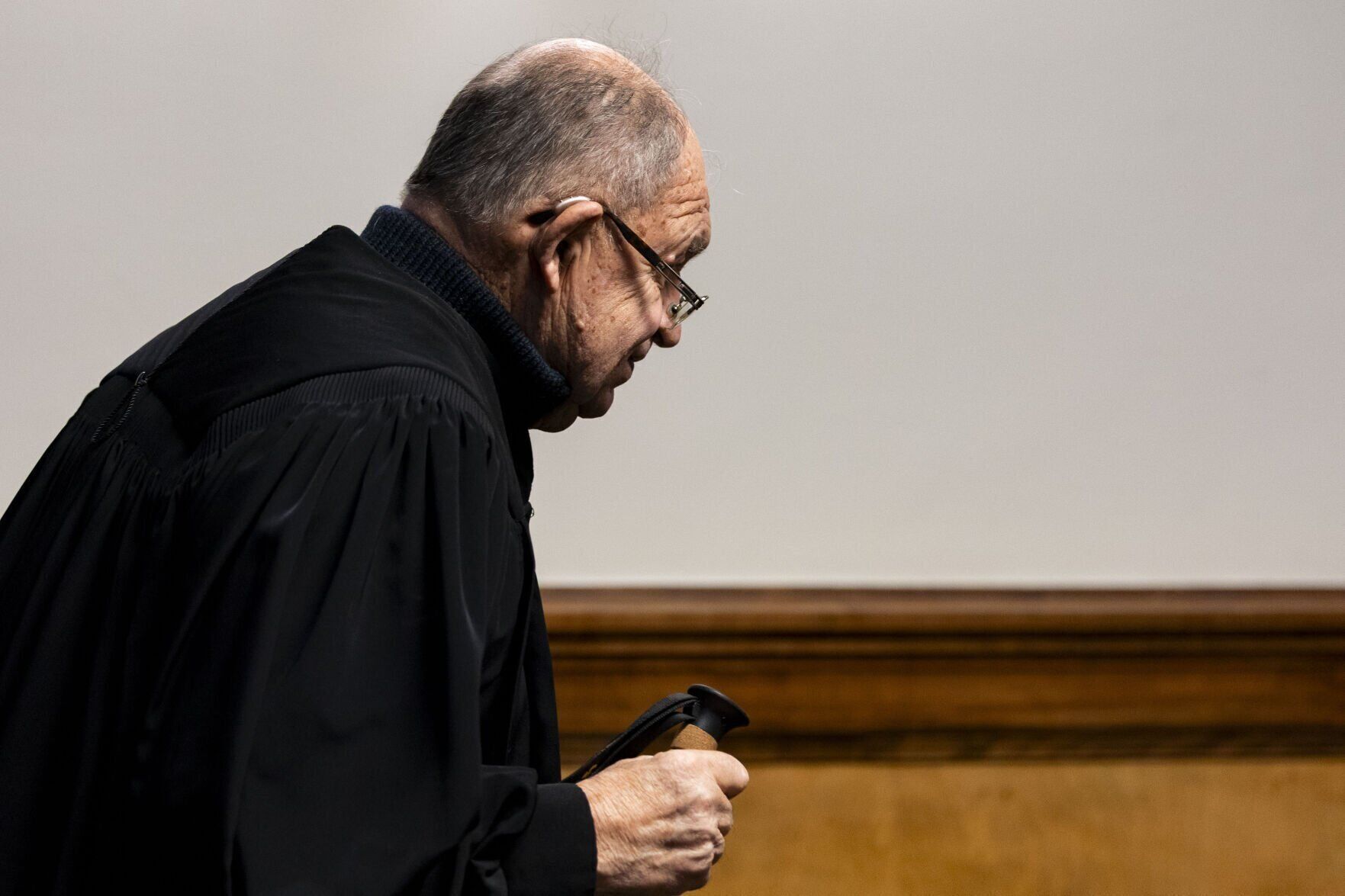
The motion is now before District Judge Ed McLean, who presided over the 10-day trail.
“This Motion is an indictment of the State’s litigation strategy that spent extraordinary amounts of public money to defend the indefensible, to obscure the record and to force a child-rape victim to be insulted by a defense that essentially claimed DPHHS’s statutory duties were optional, and they, as an agency, were above the law,” the motion says.
The motion says the state forced a child rape victim to endure four years of litigation and "hundreds of thousands of dollars" in attorney costs and fees, but it does not request a specific amount.
If McLean finds the state's defense was either frivolous or done in bad faith, then Henke would submit fee affidavits and billing records and ultimately decide what is reasonable.


Comments ()