
‘A big banner year’: Thousands gather at Montana State for 50th anniversary powwow
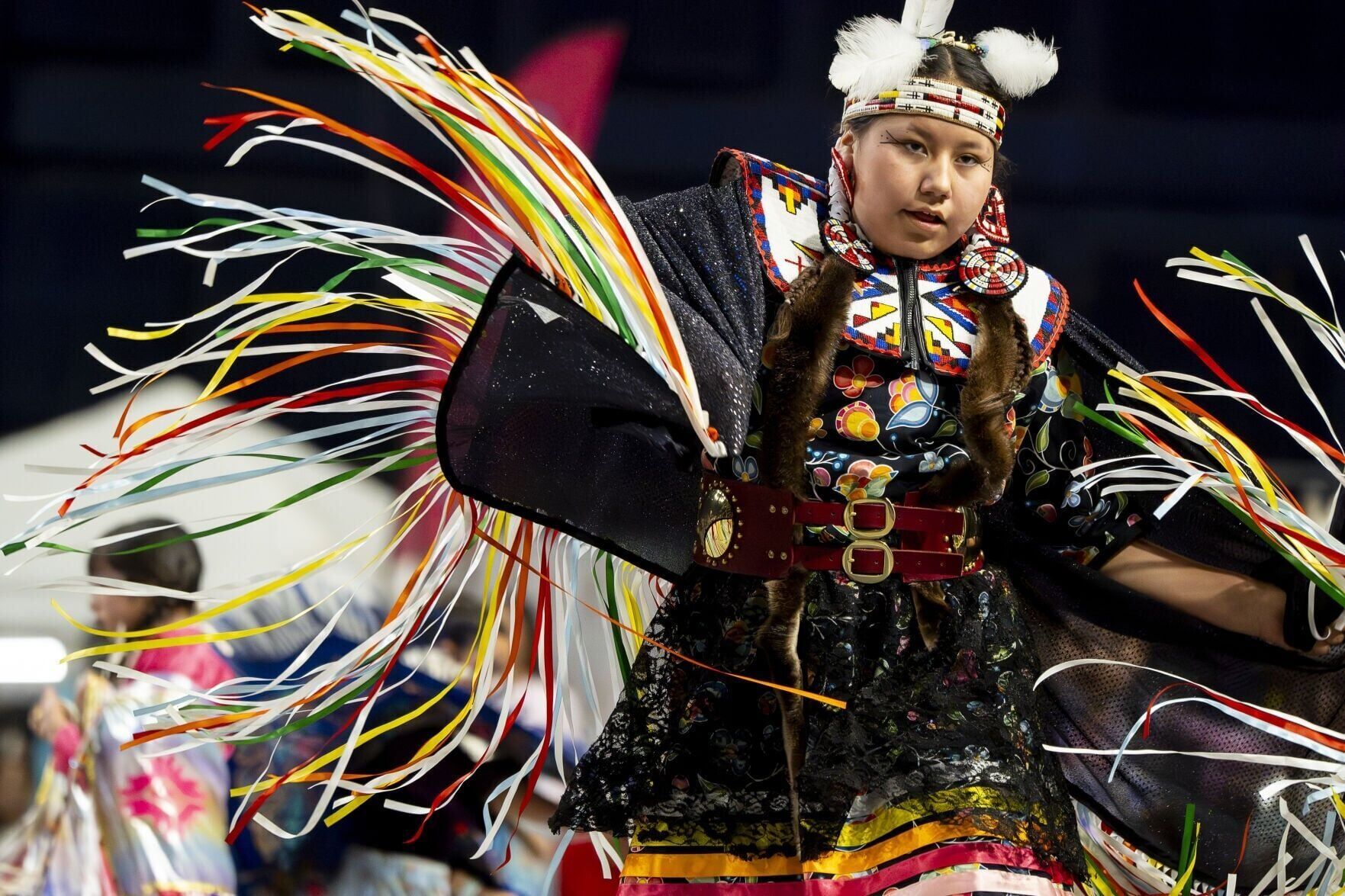
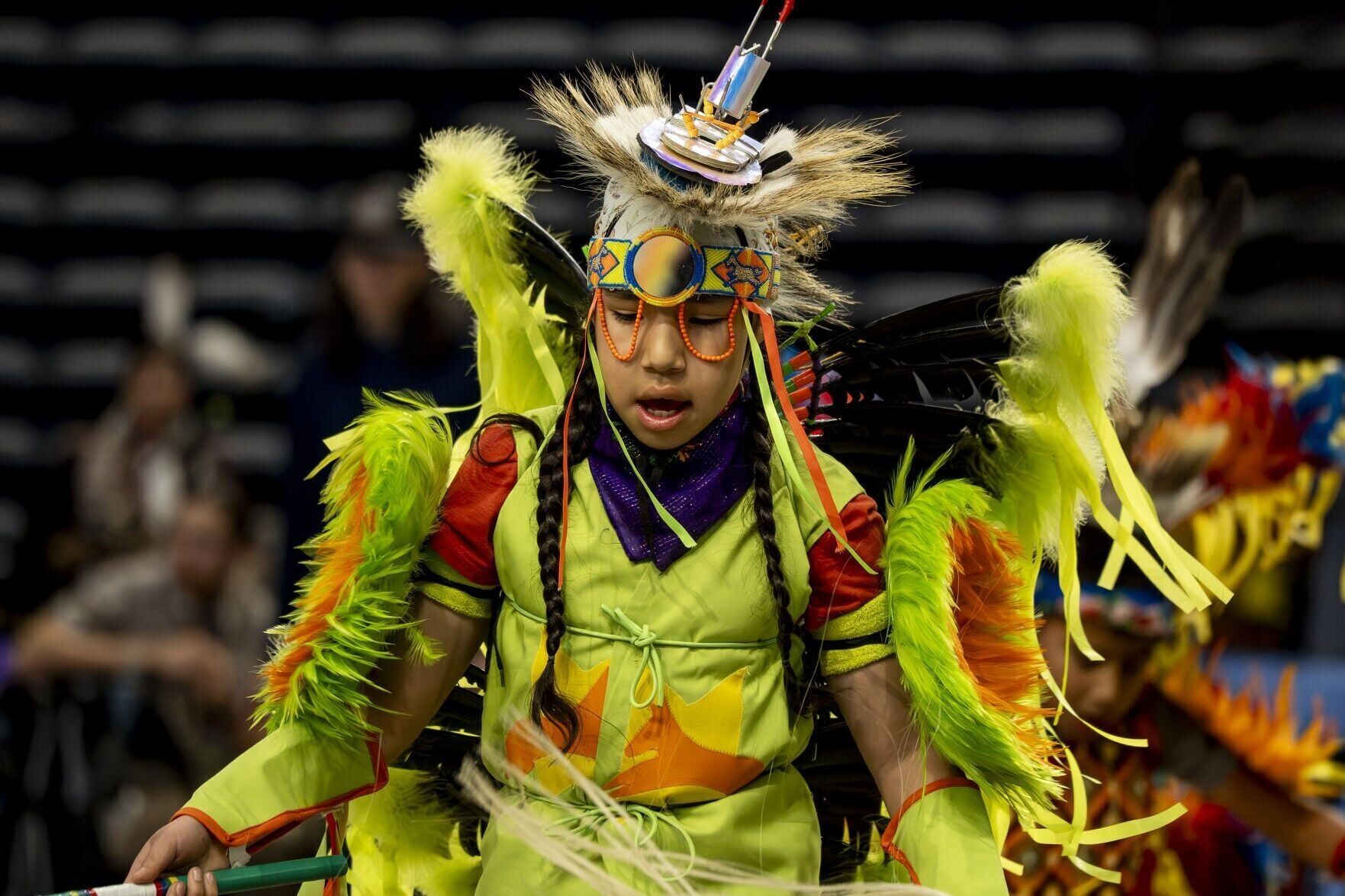
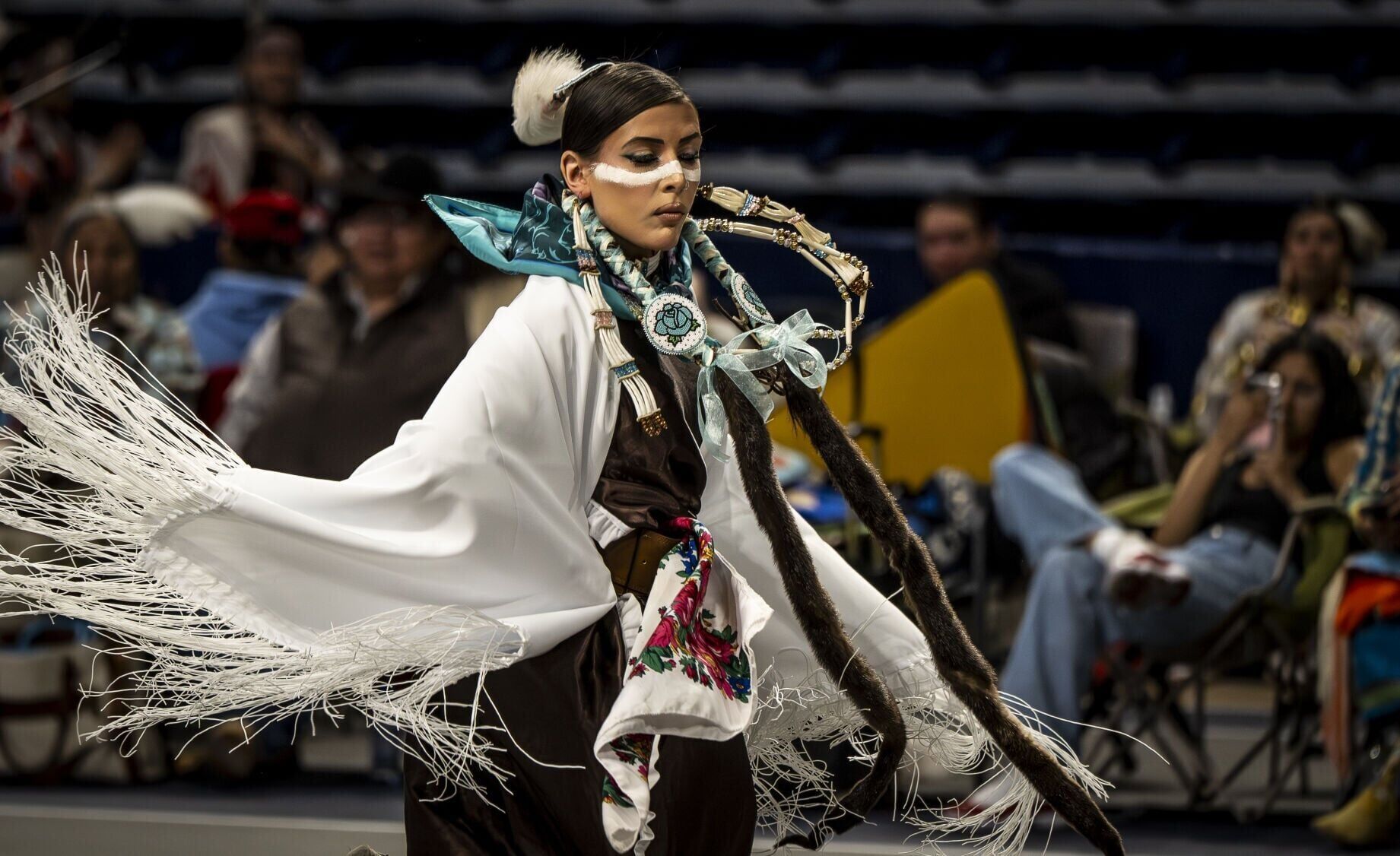
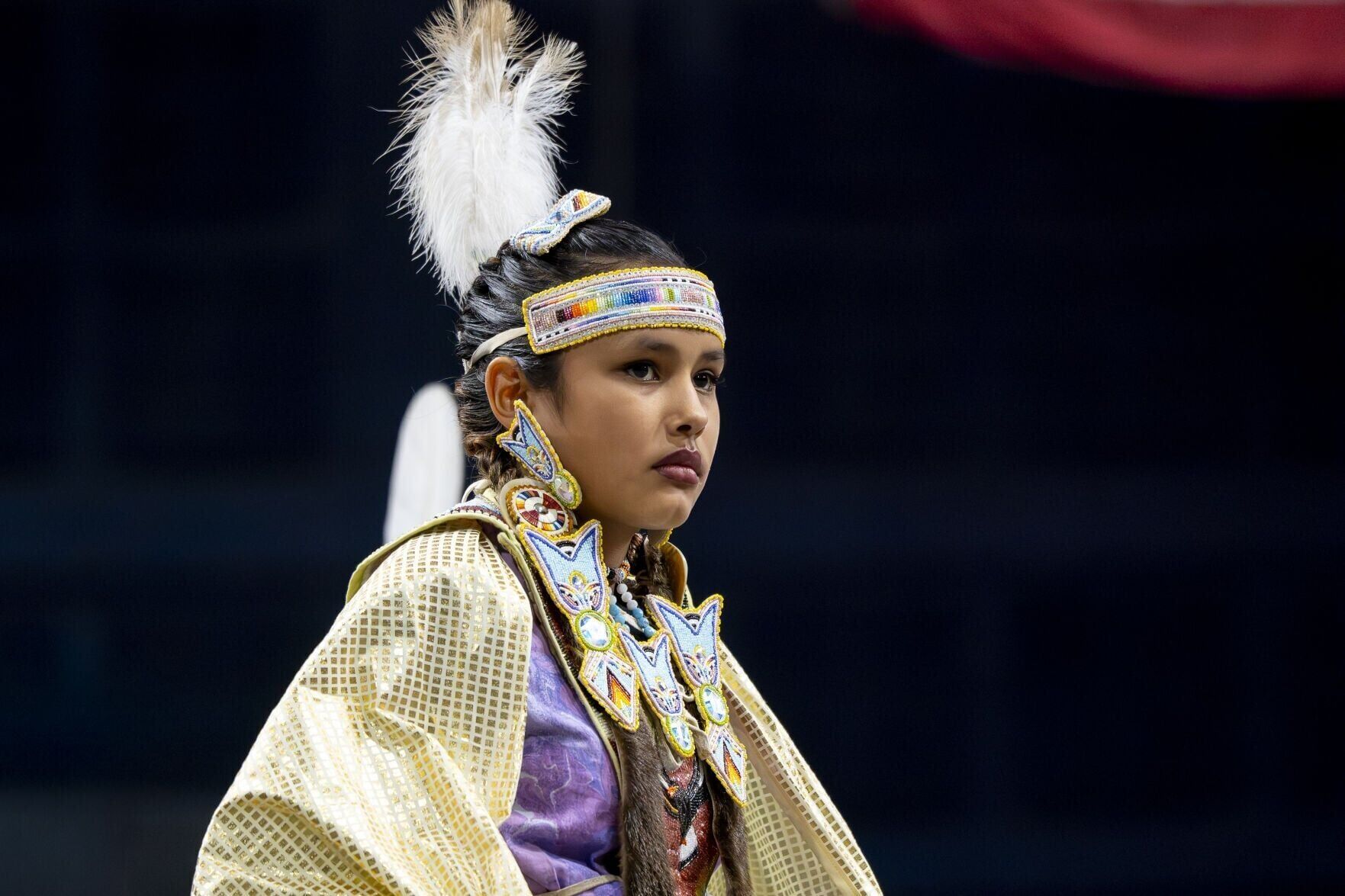
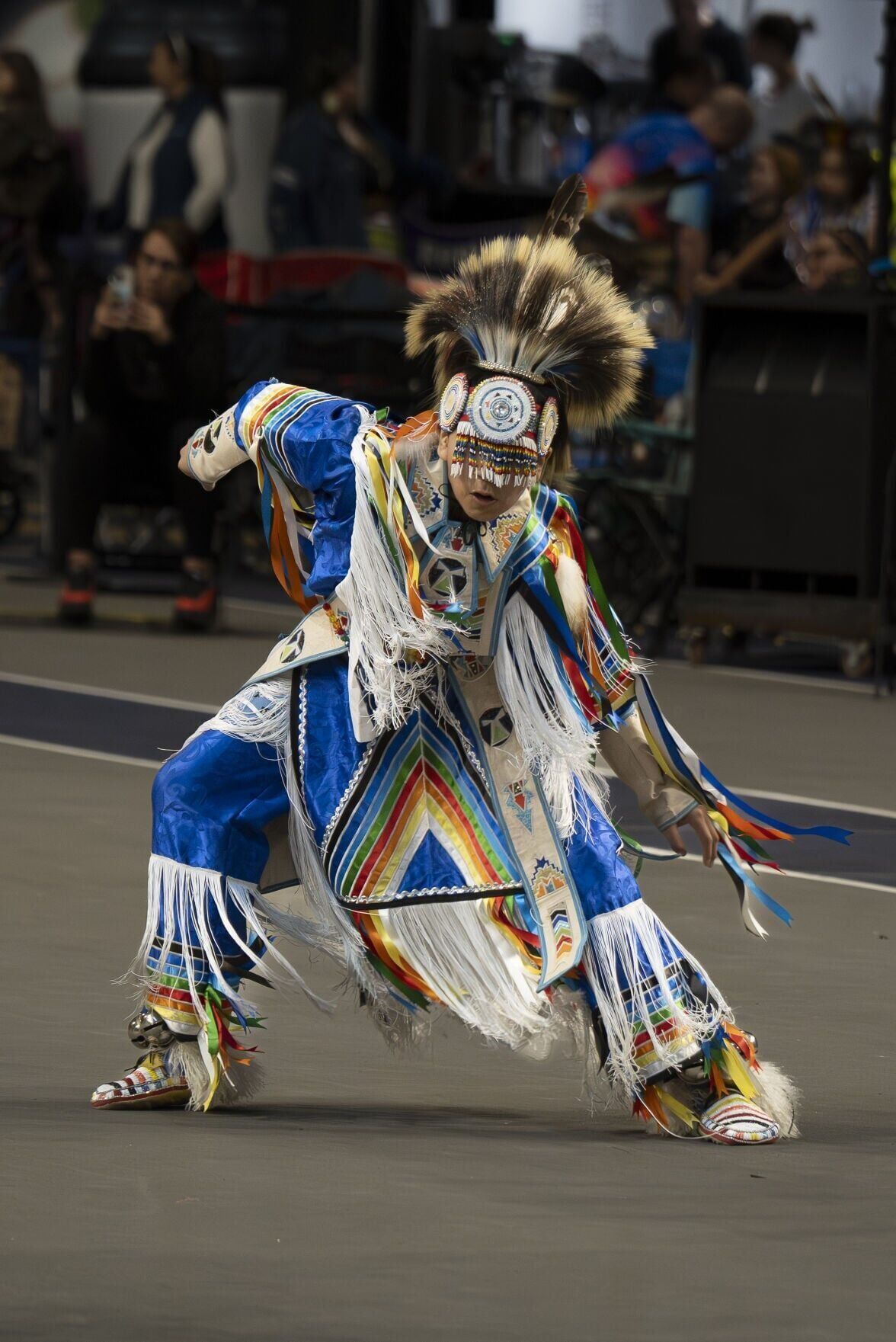
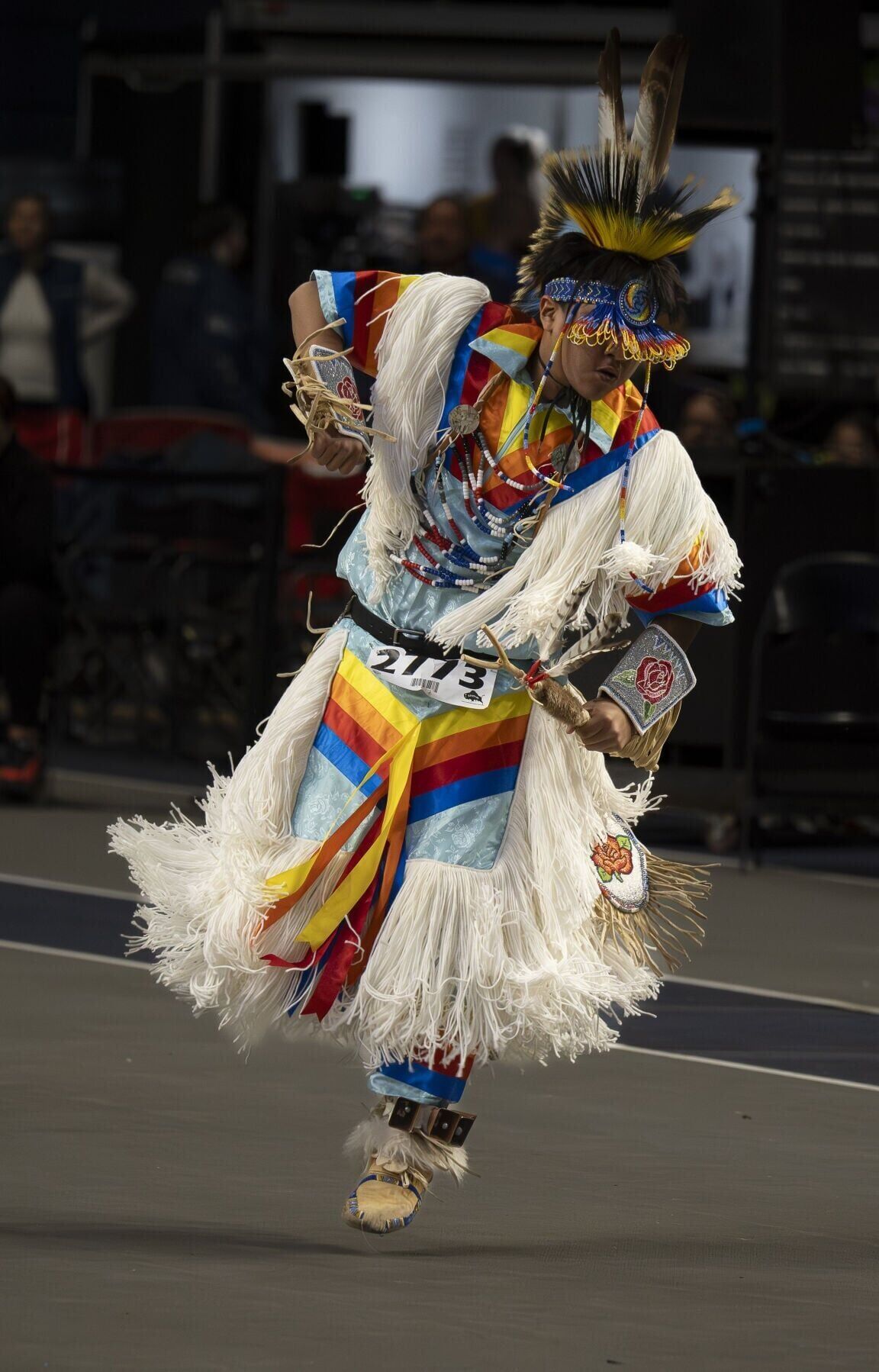
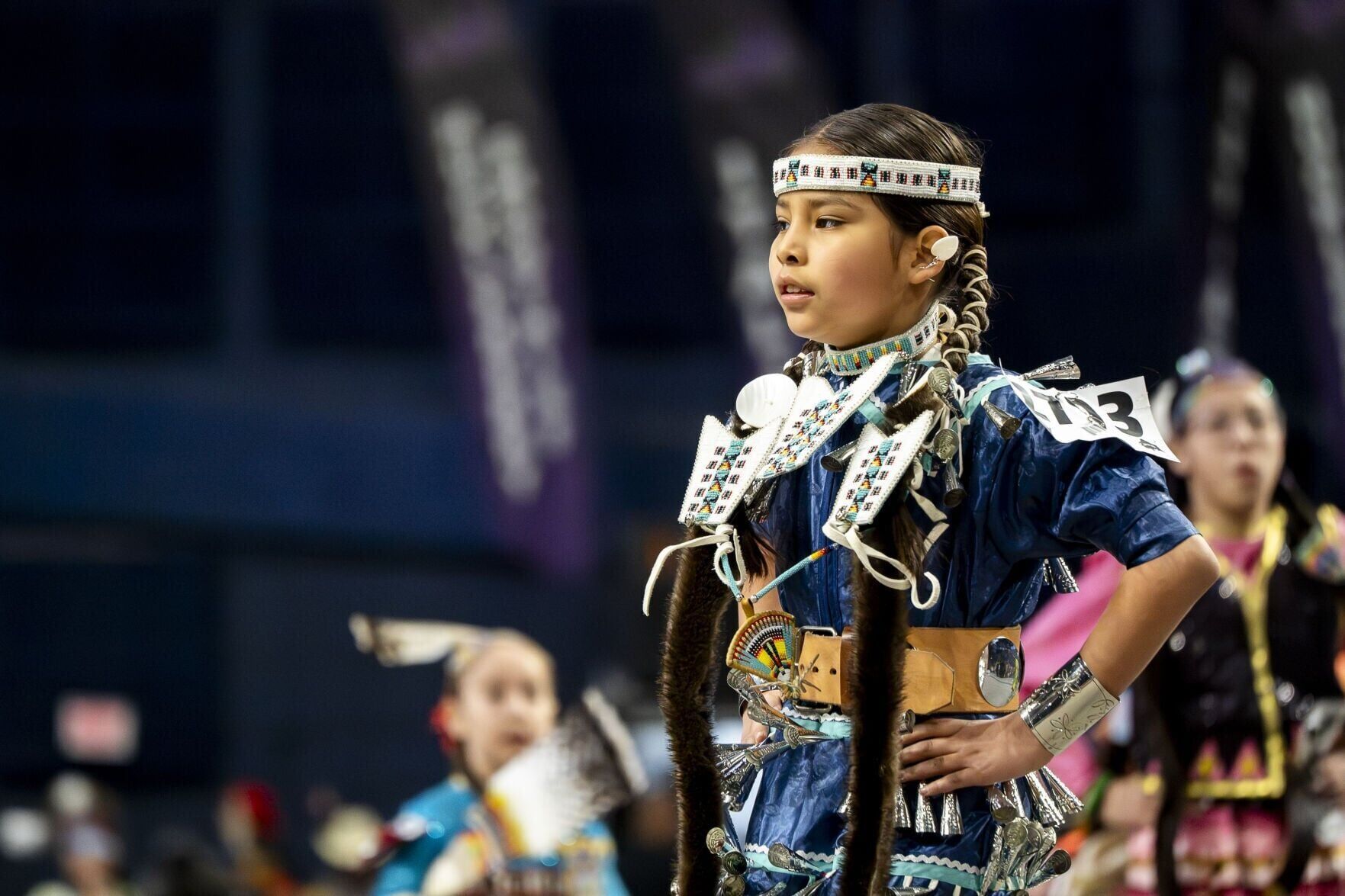
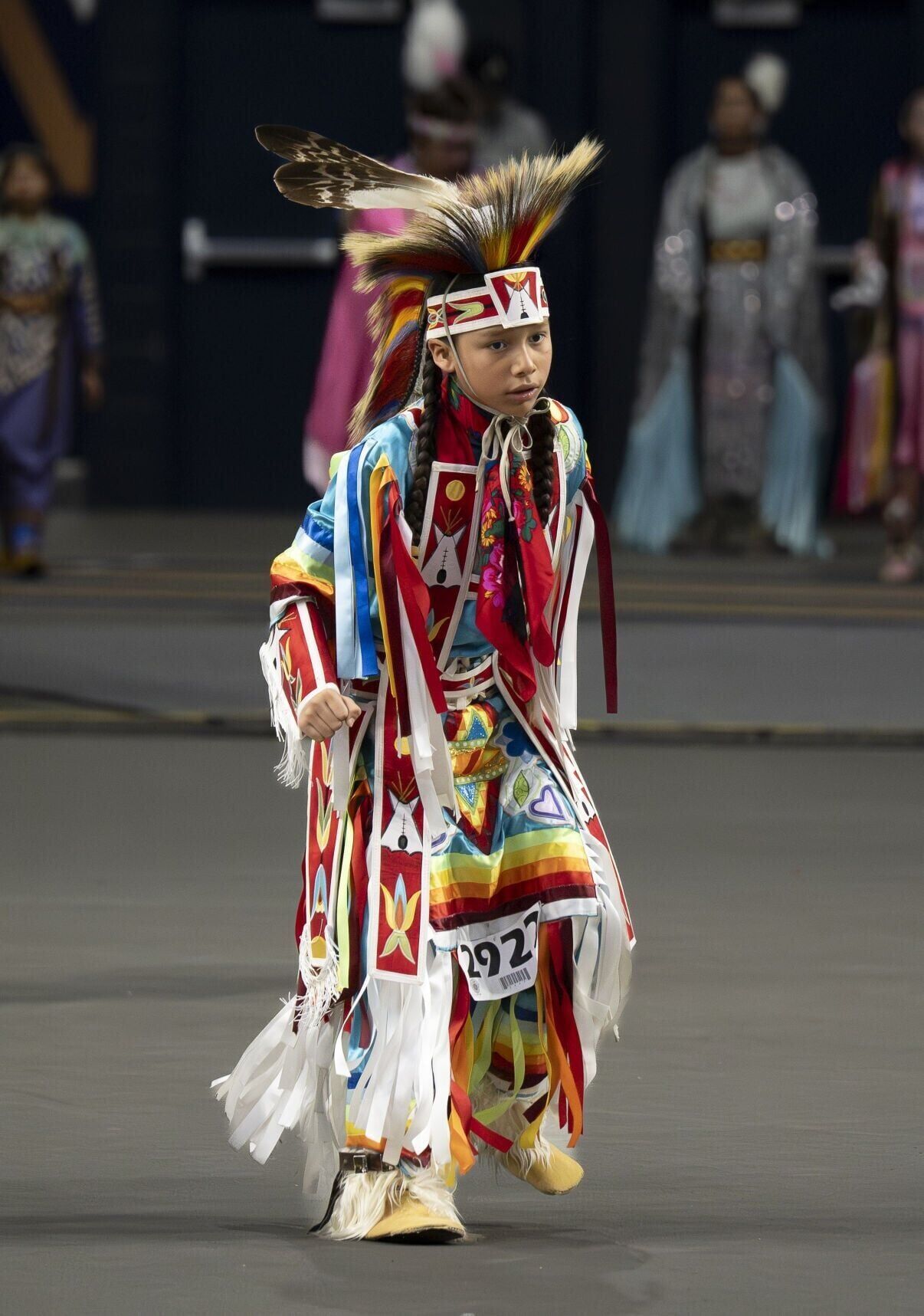
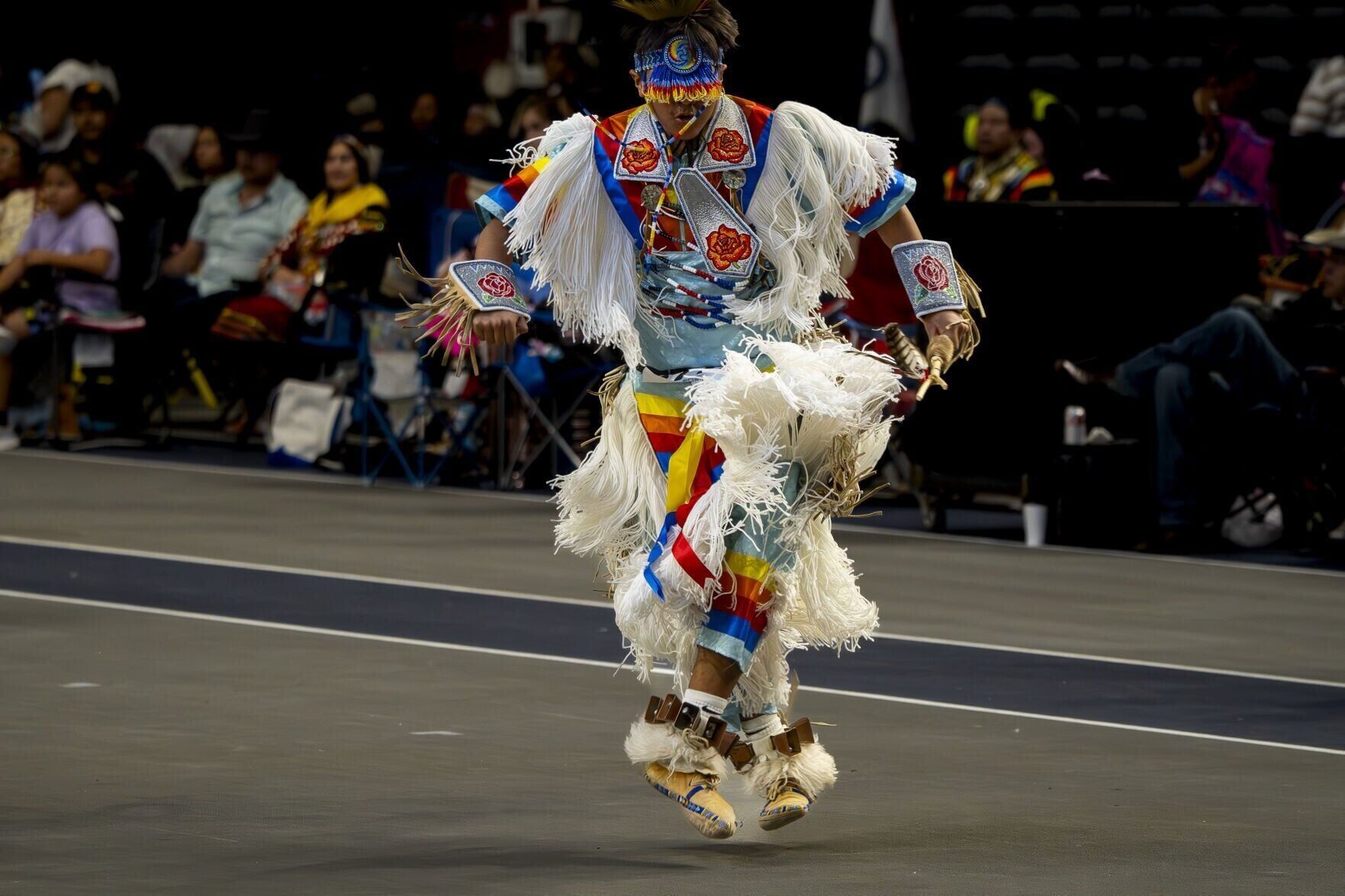
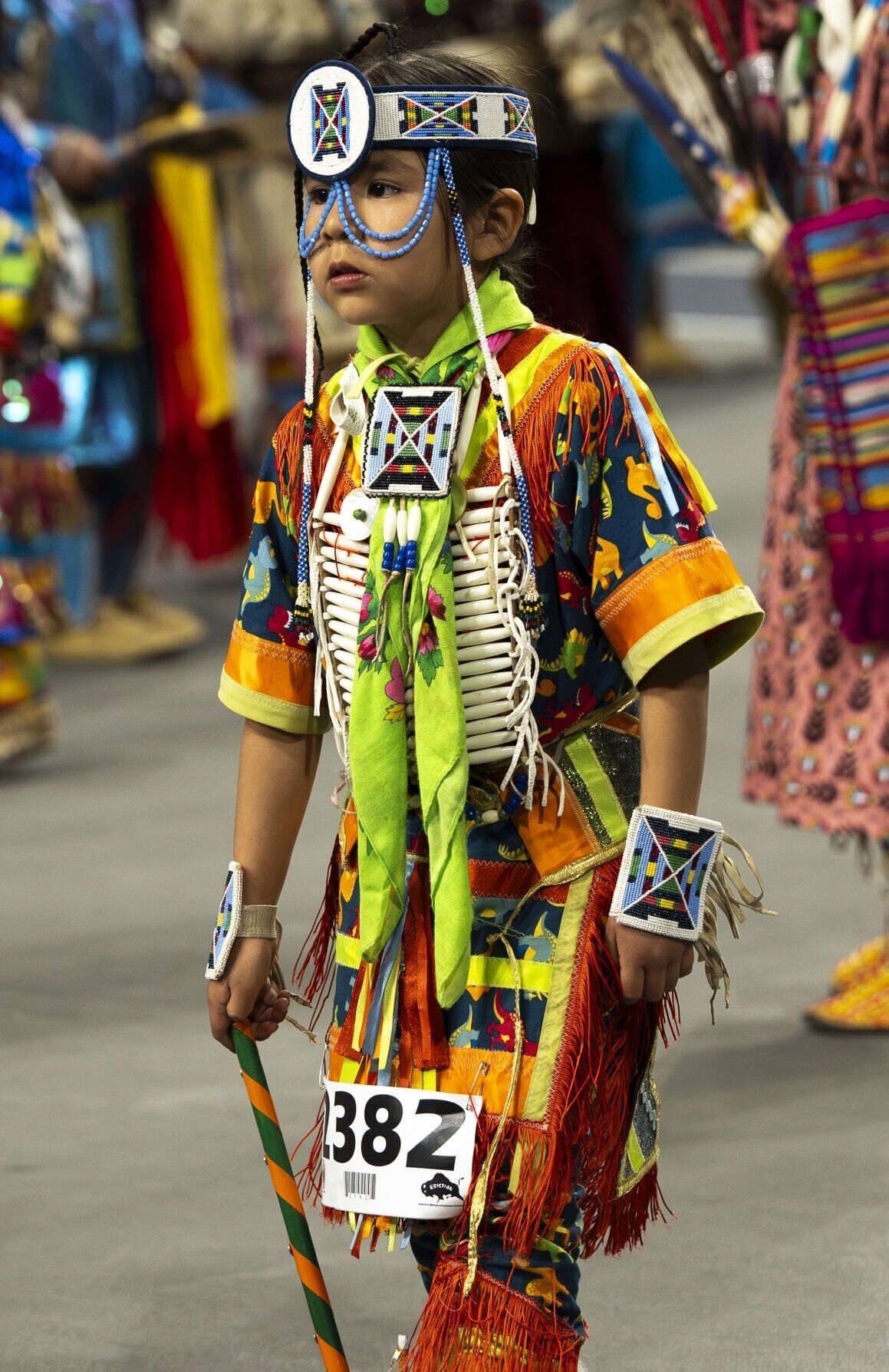
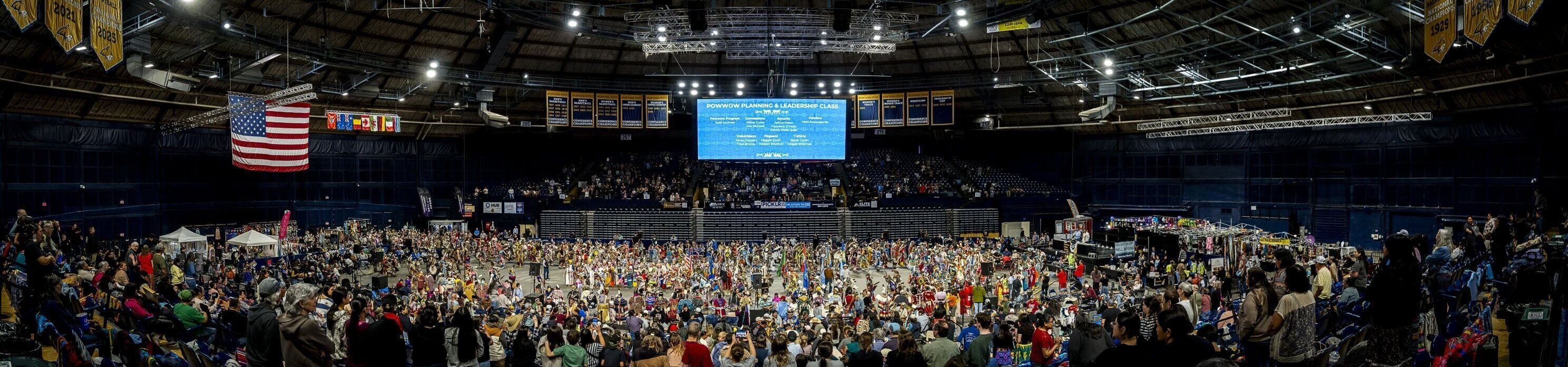
Thousands of dancers, drummers, and spectators gathered at the Brick Breeden Fieldhouse this past weekend to mark the 50th anniversary of the Montana State University American Indian Council Powwow.
The anniversary event, one of the largest student-led gatherings in the region, concluded Saturday following two days of competitive dancing and cultural celebration.
For Meredith Hecker, head of the Native American Studies department, the success of the powwow is owed to the hard work and planning of the American Indian Council.
“They wanted it to be a big banner year,” Hecker said. “They really wanted this powwow to rival some of the larger powwows that are around the area.”
Hecker has been attending the MSU powwow since childhood, when her older sister was a college student. She remembers the value of education being engrained in her by her mother from an early age. Now an educator herself, she said it was especially moving to give the remarks honoring the Indigenous students set to graduate from MSU this year.
“To be here in this space and time to see our students being so successful, our Indigenous students finishing their bachelor's, doing their master’s, and then also planning to go on to their Ph.D.,” Hecker said. “I think it’s a real special time right now.”
This era of academic achievement stands in sharp contrast to the landscape of 50 years ago. When the first dancers took the floor at MSU’s first powwow, Indigenous religious and cultural practices were still restricted under federal policies. It wasn’t until the passage of the American Indian Religious Freedom Act of 1978 that such gatherings were fully protected by law.
“Our culture is being celebrated and we don't have to hide,” Hecker said. “It’s extraordinary to see how far we have come.”
While the powwow marked a celebratory moment, the historical trauma still shadows today’s Indigenous population. For vendor Susanne Stewart, the powwow served as an opportunity to platform her work combating the crisis of missing and murdered Indigenous women.
“As a Crow elder, I always had people coming to me for help,” Stewart said. “I had to do something for our women and our girls going missing.”
In Montana, Indigenous people comprise around 6% of the population, but 25% of the state’s missing persons cases and victims of homicide. It’s a crisis Stewart has felt personally. In 2019, her niece Kaysera Stops Pretty Places went missing and was later found dead in Hardin, just off the border of the Crow Reservation.
Stewart said she doesn’t feel confident that the investigation determining no foul play in her niece’s death was thorough, and she channeled her grief into action. She founded nonprofit Fierce Women Warriors, and started selling buffalo tallow moisturizer — a skincare recipe passed down from her grandmother — to fund self-defense workshops for Native women and girls.
“It’s important to be proactive,” Stewart said.
The gathering, which American Indian Council Vice President Michaiah Pease said typically draws 10,000 attendees over its two-day run, carries a duality of joy and sorrow.
For Hecker, that weight is also tied to the land itself, which holds a legacy older than colonialism.
“This area was a common ground for a lot of tribes to come and intermingle and do trade,” Hecker said. “To see them all coming back to the same place, and echo some of the past in this event, I think it's truly special.”

Comments ()