
A cold Montana night, a complex system: Man dies after years spent searching for a home
There have been at least 144 Missoula community members who have died while living homeless since the beginning of 2020, according to lists compiled by the Poverello Center homeless shelter. There were many more before that.
And on a cold night late last fall, a 79-year-old man named Lorrie Eisenbarth was added to that somber register after a long but unsuccessful journey to try to find housing.
He died sleeping outdoors on a sidewalk in downtown Missoula on Nov. 22, on a night when the temperature dropped to 5 degrees below freezing. There has been no cause of death listed yet on his death certificate.
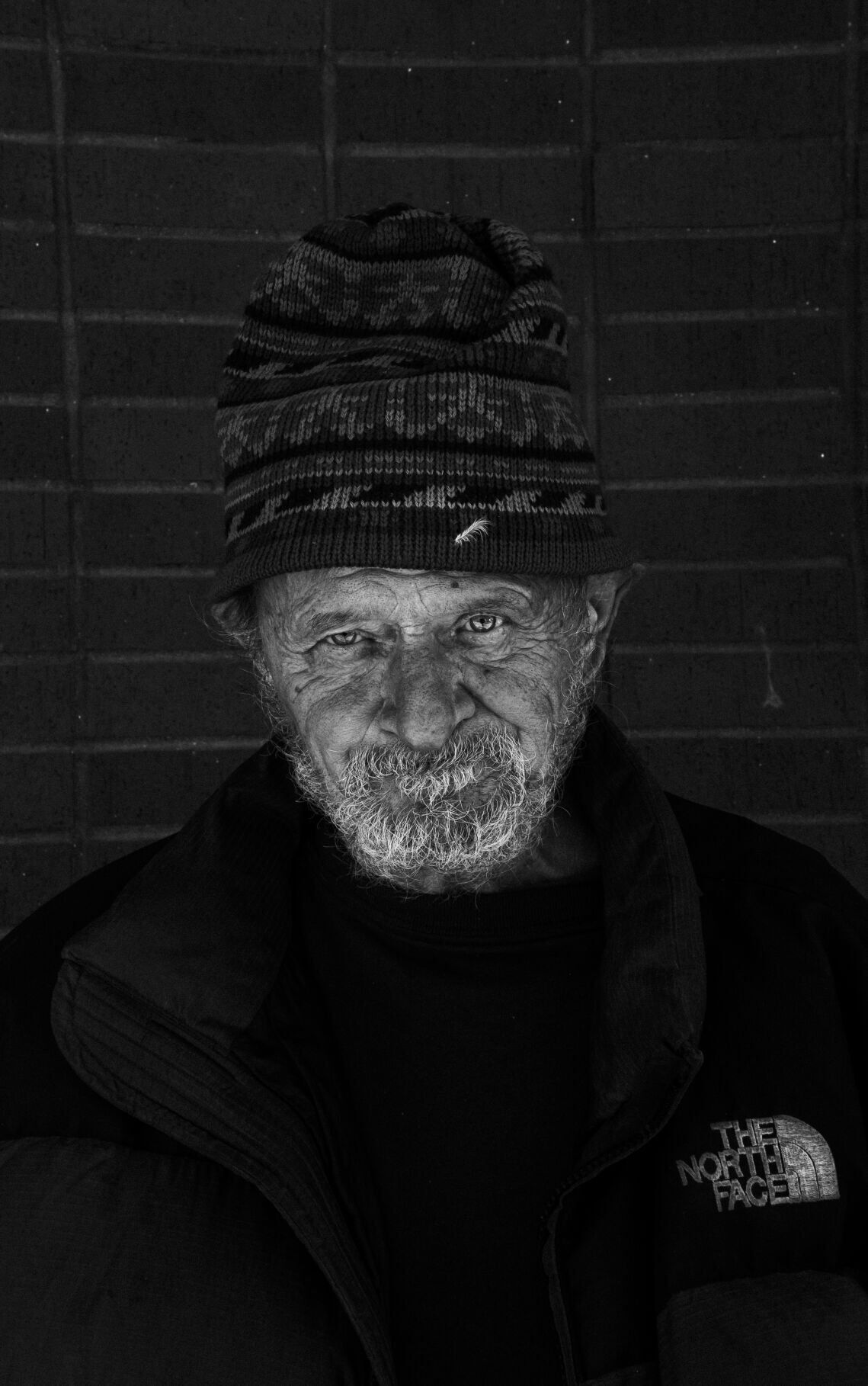
For two of the people who knew him best, who had tried to get him into housing, he was way more than just a name added to a list. He was a “foodie,” who liked all kinds of cuisine but had a soft spot for McDonald’s. He had bright blue eyes, reminiscent of Frank Sinatra, and he liked to wear blue clothing that brought out and matched that color. He talked often about his past career. He was generous, sometimes handing out $20 bills to people. He was known for being easy-going, a little forgetful and he liked routine.
Eisenbarth was also living with dementia and other health conditions, and was considered “chronically homeless,” meaning he slept in shelters or outdoors for many years.
Katie Leahy and Sophie Shrom, both staff members at the nonprofit Poverello Center homeless shelter in Missoula, worked closely with Eisenbarth for a long time. They were both devastated when they found out their friend had died.
"It was like shock, disbelief and tears, immediately to your face, right?" Leahy recalled. "Like, all three emotions. Wait ... is this real?"
She’s the lead for the Pov's Homeless Outreach (HOT) Team, and Shrom, a housing navigator with the team, had been working with Eisenbarth to try to find him a stable place to live for a long time. There had been a few spots that became available, but it was a complicated situation, and those places didn't work out. His medical and mental health conditions eventually made it impossible for him to stay at the Pov, which is a congregate shelter.
So, when they found out via an email that Eisenbarth died on a sidewalk where he often slept, it was frustrating and sad for both of them.
"He had been found at like 6 in the morning, and it was cold," Leahy said. "And we don't know what the cause of death is, but it very well could be from exposure. I mean, he was 79 years old. But yeah, it was really hard. It's really hard, especially when you work with someone for so many years. We really wanted to see him succeed. We really wanted to close that loop."
Shrom said there are many other service providers in Missoula, along with the Pov staff, who are doing the hard work of caring for the most vulnerable community members like Eisenbarth.
She noted that he had decent retirement/Social Security funds, so she wishes there were more options for people in his category.
"It feels like it shouldn't be that difficult for somebody who worked their whole life, has an income, you know, and is fairly independent," she said. "You know, he didn't need direct, hands-on care. It is frustrating to think about his case and to think about all the nuances to it, like it shouldn't have been so difficult."
The Poverello Center staff, including the Homeless Outreach Team, get to know almost everyone who’s living unsheltered in the community, often very closely, as they work with them to connect them to services and listen to their stories and their concerns.
And they often deal with severe grief and sadness when they pass.
The story of Lorrie Eisenbarth is the story of how complicated it is for some people to find housing.
It's also the story of how case workers, service providers, and homeless shelter staff members develop years-long relationships with their clients, getting to know all of their quirks while they try to help them navigate all the difficulties of getting them a roof overhead.
Network of help
Shrom said she first met Eisenbarth doing outreach work for the Poverello Center.
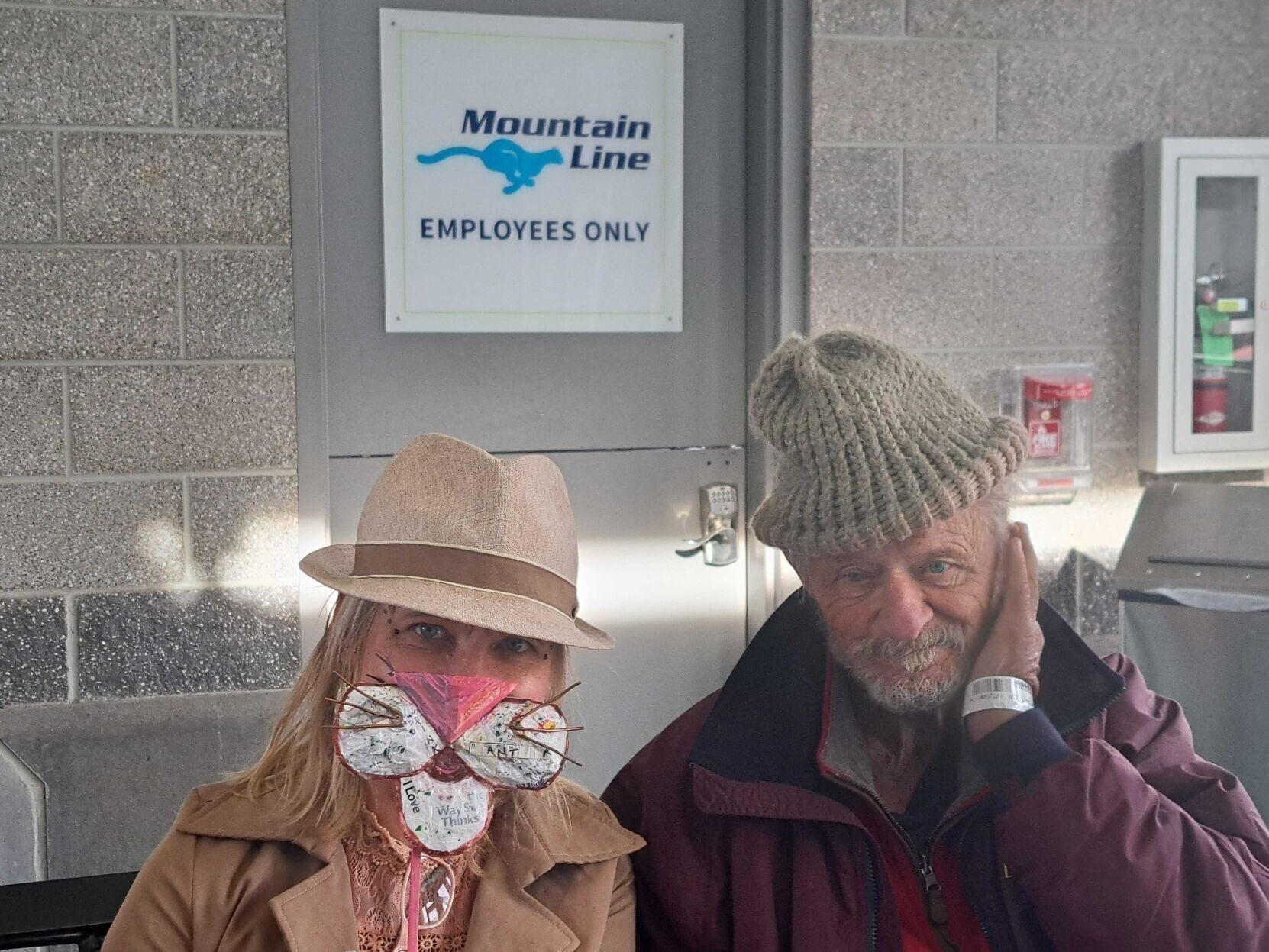
"We would just see him downtown all the time at the (bus) transfer station, and he was just really content and happy and pleasant to be around," she said. "So he usually had people around him, because he was pleasant to be around. We tried to persuade him to go to the Poverello because we were worried about him being outside and we didn't know where he was going."
Eventually, he agreed.
"And then he started just being regular here," Shrom said. "Myself and a few other people on the team, throughout for a couple years, have done housing navigation with him on and off."
Leahy said Eisenbarth never really asked for anything, and also said he was easygoing.
"You know, he was just kind of a laid-back guy, and didn't want to concern other people with his issues," she said.
He had a network of people that he could rely on for necessities.
"A lot of people really gravitated toward him," Shrom said. "People felt inclined to take care of him. A lot of people brought him food. That was something that we saw. But there was even more of that going on that we didn't see, that I didn't realize until I talked to other people. People who were like 'yeah I made sure that guy got here every night' or 'I helped him get to his bed every night.' It seemed like he was doing a lot more things independently, but it was people quietly helping each other in the background, like different residents helping each other."
Shrom was working as a housing navigator for Eisenbarth.
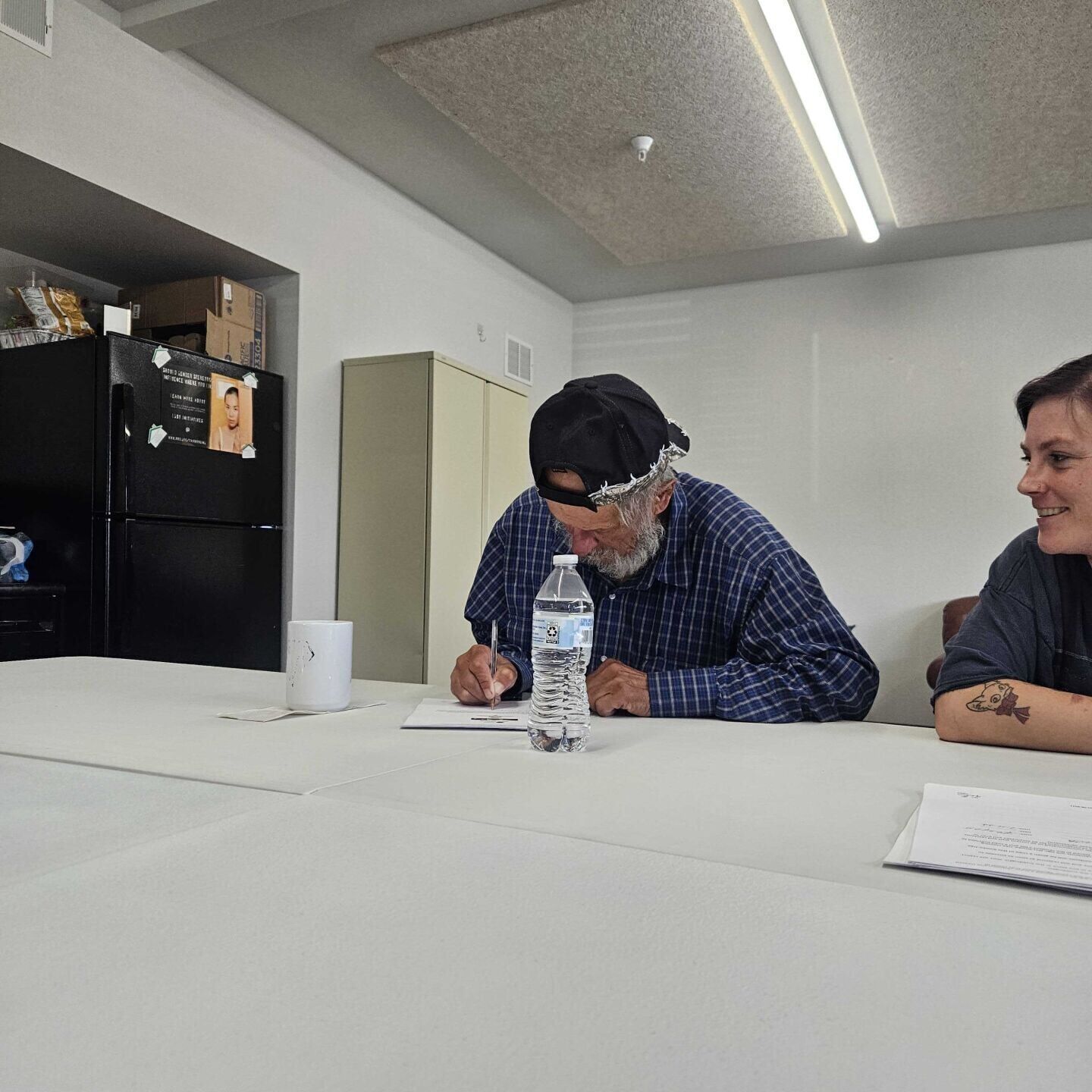
"For housing navigation on the Homeless Outreach Team, we work closely with the Missoula Housing Authority and their voucher programs because we work with high-risk clients that are usually eligible for those programs," she said. "Lorrie was a really unique case because he made a little bit too much money to qualify for certain services but did not make enough to pay privately for any kind of assisted living or higher level of care."
Because of his chronic homelessness, he qualified for permanent supportive housing vouchers with the Missoula Housing Authority.
Leahy and Shrom tried to find places that were a good fit.
They showed him one unit at The Palace Apartments downtown, but Eisenbarth found the maze-like interior too confusing for his mental state. Another place called the Maple Street Flats was also problematic, because he would get lost and knock on other people's doors.
"He had a really hard time adjusting from going to the Poverello, a congregate shelter, to an apartment home," Shrom said. "It felt like if he had a routine of this new apartment, and had some supports in place ...”
She trailed off, then continued.
“We were working with Missoula Aging Services to get more in-home services,” she continued. “But he had to be in the home before we could implement that."
"So things weren't timing right," Leahy added.
But, he seemed to be doing OK as long as he got basic necessities and had people checking on him.
"He just loved food so much," she said, laughing. "I'm not gonna lie, I used it to get him to go to some appointments a few times."
Limited time, resources
There simply aren't enough resources, such as funding and other help from the federal and state government, to fully assist everyone in Missoula with mental health problems who doesn't have a permanent place to live. So, it often falls on the HOT Team to try to focus their limited capacity on helping the few individuals that need it the most.
"The HOT Team looks a lot different from some of the other, say, shops in town," Leahy said. "We used to be a team of five. We're currently a team of three. We're such a small team, and we have such a large client base. Our main focus is keeping people alive, right? So sack lunches, water, warm things."
That means there isn't a lot of extra time to do housing navigation with what she called the "chronic of the chronic" homeless community members.
"We work with the hardest folks, the folks that can't come into shelter most of the time, have been homeless the longest, are closest to passing, almost," Leahy said. "These are the hardest, so we have to keep that client base very, very small. It's like three to five people a year that we can actually have time to spend with. A lot of our clients, it takes two to three years."
Shrom said they have to be creative because they don't know what types of things will work for different people, especially those that have been unhoused for so long.
Eisenbarth was first entered into the Missoula Coordinated Entry System (a service that centralizes and streamlines housing resources, prioritizing the most vulnerable) in 2017. He stayed at the Sleepy Inn during the pandemic, when the city used that as a non-congregate shelter for people. He had a case manager at that time, and had one from the State Public Defender's Office when he passed away.
"He's been through this before with other providers," Shrom explained. "I think that we got to know him better than most people have, because we did work with him closely every day for so many years. So we kind of got a feeling of what his likes were, because he was definitely hard to communicate with, and we definitely understood him the more we got to know him."
She said the HOT Team works hard to earn and maintain trust with their clients, which means having consistency and showing up.
Missoula made big progress on helping people into housing in late 2023, when a permanent supportive housing complex called Blue Heron Place opened, and 33 formerly homeless community members were able to get their own apartments. But it filled up quickly, and there are still many people living on the streets. The Johnson Street Emergency Shelter, which could house 180 people, closed last year after federal funding was not renewed. Rent and housing prices in Missoula have risen drastically in the last decade, far outpacing wages.
Shrom said that "scattered site Section 8 housing vouchers," which allow people to have their rent subsidized while renting from a private landlord, don’t always work well with certain clients.
"You're using (the voucher) at more conventional property management places that require a credit check, and just barriers that are way too high for a lot of the people I'm working with," she said. "It's a lot slower."
Another thing particular to Eisenbarth was that he loved being downtown, and so he was focused on trying to find a place there. He simply liked being around the action and talking to people, so that’s where he wanted to live.
In the end, that was where he passed away.
Shrom said she found out Eisenbarth had passed away by getting an email from another service provider, who told her they had gotten a voicemail with the news.
"And they were thinking of us because they knew we had worked with him so much," Shrom said.
"But no details," Leahy said.
They were both in denial at first, because they didn't want to believe it. Then, they found out that the voicemail had been left by a relative.
Shrom said Eisenbarth wasn't allowed at the shelter at that point, because of his medical and mental condition.
"So every day we would try to bring him new gear," she recalled. "And this happened the Saturday before Thanksgiving, you know, a day when we're not working. But yeah, it was just every day trying to make sure he had what he needed to get through the night."
After he passed, they "did some sleuthing" to try to piece together more of his life. They found out he grew up on a dairy farm in North Dakota but moved to Missoula for high school.
Leahy said all members of the HOT Team and many other people were affected by Eisenbarth.
They're all supporting each other through the grieving process, just as they do anytime a friend, family member or client passes away.
One thing they take solace in was remembering little things about their friend.
"He had crazy blue eyes," Shrom said.
"Crazy blue eyes," Leahy repeated. "Frank Sinatra eyeballs. He knew he was cute with those things too."
"He was always wearing blue," Shrom added. "He was wearing blue more times than not. Blue flannel, a blue beanie. He knew."



Comments ()