
'A great tool': Teller Wildlife Refuge hosts no-till drill workshop
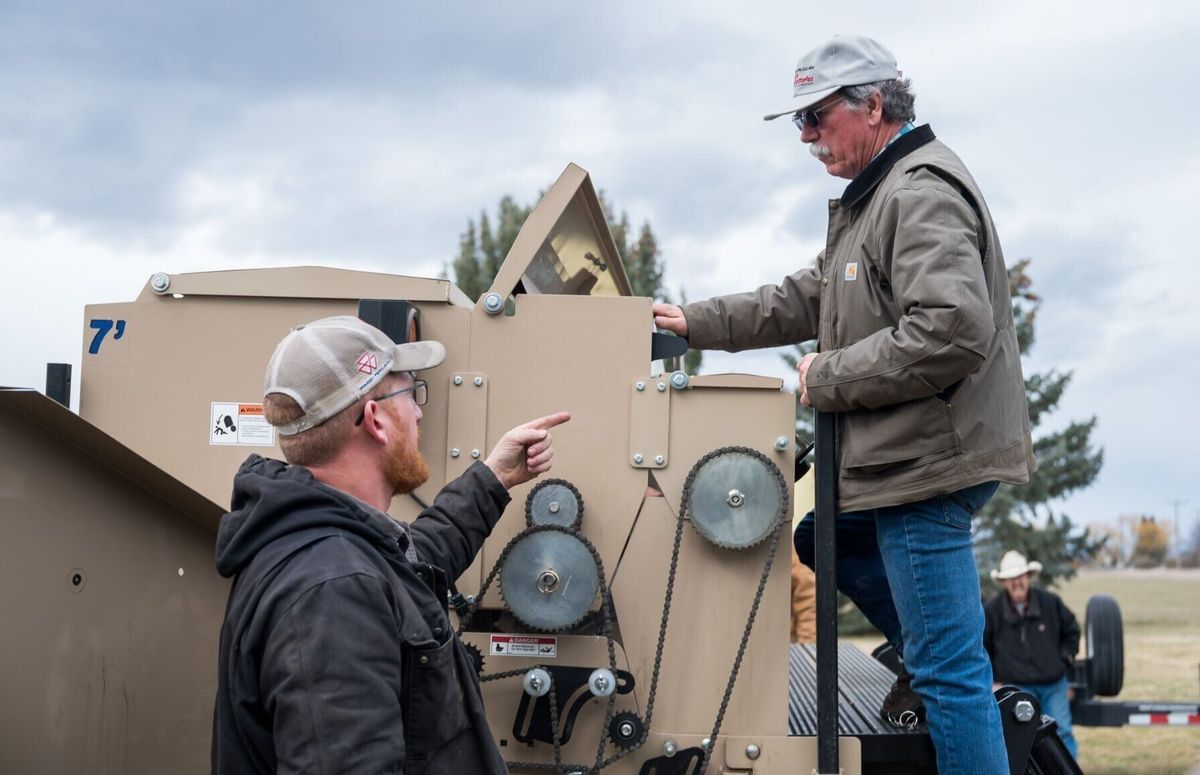
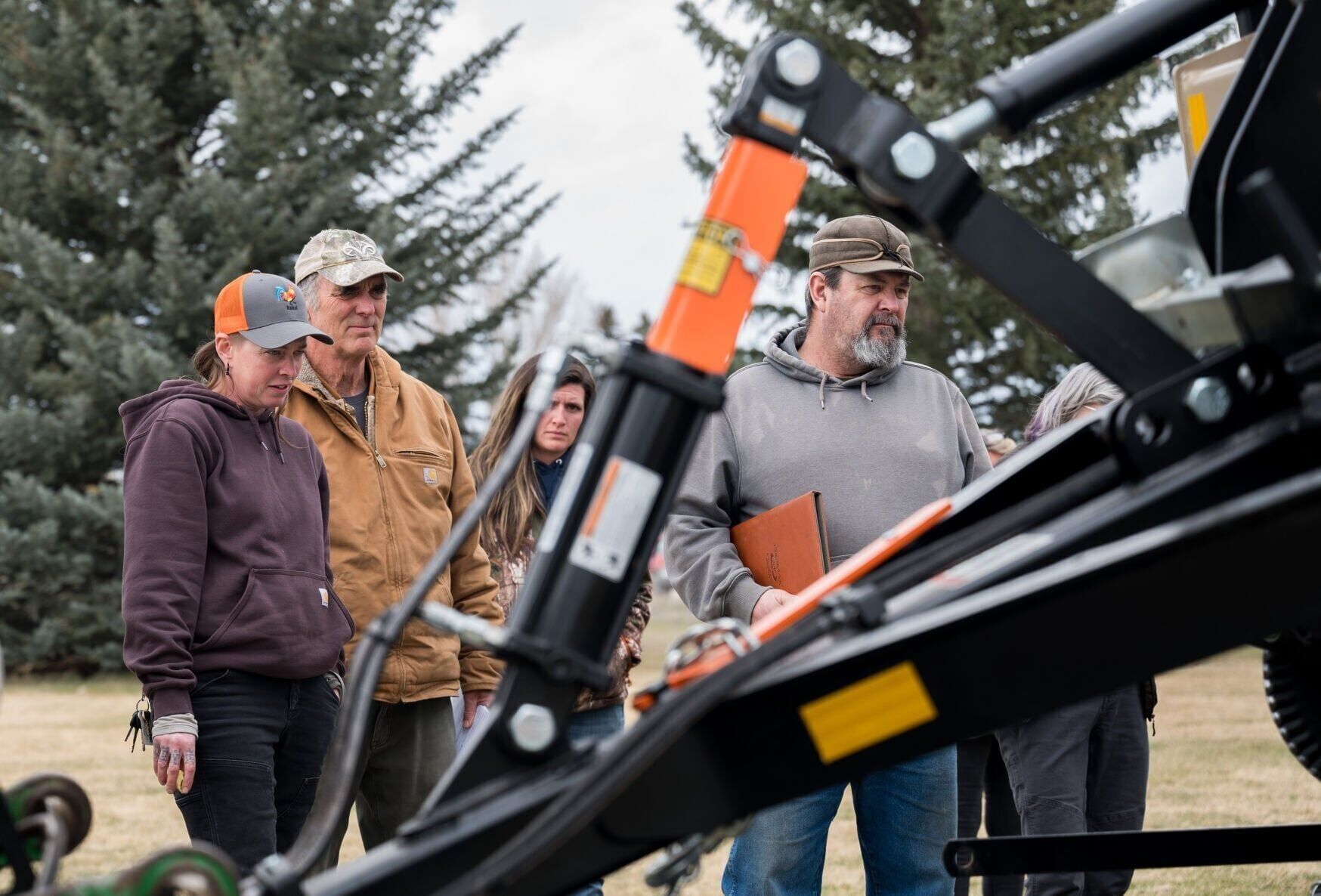
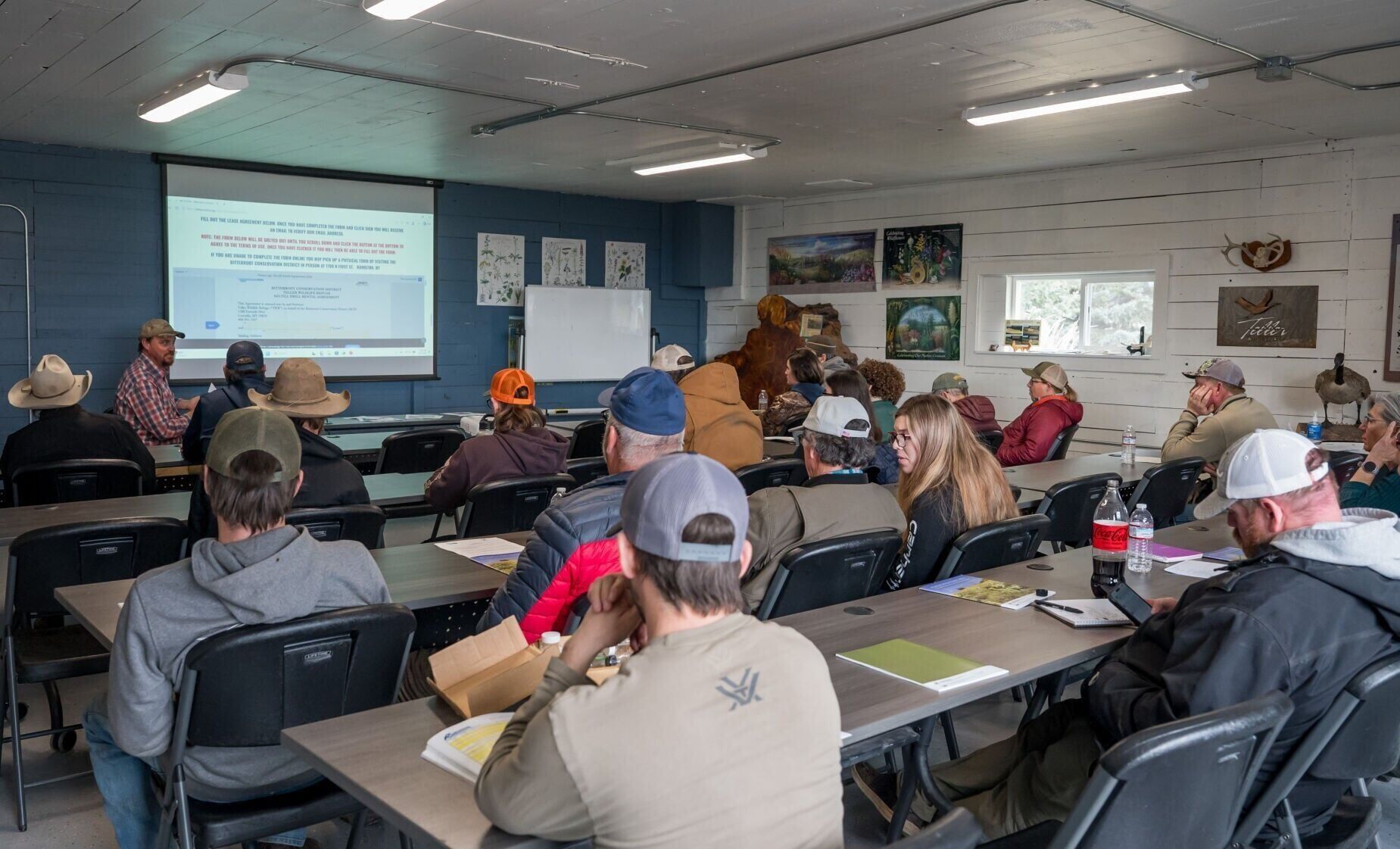
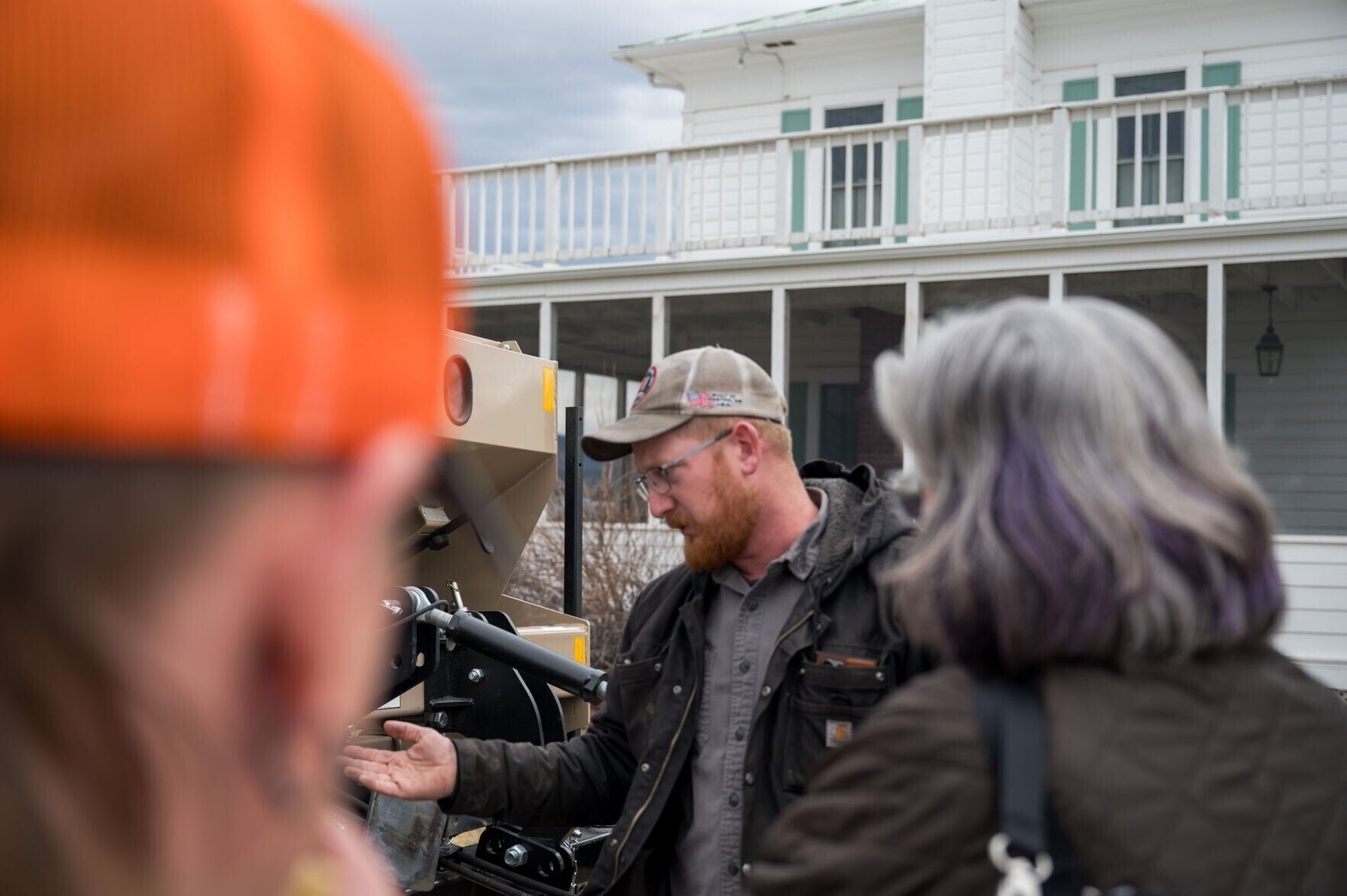
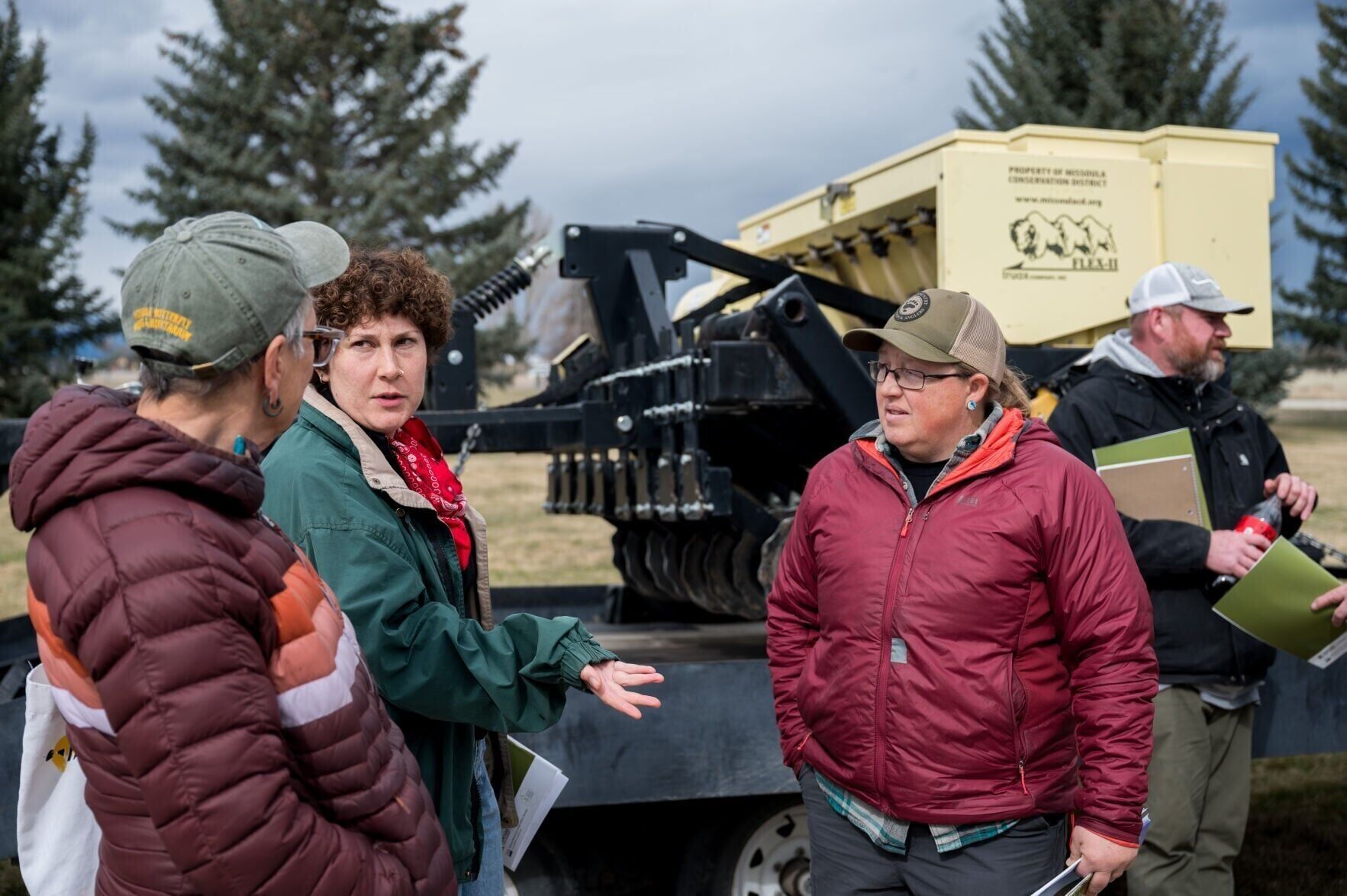
Teller Wildlife Refuge partnered with the Bitterroot Conservation District to hold a no-till drill workshop for community members on Tuesday, March 17 in Corvallis. Around 50 people attended the event to learn more about the no-till drill and its benefits.
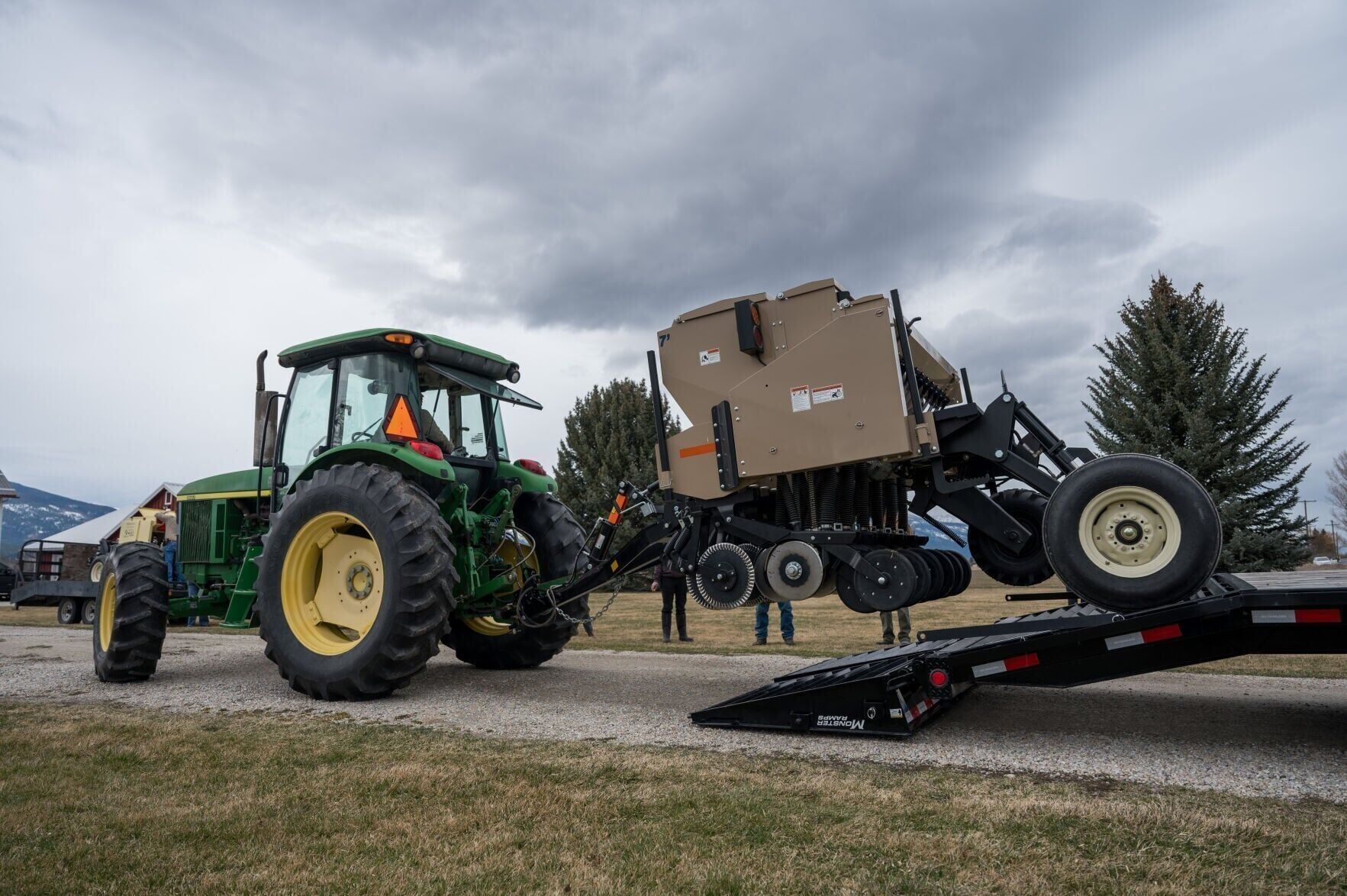
A no-till drill is an agricultural machine used for seeding. The no-till drill is a seven-foot six-inch wide Remlinger 2300 and is great for smaller properties according to the refuge. Farmers can plant seeds without disturbing the soil because the machine creates small furrows, a narrow trench in the soil, where a seed gets deposited. The Bitterroot Conservation District owns the no-till drill and houses it at Teller Wildlife Refuge where it can be rented for seeding projects.
Landowner Laura Krum has a 19-acre farm and said they are looking to drill seed their hayfield, and she is interested in doing weed mitigation without using a bunch of pesticides or other chemicals.
“We don’t use a lot of poison and stuff on our fields so we’re wanting to do some seeding to see if we can remedy that situation,” Krum said.
Krum said seeding with different beneficial grasses will help to choke out some of the weeds and provide diversity. They sell their hay and want to have plants in the field that are safe for horses and donkeys to eat. She said they have all kinds of weeds growing like thistles and knapweed among others.
“We have it all and we hand pull a ten-acre field cause we’re crazy,” she said.
Krum said she enjoyed hearing all the speakers at the workshop and learned enough that they can now dial in on what they plan to do. The talk by Dr. Jane Mangold PhD, invasive plant specialist for Montana State University, was one of her favorites.
Mangold gave a presentation on steps for revegetating weed and invasive plant infested pastures. Even with basic steps in place, Mangold said each project will be unique and slightly different so each landowner will need to fine tune their plan based on what their management objectives are.
Some of the steps involved are:
- Assessing the land and looking at soil, temperature and precipitation
- Set up goals and objectives for seeding
- Controlling weeds
- Plan seeding
- Monitoring progress
Mangold said it's important to have a plan for long-term management in place once you have completed the other steps.
“You're protecting your investment you've just made with your seeding project,” she said.
Mangold is happy to see a no-till drill available to local agricultural producers in the Bitterroot Valley because the machines are not easy to come by, and it’s not something everyone can afford when they don’t need to use it every year.
“I'm really excited for the county to have access to something like this to help meet agricultural production goals,” Mangold said. “Also, if you're if you're thinking about improving wildlife habitat on your property, maybe trying to restore weed infested pastures, this is a great tool to have.”
Teller Wildlife Refuge Executive Director Dan Bailey said the workshop attendance far exceeded their expectations and it shows how much interest there is in using no-till drills.
“The Bitterroot Conservation District spared no expense on this drill, this is as nice a piece of equipment as you can get,” Bailey said. “And to have this available for people in the valley is really special. I mean, it's something that should be used and utilized, and that's what we're here for.”
Bitterroot Conservation District board member Paul Rosenberg said they received many requests from people to get a no-till drill and after finding out people from the Bitterroot Valley were going to the Missoula Conservation District to use theirs, the Bitterroot Conservation District felt it would be good to invest in one for the community.
“We'll probably have to run another one or two of these things to get the real interest up,” Rosenberg said. “Word gets out pretty quick around here just by word of mouth.”
For more information or to rent the drill, go to bitterrootcd.org.



Comments ()