
A ribbiting exhibit: Museum of the Rockies showcases frogs from around the globe
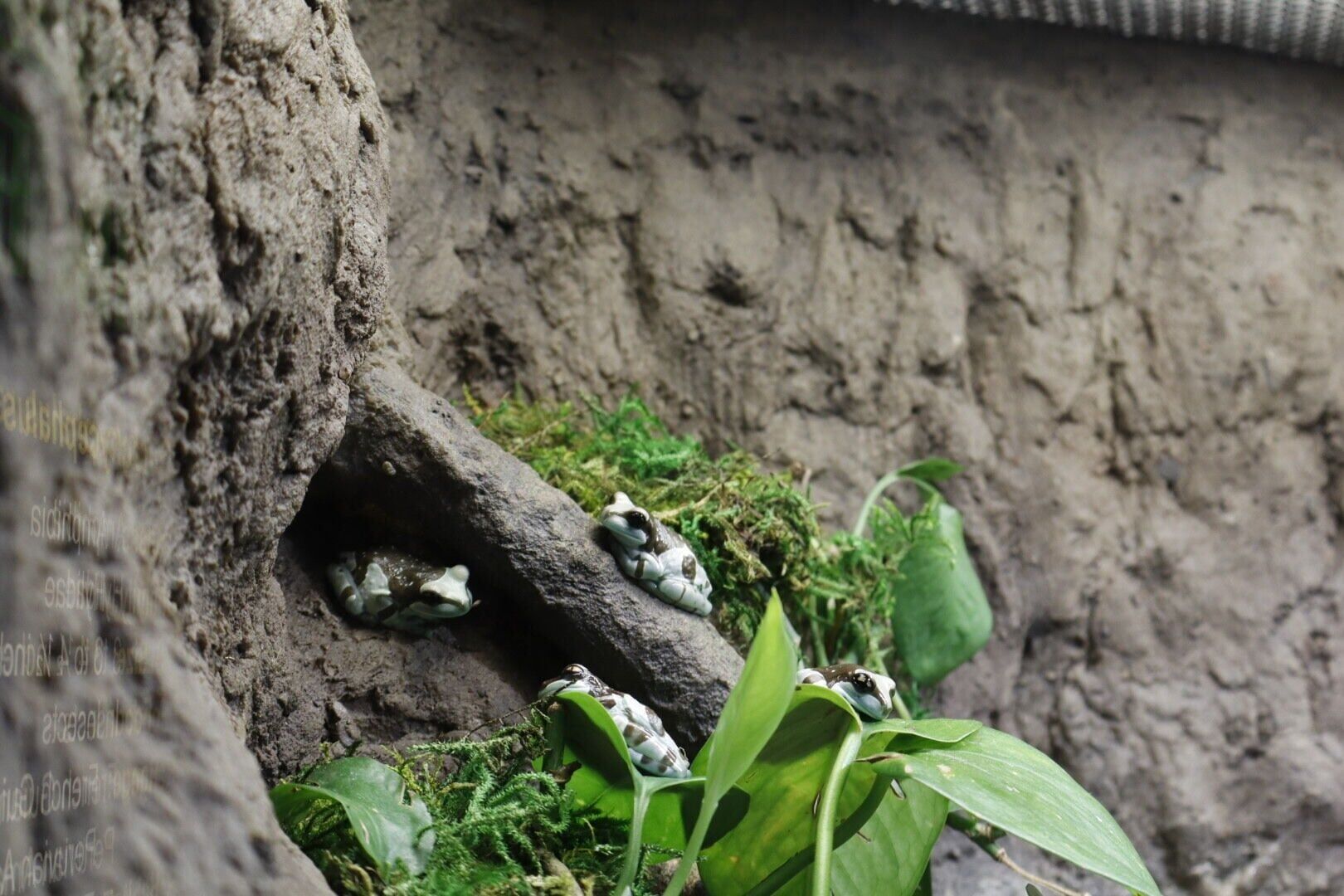
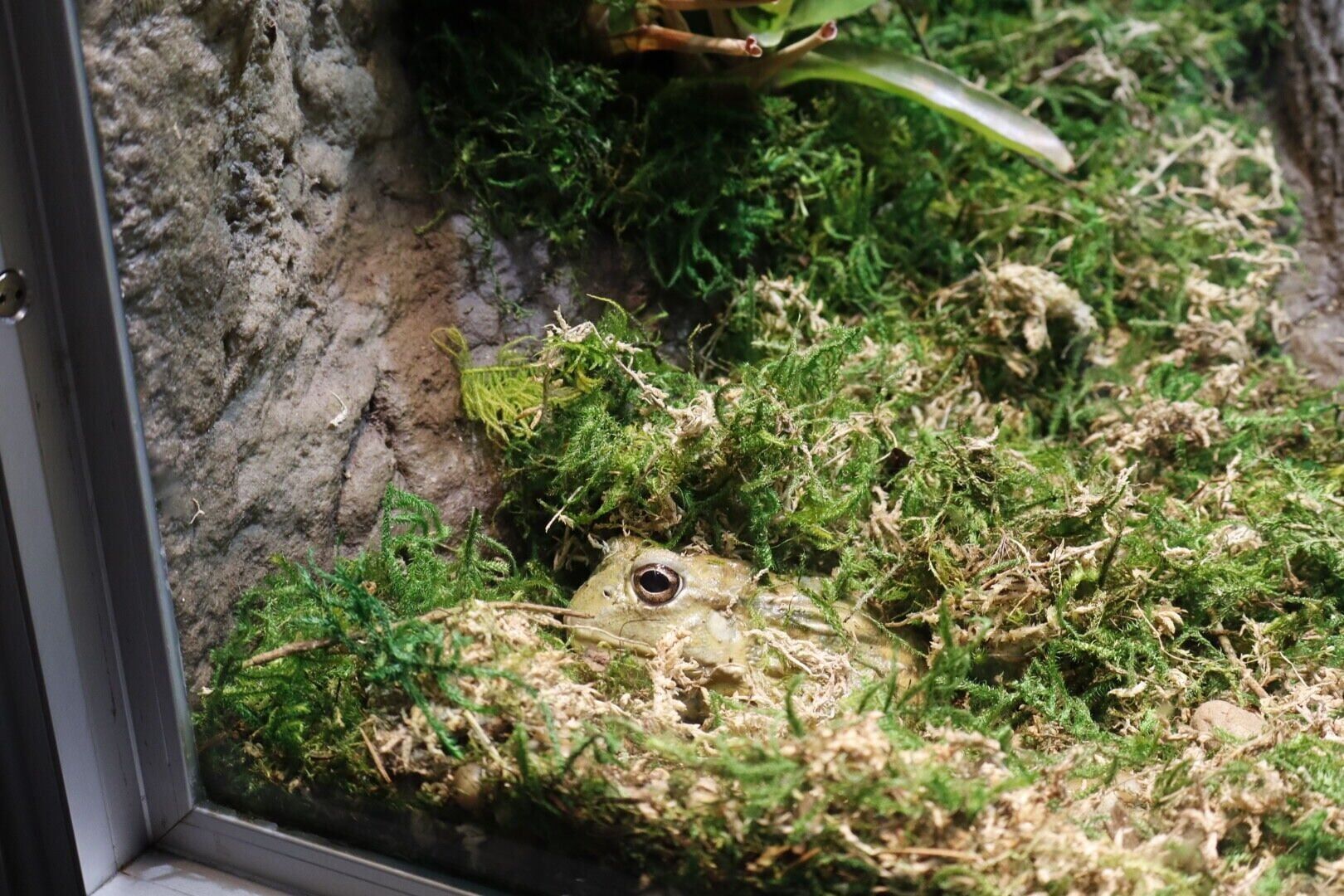
The Museum of the Rockies’ traveling exhibit “Frogs — A Chorus of Colors” gives visitors a chance to see 17 different frog species, from the camouflaged Vietnamese mossy frog to the colorful poison dart frog.
“A couple of times I’ve seen parents literally dragging their kids out crying because they didn’t want to leave,” said Scott Williams, senior director of Exhibitions.
Since the exhibit opened, Williams said, “We’ve had great attendance; we haven’t had a Saturday that’s dropped below 1,000 people.”
This exhibit will run through Sept. 7, allow different groups of people to enjoy it. Classes can come during the school year, and tourists from outside of Montana can visit during peak season in July.
Williams is part of the museum’s committee that looks at traveling exhibits and decides which are good for the museum. Every three to four years, the museum likes to have a live-animal exhibit.
They’ve had popular reptile and crocodile exhibits and are looking to bring more reptiles and amphibians in the future.
“It is a way to meet part of our mission, which is to bring the world to Montana and Montana to the world,” Williams said.
Jeremy Turnbow is the keeper for the frogs and came with them from Clyde Peeling’s Reptiland, a specialized reptile and amphibian zoo in Allenwood, Pennsylvania.
This is his first time traveling with the frogs, and he’s in charge of feeding them, cleaning their habitats, and making sure they’re healthy.
Turnbow does impromptu demonstrations with some, such the cane toad or the African bullfrog, allowing visitors to see and learn up close.
Frogs are a delicate species. They respirate through their skin, so they can ingest whatever is on your hands if you pick them up.
They are also sensitive to changes in their environment and are the first to go when it comes to declining habitats; they’re an indicator species. Pollution, higher water temperatures, algae plumes, and other incremental environmental changes that happen because of climate change have a negative effect on frogs.
Many frog species are either threatened or endangered.
The second Global Amphibian Assessment determined that 41% of amphibians are threatened with extinction, and 2,868 species are on the path to extinction. Habitat loss and collectors killing amphibians for trade or food has also dwindled the population.
“If they’re there, then that means the environment is pretty healthy,” Turnbow said.
Turnbow hopes the exhibit will get visitors more interested in conservation.
“Maybe we can live in a world where we share the world with the animals that live in it rather than trying to encroach upon them and push them away,” he said.



Comments ()