
Affordability, AI, public lands: Western Montana congressional democrats debate in Butte
2026 Montana Election
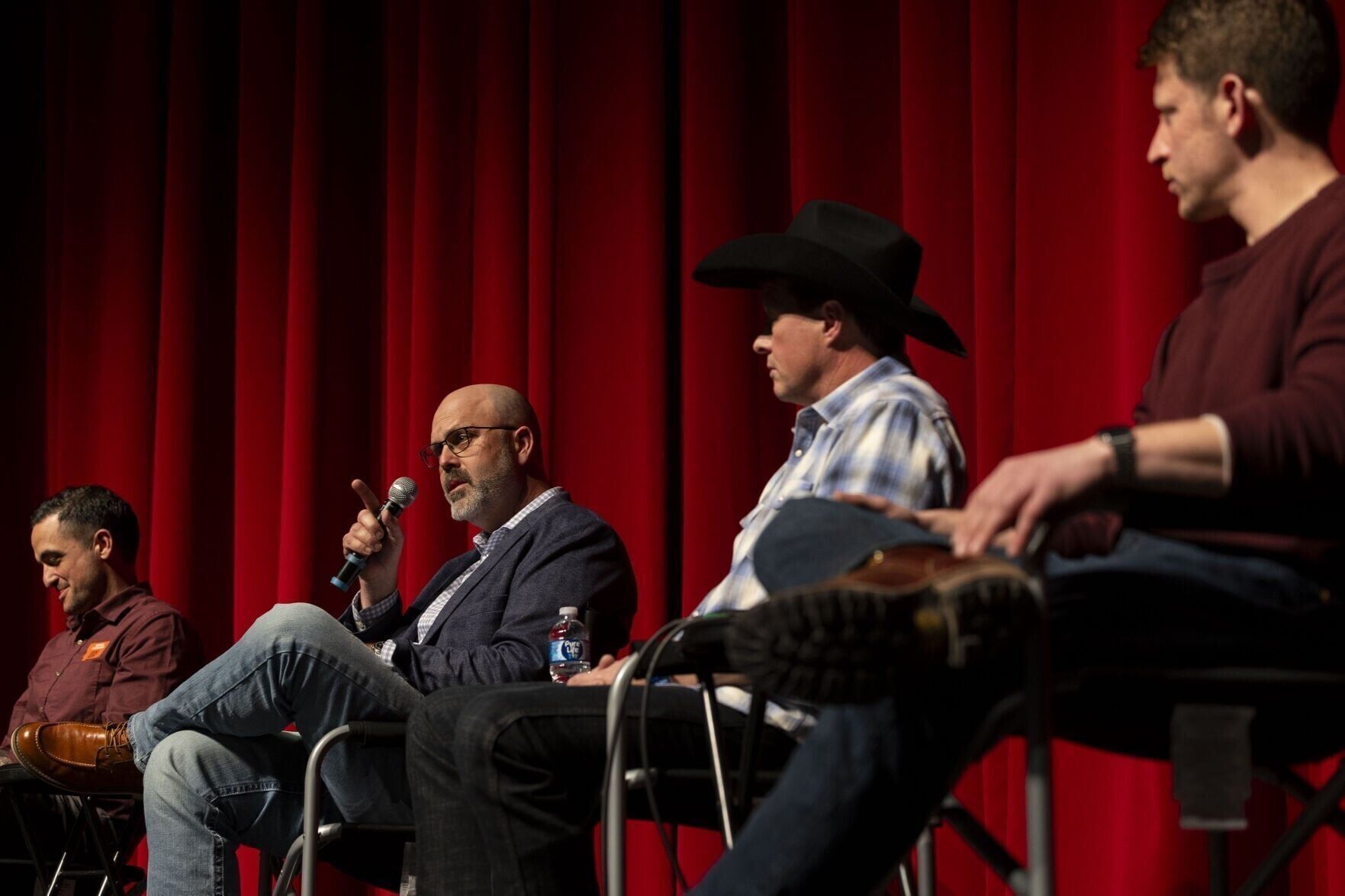
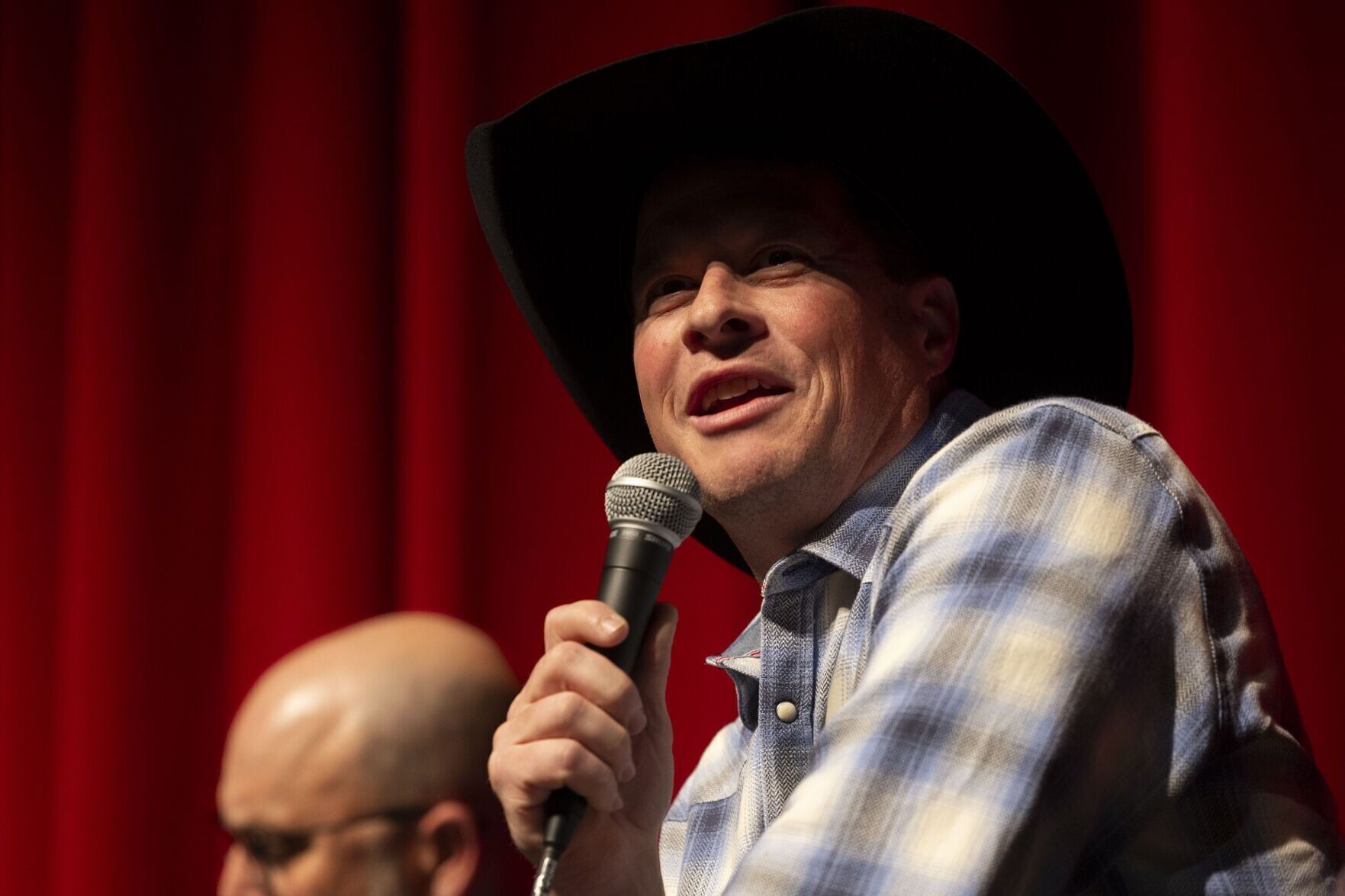
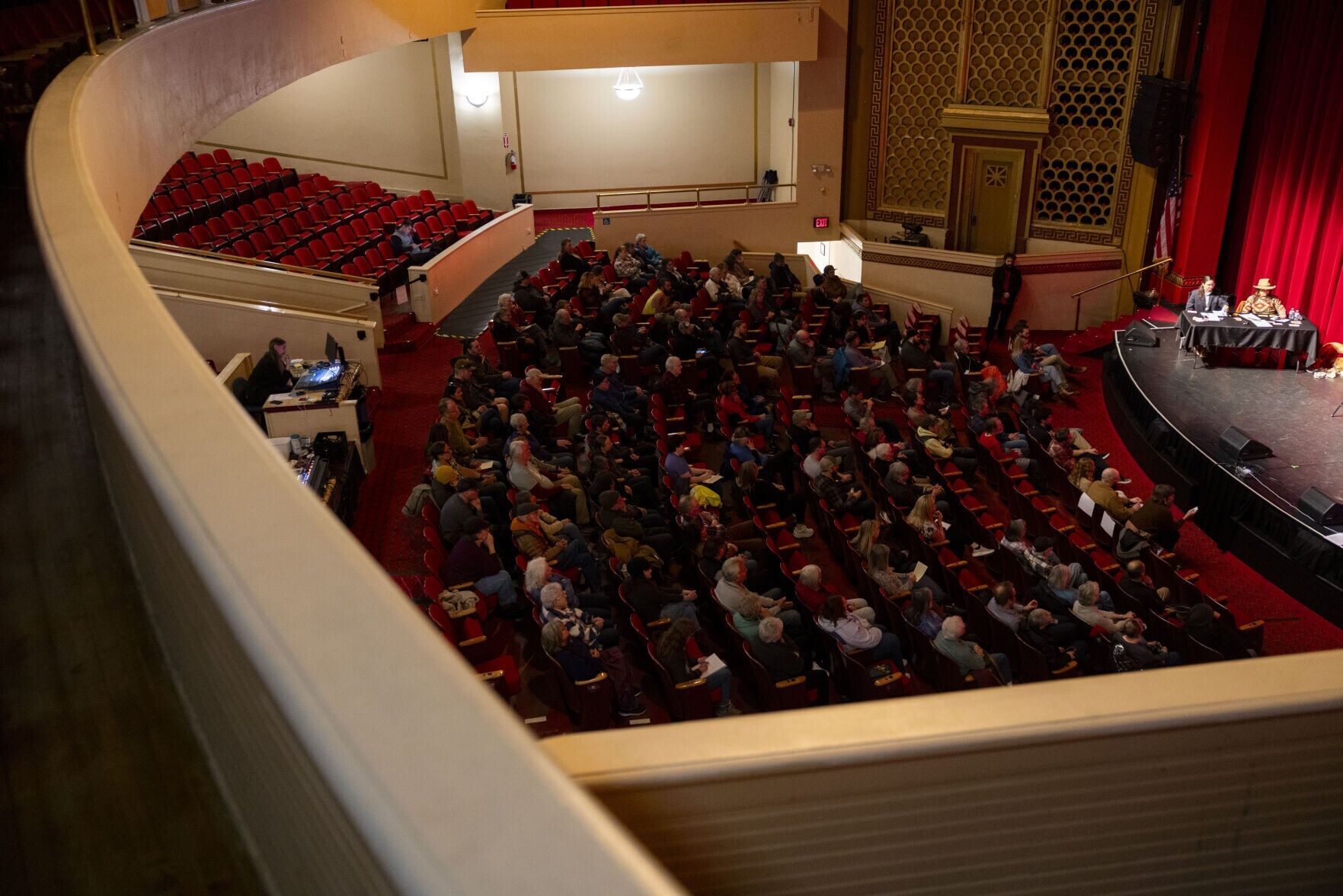
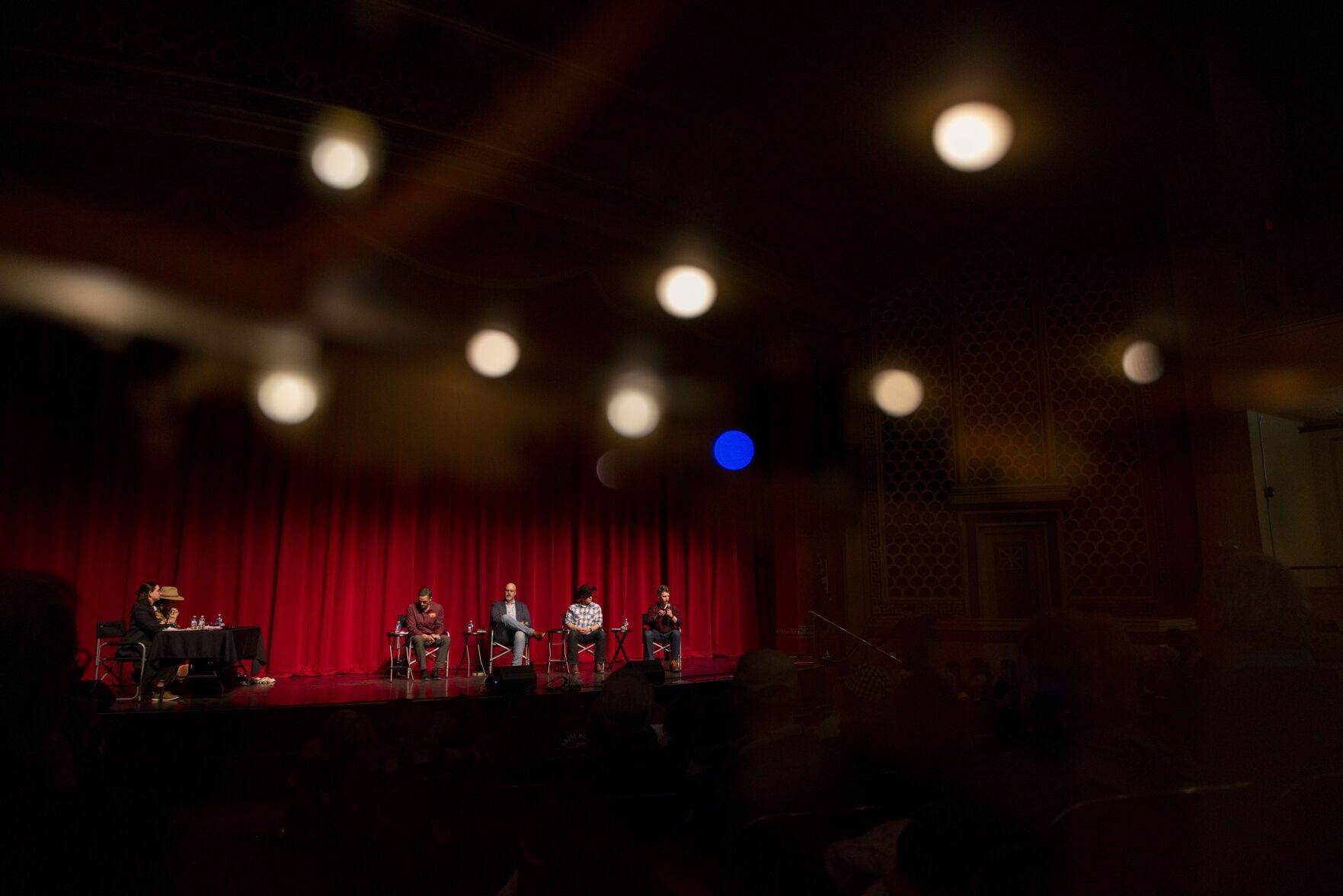
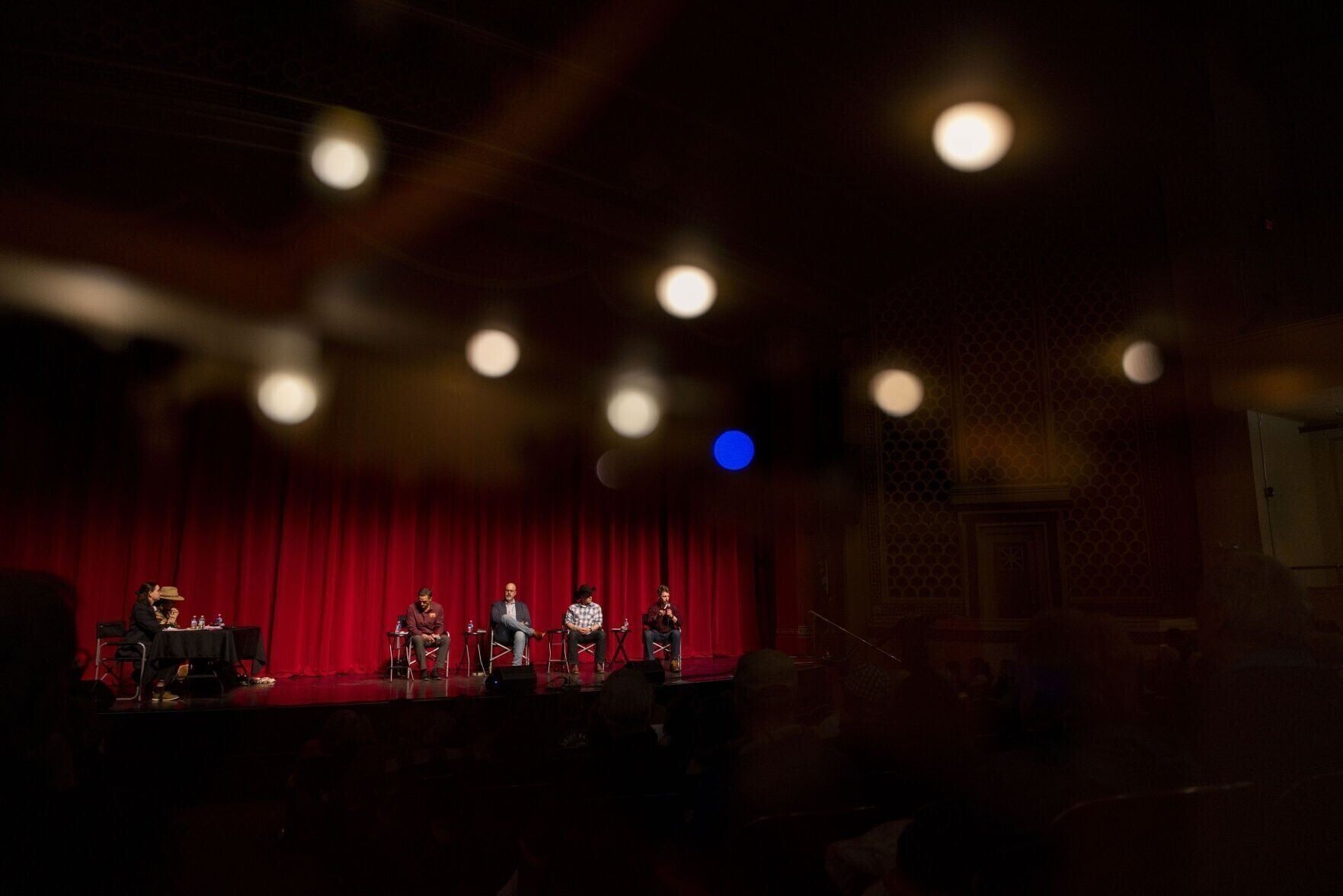
Democratic candidates in Montana's first congressional district took to the debate stage Tuesday night in Butte for what was a cordial affair.
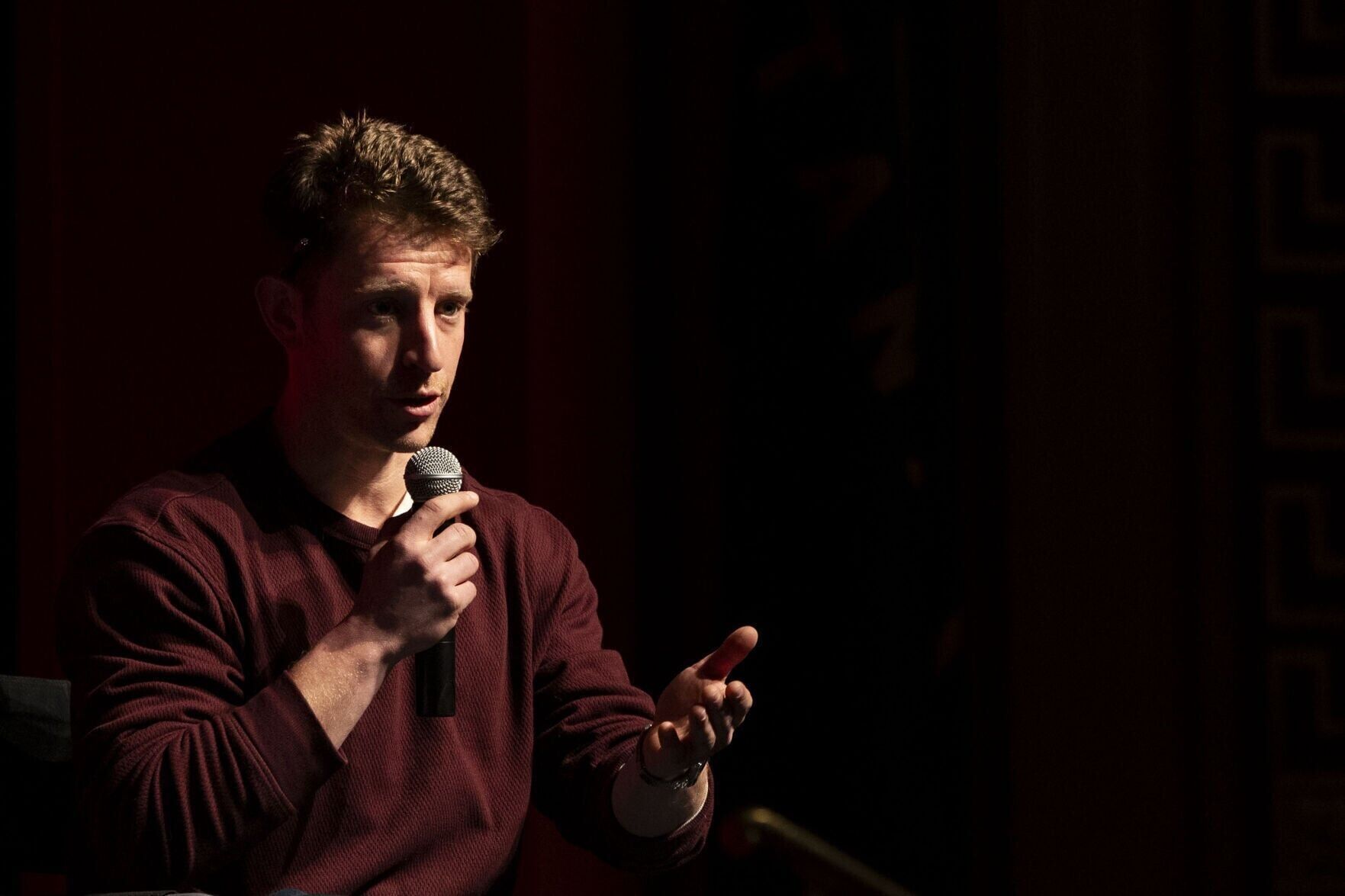
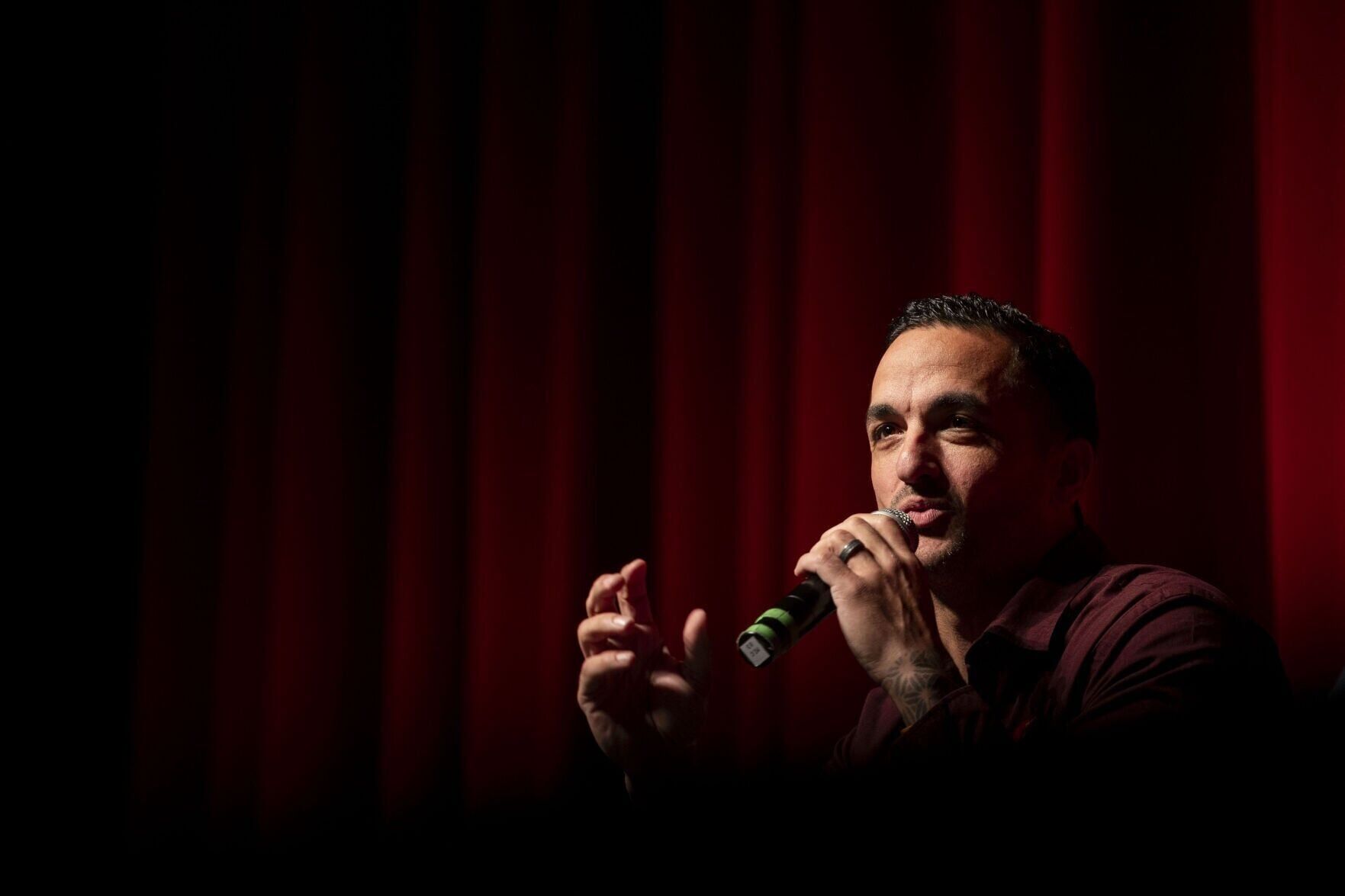
There are four Democrats vying for the nomination to take on the Republican in the general election: Ryan Busse, Russ Cleveland, Sam Forstag and Matt Rains.
This election has heated up in recent weeks after multi-term incumbent U.S. Republican Rep. Ryan Zinke dropped out of the race, opening the seat and, by Democrats' calculus, giving them a larger opening to win. Three formidable Republican candidates have filed to run in his place.
The bulk of the questions came from the audience, one of which asked the candidates to tell the crowd how they were different from each other, something that's been difficult to parse despite the number of candidates.
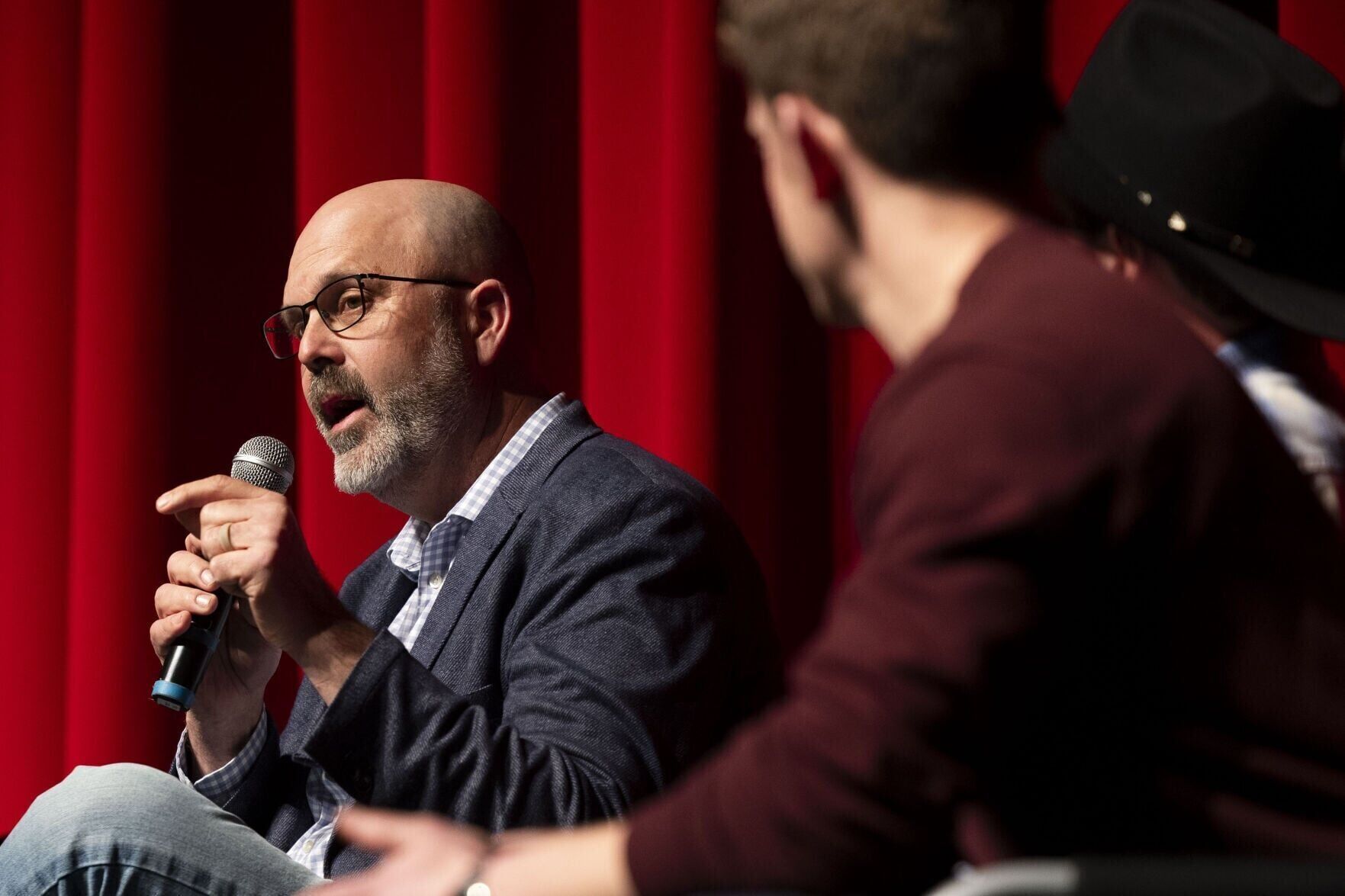
"I mean, we're all great," Rains said. And Busse, Democratic gubernatorial nominee in 2024 and the only bald candidate on the stage, quipped that he has a different barber.
"Look, I've run for office and been vetted," Busse said. The idea that Busse will have the highest name recognition is often repeated in political circles, which will help him in the primary. He said he plans to build on the last election and put it use in this race.
Forstag, a union member and former progressive lobbyist at the state Capitol, said that he was raised by a single mom who picked up extra shifts to provide for him and his sister. That message gets at his brand of providing working class representation in congress, and he said that his upbringing sets him apart because there are few congressmen who worried about their moms working too much while growing up.
Rains said that his diversity of experiences is what makes him different: He worked as a photojournalist, in the energy sector, served in the military and is a rancher.
Cleveland, a military veteran, rancher and small business owner, said that for him it was "lived experience and the ability to fight." He has repeatedly criticized the Democratic establishment, and said that he will be an independent voice.
When talking about healthcare access, Rains brought up the fact that he lives in Simms, which is outside the western district. No other candidate harped on the fact that he doesn't live in the district, and that he can't vote for himself.
It was illustrative of the vibe of the debate; very rarely did they take aim at each other. Instead, they saved that for the Republican who were not in the room. Moderators gave the candidates opportunities for rebuttals, but those were hardly taken up.
The evening before, Forstag took a selfie with the three other contenders and posted it to his Instagram.
"So honored to share the stage the last couple nights with these great candidates! We are going to win MT-01!" he wrote.
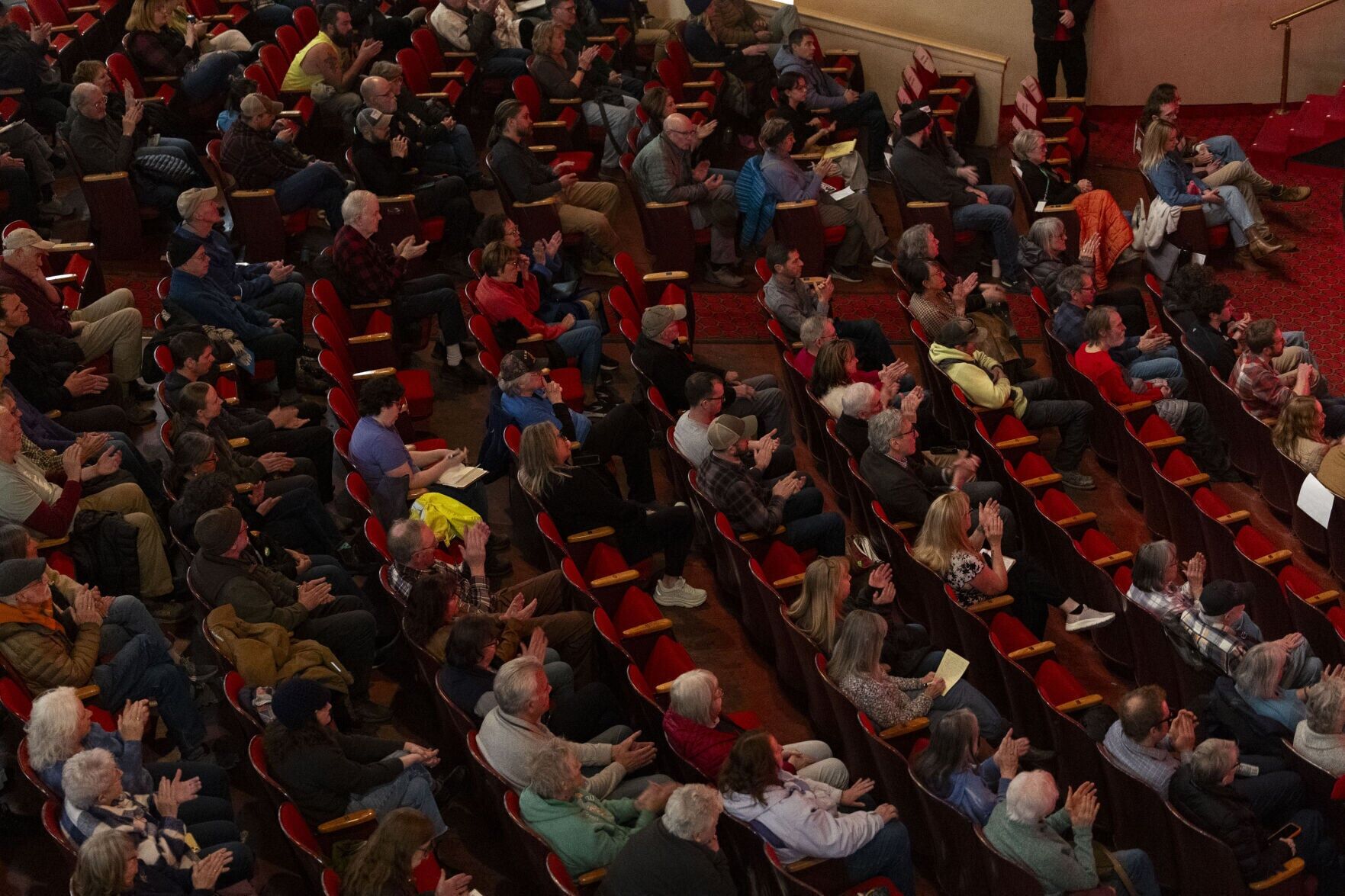
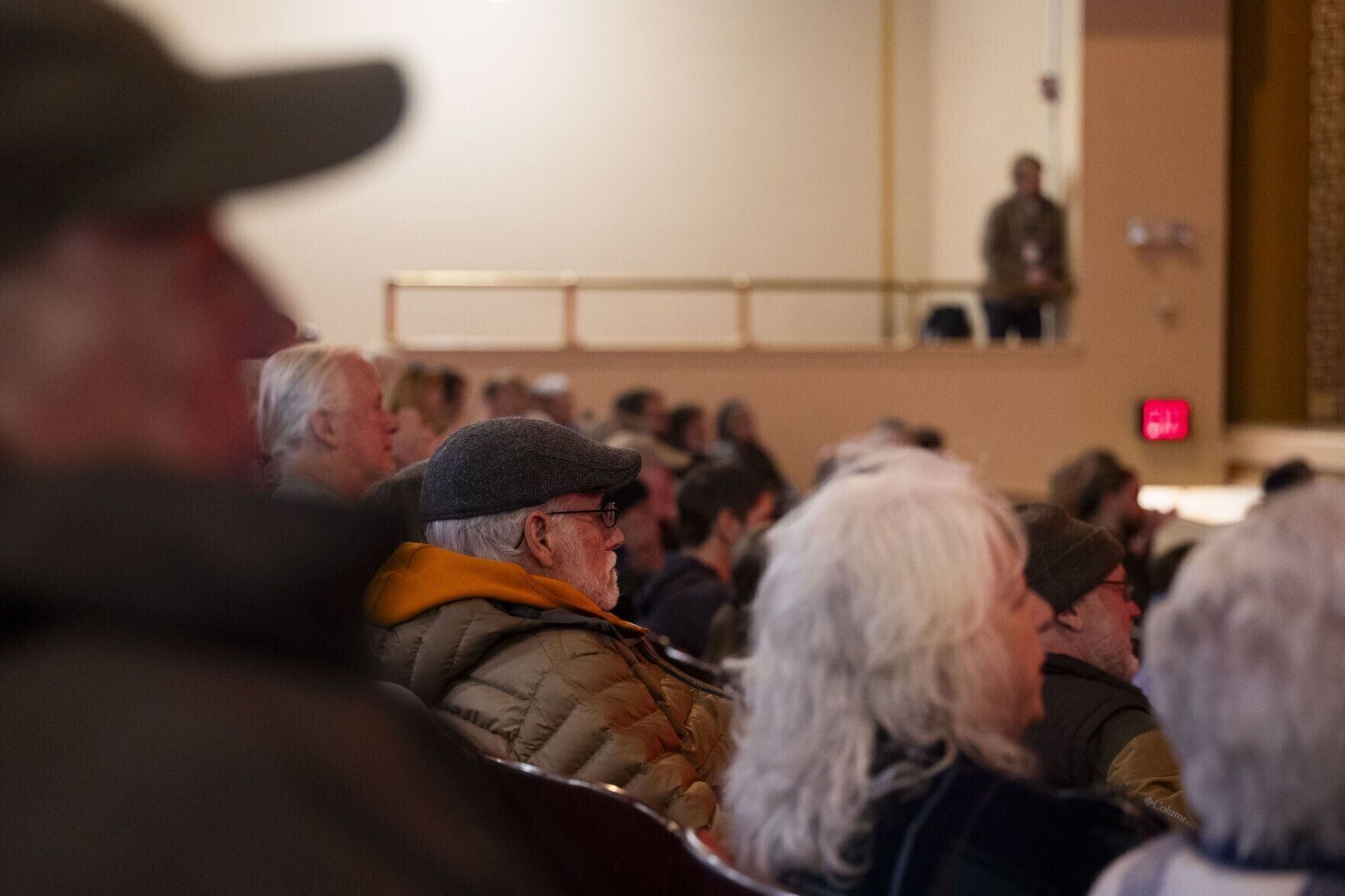
Connie Thompson, a Butte resident who attended the debate Tuesday, told the Montana State News Bureau she still had not made up her mind when exiting the venue. She said she wished she heard more about what they would do to protect LGBTQ Montanans, and in particular to push back against anti-trans attacks.
"I'll gladly vote for any in the general," she said. "I do truly believe they have our best interest at heart."
The moderators also started off the debate with pre-planned questions of their own, here are a few of them:
Should Montana recruit large AI data centers or limit them?
This was the only question that elicited an audible reaction from the crowd. The question of data centers is a contentious one in Butte, a fiercely pro-union town that is also a liberal stronghold. Many union members are optimistic about the prospect of a data center outside Butte because of the jobs it could create, and are encouraging people to keep an open mind, while some Democrats are opposed to the idea. Recently, the largest union federation in the state told the state Democratic party to refrain from exclusively negative messaging on data centers. Needless to say, the candidates had to do a careful dance on this question.
Cleveland started, hitting on the major concerns about data centers: The state must protect against increased energy bills, drawing down water and personal data harvesting.
Forstag echoed many of the talking points that Butte Democrats who are open-minded to data centers often say.
He said that if the companies behind the data centers are "making profits hand over fist, they should have to meet strict requirements before they get to come to a place like Montana."
"They better be using good union labor, because God knows they can afford it," he added.
Rains said that the U.S. needs to be at the leading edge of the technology, which for him means that he supports the development of AI "with guardrails."
"We need to get more [research] before I would support them coming into Montana," he said. "I know the unions really, really want these data centers. I understand it is great jobs, but I want to see the (research) and (development) done. I want to see these companies invest into making sure that they benefit Montana and are not a drain on us in the long run."
Busse was more skeptical of the job opportunities argument.
"Look, let's be honest about what data centers are," he said." A major part of the product of the data centers AI is to put human labor out of work."
He added that when the companies behind the projects say electricity rates won't increase and that the water supply won't be harmed, he would like to see those promises explicitly in law.
What can you do as a member of Congress to address housing affordability?
Forstag said that the federal government should look to the post World War II era when the federal government invested billions of dollars in building thousands of housing units, including a low-income voucher.
Similarly, Rains said the housing supply needs to be increased. Busse harped on the idea that Congress has been approving billions of dollars for other ventures like Immigration and Customs Enforcement.
"Why don't we have more low income housing assistance?" he asked.
Cleveland came at the question from a wage standpoint, saying that he would work to close the C-suite and frontline worker wage gap by implementing a 50-to-1 ratio cap. Like his fellow candidates, he also pushed low-income assistance.
What federal policies would you support or oppose to ensure access to public lands?
Busse said that the nation's approach to public lands are an example of "American exceptionalism," but that the current administration has been "assaulting public lands." He said he would support legislation that legalizes corner crossing.
Cleveland said that he was the only candidate who showed up to a Sheep Creek Mine forum to oppose the project being placed on a fast-track.
"By fast-tracking it … what we are saying is we're looking past the safety provisions in place that are in place to protect our waters, our air, our an, something that we're guaranteed in this state by our state's constitution, so that's part of protecting our public lands," Cleveland said.
Both Cleveland and Forstag said the country needs to adequately fund the federal workforce who steward the public lands, something that has been central to Forstag's campaign as a former wildland firefighter who saw a slew of his coworkers get laid off by the DOGE cuts in early 2025.
Rains similarly said that when the layoffs hit Montana, the Montana Farmers Union — where he formerly worked as the chief of staff — reached out asking if those employees needed jobs. He touted his experience as rancher, saying he understands the issue of corner crossing and that he would be able to connect with other private land owners.
"I'm for [corner crossing]. It's brilliant," he said. "The problem is trespassing, and that's what ranchers have an issue with."
Sonya Blevins, a Butte resident who attended the debate Tuesday and typically votes Democrat, said that public lands policies are key to deciding how she votes. She said the answers to the questions were the "typical Democrat responses," which she agrees with. Once the debate wrapped up, she still had not made up her mind on who to vote for, but noted that there are still months until the June primary election.


Comments ()