
After 11 months, Montana officials break stalemate on bill defining sex as binary
Montana officials last week signed into law a bill defining sex as binary in what would be a routine order of business for the Republican state Legislature and GOP governor’s office, except that lawmakers passed the legislation nearly a year ago.
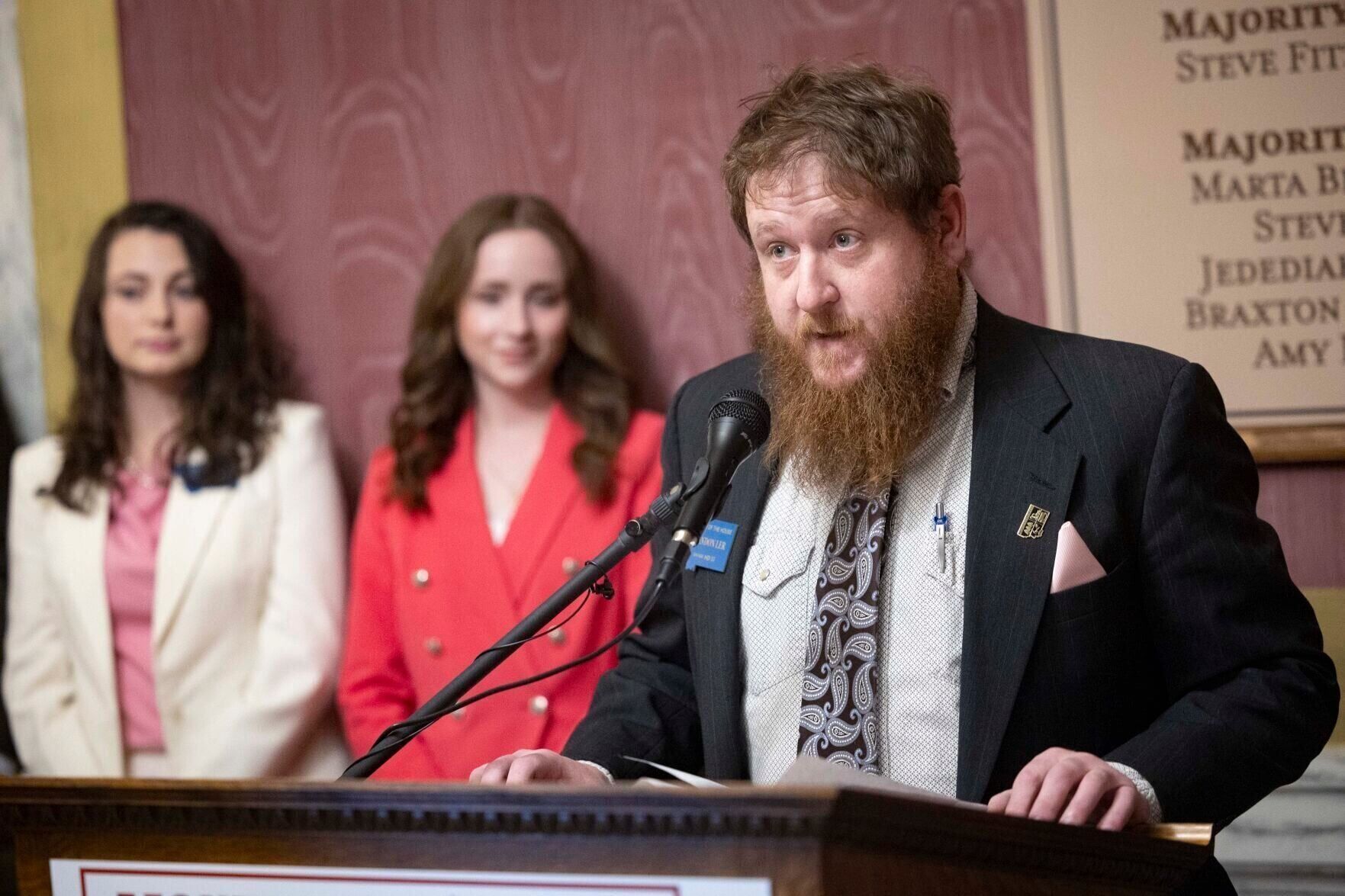
Senate Bill 437 hung in abeyance for 11 months until Speaker of the House Brandon Ler, a Republican from Savage, signed the bill on March 24, which sent it to Gov. Greg Gianforte, who signed it into law the same day.
The prevailing theory was that by holding the bill, it couldn’t get wrapped up in ongoing litigation against a similar measure passed in 2023. That case had largely concluded by the time SB 437 moved through the Legislature, although lawyers challenging the 2023 law asked the judge to pause finalizing attorneys’ fees — the final step in those proceedings — so arguments could be heard on what is effectively the same policy in the new bill.
It appears now that Republican officials have surrendered the stalemate.
"From the beginning, we took a deliberate approach to the timing of SB 437 to ensure it was as well positioned as possible as it moves forward and faces potential legal challenges," Ler said through a spokesperson on Friday. "That process has run its course, and this is the appropriate point for the bill to move forward."
Asked to clarify how the process had run its course if the 2023 lawsuit was still active, the spokesperson said Ler decided to advance SB 437 based on legal feedback.
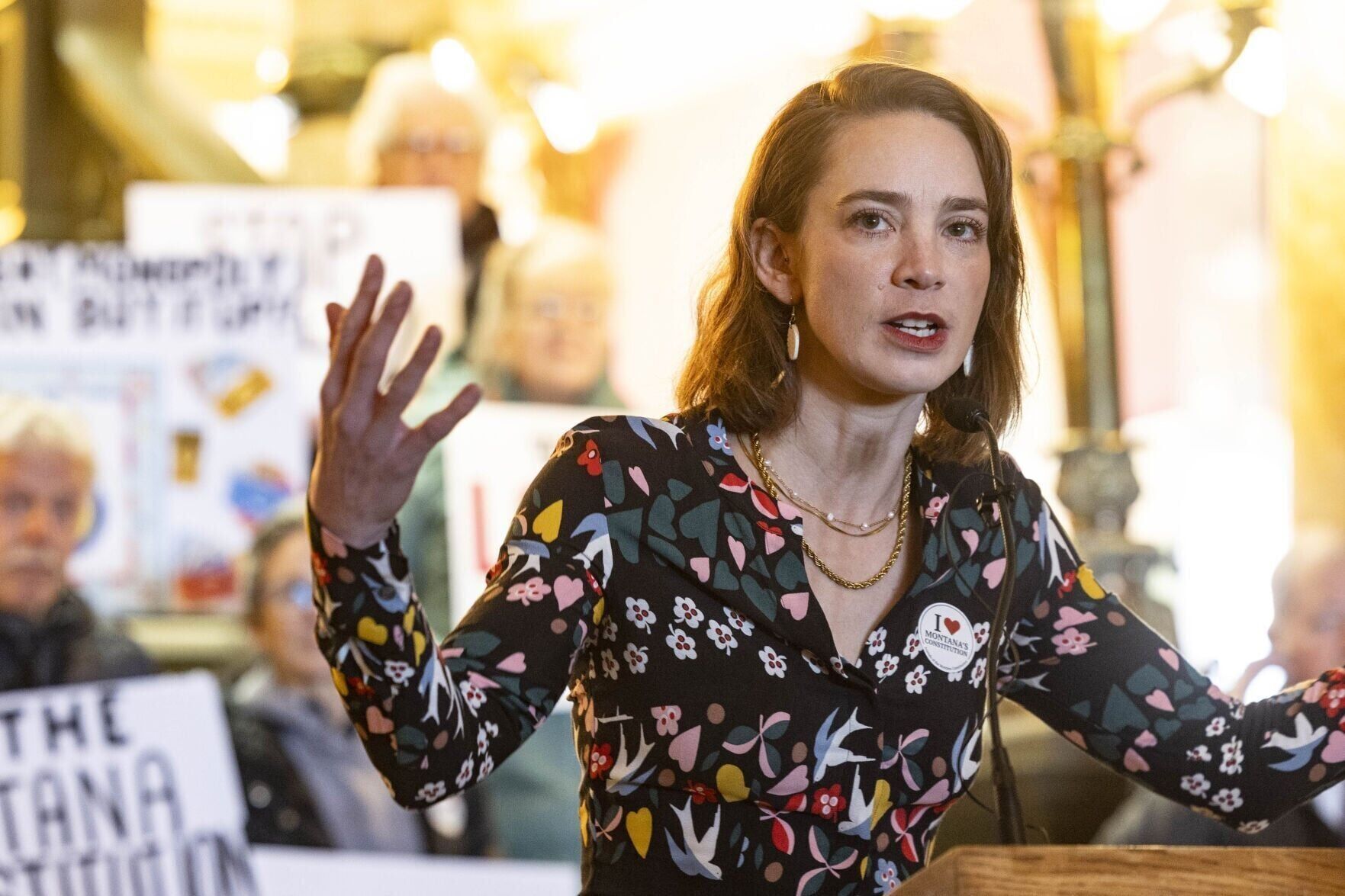
Upper Seven, the Helena-based nonprofit law firm challenging the 2023 bill, is poised to file the motion to round SB 437 into its ongoing lawsuit; executive director Rylee Sommers-Flanagan said Upper Seven has had the document drafted for nearly a year.
In an interview last week, Sommers-Flanagan said she was stumped by the Speaker’s decision to move on the bill this week, but that the strategy to leave the bill in limbo was abnormal.
"It’s a little wild to have one person thwart the will of the Legislature who is not the governor," she said.
Ler, anticipating the incoming legal challenge, reasserted this week that SB 437 should "be evaluated on its own merits, not folded into broader challenges, and we are prepared to defend it."
In definition
Coming in at 98 pages, SB 437 created definitions for "father," "mother," "male," and "female," in a language that would establish only two sexes. Reproductive systems determine sex, regardless of anomalies that prohibit the typical function of a person's sexual anatomy.
The bill touches a wide range of sections in state law, such as those dealing in parental leave for state employees, designation of athletic teams, antidiscrimination, marriage and insurance.
Sen. Carl Glimm, R-Kila, who sponsored both this bill and the one from 2023, said the clarity is important for government agencies that provide vital services.
Opponents said the bill would deny trans people the right to identify themselves on official documents and foist the cost of inevitable litigation onto taxpayers.
Two bills, one case
The decision from District Court Judge Leslie Halligan striking down the 2023 law, Senate Bill 458, had already come down when lawmakers began crafting SB 437 in 2025. A different judge had also ruled against the bill due to an ambiguous title.
Halligan, in Upper Seven’s case, said SB 458 sought "to permit discrimination against a person whose sex does not align with their gender identity, believing it to be legally distinct from discrimination directed at a person on the basis of sex."
The two bills are indeed similar, although Glimm, the Kila Republican who sponsored both measures, included an amendment that he said would address Halligan’s issues with the original bill.
The amendment substantially modified the sex definitions to remove mention of chromosomes. It also clarified the use of gender alone refers to “male, female or the natural differences” between to the two.


Comments ()