
Amid few challengers, Downing talks housing, beef and ICE ahead of reelection bid
When Rep. Troy Downing first announced his 2024 run for Congress, he campaigned on securing the U.S.-Mexican border and strengthening an economy strained by surging prices.
After being elected with 66% of the vote in 2024, he said there’s been “a lot of wins” since then, citing deportation efforts, continued tax cuts, exemptions to the estate tax and rising wages. And now, the former Montana State Auditor is gearing up for reelection to keep those wins coming.
Thus far, he’s seen few challengers as candidate filing opens when compared to the more crowded field for Senate and western district races. Two political newcomer Democrats and an independent are among those who have entered the contest. No Republican has yet to challenge Downing, who climbed to the top of an eight-way primary last election.
Downing said few people are able to compete with him as he spoke to his continued engagement and work throughout the district’s 42 counties.
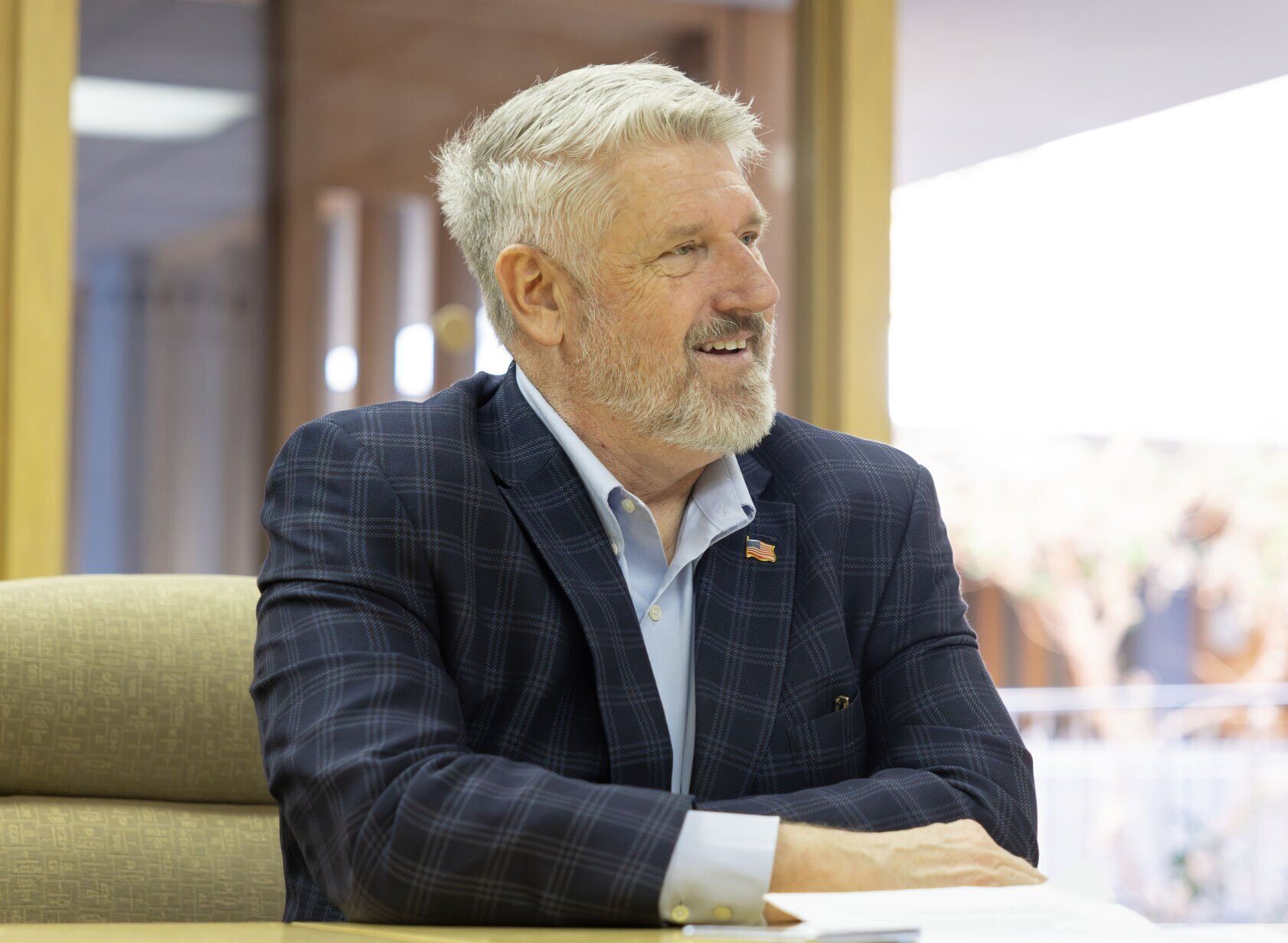
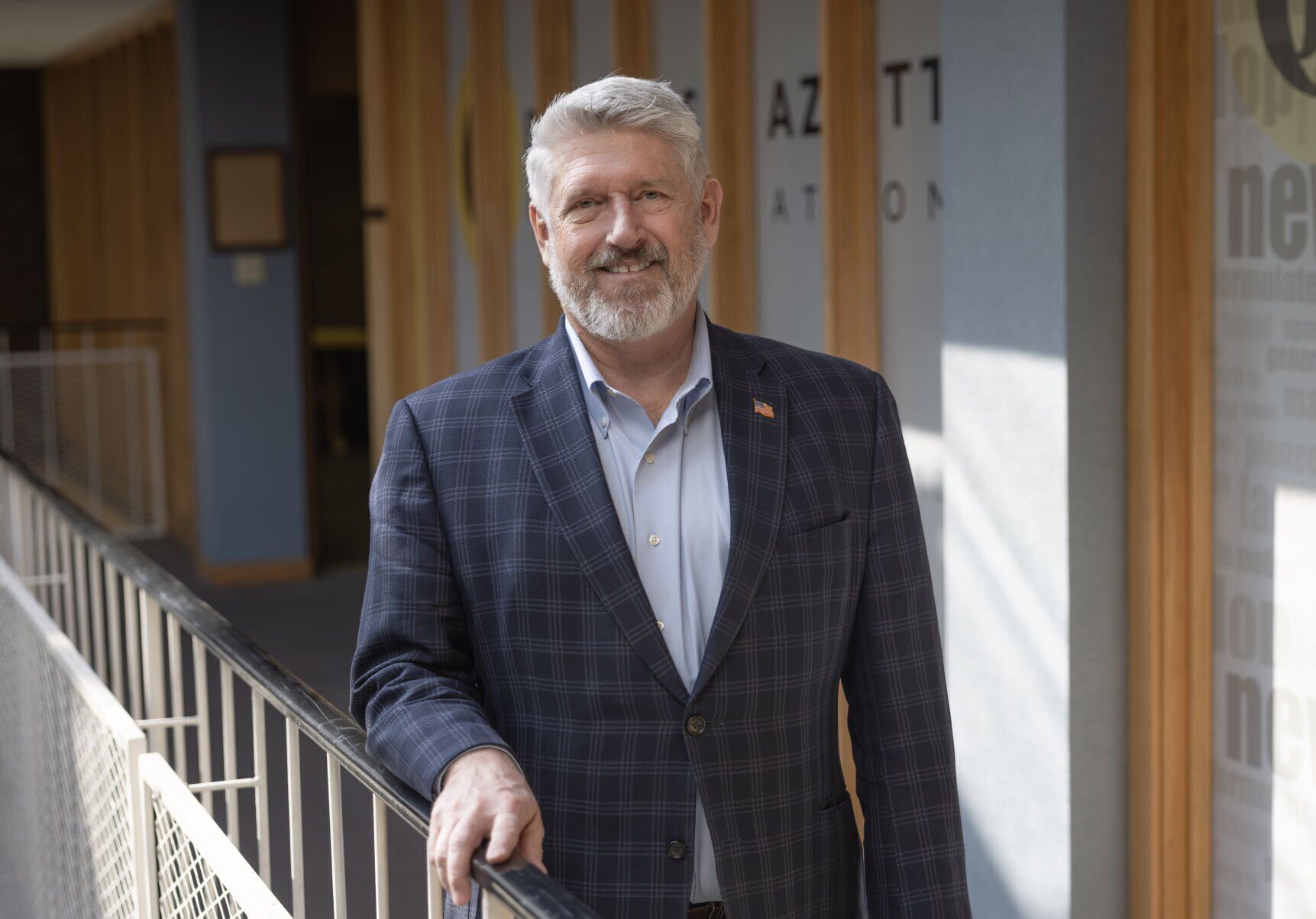
The Gazette sat down with the freshman congressman last week to discuss some of his work and positions.
ICE and immigration
The interview came shortly after lawmakers left the Capitol with no funding for the Department of Homeland Security, which oversees the Immigrations and Custom Enforcement, an agency protested by public members amid unwieldy deportation efforts.
Downing said the department’s shutdown was forced by the Democratic base after what the Republican characterized as “some very unfortunate incidents” in Minneapolis. In January, ICE agents killed two U.S. citizens during their operations.
In the wake of those deaths, Democrats demanded guardrails to the agency, including requiring judicial warrants before entering homes, no masks and targeted enforcement.
With the shutdown, Downing said Senate Democrats aren’t operating in good faith. Most of the demands go beyond a funding bill to end the partial shutdown, he stated.
“And I think that, as a body, we should always be open to discussing anything,” he said. “Let's see how we can make things better. But they're trying to attach this as a requirement for passing a spending bill, and that's not even appropriations.”
Downing said one suggestion he’s receptive to is equipping ICE agents with body cameras.
“I think that that tells more of the story that you may not see from some weird angle from somebody's cell phone,” he said. “And I think everybody's on board with that.”
Downing defended the use of masks among ICE agents, echoing widespread Republican rhetoric about harassment and doxxing, where private details about individuals are posted online.
“I understand the concern,” Downing said. “There's very few situations where we'd have law enforcement wear masks. But this is different. And the reason this is different is there's very few situations where law enforcement is going to try to do an operation and have people on a Signal chat telling everybody where they're at and send protesters to try to block their access, distract them, call them names, watch everything they're doing.”
He added people are trying to identify agents and then send protestors to their families’ homes, leading to him questioning whether ICE agents will be willing to serve.
Critiques of Democrats aside, Downing said both sides should work to “bring the temperature down.”
“I mean, all sides — we need to de-escalate this, because it's gotten crazy,” Downing said.
He’s hopeful “cooler heads will prevail” amid the partial shutdown. Last fall was the longest shutdown in U.S. history.
Beef imports and ranchers
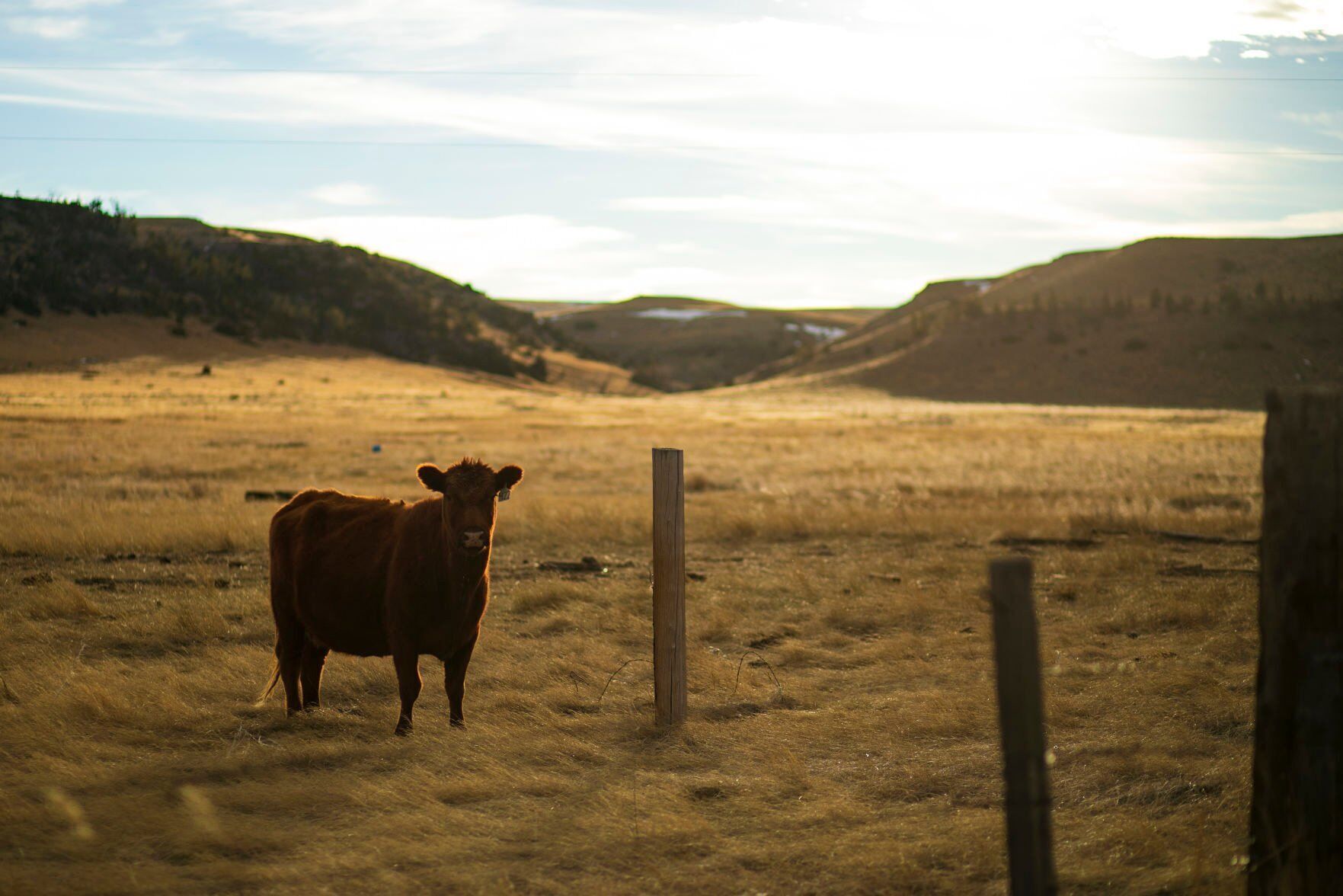
Downing initially disagreed with Trump on beef imports from Argentina amid record high prices. He was the only member of the Montana delegation to sign a letter joining seven House Republicans expressing concerns on import rumors.
In early February, Trump signed an executive order to quadruple beef imports from Argentina and “to ensure affordable beef for the American consumer.” Downing says those imports are negligible; he said the American beef herd needs time to grow.
“We're talking about affordability in grocery stores,” he said. “Prices are a big part of that, and I understand [Trump] wanting to do that. I agree with the need to keep those prices down, because that's in the interest of our producers as well. If we start to see $10 ground beef, people are going to choose a different protein, and that's not going to be good for our ranchers.”
Affordable housing, the economy
Even with some tax cuts like those on overtime and tips provided by the One Big Beautiful Bill, Downing admitted there's still work to do with affordability.
“The biggest thing on people's minds right now is affordability,” the representative who sits on the House Committee on Financial Services said. “That crosses so many different types of things, from affordability at the grocery store, affordability at the gas pump, and affordability in health care, which is a huge one right now that we need to, we need to really address.”
Montana’s delegation has generally opposed renewing pandemic-era subsidies for healthcare plans purchased on the Affordable Care Act marketplace, with the past federal shutdown centered on how to deal with looming healthcare costs. The subsidies ultimately weren’t renewed and Republicans have yet to produce a solidified alternative.
Downing sees another issue with housing prices that have become more inaccessible since the pandemic.
“Somehow in this nation, we got to the point where the average age of a first-time homebuyer is 40 years old,” Downing said. “It wasn't that long ago where you could be a family starting out, have a single income from a normal job, working in a grocery store and afford to buy a house. That does not exist anymore.”
A National Association of Realtors study found in November that the median age of homebuyers is 40, while first-time homebuyer share fell to a record low of 21%. In Montana, most house prices doubled from 2017 to 2025, according to University of Montana’s Bureau of Business and Economic Research.
Downing is unreceptive to Trump’s proposal of blocking large institutional investors from purchasing homes. The president announced the policy through an executive order on Jan. 20 as the administration turned more focus towards affordability.
“I am a small government free market advocate,” Downing said. “What that would do is foreclose upon a person from being able to sell their house to somebody that may be the highest bidder. And I don't think the government should tell you that.”
Downing said the impact large, private-equity investors have on Montana is negligible, with much of the animus directed towards purchases made in metropolises.
Investor-owned homes carry weight in Montana at 31%, according to a 2025 Investor Pulse study. It’s the second largest percentage in the U.S., though most investors were small landlords, rather than large private equity firms that Trump seems focused on.
What voters want
Downing himself noted increased tribalism he said is amplified by social media.
Nonetheless, there’s also points of bipartisanship, he referenced. Last February, he sponsored a bill with Democratic Rep. Janelle Bynum from Portland on increasing resources for entrepreneurs in rural communities. While it has yet to go through the Senate, it cleared the House.
Downing also joined the bipartisan Public Lands Caucus started by Rep. Ryan Zinke in May.
Downing said “101 out of 100 Montanans support public lands.” The definition of that support was tested recently in a party-line vote for the caucus around mining near a wilderness area in Minnesota. Downing voted alongside the Republican majority to overturn the minerals ban. His only sponsored resolution signed by Trump thus far was to overturn a coal leasing ban on public lands in Montana.
Downing has only held virtual town halls during his term thus far, but still one of his proudest points is continuing to show up across the district. After visiting a school in Ekalaka, he received 25 letters from middle schoolers sharing what they want in government.
“I responded to all 25 of them,” Downing said. “We put them in an envelope and sent them to the teacher to distribute, and the Ekalaka School posted that on their social media. And, of course, I've got the naysayers saying, ‘Why isn't he talking to adults?’ You just can't win sometimes.”
Looking at his reelection bid, Downing plans to maintain the work ethic he held as state auditor.
“When I was elected in my previous job, I actually showed up and did the job,” he said. “We did everything that the agency had, under its purview, and I think we did it really well. … That's why we were as successful as we were in that last election, because at the end of the day most voters just want somebody who's going to show up and do the work.”


Comments ()