
As dementia cases climb in the Bitterroot, a new community initiative offers support, hope
The first time Star Jameson joined the Ravalli County Council on Aging’s support group, she did nothing but listen.
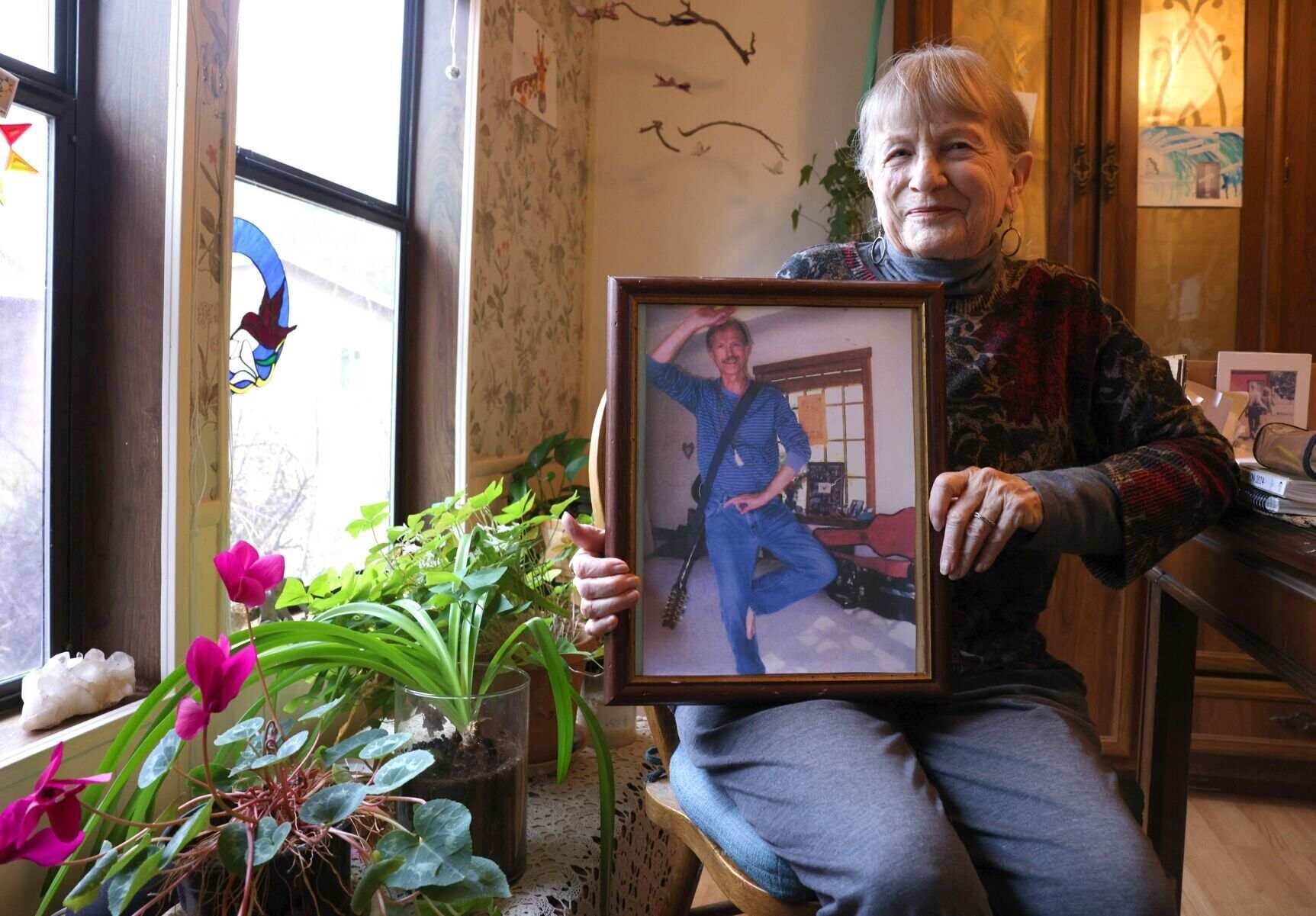
It was 2019. Four years earlier, Jameson’s husband, Brian, had received an Alzheimer's diagnosis. At the time, she felt lost. Navigating the complicated maze of homecare, funding and eventually, nursing homes, was traumatic, Jameson said.
Her first visit to the council’s elder and dementia caregiver’s support group also scared her. Hearing fellow caregivers discuss the unpredictability and deterioration of their loved ones with dementia was hard. She didn’t return until 2022, when her family urged her to seek more support.
That year, she had decided to place Brian in a Veterans Affairs facility in Butte.
Jameson, 77 at the time, was living alone in the valley for the first time. She was losing weight, experiencing her own forgetfulness and irritability. She tried to combat her trauma symptoms with self care and art studios, writers groups and exercising. But she said she needed something more — something to show her she wasn’t totally alone.
Returning to the Bitterroot-based support group, she found that understanding.
“Suddenly, we could talk dementia and have humor. We could cry and rant and rave and ask questions about resources,” Jameson said.
The support Jameson was given is the type of experience the newly launched community initiative, Dementia Friendly Bitterroot, aims to make more accessible to those experiencing dementia and their loved ones.
Among elderly populations, there is a heavy stigma around dementia that can prevent many from speaking about their experiences or reaching out for help, said Cathy Orr, executive director at the Council of Aging. The initiative, which launched this December, looks to combat these stigmas by starting conversations early, providing resources and offering support. It marks a step forward for the mostly rural communities in the Bitterroot, which several residents say often face a lack of funding, isolation and few resources when it comes to dementia care.
Brian passed away last August. Now, Jameson says she is “in recovery from caregiving.” But she still continues to attend the dementia support group.
When Jameson heard about the initiative, she was thrilled. She has begun putting up fliers to help get the word out. If Dementia Friendly Bitterroot (DFB) was around in 2015 when Brian was first diagnosed, it would’ve made a world of difference, Jameson said. It would’ve helped show her there are resources, and more importantly, that she wasn’t alone.
Montana is home to the sixth largest aging community in the country, according to Orr, who also co-leads the initiative. DFB estimates there are around 3,500 people over the age of 65 living with dementia in the valley. And most of those living with dementia are alone, not reaching out until a point of crisis is reached, Orr said.
To start addressing this, the Council on Aging, alongside other community members, decided to launch its own chapter of the national organization, Dementia Friendly America, which currently has over 300 community efforts across 43 states.
To be recognized, the community had to come together, pooling letters of support, explaining the need for the initiative and how it was going to work in the valley.
Sheriff Stephen Holton was one community leader who sent in a letter of support. He fully endorses the program, saying that having these resources available will be huge in filling gaps in the care system. With the aging population, the department occasionally receives crisis calls for dementia-related situations.
Typically, it is difficult for deputies to deal with these scenarios, Holton said, because there aren't a lot of resources. But with the new initiative, being able to point families to the program and its options has been great.
“By the time 911 or the cops get called, the problem is beyond what we could fix anyway,” Holton said.
Preventing these kinds of circumstances through communication and education is a major tenet of the new initiative. DFB is taking an integrated approach to care, Orr said, by creating pathways for people from the moment they express concerns up until they find the services that they need.
A big part of that is simply starting the conversation.
“Nobody wants to talk about getting older. Nobody wants to talk about memory loss and nobody wants to talk about the stigma of having dementia,” Orr said.
Kati Aiken, general manager of the Council on Aging, who runs the support group, says many folks can’t even say the full word, often referring to Alzheimer's as the “A” word and dementia as the “D” word.
To combat this, DFB has been hosting information sessions on everything from how to live well to navigating loss and grief to advice for becoming better neighbors to people living with dementia or memory loss.
But being in a rural area has its barriers. There’s a lack of funding and fewer resources. Montana is a minimally-funded state due to its smaller population, receiving less than one percent of the Older Americans Act federal funding.
And connecting to the remote communities in order to bring them information on the initiative has been tough. The DFB has been working to disseminate details to essential services, like banks, in the hopes that they can further connect community members.
Already just a few months in, Orr says the reception from the community has been amazing. Mostly caregivers have been engaging with the program, but a few people who are having cognitive issues have also reached out for the first time.
Jana Branch, an end-of-life doula and the other co-lead on the initiative, said seven people came to her most recent information session on how to be a better neighbor to those living with dementia. Branch, and others like her, typically offer nonmedical support to individuals and families dealing with death. According to Branch’s website, doulas combine nurturing and support with information and guidance to help families through “the passage from life to, ideally, a ‘good death’ with dignity and comfort.”
Christina Rhyne, who lives in Victor, said she did not know about the initiative. She’s been a caregiver, alongside her stepmother, for her 79-year-old father for around five years.
When her father first started showing signs of cognitive decline, Rhyne said she didn’t know what to do. Her father needed help with basic daily living, including things like getting dressed and showered. So Rhyne brought in daytime private care in the home.
Soon, her father needed around-the-clock care, so they also hired nighttime caregivers. The private care cost the family around $32,000 per month, Rhyne said, and it wasn’t always the quality of care she would’ve liked to see.
U.S. Census Bureau data lists the yearly median household income in the valley at $72,460.
Rhyne said her family considered placing her father in a memory care facility, but after visiting a handful of locations, they decided against it. She points to understaffing and general apathy as some of her reasons for keeping him at home.
Rhyne’s experience finding care echoes that of many others: little resources, high costs. Her time caring for her father actually led her to start her own company this month. Called Care Dynamics LLC, the service connects providers with compassionate, non-medical care for seniors.
Cost-effective nonmedical and medical care for seniors is something Rhyne said she’d like to see more of in the valley. But she’s hopeful DFB could bring these resources in and thought the meetings for caregivers would be great to attend.
DFB is also looking to the future, hopeful about making their community one that is truly dementia friendly.
“Dementia is relevant to you, whether it's directly connected to you or not,” Branch said. “Trying to get people to understand that is the thing that will ultimately reduce the stigma.”


Comments ()