
Author of C2H2 discusses health impacts of climate change on Montanans
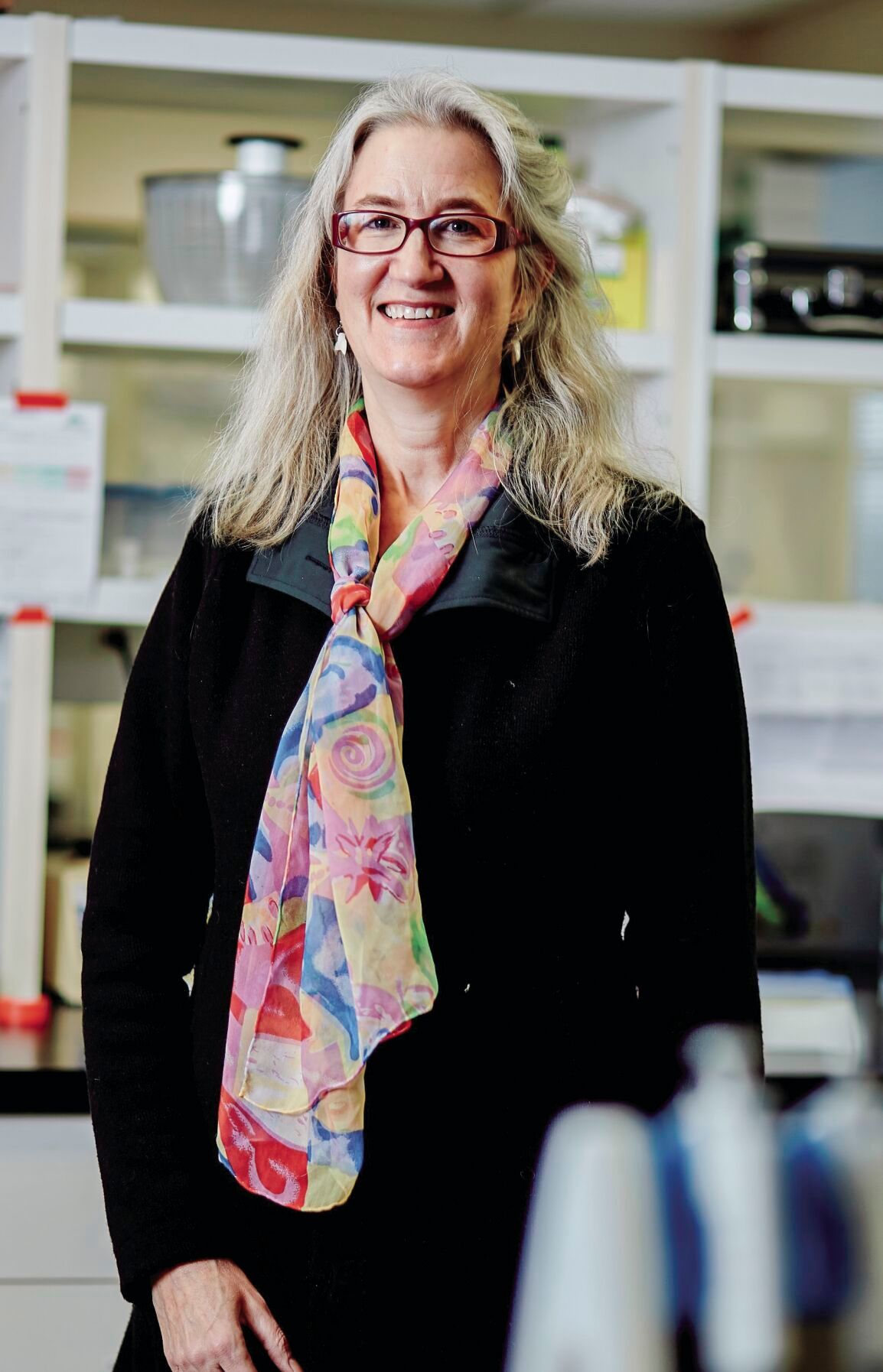
Alexandra Adams, director of the Center for American Indian and Rural Health Equity, partnered with Gallatin Friends of the Sciences on Wednesday, April 13, to discuss the health effects of climate change on Montana residents.
The online presentation discussed the report Climate Change and Human Health in Montana (C2H2), published by Adams and a team of Montana healthcare professionals and scientists. Building on the 2017 Montana Climate Assessment, which focused on impacts on the environment, the 2021 report describes the health risks posed by climate change. “I feel like one of the reasons we wrote this [report] is because we didn’t feel like the connection [between environmental changes and health effects] was being made enough,” Adams said. “If people made that personal connection to health, it might be more galvanizing to understand that this is not just affecting what it looks like outside.”
Adams outlined health effects specific to Montana, listed key strategies to increase hope and identified ways to mitigate and adapt to climate change. In Montana, the most concerning health impacts include risks to food security, lower air quality and increased heat, which has negative impacts on mental health and risk of heat stroke. Rising heat and air pollution will have the greatest impact on the personal health of Montanans, Adams said. Increased heat affects drought and crop yields, and can have an effect on food availability. Higher temperatures can also worsen mental health, diminish cognitive function and increase violence and suicides. The risk of heat illness for those who work outside also heightens.
Air pollution, namely smoke and particulate matter produced by an increasing number of wildfires, will increasingly cause adverse health effects, according to C2H2. Montana has a high ozone quality, but also a high level of particulate matter due to forest fire smoke. A study performed at Seeley Lake after a particularly bad fire season in 2017 showed declines in lung capacity that, in some cases, lasted for two years. Montana has the highest proportion of premature deaths caused by wildfire smoke in the United States, and exposure to particulate matter in early childhood has been linked to learning disabilities, autism and schizophrenia. Adams emphasized that these effects would be most felt in vulnerable populations such as children, pregnant mothers, the elderly and people who work in agriculture or other outdoor industries such as tourism.
Adams elaborated on encouraging work that is happening around Montana, but also communicated a sense of urgency saying residents need to act faster. She gave practical advice for communities, health professionals and individuals. Adams advised health professionals to have conversations with clientele about new health concerns due to climate change. She also listed ways to engage in both mitigating and adapting to climate change. To adapt to higher particulate matter in the air, Adams suggested using air filters and masks to lower exposure. She cited actions Missoula has taken to adapt to higher temperatures, including opening cooling centers.
There are also many organizations that are working to reduce the effects of climate change such as Montana Interfaith Power and Light, Climate Smart Montana and Families for a Livable Climate.
Adams stressed the need to maintain hope, including by taking collective action and making room for joy and fun. “It’s important to realize that we’re all connected, and I think we forget this,” Adams said. “Understanding that everything is connected, not just humans, but the environment, the animals and the air is absolutely critical to moving forward. The more we can begin to teach this, learn this and work together, the better off we’re all going to be.”
The full C2H2 report can be found at Montanaclimate.org.


Comments ()