
Behind NDAs, a shuttered mill was quietly turning into a major Montana movie studio
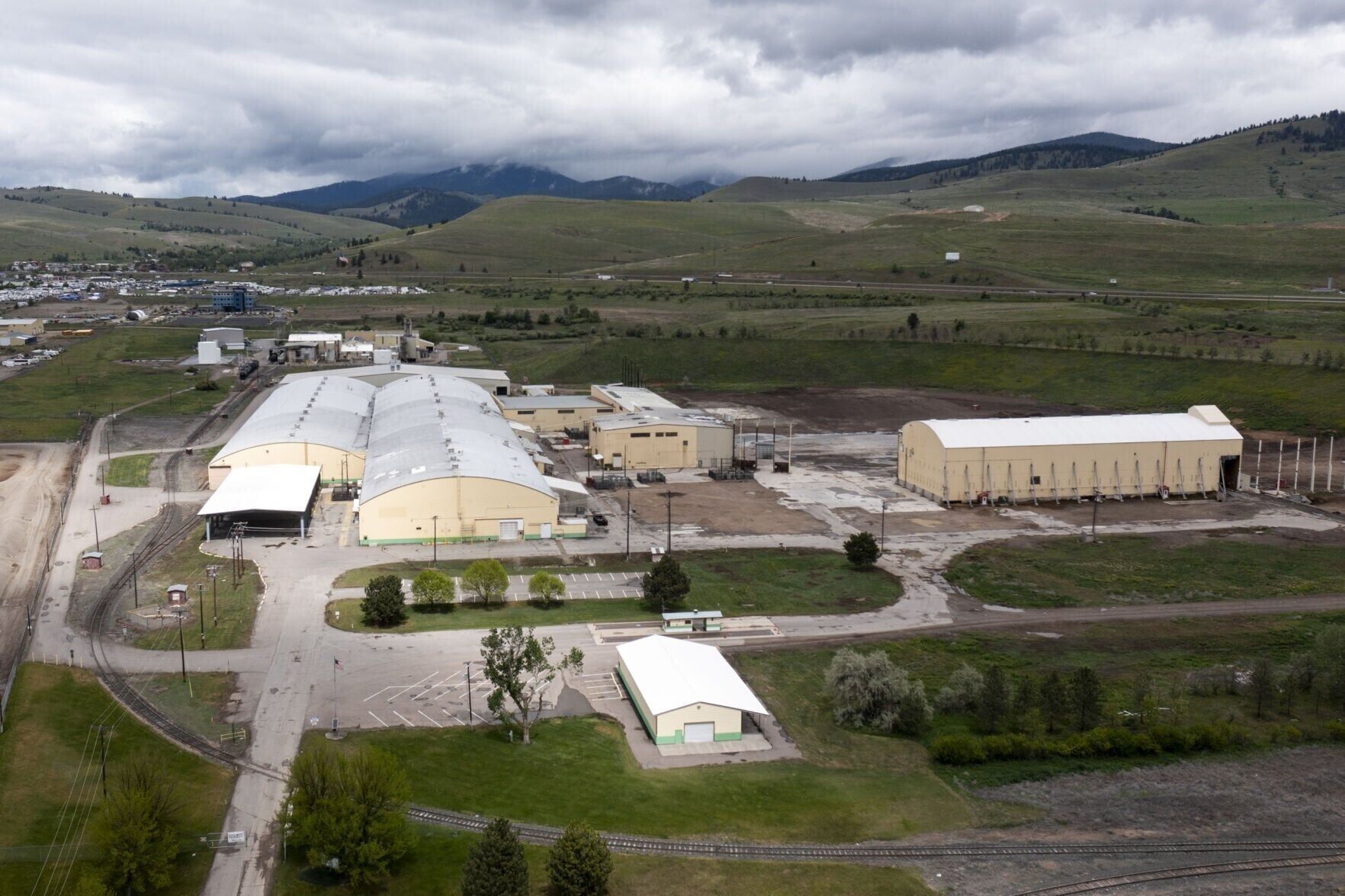
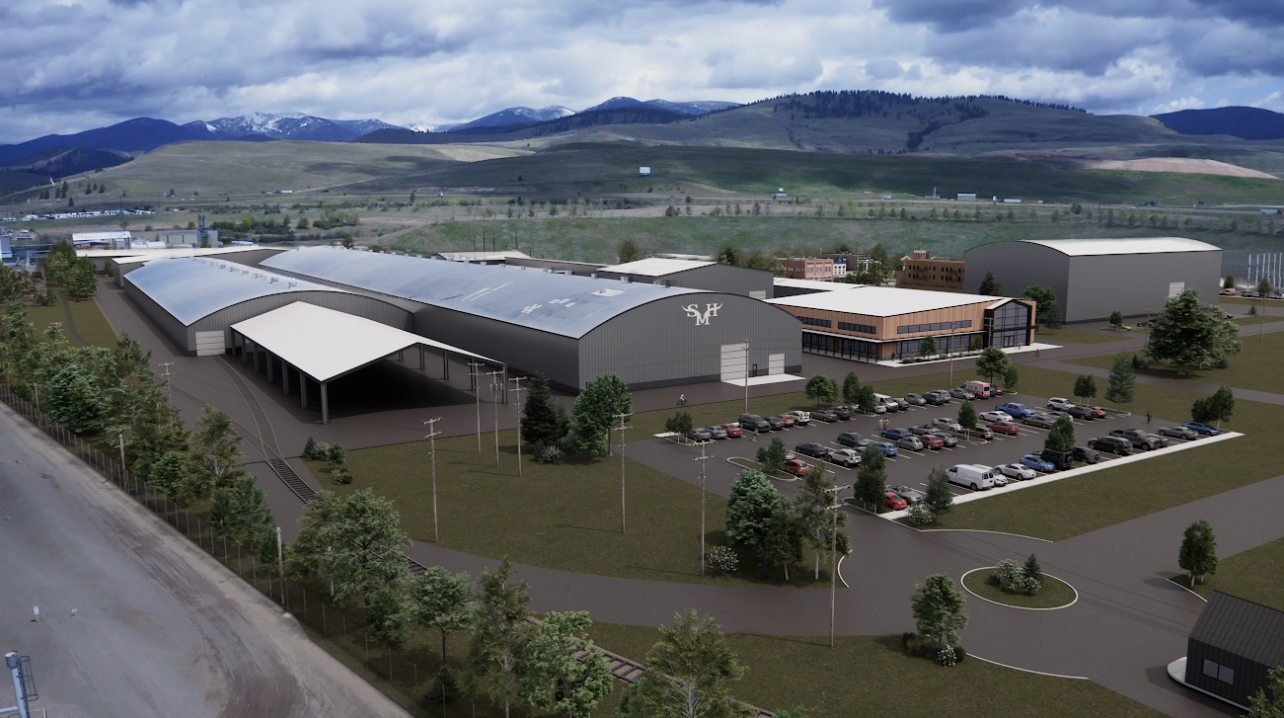
In May 2025, there was a surprise announcement that a shuttered plywood plant on the west side of Missoula would be transformed into a movie production studio. Around 150 of the working-class jobs that were lost when Roseburg Wood Products closed could eventually be replaced with more than 400 positions, such as the carpenters, electricians and behind-the-scenes crew jobs needed to make a 47-acre film campus function year-round.
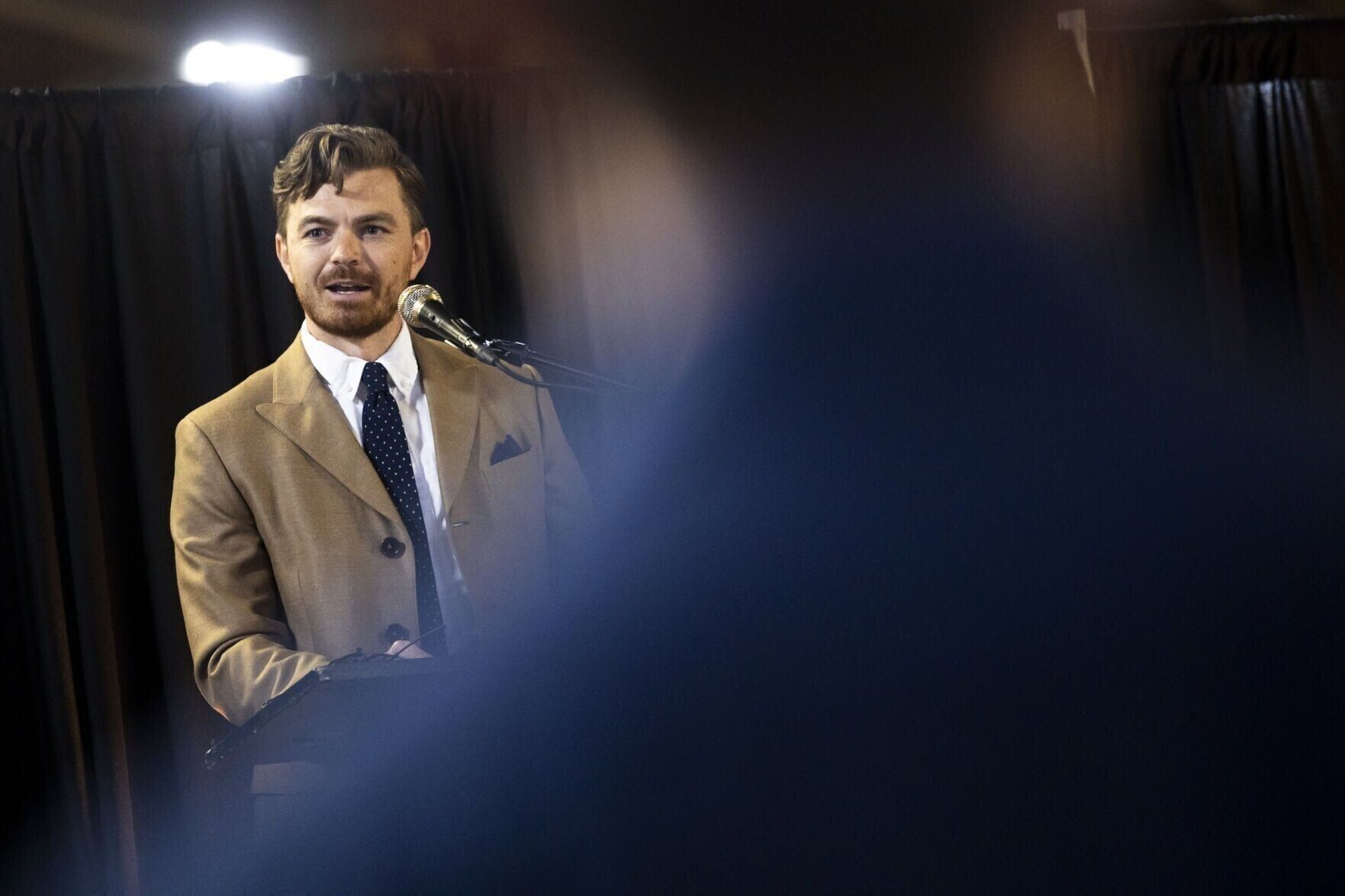
Story House CEO Sean Patrick Higgins, a Wyoming actor-turned-entrepreneur, said they aim to create a new model of independent movie production backed by hard real estate assets that provide insurance against the financial risk of filmmaking.
“We're a little newer to town, but I think we want to create the playground for Montana filmmakers to come and make their dreams come true,” he told the Missoulian recently.
The rollout was the result of three and a half years of work, Higgins said, including state and business collaborators. The plan for a studio and its announcement were a surprise in part because it had been kept under wraps by necessity, he said.
Higgins chaired a coalition that crafted and lobbied for Senate Bill 326 during the 2025 legislative session that, as passed, would reserve 40% of the state’s film tax incentives for “any portion of base investment related to the rental costs” of a specific type of facility that doesn’t yet exist in Montana. Meanwhile, behind the scenes, Higgins was closing on a property that fits the definition.
Higgins said there were mutual nondisclosure agreements that kept him from discussing the site publicly. As the session went on, he told lawmakers his company had invested $12 million in the state and had much more in mind if the tax incentives were renewed. In addition, he told the Missoulian that if the state’s depleted film tax incentive program didn’t receive more funding, he and his partners would likely find a different use for the Missoula property than a film studio.
“If the bill didn't pass, we would have had to look at some different pivot plans and strategies, which very gratefully, the bill passed, but we had a lot of other thoughts on how we were going to risk-mitigate,” he said.
The effort to pass new incentives was led by a nonprofit industry group, the Montana Media Coalition. While a bill did pass, some members told the Missoulian they weren’t informed of who Higgins was or that he was planning a studio in Missoula. Nor did they know that he was chair of their coalition until after passage.
The push for film tax incentives in the 2025 Legislature renewed an effort from previous sessions. In 2019, lawmakers passed the Montana Economic Development Industry Advancement Act, or MEDIA Act.
States around the country compete to attract film productions with incentives of various types. For instance, in Montana, productions can apply for tax credits for certain categories of expenses and then sell them. Proponents argue that incentives encourage spending at local businesses as well as direct hiring that otherwise would happen in other states.
While the MEDIA Act created incentives to lure filmmakers, with a cap later increased to $12 million each year, there were no carryover provisions to prevent productions from creating a backlog. The incentives did bring the full “Yellowstone” production to the state, but the hit streaming show’s budget and resources were high enough that it consumed many of the credits, which are accounted for until at least 2031, according to the state Department of Commerce.
To prevent that from happening again, the 2025 bill amending the MEDIA Act included “sideboards” to prioritize Montana filmmaking, but there are differing views about how they’ll play out once more credits become available.
Richard Davenport and John Nilles, two Missoula filmmakers who had opened their own facility that is significantly smaller in physical size than the one Story House hopes to develop, told the Missoulian that coalition leadership didn’t let them see the bill until after the session had started, despite repeated requests. It wasn’t until after it had neared the governor’s desk to be signed into law that they said they were introduced to Higgins during a coalition Zoom meeting. They weren’t aware that he was chair of their industry group, either.
They were also disappointed to learn the bill’s sideboards included one category of incentives for studios of the physical size Higgins has in mind. Their facility, Treasure State Studios, is smaller than the requirements.
A real-estate backed film studio model
Higgins originally planned to create a studio campus combining housing and real estate in a neighboring state. A graduate of the University of Wyoming, he earned his master’s degree at the Yale School of Drama and worked in Los Angeles and New York as an actor and then producer and director.
Eventually, he was drawn to independent film, where there’s more potential for creative freedom, and the chance to create movies about issues in areas like the Rocky Mountain West, he told the Missoulian.
“There's a lot of bloat in Hollywood, and there's a path for independent film and independent thought, and I think there's an importance for that right now, especially with the homogenizing and conglomerations of the big studios,” he said.
In Sheridan, Wyoming, they shot an independent short film called “Early Light,” about veterans and equine therapy, and worked with people from both communities during the production. It was a personal project for Higgins. His father, who served as a Green Beret in Vietnam, spent the last 15 years of his life living week to week in hotels. After Higgins’ parents divorced, he lived with his mother and for a time were housing insecure, or reliant on Housing and Urban Development programs.
With the launch of Story House, he and his partners looked to develop a model for an independent movie company that could be backed by real estate.
“We brought together a group of investors who understood that film’s inherently risky, so how do you de-risk it? And real estate's a hard asset, and so we've integrated the financial model, which is de-risking our approach to film,” he said. (He said he can’t disclose the details of how their business model works.)
While Story House had already acquired land in Wyoming for the project, efforts to start a film tax incentive program in the legislature there didn’t succeed. In 2022, he said members of the Montana business and film community, including the Big Sky Economic Development Corp., asked him to look at a project in Montana. After touring the state, Missoula seemed the best location, due to the concentration of local filmmakers, he said.
A legislative debate and sideboard protections
For the 2025 session, he teamed up with Lynn-Wood Fields, a Montana native and filmmaker, who’d been a part of previous efforts to build a studio in Big Sky Country. A recent example was a facility planned for the area near the Missoula Montana Airport that fell apart after the 2021 Legislature didn’t increase the film tax incentives.
The Media Coalition held meetings in communities around the state to rally support for new incentives, said Fields, who was the nonprofit’s executive director and now works in marketing and development for Story House. The bill was sponsored by Sen. Greg Hertz, a Polson Republican. It’s common for industry experts to work with legislators on bill language and to testify on their behalf.
Hertz has a well-known opposition to tax incentives on principle. In the case of filmmaking, though, he said it’s the type of industry in which they are standard practice.
“If we want to be in the movie-manufacturing business, we have to have a tax credit, otherwise these productions will go to other states,” he told the Missoulian.
He pointed to the “Yellowstone” example, which shot primarily in Utah until Montana’s incentives became more competitive. He also cited the export of homegrown talent, including graduates from the state’s flagship university film programs who leave to build careers outside. While film tax incentives are subject to heated debate and claims they deplete states’ general fund budgets, he and proponents argued they return $1.84 on a dollar of investment.
The sideboards, meanwhile, were designed to prevent a single, large production like “Yellowstone” from exhausting the available incentives.
While the numbers changed through the session, the final bill’s sideboards for the tax incentives reserve 10% for independent films, 10% first-come, first-served, 40% for Montana domiciled companies, and 40% for “media production credits derived from any portion of base investment related to the rental cost of qualified Montana facilities.”
Nilles said he and Davenport think the film community should revisit the bill and readjust the sideboards, reserving 50% for independent films with budgets of under $2 million and open the other 50% to budgets of all sizes.
Independent films with a budget of $2 million or less are the “bread and butter” for film crews and actors in Montana, Nilles said, since the limited budget means they can’t afford to fly in many cast and crew members, opting instead to hire locals. Expensive Hollywood films, meanwhile, are most often union productions that require union hires. Montana doesn’t have many union members, so residents are often left in smaller positions.
“If an out-of-state production wants to shoot in Montana, I believe that legislation shouldn't dictate where and how they can spend their money to receive the media incentive. So long as a high percentage of Montanans are hired and money is spent at Montana-owned businesses, it's a win for Montana,” Nilles wrote in an email.
The definition of a qualified facility includes specific dimensions. In terms of size, it must be at least 10,000 square feet and measure 25 feet from floor to truss. It also must have been constructed or renovated on or after Jan. 1, 2025, with a minimum capital expenditure of $10 million, for the primary purpose of filmmaking.
No existing facilities in Montana met those requirements and there are also no limitations on the number of facilities that can compete for those credits. As the bill is written, if the incentives are not claimed they’ll roll over to a first-come, first-served basis.
In an interview with the Missoulian, Higgins said the physical size requirements were intended to encourage brick-and-mortar investment that will start generating property and income tax revenue and putting money back into local communities through construction work in addition to the filmmaking jobs.
Hertz, Fields and Higgins said it was based on “industry standard” language for soundstages.
“We’re trying to make sure that we can have a production facility for all movie-makers in Montana from small to medium and large ones,” Hertz said. Because the state has limited resources, that definition felt like the best investment of the incentives it has. He noted the other “sideboards” provide avenues for other productions to get access to incentives.
Higgins and Fields said the size requirements were deliberately written for a type of facility that Montana doesn’t have in order to incentivize the construction of one. Story House, for instance, will boast 400,000 square feet with an average height clearance of 35 feet, Higgins said. Treasure State Studios, meanwhile, has ceilings that are 22 feet at the peak and 14 at the wall, with a total square footage of 7,500 square feet.
Regarding the minimum investment of $10 million, Higgins said they “made it as small as it felt commercially reasonable to say this is a serious, professionally engineered, purpose-renovated or purpose-built soundstage, and there are just real costs in those things.”
Other filmmakers said the qualified facilities specifications are debatable, although both said tax incentives are necessary for productions to come to Montana.
Yellowstone Film Ranch in the Paradise Valley is a Western backlot with period housing, where movies like Nicolas Cage’s “The Old Way” were shot. Richard Gray, an Australian director who built the ranch with business partners, said the height and square footage in the bill are arbitrary and depend on a particular film’s needs.
Steve Grover, who worked on film tax incentive bills in prior sessions, said he had plans to build out his Montana Studios property that he owns in Butte, but is pivoting to mixed use. He needed at least a $50 million film cap to ensure the investment was viable and draw enough year-round production volume, since he wouldn’t directly benefit from the credits. Regarding the 2025 bill, he said he was concerned that people supporting the sideboards were in the process of developing both production facilities and a production company, which seemed less competitive from a free-market standpoint.
Regarding the “industry standard,” Fields and Higgins said they looked at other states’ film programs as examples, such as New York, New Mexico and Georgia. (None of those states have the particular combination of height and square footage requirements seen in the Montana bill.)
Credits tapped out, Story House pushes forward
While SB 326 passed, there are no new incentives available in the near term. The previous bill allowed a carryover period of up to five years, an issue the 2025 bill aimed to correct. However, all credits have been claimed through 2031, according to the Department of Commerce website. It also notes that they’re not accepting applications while the Department of Revenue reviews validations for 2026 to 2029.
The next legislative session could provide an opportunity for proponents to increase the cap. The ambitions in 2025 of a $30 million cap decreased to $18 million and then held at the existing $12 million, gaining support in the Legislature in part because it was considered revenue neutral.
Story House is proceeding with its renovation and production plans, with an overall timeline of five to six years. In Missoula, the long-term proposal includes “attainable workforce housing,” a concept based on communities in other areas of the country, such as Trilith Studios in Georgia. Story House’s pitch is to create year-round jobs at a year-round facility, including hires like Kim Clark, a Roseburg worker for three decades who’s now among the first employees they’ve hired.
During the first phase, they’re going to be renovating the site into the first of five planned soundstages and aim to shoot two to three projects per year.
“The ones that we'll lead with in the next few years until 2029 will be those projects, independent film and or kind of new media type contracts or pilots for series targeting $3 million or less until that incentive gets recharged,” Higgins said.
Story House Pictures shot its first Montana movie last fall, “St. George,” a feature about a man caring for a brother who has Down syndrome. They’re planning to shoot a television pilot in the fall that would “come with a back lot build-out and a pretty meaningful capital expenditure investment to build that out and get ready for a series.”
They also plan to shoot another independent feature this year, although he couldn’t yet provide details.
Story House, which has both its own production company and the physical facility, is its own “anchor tenant,” Higgins said. He hopes that independent filmmakers can use their facility and are looking at partners who can use the site as well.


Comments ()