
Bill that could impact students' right to vote passes Montana House
A bill that may impact students’ right to vote passed the Montana House of Representatives on Thursday.
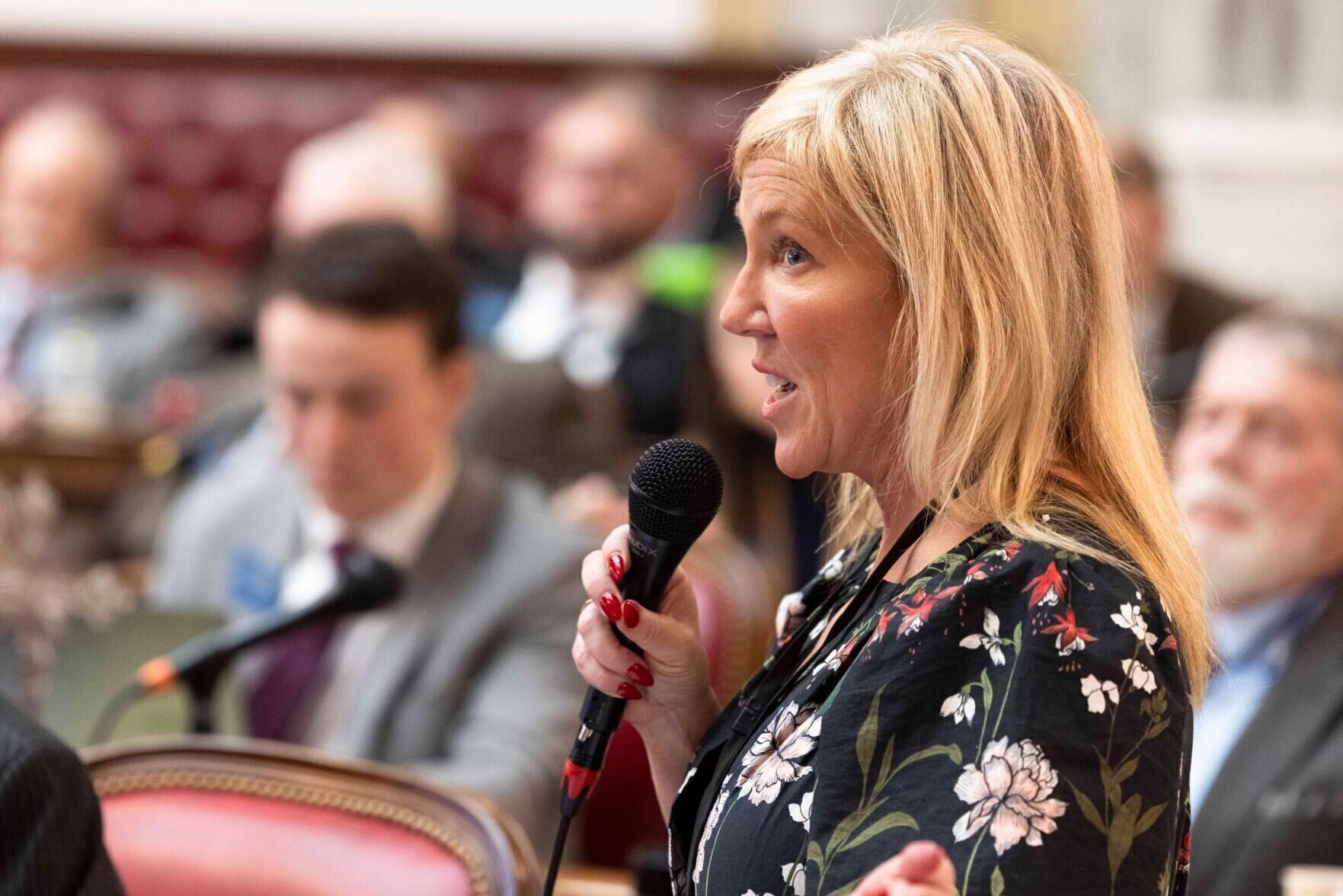
House Bill 413 sponsor Rep. Jane Gillette, R-Three Forks, said the bill only seeks to "clarify" an elections statute, but opponents of the legislation say it could “unfairly” bar some, including college students, from voting in Montana.
Currently, to vote in the state, one must be a "resident" of Montana for at least 30 days, and the bill seeks to add details to the elections statute pertaining to residency with the stated goal of clarifying "the definition of temporary residency."
The bill states that an individual may not become a resident in Montana if the person relocates for “temporary purposes, such as temporary work, training, or an educational program, without the intention of making that county or the state the individual's permanent home.”
The legislation passed the House 56-42 on Thursday, with all Democrats and one Republican voting against it. On a preliminary vote the day before, three Republicans joined Democrats to oppose the bill.
The bill was also opposed by the Montana Federation of Public Employees, the state’s largest public employee union, and both the Associated Students of Montana State University and the University of Montana.
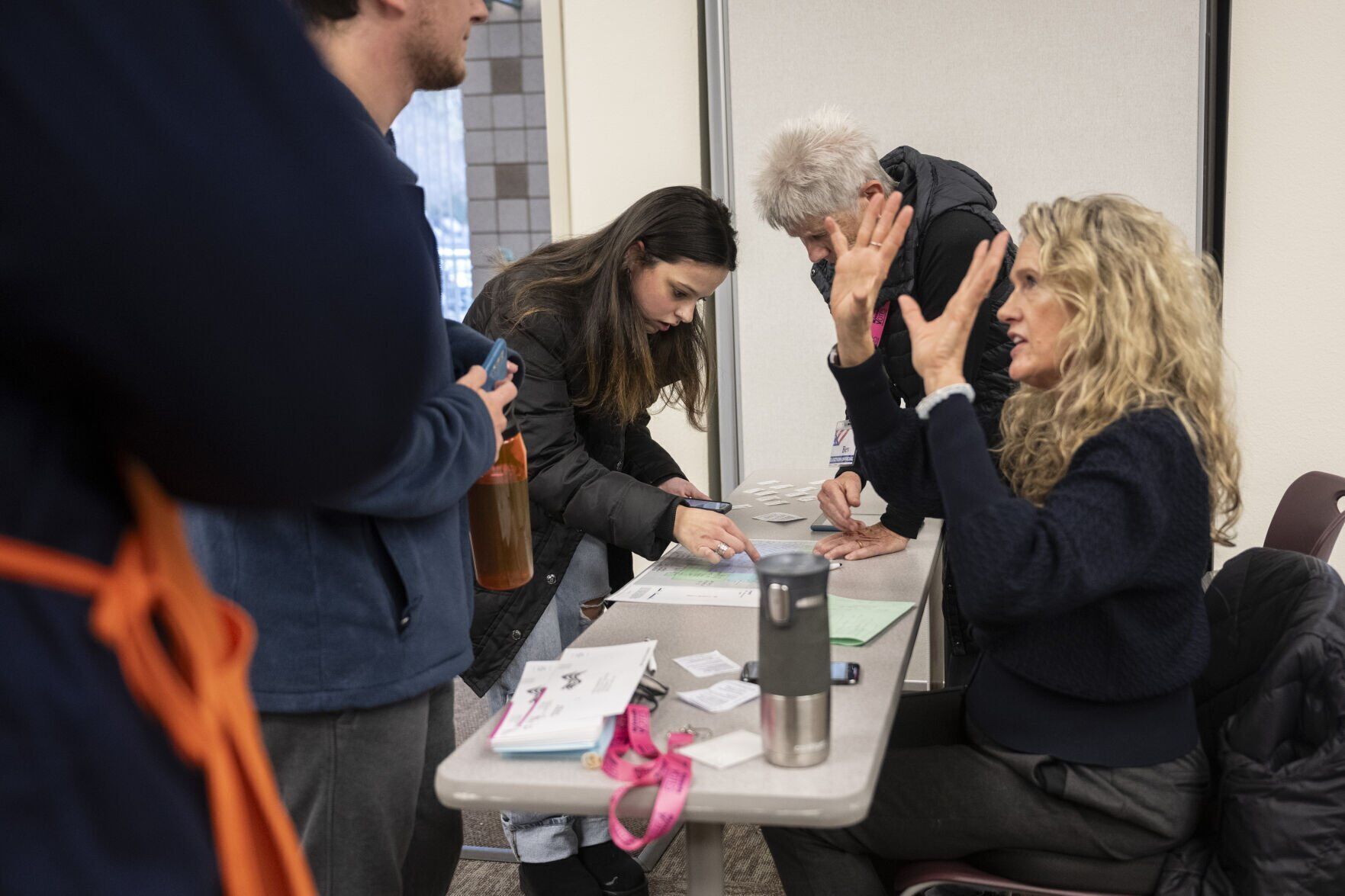
Isabel Watson, a lobbyist for ASMSU, said the legislation “unfairly targets students’ right to vote where they live,” adding that it could bar students from voting on local issues like housing policies and transit systems that are “directly impacting their daily lives.”
“These students are not just tourists: They live here, they contribute here; they deserve a voice here,” Watson said.
Gillette called that characterization “incorrect.”
She said the bill boils down to “intention,” and does not bar all out-of-state students from voting in Montana, but it could have that effect on some.
The representative does not believe that applies to all students, however, and some may still have to vote elsewhere. A student who attends MSU, but returns to their childhood home in Colorado on breaks, still has ties there and plans to leave the state upon graduation, may not be eligible to vote in Montana under her bill, Gillette explained.
“Intention” being the driving force behind the legislation sparked pushback and questions from some.
“Intent is impossible to measure fairly,” Watson said in a committee hearing earlier this month.
And in that same hearing, Colstrip Republican Rep. Gary Parry asked, “What’s the stick?”
“I mean if we put this in law, how is somebody going to determine your intent when you may not even know your intent? There’s no stick,” he said.
When asked why the bill was seeing forceful opposition if it is only meant to clarify state code, Gillette said it is an “activating topic.”
The legislation will next be heard in a Senate committee.



Comments ()