
Bill to allow political party donations to Montana judicial candidates heads to gov's desk
The first bill of the highly anticipated package of judicial reform proposals is headed to Gov. Greg Gianforte’s desk.
House Bill 39 would repeal a law banning political parties from donating to judicial candidates in Montana.
The legislation is one of 27 bills recommended by the Senate Select Committee on Judicial Oversight and Reform, a legislative group formed in early 2024 aimed at pushing back on the judiciary’s power following a series of rulings from the state’s high court that struck down pieces of controversial legislation. The group of bills is among Republicans’ top priorities this session.
HB 39, sponsored by Rep. Tom Millett, R-Marion, is one of several proposals in that package that don’t necessarily create oversight over the courts, but give Republicans a theoretical advantage in seeking a more conservative judicial branch.
Political parties can’t currently donate directly to judicial candidates — who must run as nonpartisan — like they can for other candidates for offices such as the statehouse or governor. That said, political money can still be infused into judicial campaigns, but political parties have to jump through more hoops to get their dollars to candidates under current law.
Independent expenditures, in which an organization spends money supporting or opposing candidates without coordinating with campaigns, have been free-flowing in judicial races: The Republican State Leadership Committee made an eleventh-hour, $300,000 digital ad campaign last year supporting two Supreme Court candidates favored by Republicans. Likewise, Planned Parenthood spent $2.2 million in ads opposing Dan Wilson and Cory Swanson, who was elected as chief justice of the Montana Supreme Court in November.
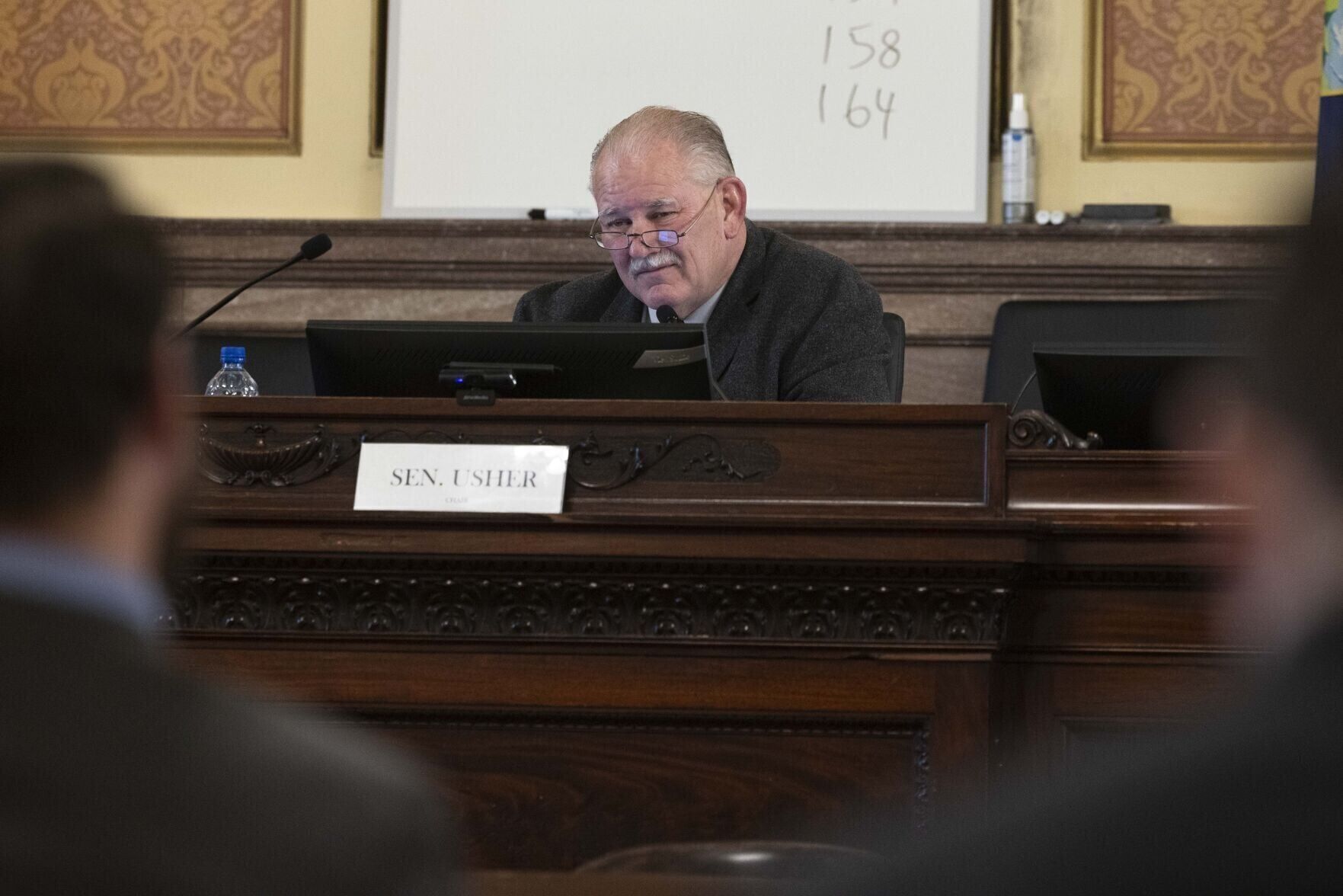
"We already know the judiciary has partisan money," said Sen. Barry Usher, a Republican from Yellowstone County who helped lead the special select committee.
Proponents of the bill say repealing the statute would create more transparency by not forcing political parties to form secondary entities, while opponents say the change would “increase and deepen the partisan divide,” as Rep. Becky Edwards, D-Bozeman, said.
The State Bar of Montana, which has yet to testify in support of any of the 27 bills, opposed House Bill 39, saying it could lead to "completely inappropriate" consequences.
"It paints a partisan label on a judge that is not necessarily correct because judges simply don't do partisan things," said State Bar lobbyist Bruce Spencer. "They rule on the facts of the law."
The bill passed easily in the House of Representatives, with all but one Republican voting in its favor. In the Senate, however, it passed by only two votes, as six Republicans joined Democrats to vote against it.
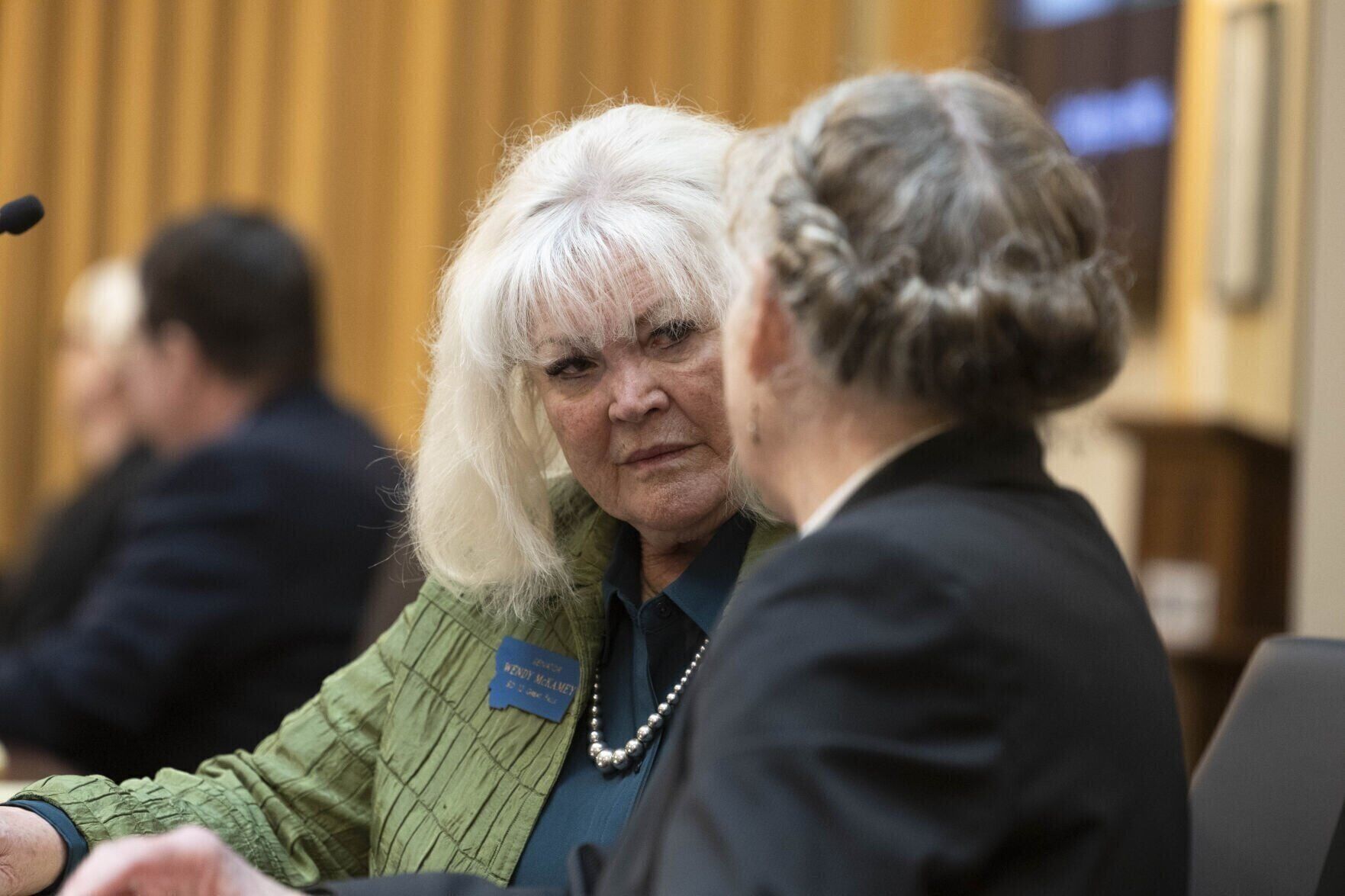
“I, for myself, prefer to keep lady justice blindfolded,” said Sen. Wendy McKamey, R-Great Falls, who voted against the legislation.
Sen. John Fuller, R-Kalispell, said that in fact the “blindfold” is on Montana residents.
“What this bill is attempting to do is to strip the blindfolds from the voters,” he said last week.
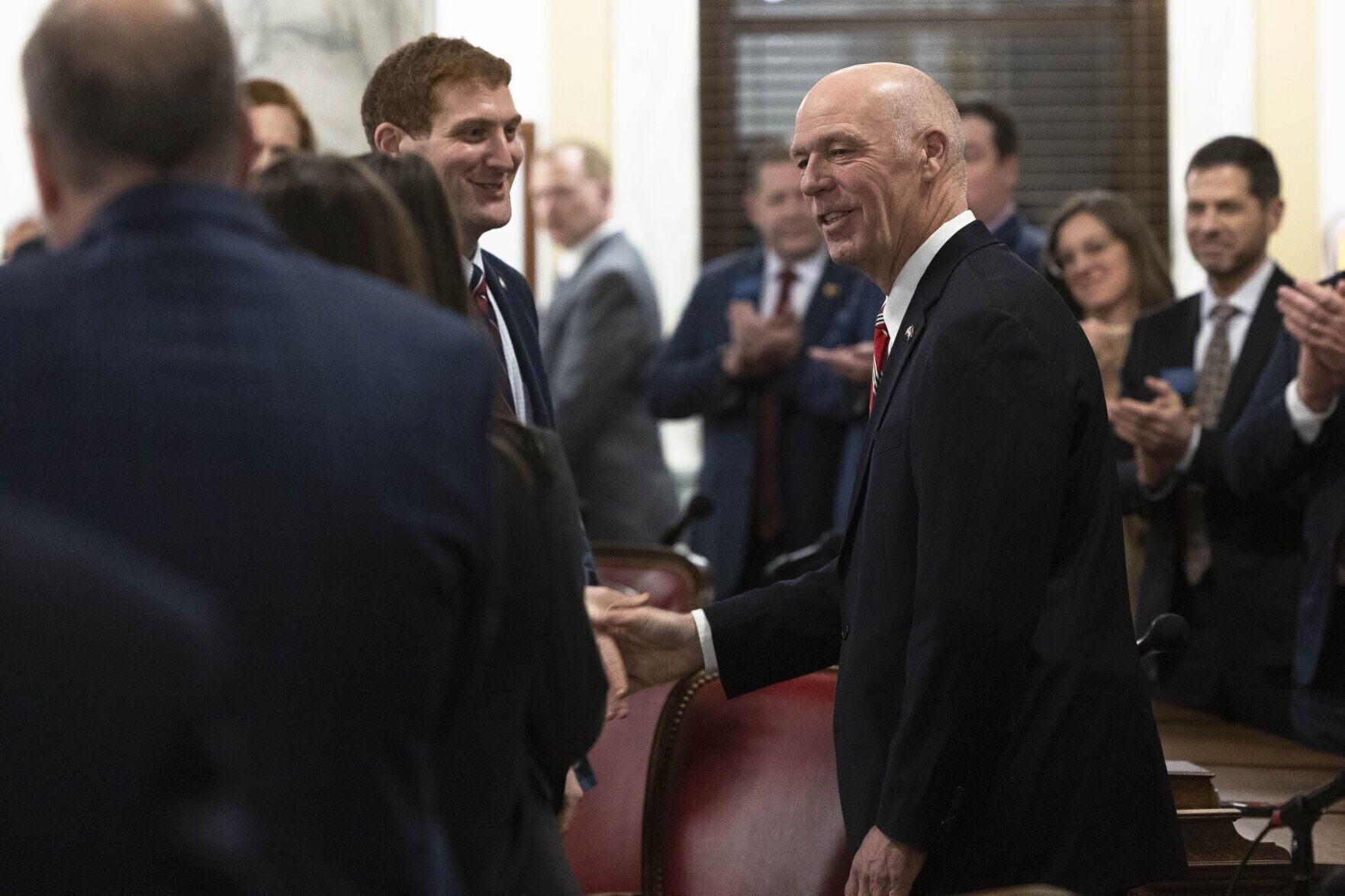
Republican Gov. Greg Gianforte’s appetite for legislation of this nature appears strong: In his State of the State address, Gianforte called the Montana Supreme Court "nonpartisan in name only."
If the bill is ultimately enacted, political parties would be able to donate a total of $84,150 per election to a Supreme Court candidate and $2,250 per election to a district court candidate.
Also moving through the Legislature are bills that would require candidates who are running to be a judge or justice to affiliate with a political party, like is required for state Senate, governor and many other elected positions.



Comments ()