
Bozeman Airport Air Traffic Control Tower Shifts Into New F-A-A Staffing Program
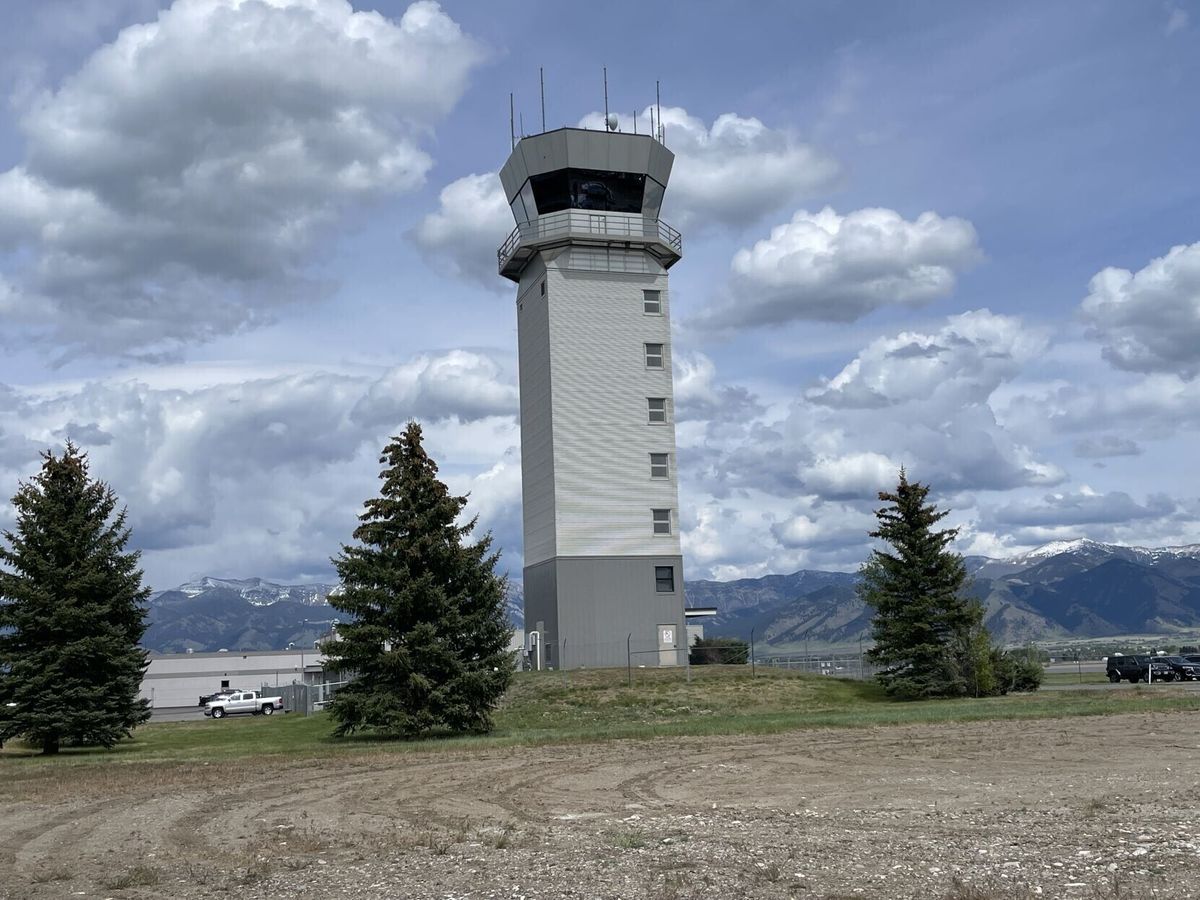
Bozeman, Mont. — Bozeman Yellowstone International Airport is set to become one of the first airports in the country under a new FAA program that will change who staffs its air traffic control tower.
The FAA announced on Monday that Bozeman Yellowstone International Airport and Gateway Mesa Airport in Arizona are the first two airports included in the rollout.
Airport officials in Bozeman say the change will move tower staffing from contractors to federal employees.
Brian Sprenger, CEO of Bozeman Yellowstone International Airport, explained the airport was chosen because of its growth and expanding role in the national airspace system.
"Because of our growth and the significance that we have in the national airspace now, we’re one of the candidates to actually transition from a contact tower to a federal tower, which means that it would be federal employees handling air traffic control at the airport," said Brian Sprenger.
Contract towers are run by private companies while F-A-A towers operate under the Federal Aviation Administration.
In a recent press release, the agency says the program is designed to study the feasibility, benefits and challenges of putting towers under F-A-A supervision.
Sprenger says Bozeman’s airport will help test how the new process works as one of the first locations in the program.
"This is the first time that the F-A-A has ever done this, so they want to do it correctly; And so, by being one of the first two airports, you know, we’re going to be kind of the test cases as well of having everything in order," said Brian Sprenger.
Sprenger told Nonstop Local the airport’s selection reflected how much activity the tower now handles. He says the facility sees one or more takeoffs and landings every minute during peak operating hours.
"Essentially about 27 years ago when we first opened our control tower, the only way we could have staffing is through a contact tower because they didn’t know what kind of levels we would be at," said Brian Sprenger, "Since that time we’ve grown a lot, all the way around and now we’re one of the busier airports in the nation in terms of control towers."
The FAA expects the program to take around three to four years to complete and will help determine whether the program could expand in the future.


Comments ()