
Bozeman Library’s SymBozium creates space for civil discourse
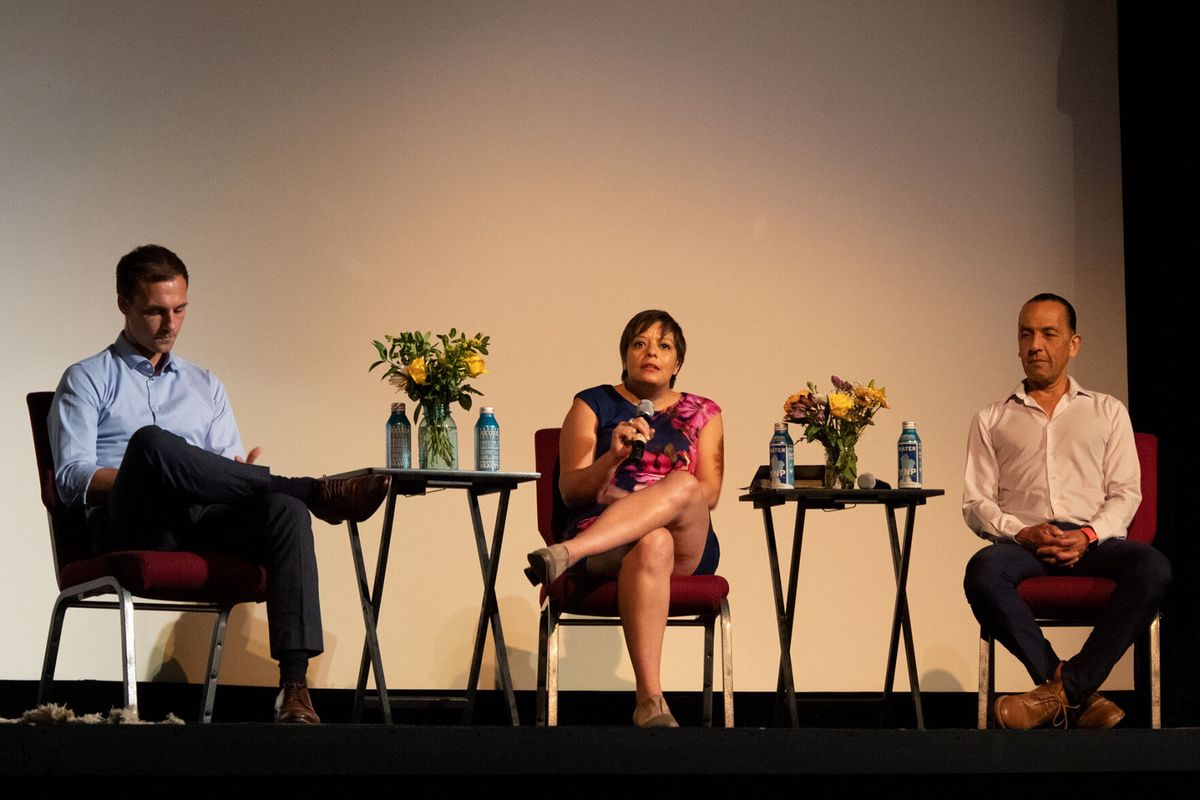
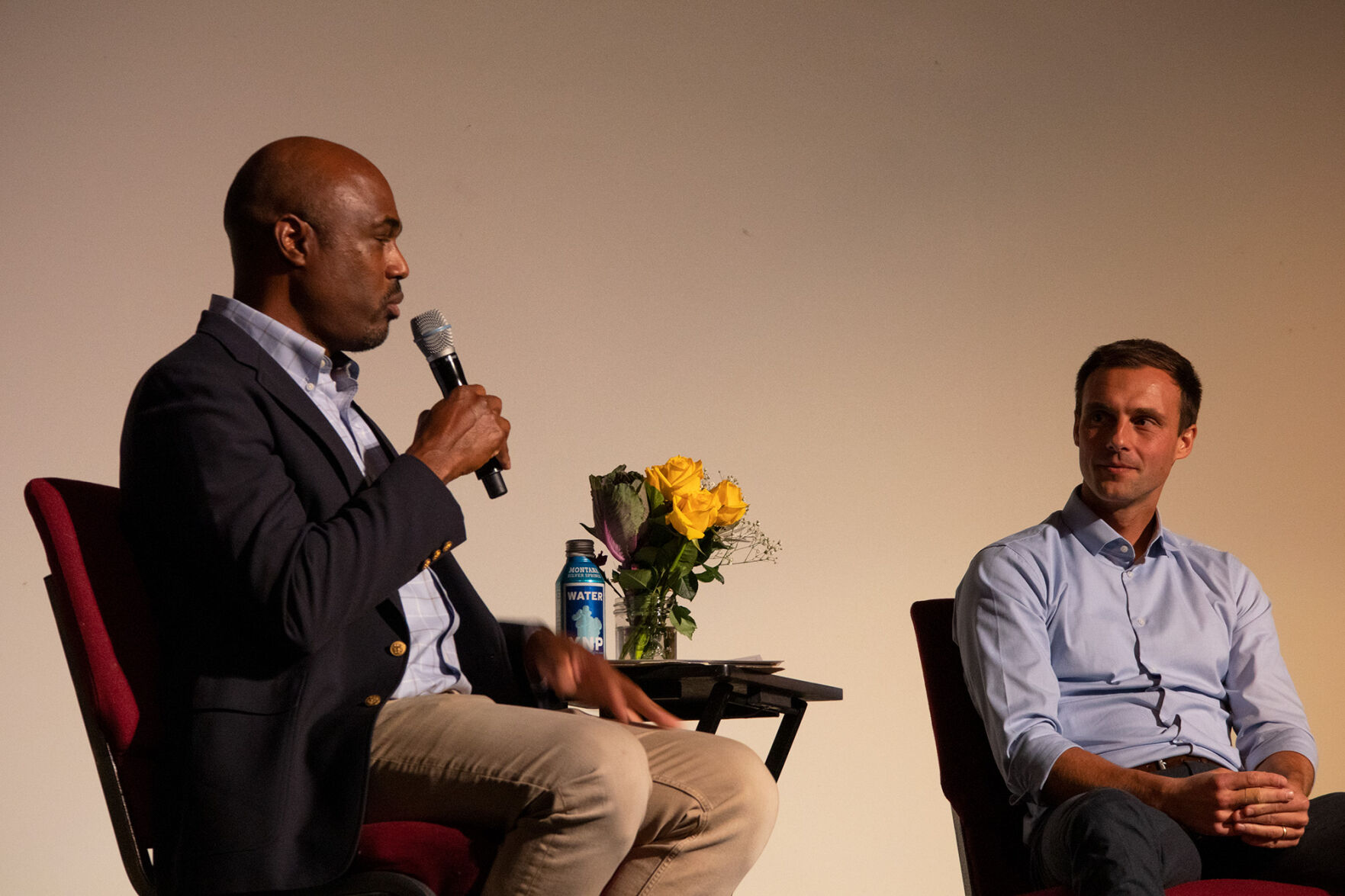
A panel of experts gathered last week at the Ellen Theater to bring together ideas from the young and old alike about the American Dream. The panel, which included professors and scientists, was part of the Bozeman Library’s yearly SymBozium.
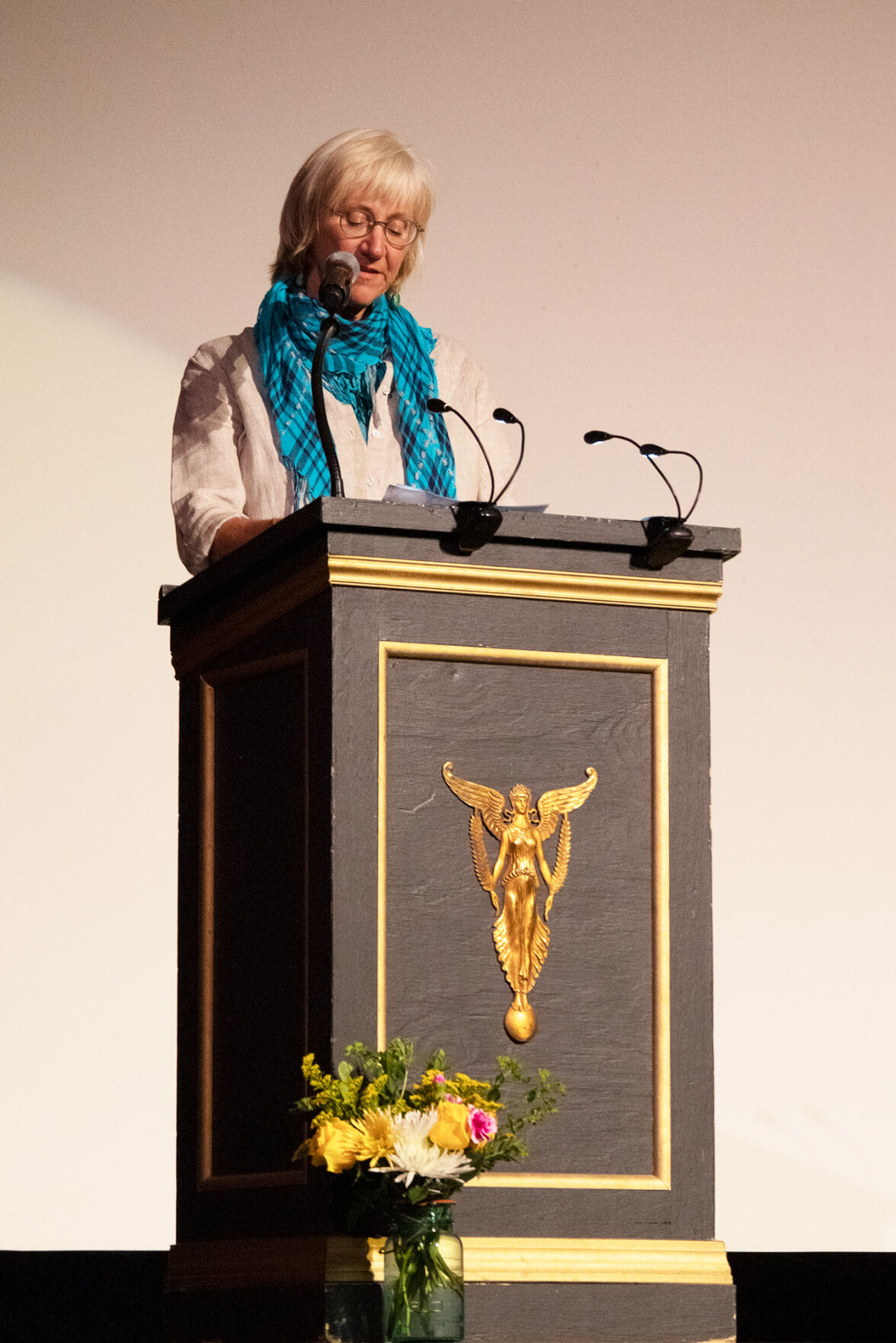
“Our goal is to have important conversations about important questions, and questions that are complicated and might not have answers,” said Susan Gregory, the director of Bozeman Public Library.
The SymBozium is an event put on annually by the Bozeman Public Library to facilitate civil discourse in Bozeman. The conversations are nonpartisan in nature, and they have covered many different topics in the past. It is also an opportunity for university students to engage with the larger Bozeman community off-campus.
The event was held at the Ellen Theatre on Main Street. At the door, participants were
given a program as well as a questionnaire card they could fill out to submit questions during the discussion. Topics discussed during the event included upward economic mobility, wage gaps, affirmative action, care for the elderly, and the ways in which the American Dream changes generationally.
The speakers discussed how the American Dream changes based on where a person grows up and the opportunities they believe are available to them. They also discussed how the idea of the American Dream is different based on life experiences.
“I think that idea of place and of community and of how one can make a place for themselves in spite of or as a result of different aspects of their identities is also really important because that dream isn’t always possible in different places for different people,” said Ariana Flores, a Denver lawyer and community advocate. “When you don’t have access to something it makes it something that you want even more… things that don’t feel as accessible can, for some people, be their American Dream.”
The speakers said SymBozium was important for the community. “I believe this is how the community continues, is built, and hopefully gets reenergized through having these types of opportunities for conversations,” said Jelani Mahiri, an assistant professor for anthropology and sociology at MSU.
Shane Doyle, a member of the Apsáalooke tribe and an education consultant, spoke about how the SymBozium fits into national improvement, “There should be a national discussion about these topics, this should be ongoing, just like so many other topics that we should be talking about… Nothing ever changes until we start to think and talk about it, so we have to start there.”
Flores hopes the broader community will find value in SymBozium. It is important to her “that we really try to meet each other where we’re at and really seek to be curious and empathetic with one another…and that means that we aren’t shying away from difficult conversations, but rather we are fully present in them, and we’re leaning into them, and we’re encouraging people to listen … we aren’t doing enough of that in our society today, and our polarized climate is testament.”
Dr. Matthew Staiger, a research scientist based at Harvard University, indicated the national importance of events like the SymBozium. “I think one concrete way that you can think of engaging with these issues, is to support and engage with local institutions like the public library that’s in the business of trying to build community and bring everyone in the community into one space and forming relationships…A lot of the solutions to our national problems are at the local level.”
Community members often participate in events that MSU holds, and the SymBozium is a chance for students to engage with Bozeman off campus, Doyle said. He attested to the importance of discourse between generations in forums such as SymBozium. “We haven’t been able to balance [youth culture] …and elderly wisdom.”
He went on to quote James Baldwin. “Kids have never been good at listening to their elders, but they have never failed to act just like them… maybe if we prepared the next generation…they might be able to see further and do better than us.”
In closing, Flores thanked community members for their willingness to listen. “I’m sure that some of the things that we said tonight aren’t things that you’re totally on board with, and I just want to thank you for giving us the space to be able to share our perspectives.”
Recordings of previous SymBoziums can be found at: http://kgvm.org/?s=symbozium.


Comments ()