
Bozeman study commission proposes city charter changes for better public engagement, city commission restructuring
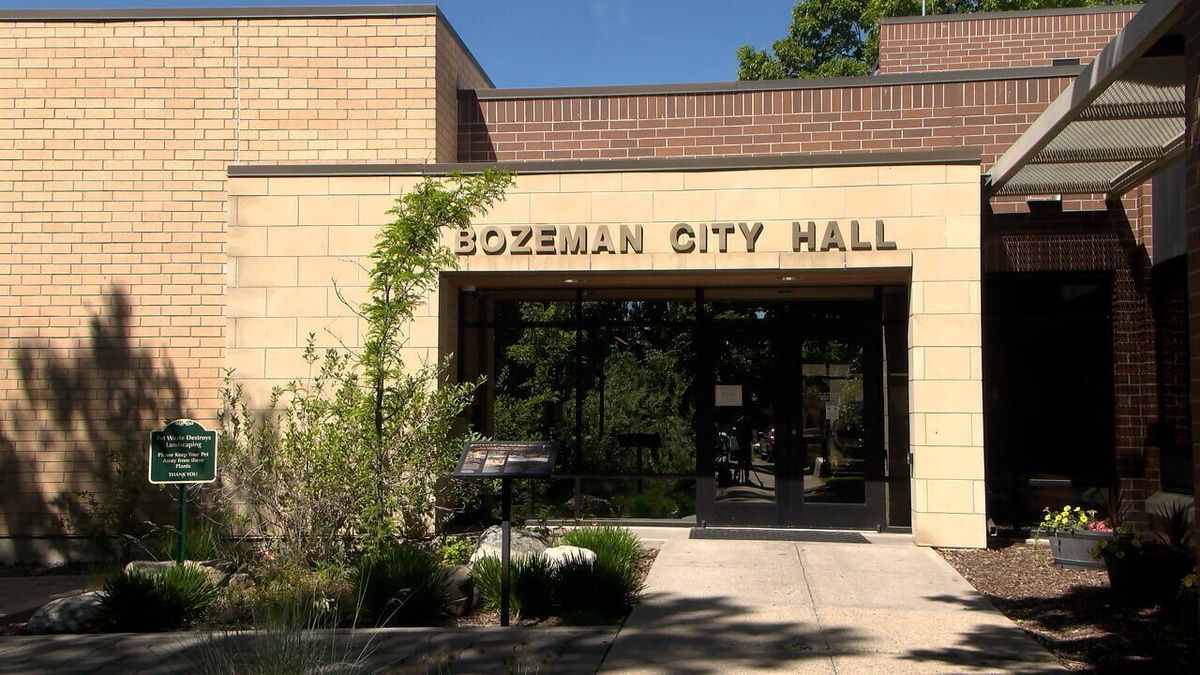
BOZEMAN, Mont. — Bozeman’s Local Government Study Commission released a draft report recommending changes to the city charter, including to the structure of the city government.
In Montana, cities and counties can elect a commission every 10 years to review local government and suggest changes. In Bozeman, voters elected that commission in 2024, and it is now nearing the end of its work.
“I think it's been fun to be a bit of a visionary, because we're not only trying to assess where we are at this moment in time, but to think at least ten years ahead,” said study commissioner Jan Strout.
For the last year and a half, the commission has worked to connect with residents and look ahead at how the city government could serve people more effectively.
“It’skind of a fun political science class. What should the perfect local government look like? And I think we’re working our way towards that,” said study commissioner Carson Taylor.
The draft report lays out findings from the commission’s engagement and study process, as well as several proposed changes to the city charter. Most significantly, the draft introduces Article VIII: The Role of Public Engagement in Governance. This section is meant to help guide increasing transparency between city policy and residents.
“The idea is from the bottom up to the city commission, ‘What do you want? What’s going on in your community? Tell us about it.’ And from the top down, ‘This is what the commission is thinking. And this is why.’ And that’s been a little bit lost over time,” Taylor said.
Strout explained the study commission found strong interest in advisory boards and committees that speak for neighborhoods or specific issues. The study commission is interested in ensuring those organizations are as representative of the community as possible, Strout said.
“So, that we really have that breadth and depth of talent informing the city and the accountability of the city in terms of saying, “If we’re valuing public engagement in our charter, we’ve got these vehicles — the city boards and the neighborhood associations — how are we best using that?’” she said.
Other recommendations included expanding the City Commission from four to six commissioners and creating wards, where each member of the commission would live and represent. Along with the ward question, is whether only voters within a ward elect their commissioner, or whether commissioners are still elected at-large. In either case, the mayor would still be elected at large. These three issues will be available for voters to decide individually on their ballot this November, if they vote yes to approve the new charter.
The study commission also found Bozeman’s mayoral system is confusing for residents. Currently, mayors spend the first two years of their term as deputy, and their second two years as mayor. If they are reelected, they spend another two years as deputy and then two more as mayor.
The study commission is proposing to end that system and give the mayor a normal four-year term. The city commission would then appoint a vice mayor from within the commission.
The draft also proposed an independent compensation board to decide pay and benefits for the mayor and city commissioners.
“It would be directed by an independent board that makes those decisions and then applies it to the mayor and the city commissioners,” Strout said.
The goal of creating the compensation board is to put a step between the city commission deciding its own salary, said Taylor, who previously served on the city commission and as mayor.
“The previous system was vote yourself a raise. The raise will take place after two years, but it was hard for commissioners,” he said.
With a board creating the compensation and benefits for city commissioners, the hope is that they might create a more livable wage that could attract more Bozeman residents from all walks of life to run for office, Strout said.
A full copy of the report and proposed charter is available online. The study commission is holding a meeting on June 18 to hear feedback, as well as follow-up meetings in July and August. Final language in the charter will be decided after the August meeting.
After that, voters will decide in November whether to approve the new charter.



Comments ()